

A septic system works in two steps. All the wastewater from the house flows into a buried tank, where solids settle and bacteria slowly eat them, and then the cleaner liquid trickles into a leach field, where the soil finishes the treatment.
A composting toilet skips the water completely and lets a different crew of bacteria do the job with air. This page covers both, plus pumping, permits and what never to flush.
The Cesspool That Cleaned Itself
 Illustrative image
Some time around the 1860s, a Frenchman named Mouras got tired of paying to have his cesspool emptied. A cesspool was just a covered pit where toilet waste piled up.
So he tried a trick. He had a builder run a pipe from the pit to the street drain, with a screen in front to hold back the solids, so only the liquid could escape.
Then war came, and soldiers moved into the building. When peace returned years later, he had the pit opened and got a surprise.
The pit wasn't packed full. Apart from a leathery crust on top, almost all the solid waste had disappeared.
Tiny living things had been eating it the whole time. Mouras patented his idea in 1881, and it grew into the septic system.
Today about one in five homes in the United States still uses a septic system or something like it. Out in the countryside, far from any sewer pipe, it's often the only choice besides a composting toilet. Toilet waste is one of four streams in off-grid waste management, next to greywater, food scraps and trash.
What Are The Main Components Of A Septic Tank And Drain Field?
 Illustrative image
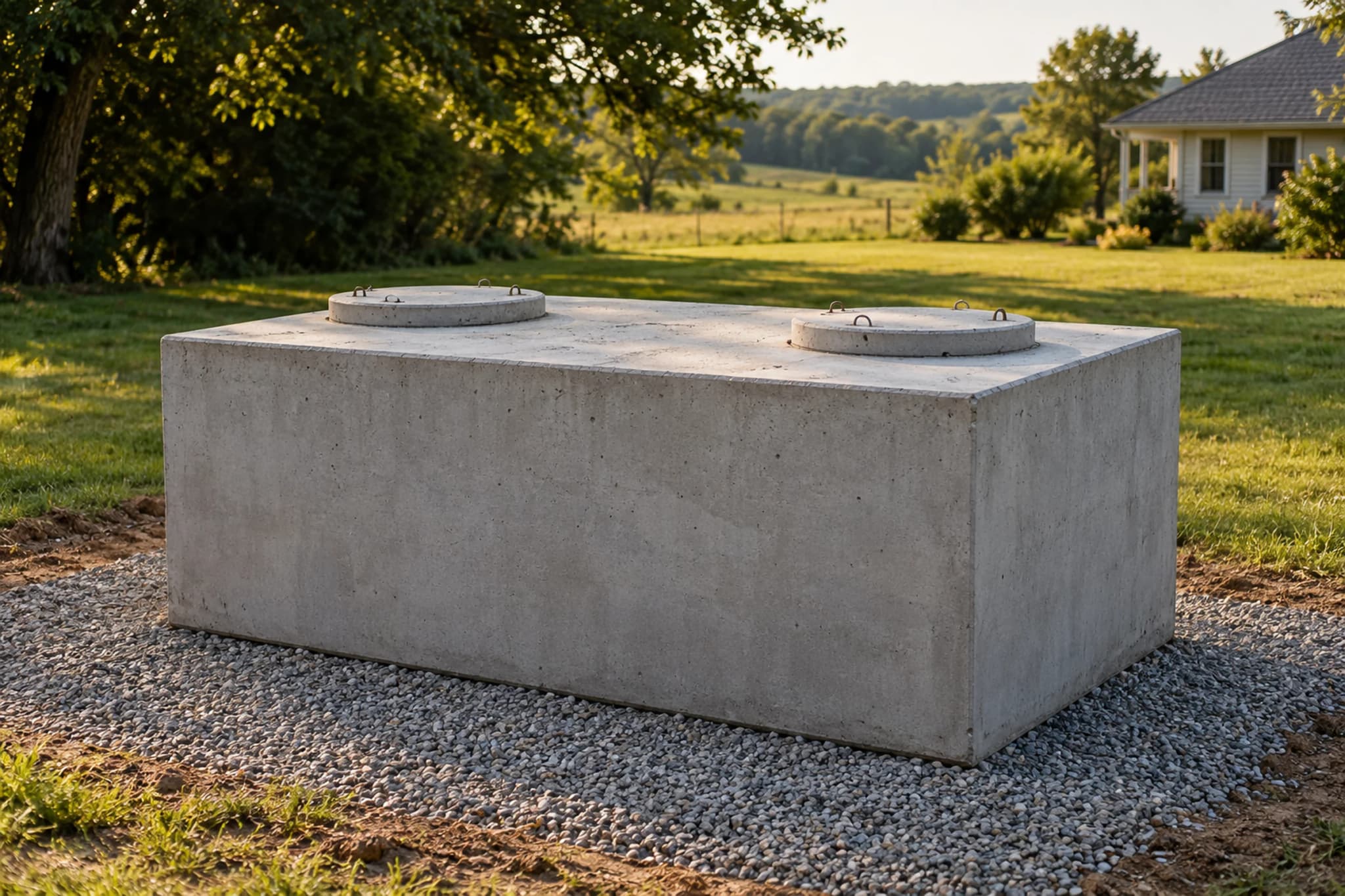
A septic system has two main parts: a buried septic tank and a patch of ground called the drain field, also known as a leach field or drainfield. Together they treat everything that goes down the drain. One main drainage pipe carries all the wastewater from the house into the tank.
The tank is a watertight box made of concrete, fiberglass or plastic. Wastewater sits there long enough to settle, a bit like a glass of muddy water left on the table.
Heavy stuff sinks to the bottom and becomes "sludge". Grease and oil rise to the top and form "scum", that same leathery crust Mouras found. Walls inside the tank, called compartments, and a T-shaped outlet pipe keep both layers in, so only the cloudy liquid in the middle flows on.
This is the first step of treatment. Inside the tank, bacteria slowly break down the organic matter, the stuff that was once food or living things. Scientists call this "digestion", which just means the bacteria eat the waste. They work without air, so they're slow, but they never take a day off.
Then the liquid goes to the drain field. Scientists call it "effluent", which just means wastewater that has been partly treated. The effluent runs into pipes with holes, laid in shallow trenches of gravel or sand under the lawn, and drips out along the trenches.
The soil does the second treatment step. As the water seeps down, the soil and the tiny life inside it trap and eat germs, viruses and extra nutrients, like a giant coffee filter that's alive. Eventually the cleaned water reaches the groundwater deep below.
That's how a septic system works in a nutshell: settle, digest, filter. It's why septic tanks work so well in rural areas, where no sewer pipe will ever reach.
Composting Toilets: No Water, No Flush
 Illustrative image
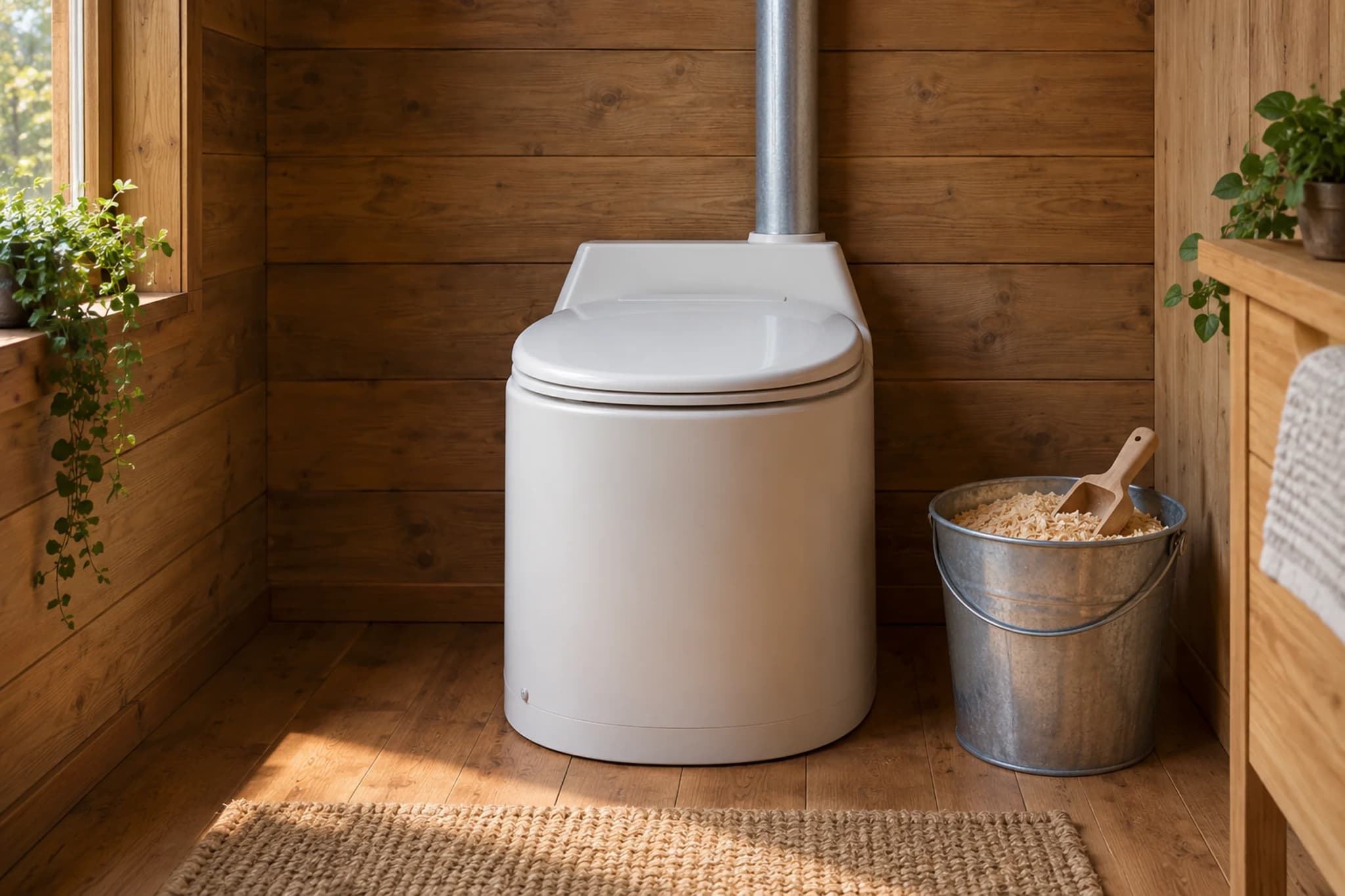
A composting toilet skips the water completely. Instead of flushing, you cover each deposit with a scoop of dry stuff like sawdust, coconut fibre or peat.
That dry stuff is called a "bulking agent". It soaks up moisture, stops smells and leaves little air gaps, so bacteria that need air can do the work.
According to the US EPA, these toilets were first sold in Sweden. They shrink the waste down to about 10 to 30 percent of its starting size, leaving a soil-like material called humus.
Many models keep pee and poop apart, with a separate bowl at the front. Scientists call that "urine diverting", and it matters more than you'd think.
One person makes roughly 500 litres (130 gallons) of pee a year, enough to fill about three bathtubs. Keeping all that out of the solids is an effective way to keep the pile drier and far less smelly.
Self-contained units sit right in the bathroom, a bit like a chunky regular toilet, while bigger ones drop the waste down a chute to a large chamber below the floor.
There's a catch, though. The EPA says the pile usually never gets hot enough to kill germs fast. Time, air and the right moisture do the work, and that takes months.
Septic System Or Composting Toilet: Which Fits?
 Illustrative image
A septic system feels just like living in town. You pull the handle, and the waste disappears, as long as the system is built and looked after properly.
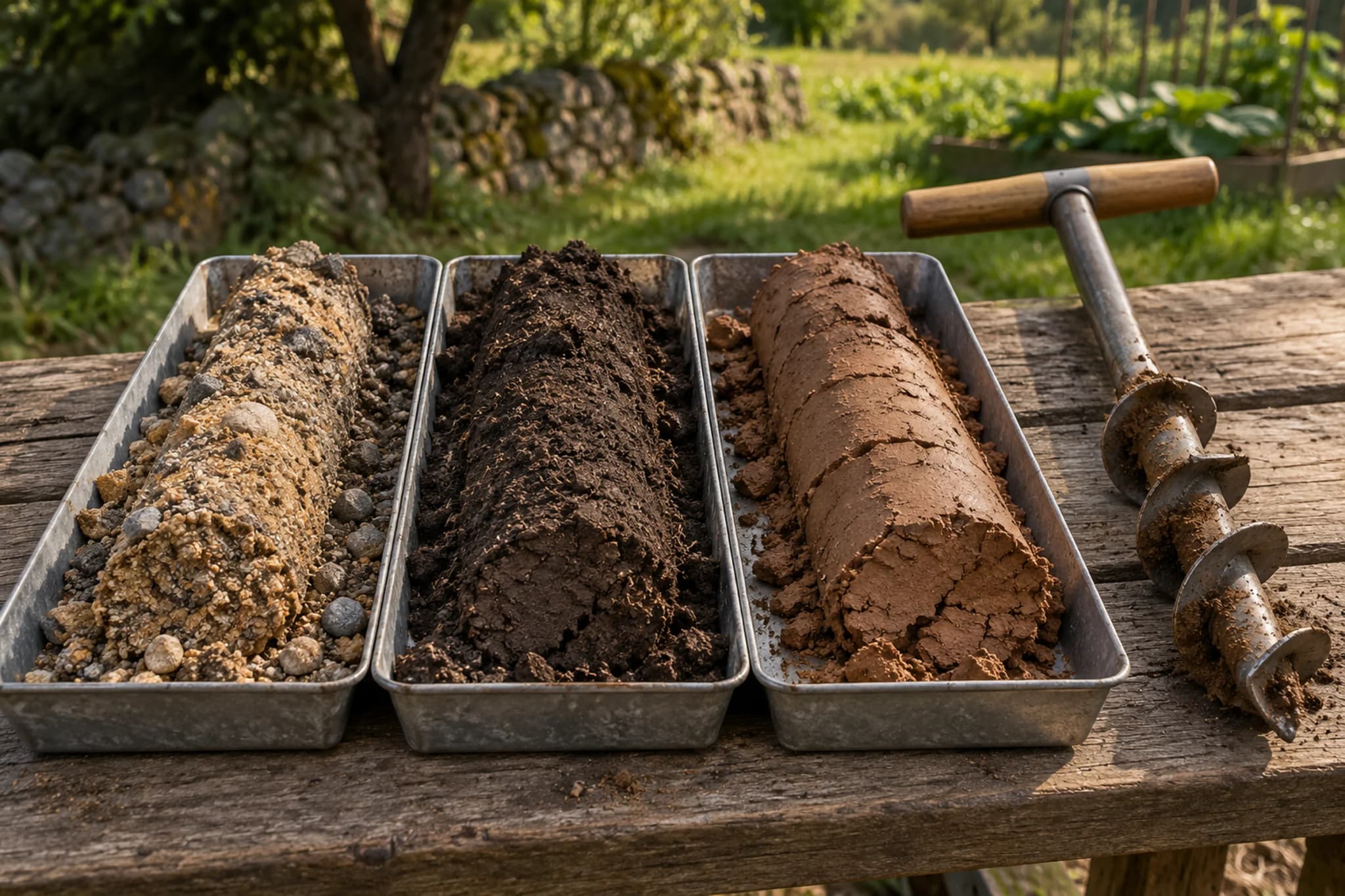
But it needs the right ground. The soil has to soak up water at the right speed, and the drain field has to be located away from wells, streams and the house. That's why many places require a soil test before anything gets built.
A composting toilet uses no water, which is a big deal when every litre is pumped, hauled or caught from the roof. It also works on rocky ground, tiny lots and places where a drain field won't fit.
Even with a composting toilet, the shower and sink water still has to go somewhere. Many people send it to a greywater system in the garden, while others keep a smaller septic system just for that.
Some places with tricky soil use "alternative" septic systems. These use pumps or gravity to trickle the effluent through sand or other filters for extra treatment before it reaches the ground.
Permits, Costs And Who To Call
 Illustrative image
This is the one part of off-grid living where you really can't wing it. Human waste carries germs that can make people very sick, and the rules exist to keep them out of drinking water and groundwater.
Almost everywhere, a septic system needs a permit, and in many places a licensed installer has to design or approve it. The capacity of the tank and the size of the field change depending on the house, the soil and local law, so a professional works it out for your site.
The money adds up too. Cornell University estimates that replacing a whole failed septic system in the US can cost 5,000 to 15,000 dollars or more.
Composting toilet rules are a patchwork. Some US states want models certified to a standard called NSF 41, while others leave it to the local health office.
What you may do with the finished humus varies the most. An older EPA fact sheet says that in the US it's normally buried or picked up by a licensed septage hauler, following state and local rules. Because some germs can survive, the safe habits are the same almost everywhere:
- Ask your health department or environmental agency what you may do with it, and get it in writing
- Let it age for as long as your rules or the toilet maker say, and longer is better
- Never put it on or near food crops, especially vegetables and herbs
- Bury it where children and pets don't dig and where it can't wash into a well or stream
- Wear gloves, and wash your hands afterwards
Oregon, for example, allows burying it at least 30 centimetres (12 inches) deep around flowers, shrubs and fruit trees, but never near vegetables.
So before you build, call your local health department. Ask what's allowed, what needs a permit and who can install it.
How Often Do You Need To Pump A Septic Tank?
 Illustrative image
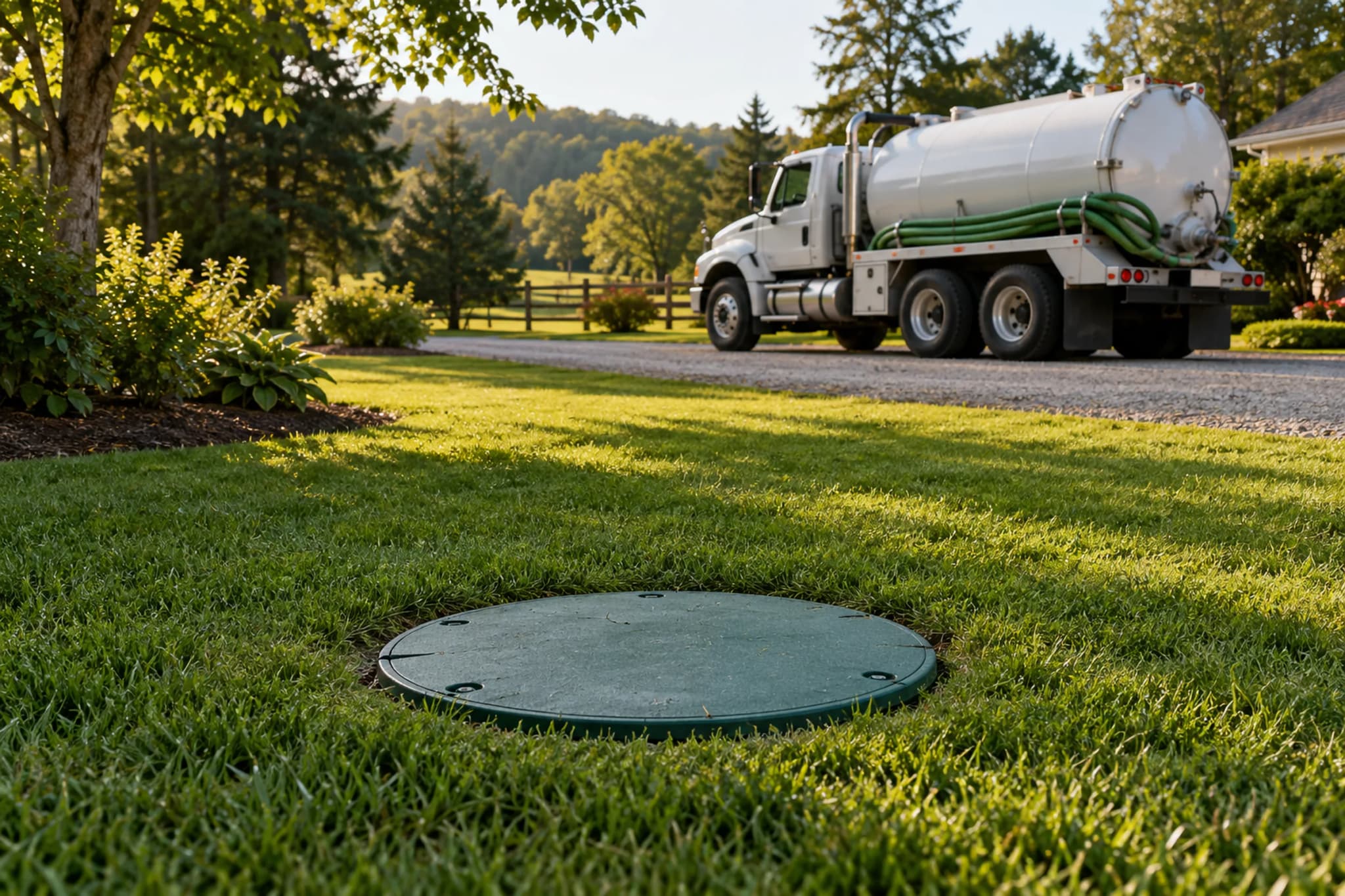
The EPA says most household tanks are pumped every three to five years, with an inspection about every three years. A bigger household or a smaller tank means pumping more often.
That pumping is the heart of septic system maintenance. The sludge layer keeps growing, and if it builds up too high, it can spill into the drain field and clog the soil. Cornell says poor care is the most common reason systems fail early.
A septic system is also not a trash can. The EPA's rule is clear: only human waste and toilet paper go in. Wipes, nappies, cat litter, paper towels, cooking fat and medicines can all clog or damage it, and even "flushable" wipes don't break down the way toilet paper does.
The kitchen sink counts too. A garbage disposal grinds food into the tank and eats up its capacity faster, which is why scraps are better off in the compost or the off-grid trash plan.
Water matters as well. A single leaky or running toilet can add as much as 750 litres (200 gallons) a day, which can flood the tank faster than it can work.
Maintain the drain field like a living thing, because it is one. Don't park or drive on it, and keep trees far enough away that their roots don't break into the pipes.
Watch for warning signs: soggy or extra-green patches over the field, slow drains, gurgling pipes, or a bad smell outside. An overloaded field can push wastewater up to the surface or back into the house, so call a septic professional quickly.
Is A Septic System Or Composting Toilet Right For You?
 Illustrative image
Good soil, enough land and water to spare point to septic. Scarce water or rocky ground point to a composting toilet, which asks more of you in return.
Either way, the job is the same one Mouras stumbled on more than 150 years ago. Give the tiny living things time and the right conditions, and they'll turn our waste into something the earth can handle.
And unlike kitchen scraps for a backyard compost pile, toilet waste always plays by stricter rules.
In short:
- A septic tank settles the solids and bacteria digest them, then the drain field and soil treat the liquid
- Pump the tank every three to five years and send in only human waste and toilet paper
- A composting toilet needs no water but more care, and the humus has local rules
- Always check permits with your local health department first
Sources
- US EPA, How Your Septic System Works
- US EPA, How to Care for Your Septic System
- US EPA, Decentralized Wastewater MOU (2023)
- US EPA, Water Efficiency Technology Fact Sheet: Composting Toilets (1999)
- Cornell Cooperative Extension, Your Septic System: Septic System Failure
- H. Montgomerie Neilson, The non-septic aero-anaerobic treatment of sewage (Sydney University Engineering Society, 1908)
- h2g2, history of the septic tank
- EcoSanRes, Factsheet 6 on urine
- Greywater Action, Composting toilets FAQ
- ICC, International Private Sewage Disposal Code
- Texas A&M AgriLife, Signs of Septic System Failure
Hard Words
| Term | What it means |
|---|---|
| Septic system | A buried tank plus a drain field that treats house wastewater on your own land, where no town sewer reaches. |
| Septic tank | A watertight underground concrete or plastic box where solids sink, scum rises and bacteria start breaking waste down. |
| Sludge | The heavy layer of solids that settles at the bottom of a septic tank. |
| Scum | The floating layer of grease and oil at the top of a septic tank. |
| Drainfield | Also called a leach field or drain field. Buried pipes in gravel or sand where septic tank water soaks into the soil to be cleaned. |
| Effluent | Partly treated wastewater that flows out of the septic tank. |
| Composting toilet | A toilet that uses no water and lets air-loving bacteria break waste down into humus. |
| Bulking agent | Dry organic material like sawdust that you add to a composting toilet to soak up moisture and stop smells. |
| Urine diverting | A toilet design that keeps pee separate from poop, so the solids stay drier. |
| Humus | The dark, soil-like material left after waste has broken down. |
Common Questions
How does a septic system work?
Wastewater flows from the house into a buried tank. Solids sink as sludge, oils float as scum, and bacteria slowly digest the waste. The liquid in the middle flows to a leach field, where it soaks into the soil and the soil removes most germs and nutrients.
How often should a septic tank be pumped?
The US EPA says most household tanks are pumped every three to five years, with an inspection about every three years. A bigger household, a smaller tank or a garbage disposal can mean pumping more often.
What should you never flush into a septic system?
Only human waste and toilet paper. Wipes (even flushable ones), nappies, cat litter, paper towels, feminine products, cooking fat and medicines can clog or damage the system or harm the bacteria.
Do composting toilets smell?
A well-run one should smell no worse than a normal bathroom. A vent, often with a small fan, pulls air out of the chamber, and many keep urine separate so the solids stay dry. Smells usually mean the pile is too wet or the vent isn't working.
Can you use compost from a composting toilet in the garden?
Only if your local rules allow it, and never on food crops, because some germs can survive. In the US the humus is normally buried or removed by a licensed hauler. Oregon, for example, allows burying it at least 30 cm deep around flowers and fruit trees.
Do I need a permit for a septic system or composting toilet?
Almost always for a septic system, and often for a composting toilet. Septic systems usually need a soil test, a permit and a licensed installer, and some US states require composting toilets certified to NSF 41.
What are the signs of a failing septic system?
Soggy ground or extra-green grass over the leach field, slow drains, gurgling pipes, bad smells outside, and waste backing up into the house. Skipped pumping and flushing the wrong things are common causes, so call a septic professional quickly.