

 OFFGRIDDR · Power your home from the sun, wind, and water
What if you could power your home from the sun, heat it with your own wood, and eat from the land? You can. Here’s what it takes, and what it costs.
How off-grid works
Three steps. Every off-grid system is some version of this.
An off-grid system runs in three stages.
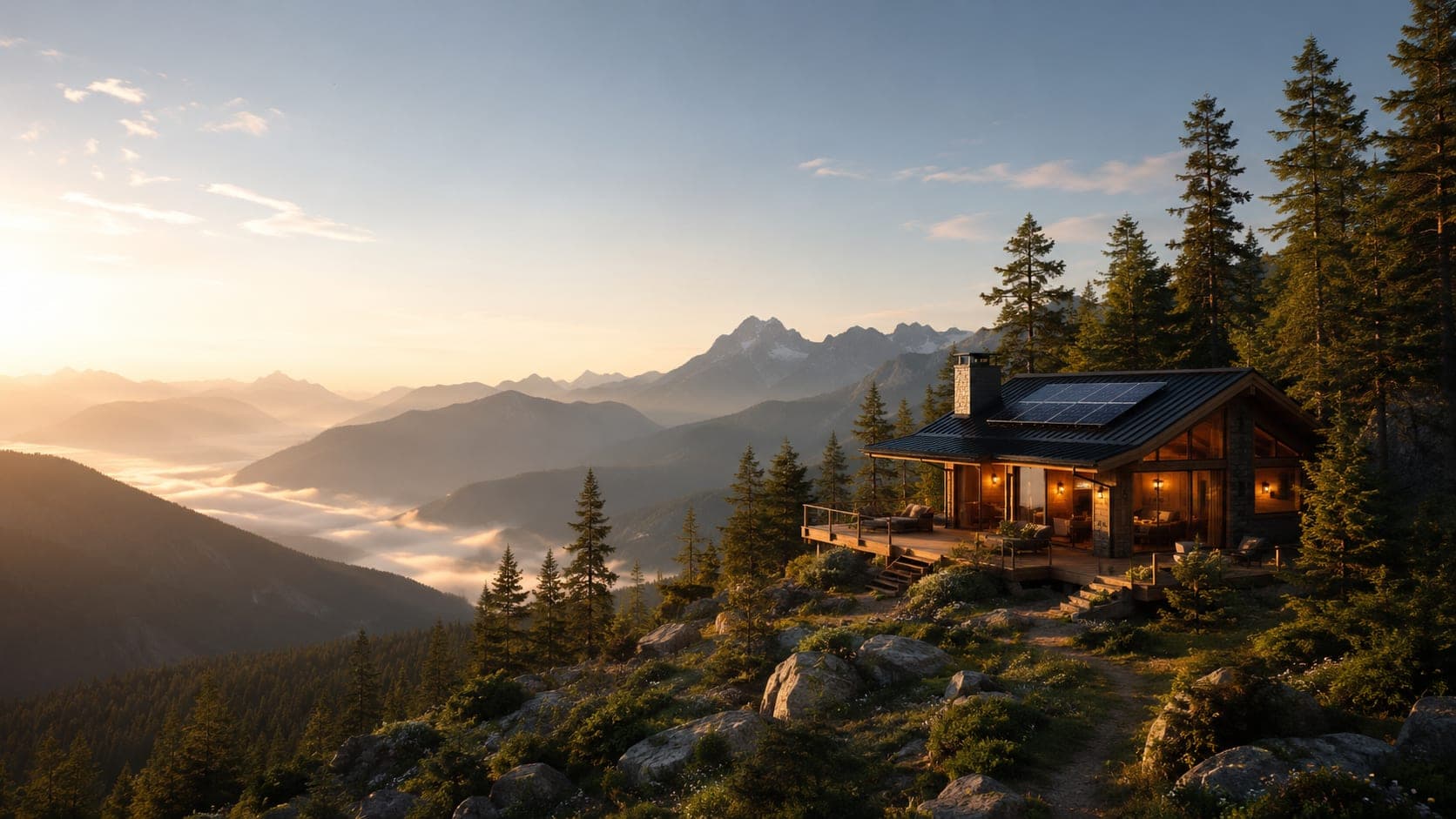
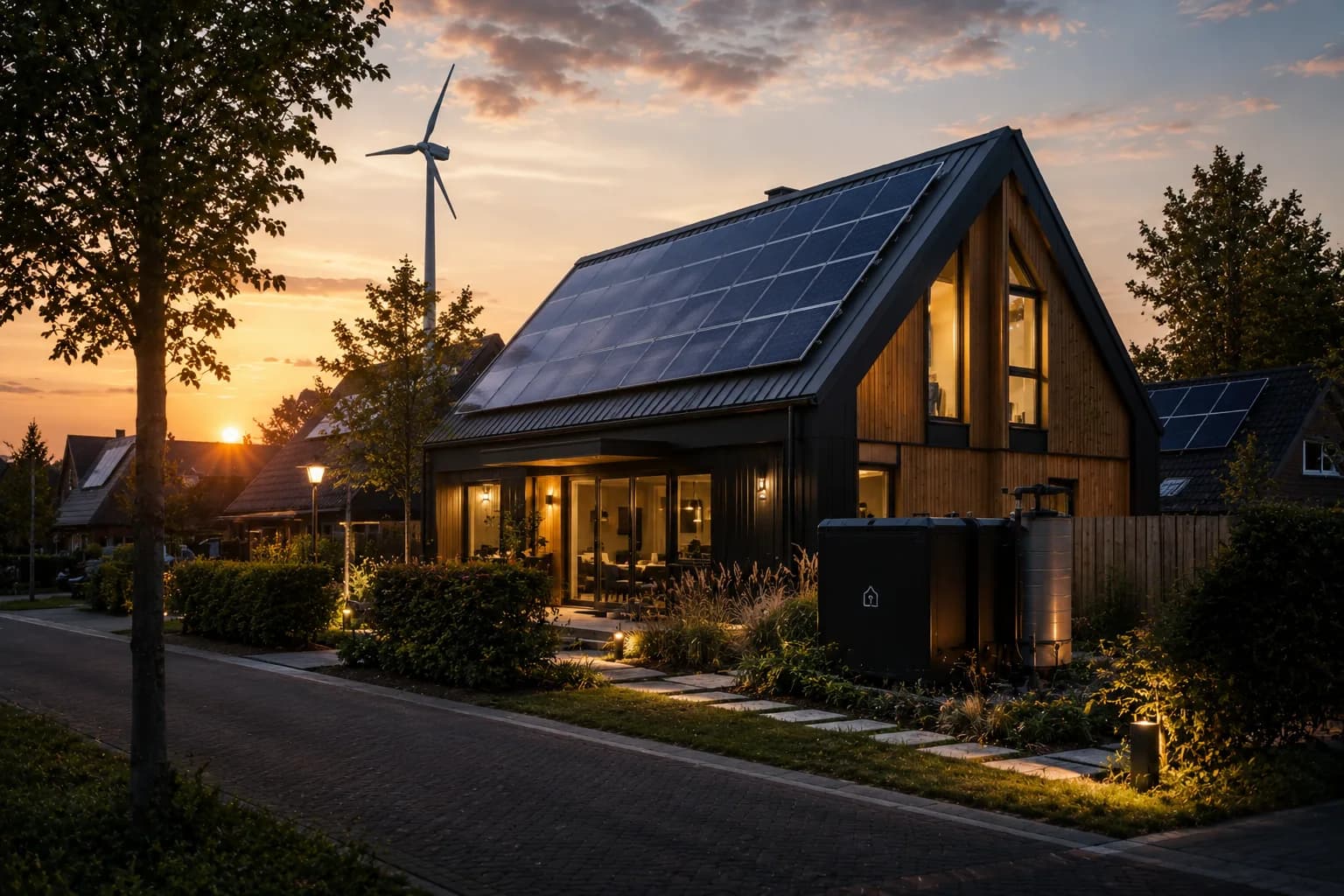
- Harvest: the sun strikes the roof array while wind turns the turbine, so the site makes its own electricity through daylight hours. The garden and the woodpile fill the same way.
- Store: that electricity runs down the conduits into the battery bank, which fills while production stays ahead of demand. Food and firewood are stored the same way, against the same winter.
- Use: after dark the bank runs the house. Lights stay on, the pump lifts water into the tank, and the day’s harvest is already in the ground and the store.

Explore off-grid living
The architecture of an off-grid home. Pick a category. We go deep.
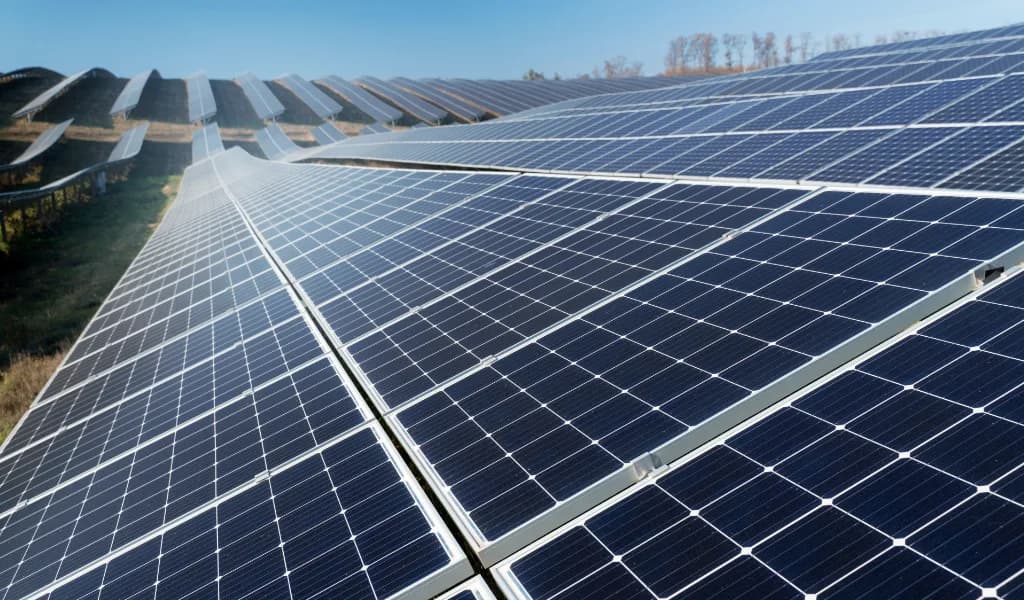
Ways to make and store power
Explore Coming soon
Wells, rainwater harvesting, filtration, and greywater.
Explore Coming soon
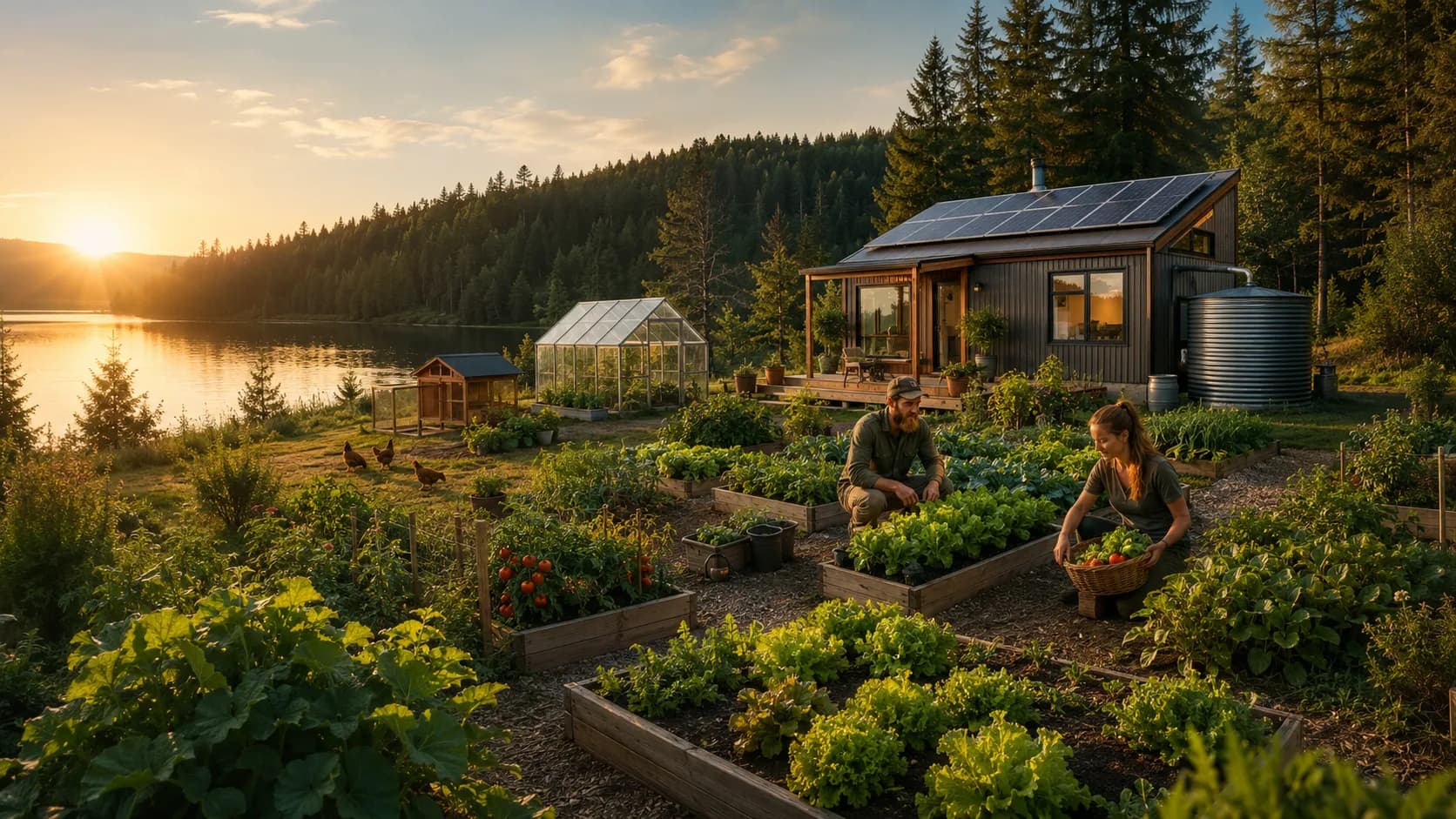
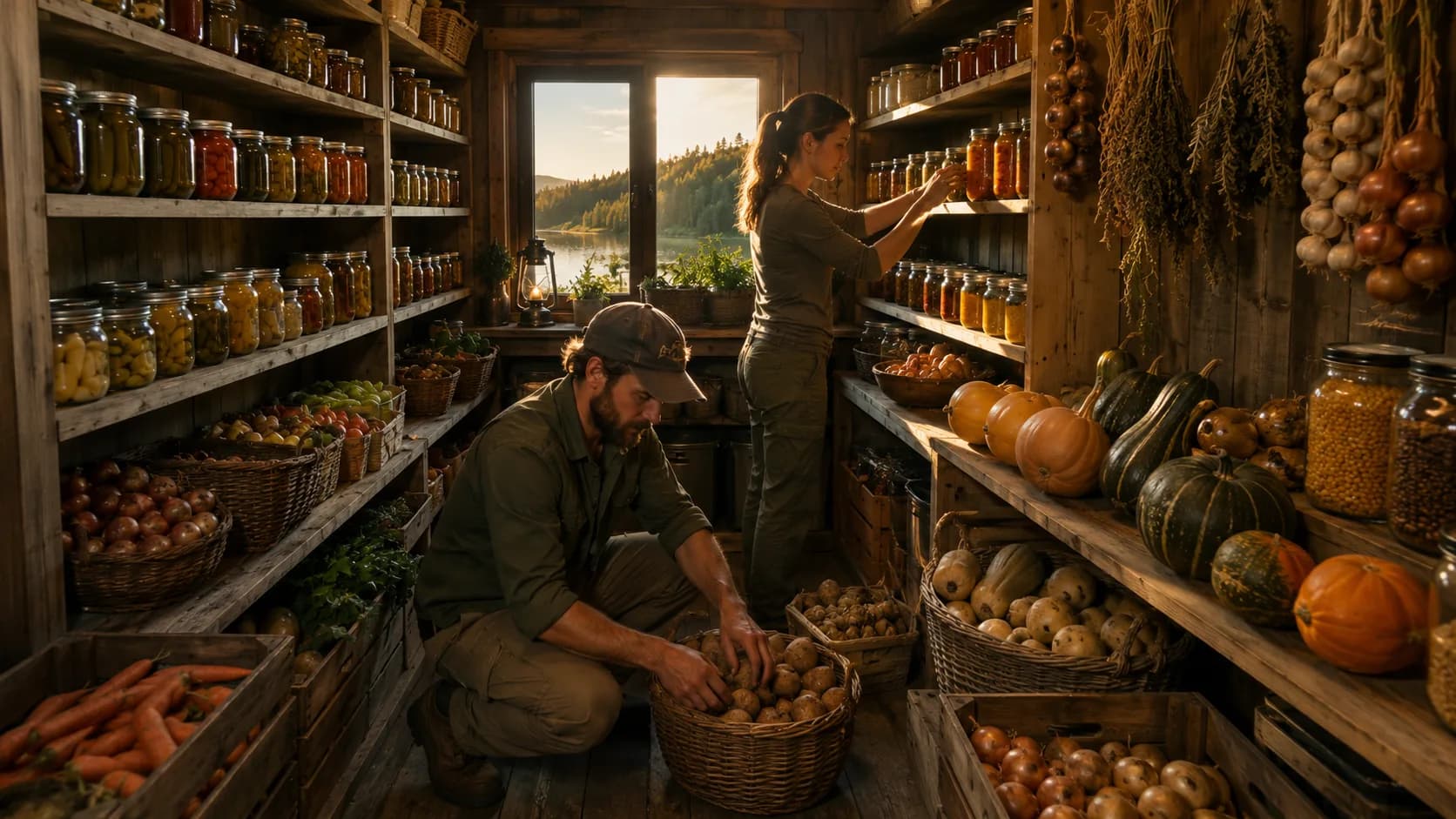
Growing, preserving, and raising your own food off the grid.
Explore Coming soon
Heating, insulation, and building for self-sufficient living.
Explore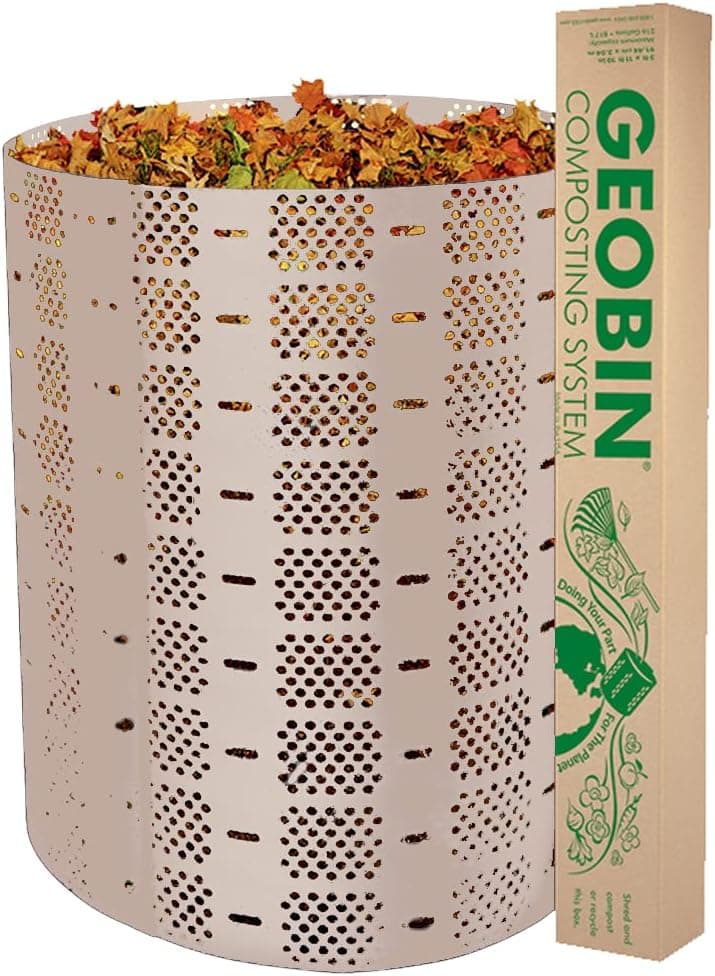 Coming soon
Composting, septic, and handling waste without municipal services.
Explore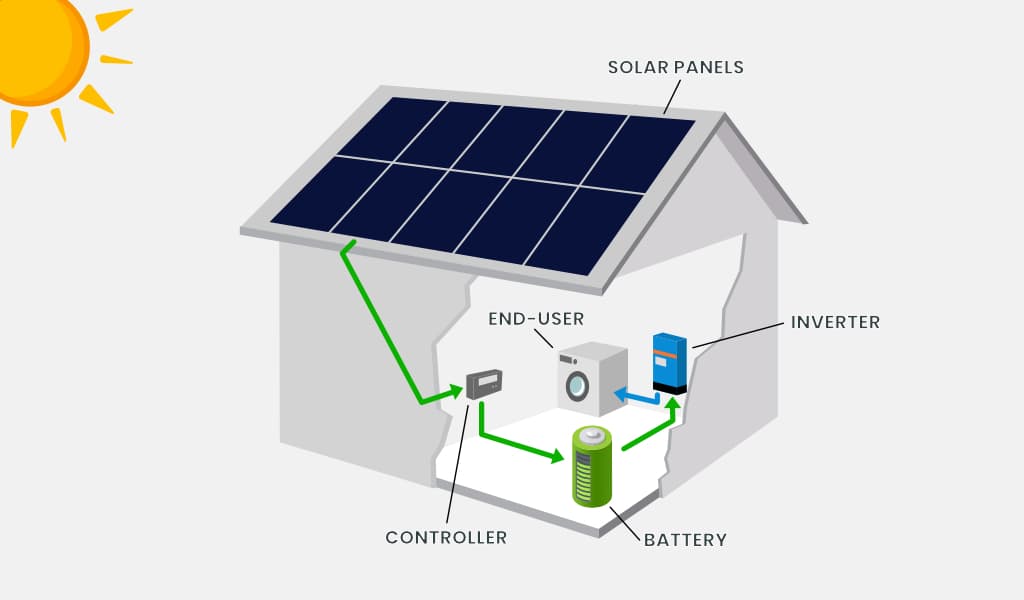
Costs, climate, food, insurance, and what off-grid living really takes.
Explore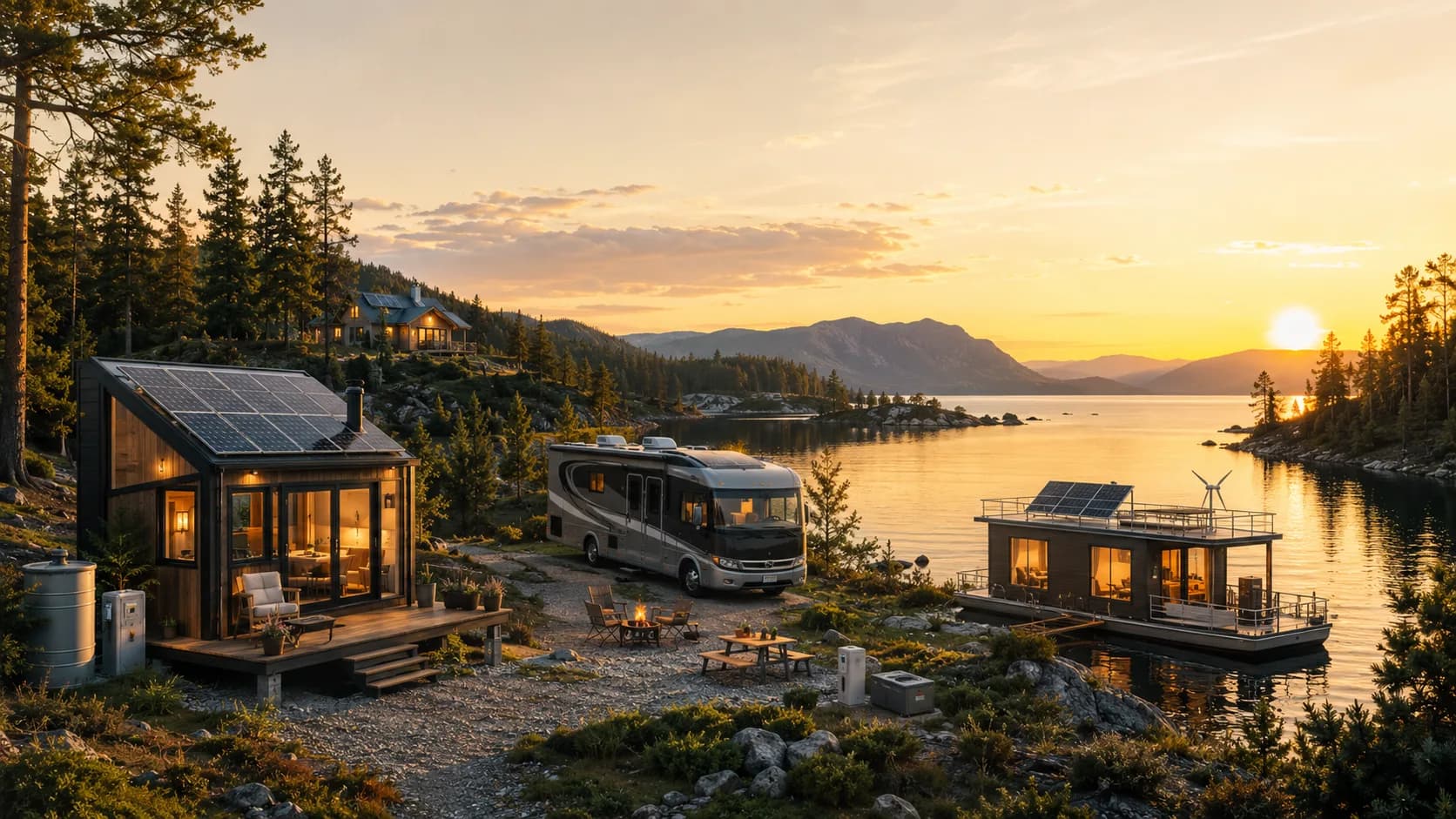
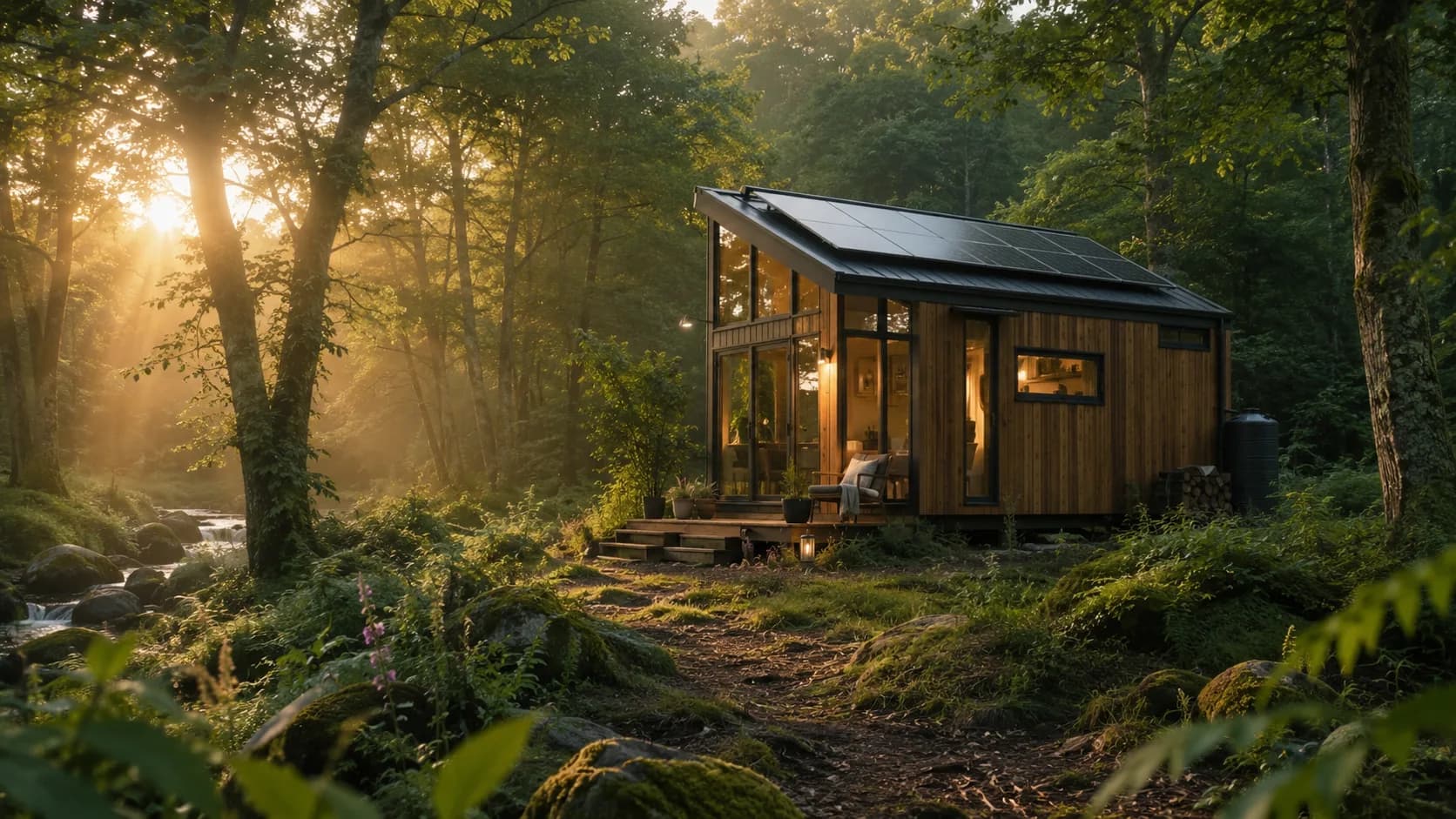
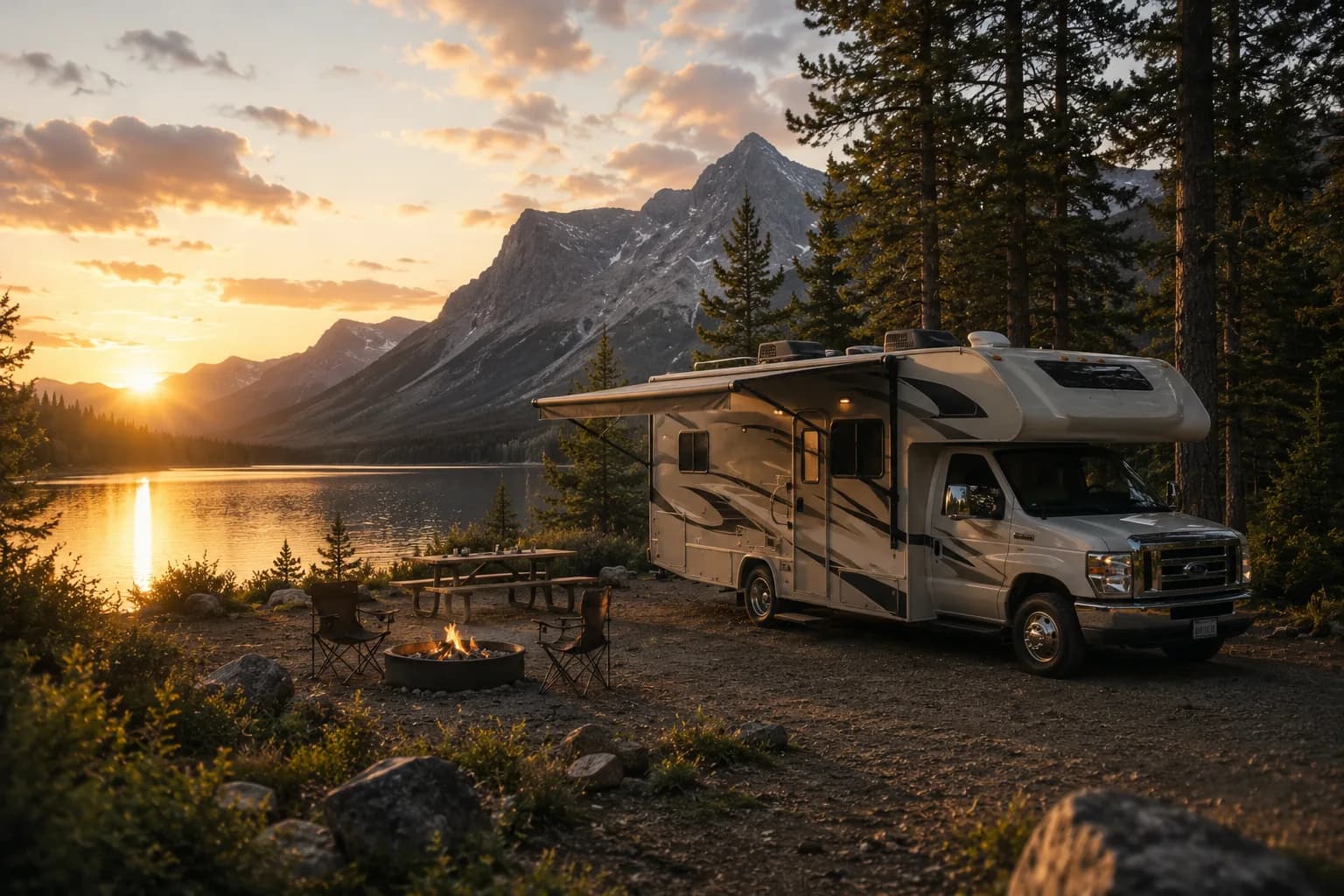
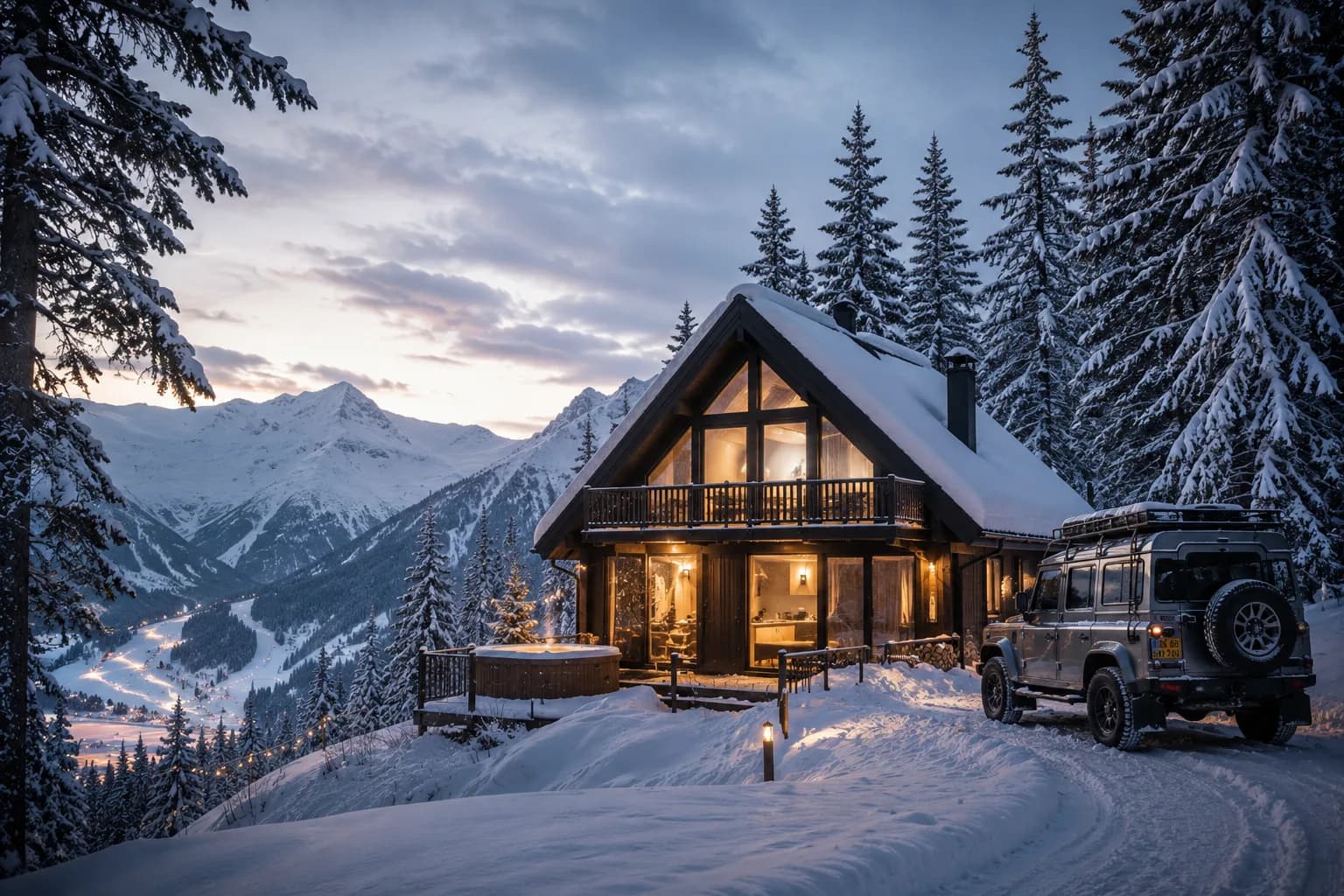
What’s your off-grid path?
Pick the closest fit. Each leads to a tailored read.
Showing What’s your off-grid path?, 1 of 5
Latest articles
The most recent additions to the knowledge base.
A €40 hydraulic crimp tool, Klauke-style lugs, and heat-shrink. Robbert walks through the exact workflow he uses for 35 to 70 mm² battery cables, and explains why he never solders them.
5 min readA pack on its own is not a home battery. Robbert walks through three full Victron setups (3 kVA, 5 kVA, and 3-phase) so the price of a working installation, not just the cells, is finally on paper.
5 min readSix second-hand panels, a homemade wooden frame, a used inverter. Total spend: €165. How fast it actually pays back, and where the trick is.
3 min readCalculators
Thirteen tools for sizing an off-grid system. URL-shareable, so a configuration is a link you can send to a friend.
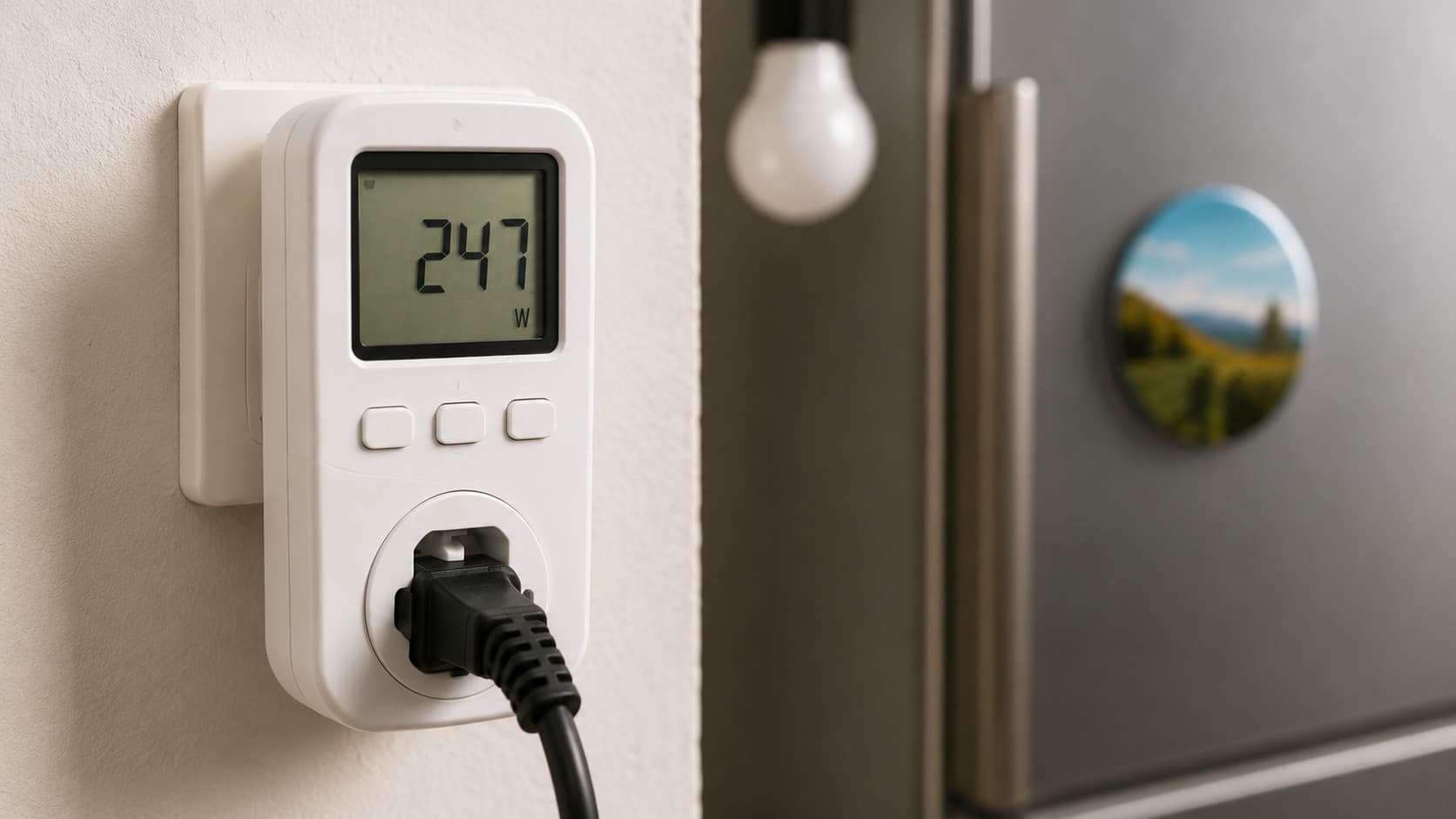
List your household devices, see daily and yearly kWh. Start here before sizing solar panels or batteries.
Read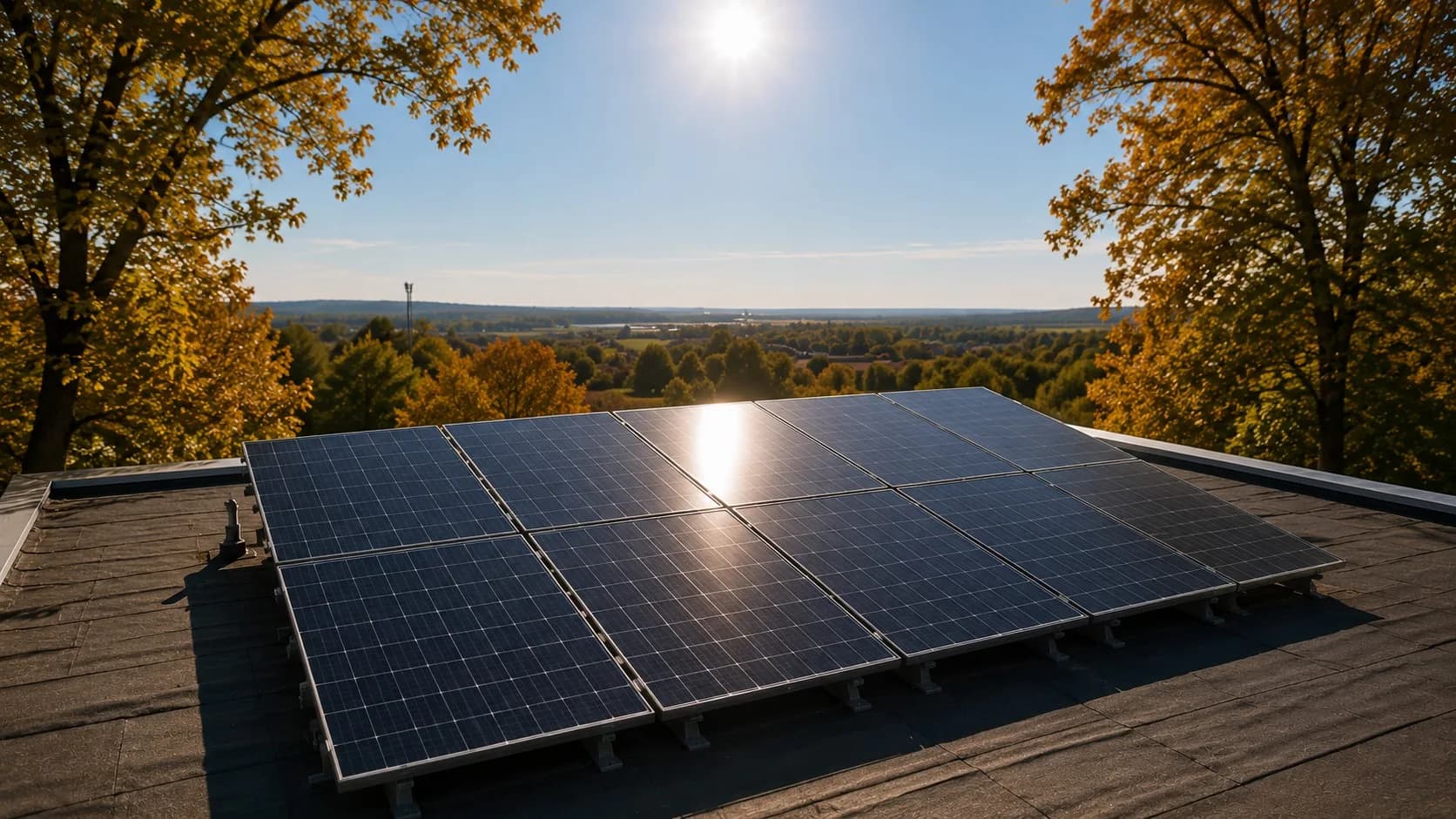
Estimate yearly energy output from panel count, panel wattage, and your region's sun yield.
Read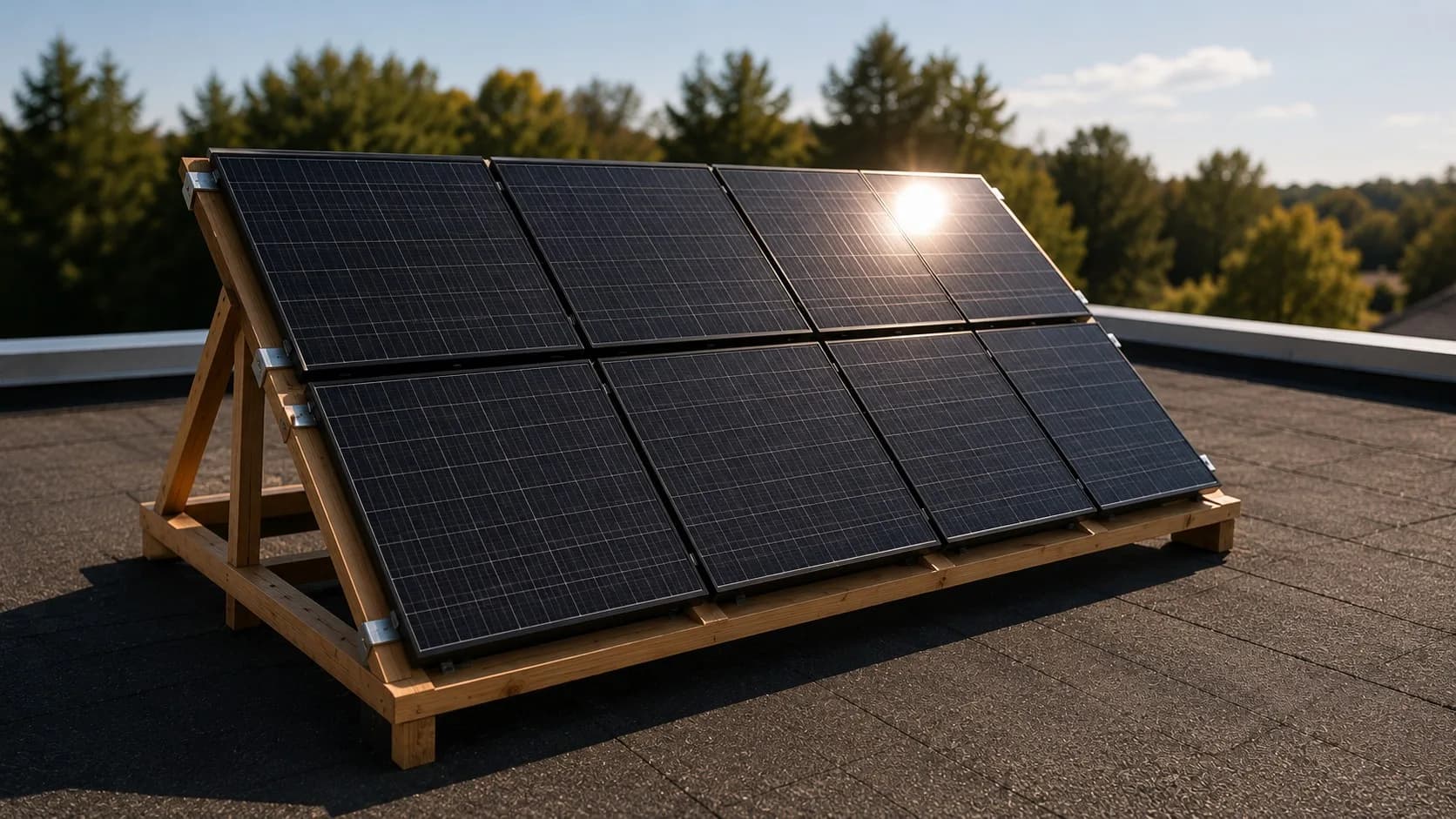
Estimate how many solar panels you need from annual kWh, panel wattage, and sun hours.
Read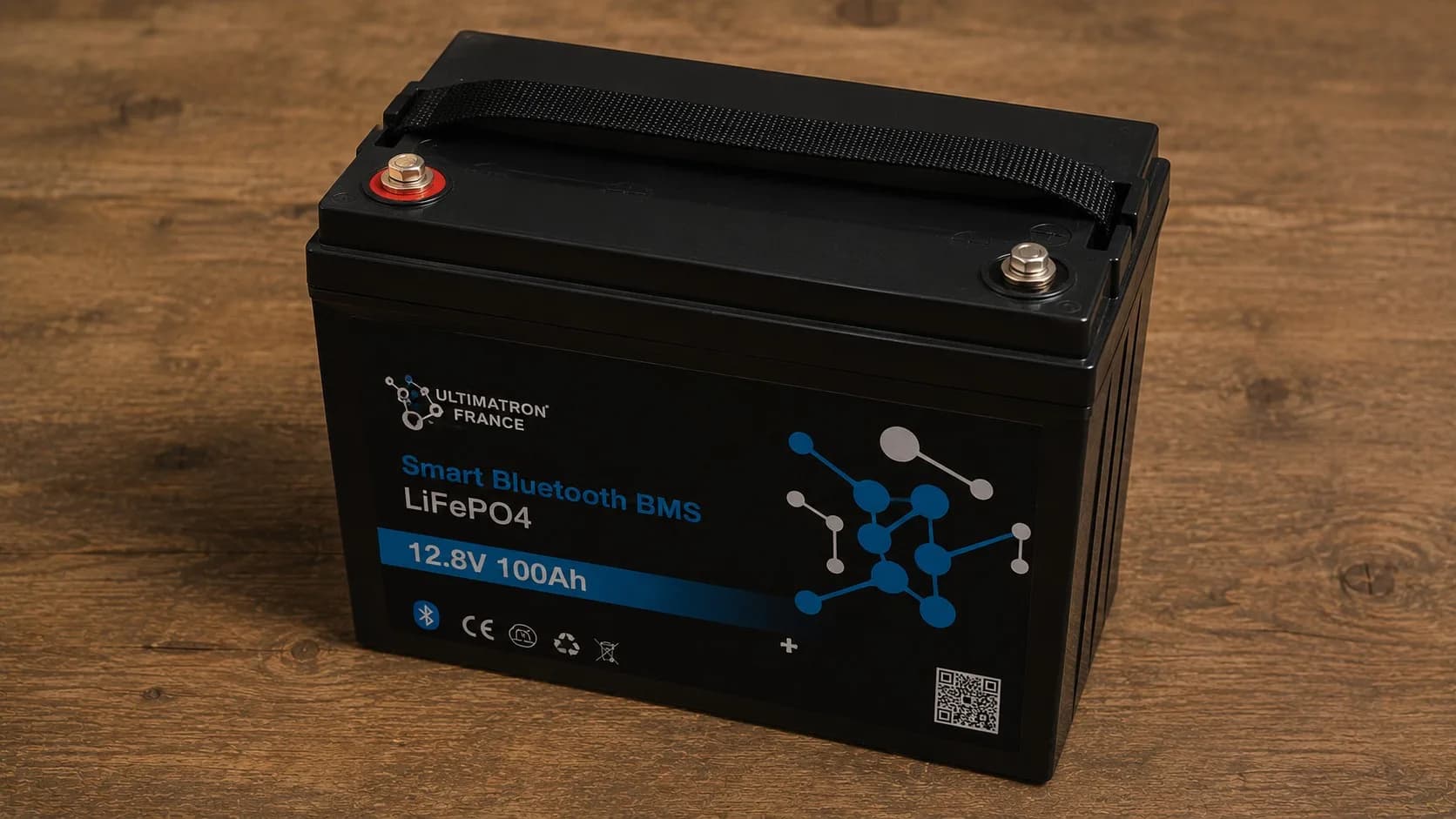
Size a battery bank from daily load, voltage, autonomy days, and depth of discharge.
Read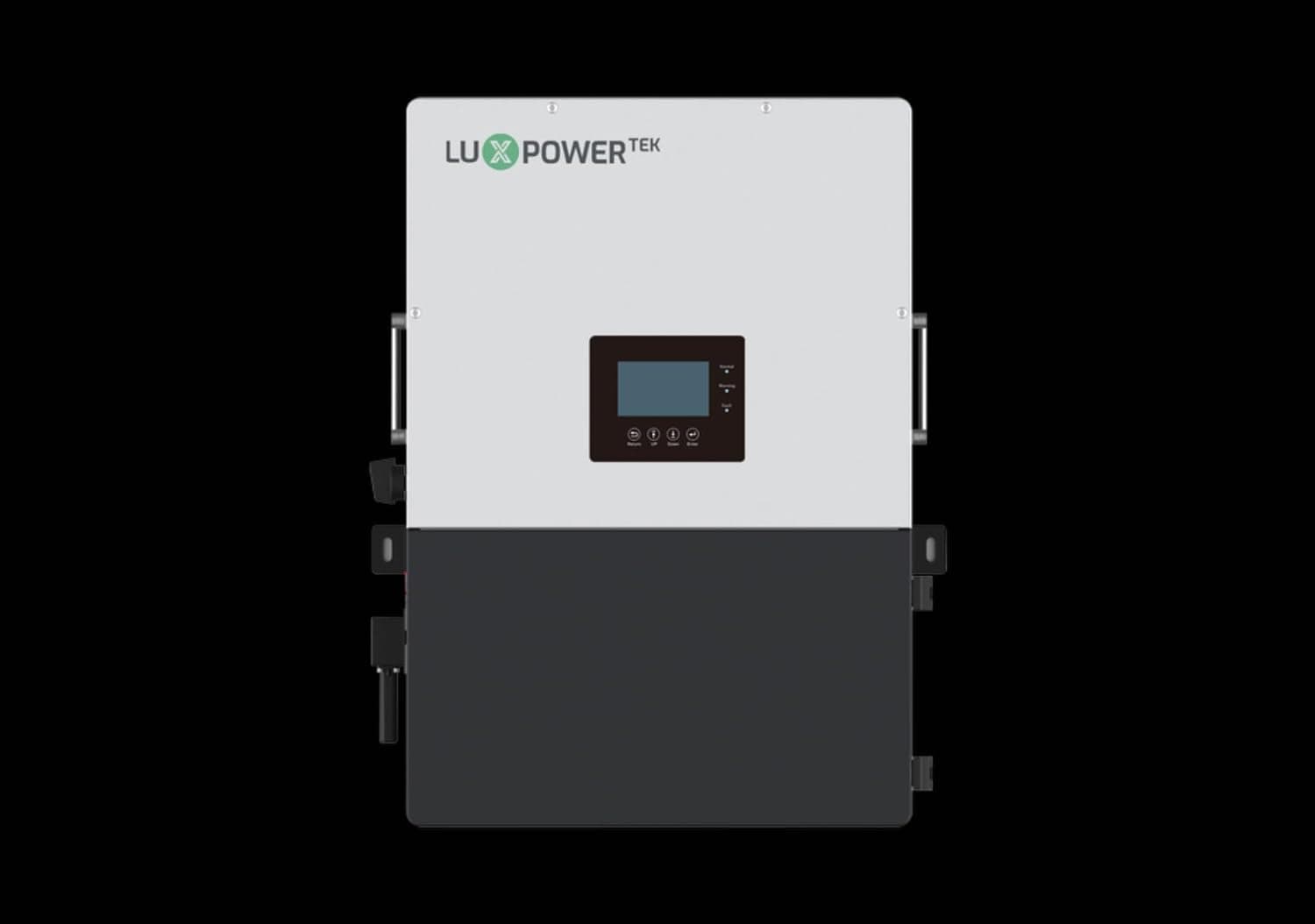
Recommended continuous and surge inverter VA from continuous load, peak load, system voltage, and phases.
Read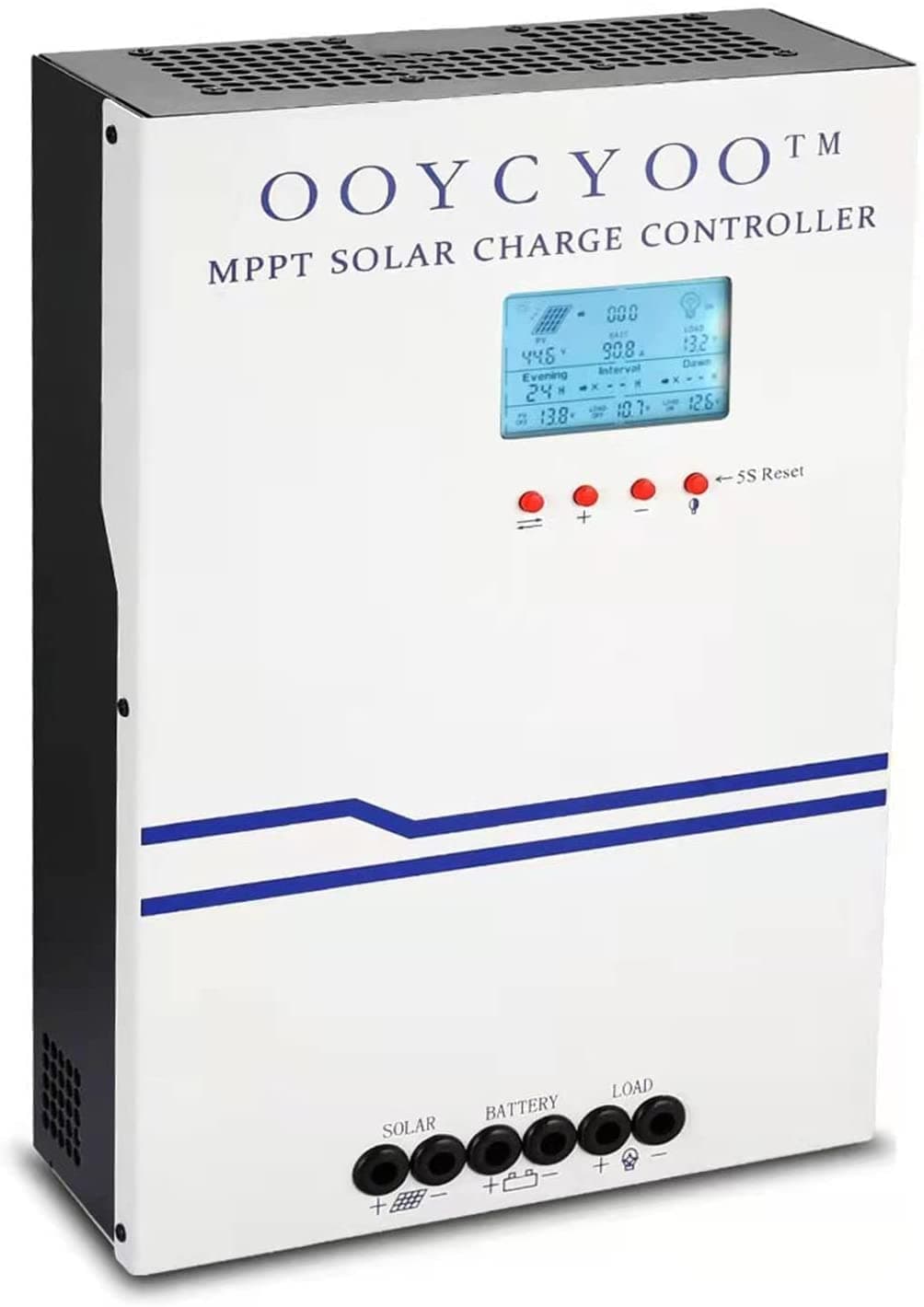
Required MPPT voltage and amperage from panel count, Voc, Imp, string configuration, and battery voltage.
Read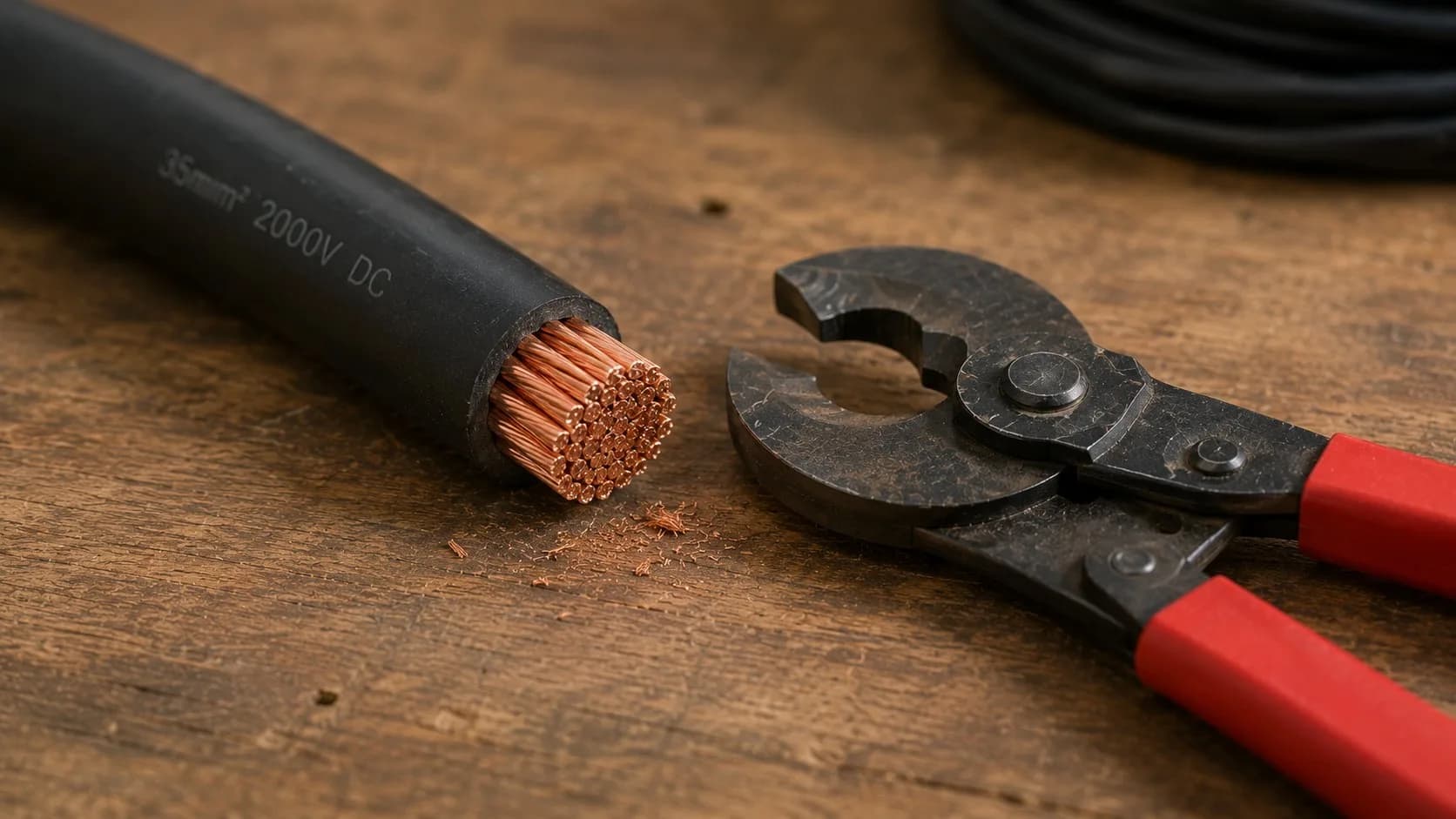
Find the minimum DC cable cross-section from current, length, and allowable voltage drop.
Read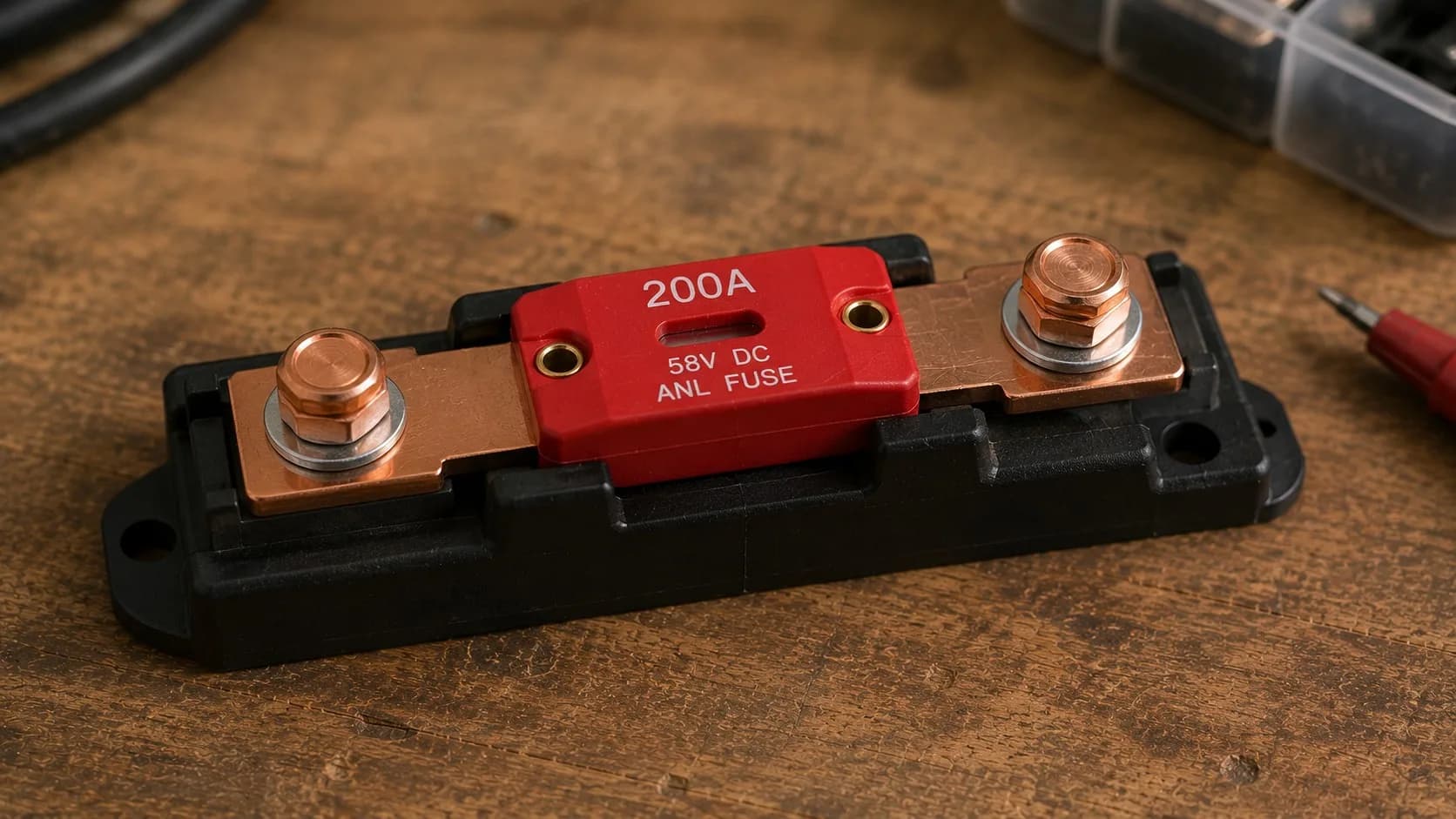
Calculate a recommended DC fuse rating from inverter power and system voltage.
Read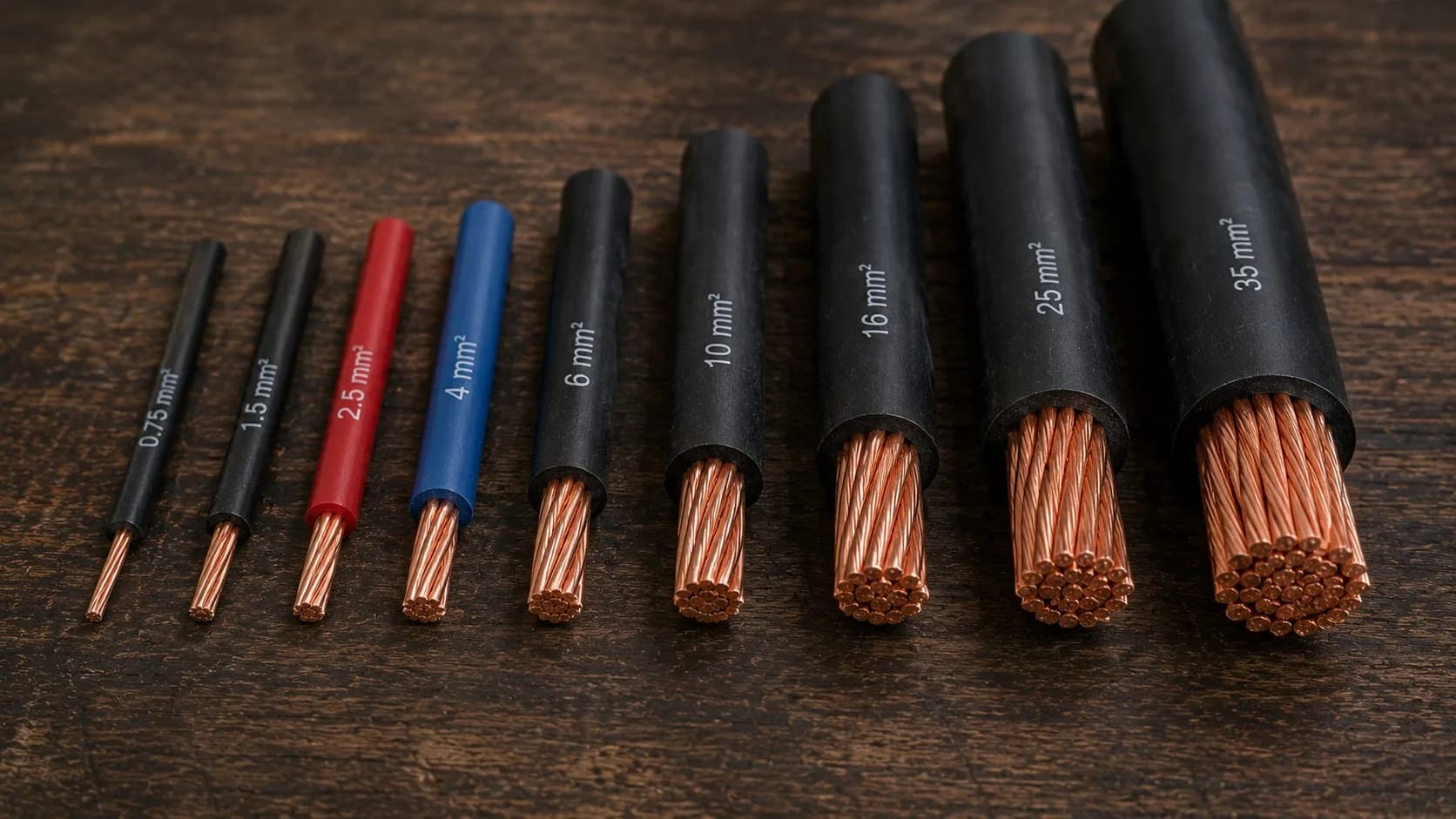
American Wire Gauge to metric cross-section reference table.
Read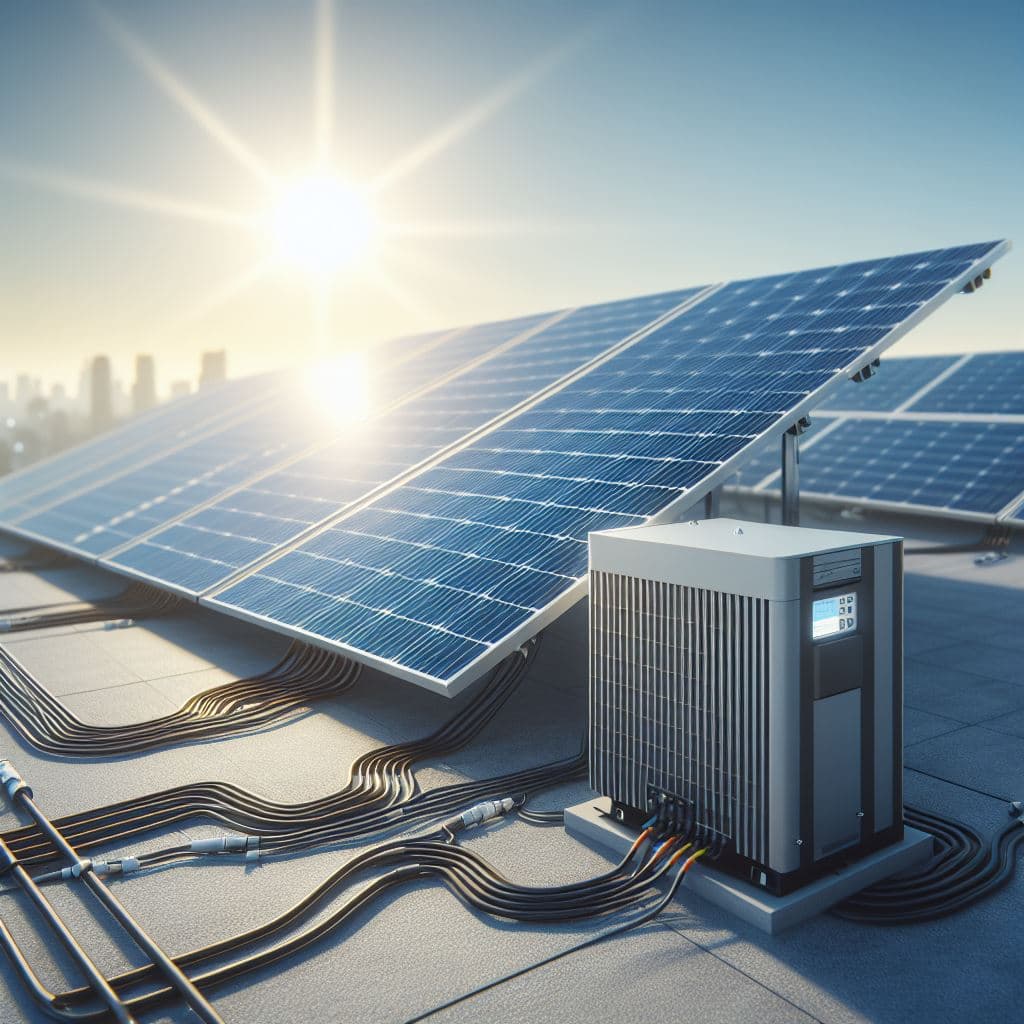
Estimate what percentage of your solar production you actually use, with and without a home battery.
Read
Years to break even on a solar + battery investment. Compares scenarios with and without Dutch saldering after 2027.
Read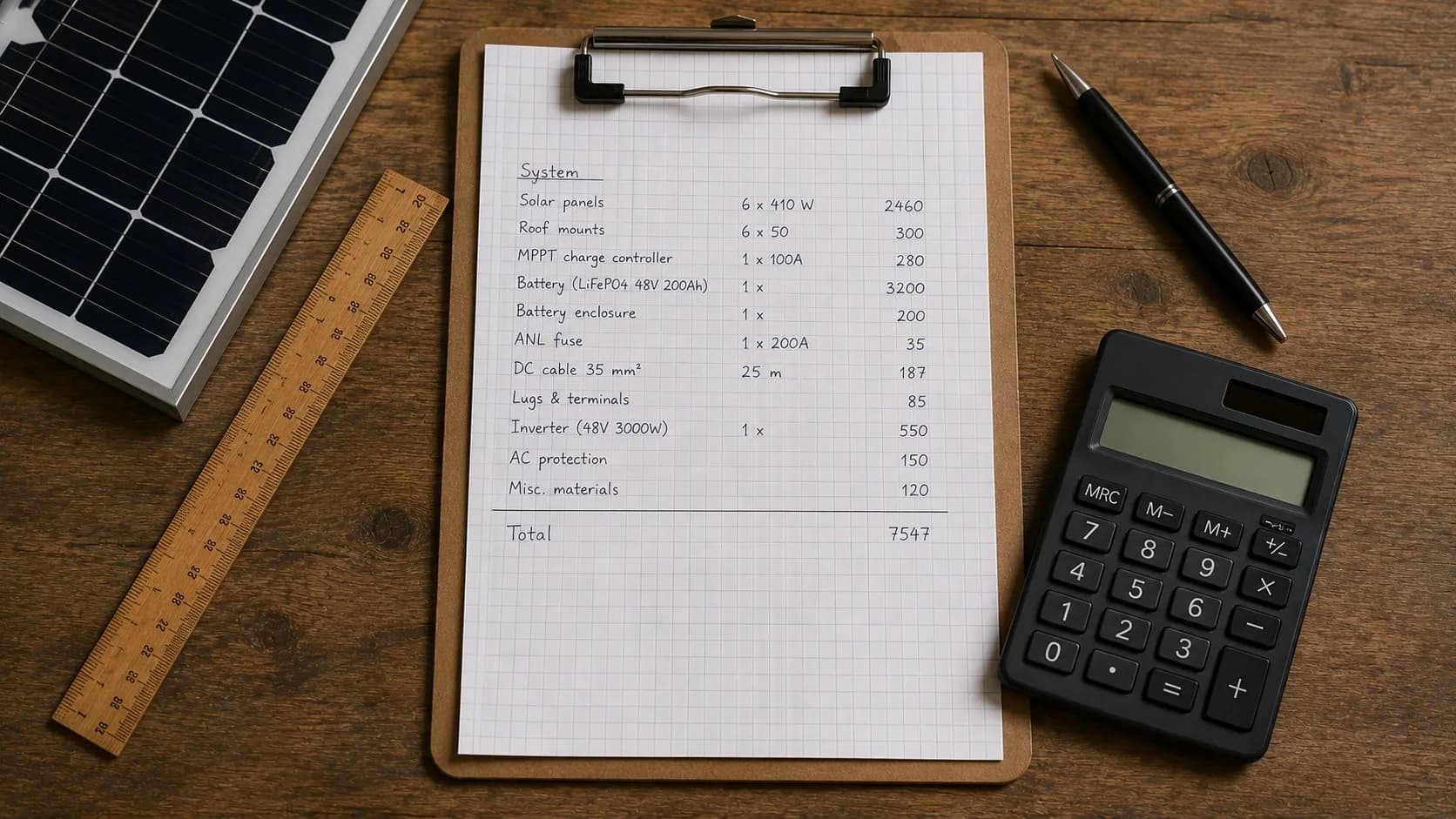
Estimate the total cost for an off-grid system across three install paths: DIY, off-shelf kit, and professional. NL/BE retail ranges.
Read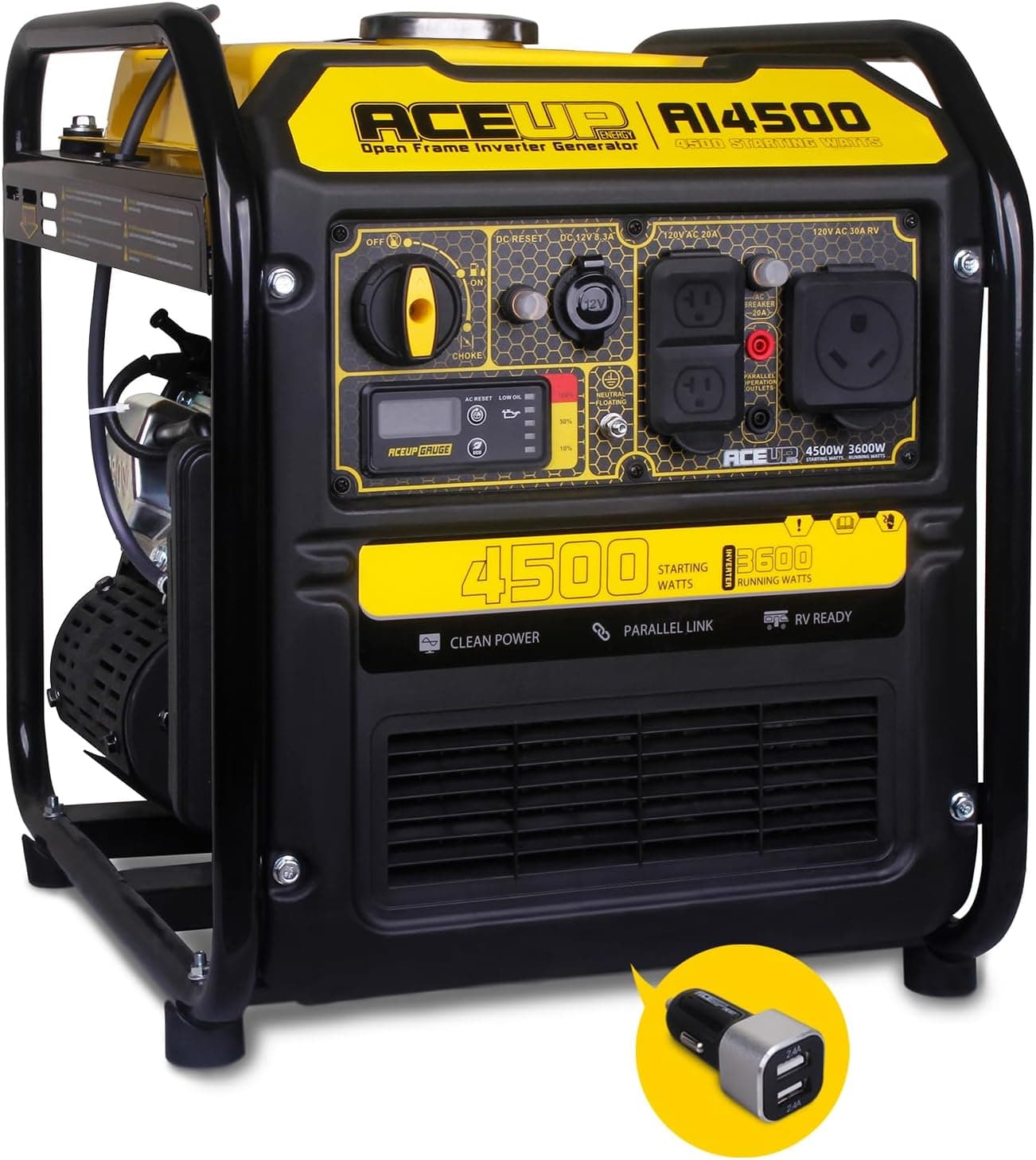
Runtime, burn rate, and cost per kWh for a backup generator on diesel, gasoline, propane, or natural gas.
ReadStay in the loop
Get an email whenever something new lands: a fresh article, a new calculator, or a major update.