
Walk outside and look up. See those wires running from the pole to your roof? They connect your house to a giant electricity machine that stretches across the whole country.
Going off-grid means cutting those wires. Or never having them in the first place.
You make your own power, on your own property, and you don't owe the power company a cent. Estimates vary, but hundreds of thousands of US households are doing it.
What You're Actually Doing
The swap is simple: instead of buying electricity from a utility, you generate it yourself. The follow-on choices are everything else.
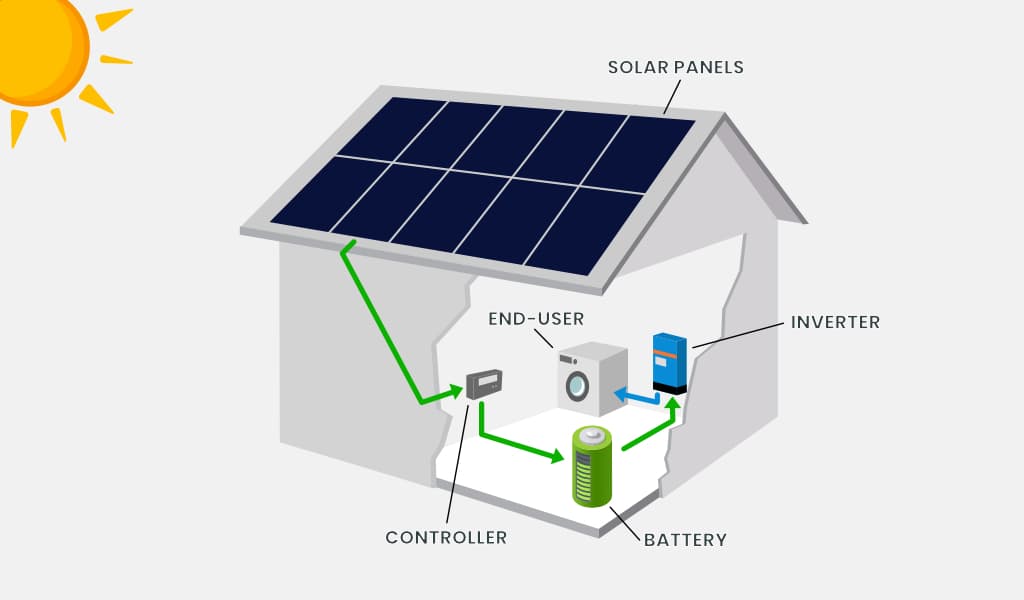
How do you make the power? Usually solar. Sometimes wind, hydro, or a mix.
Where do you store it for the night? Batteries.
What do you do when the sun doesn't shine for a week? Backup generator, more batteries, or accept the dark.
Generating Your Own Power
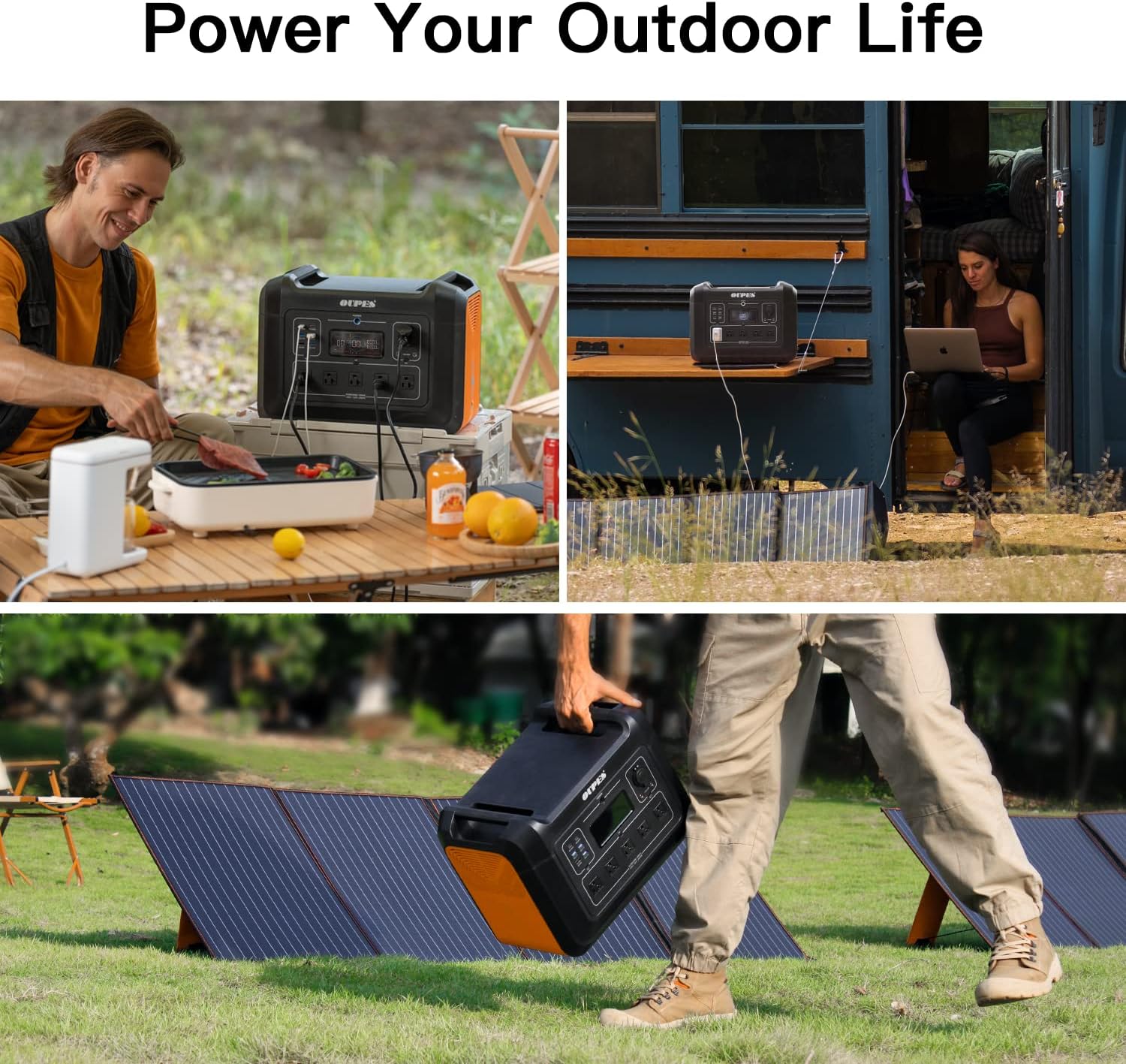
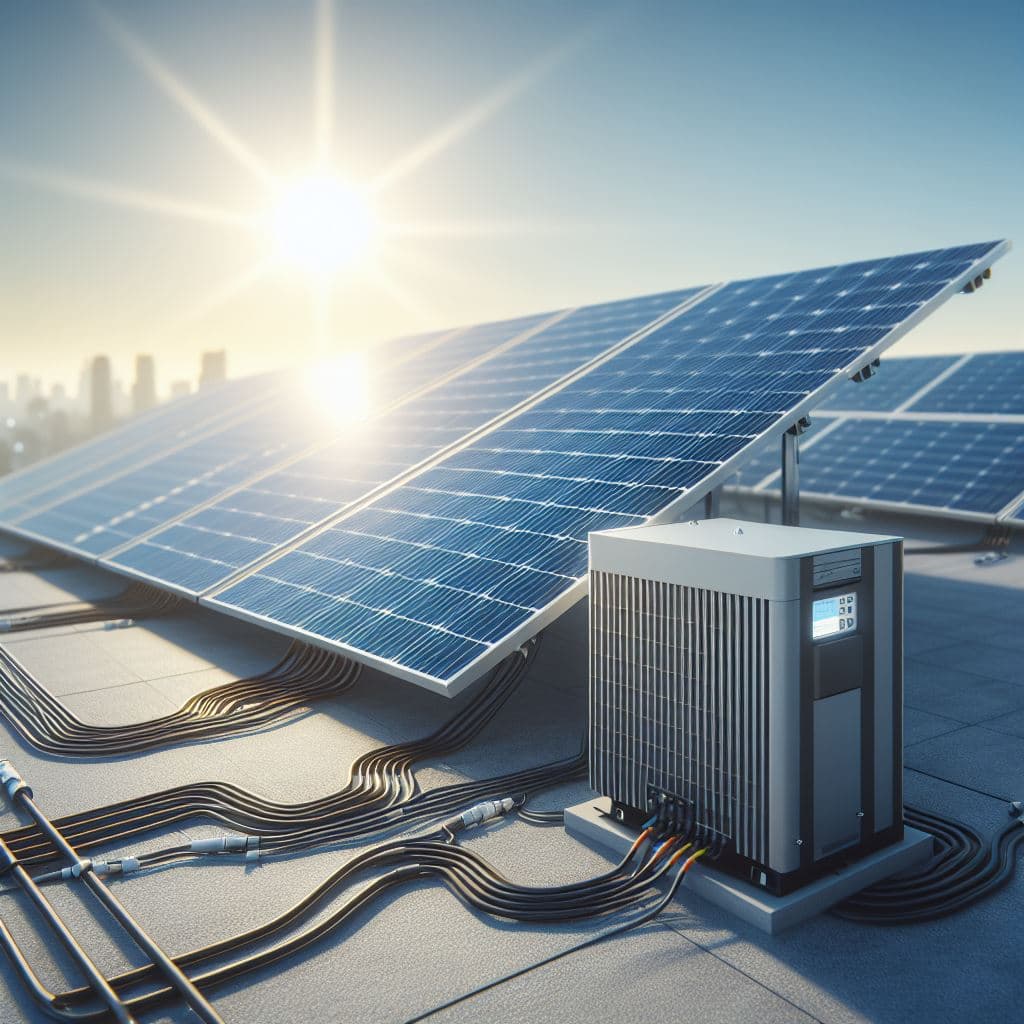
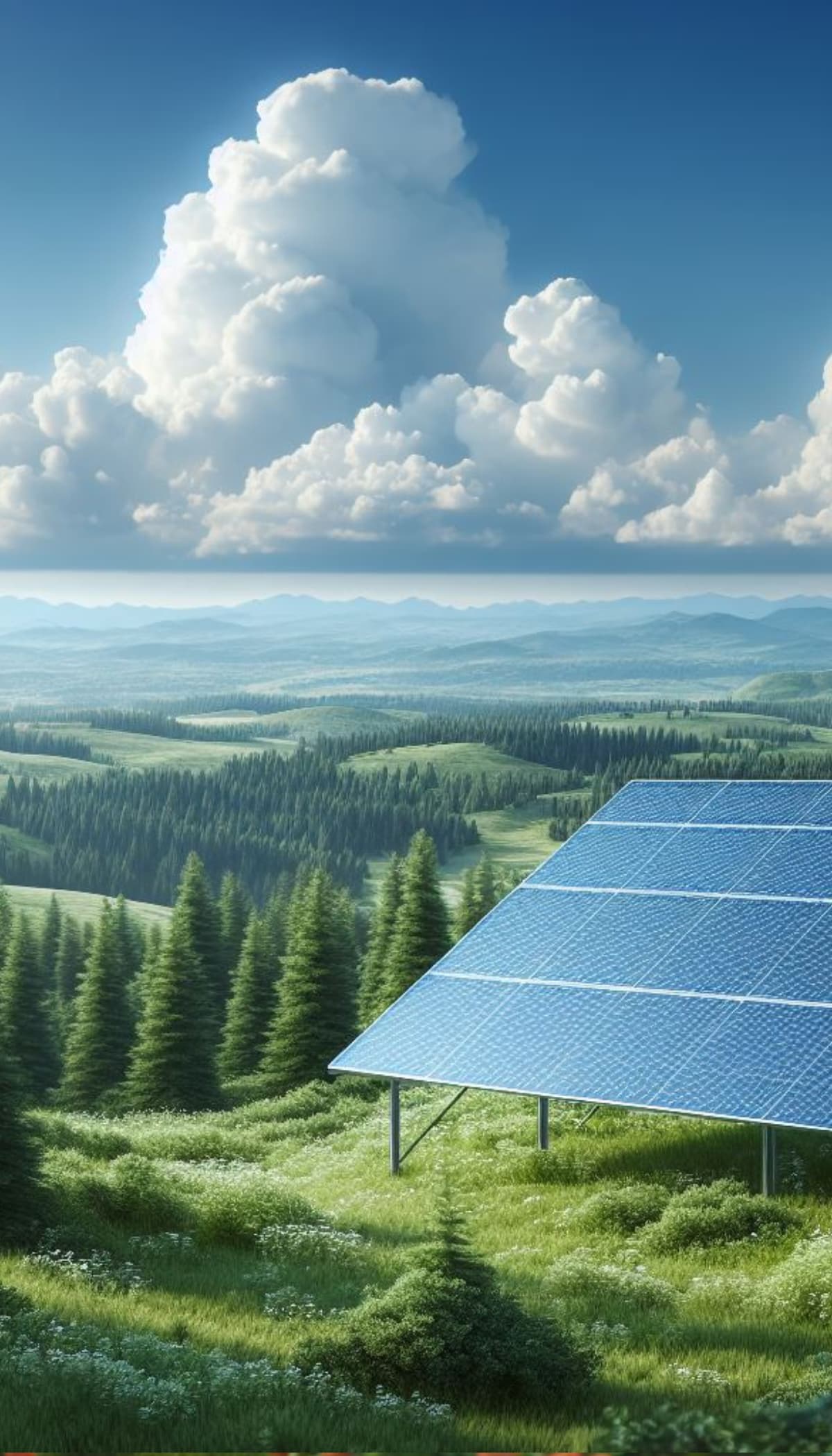
Solar is the most common path. A 6 kW system in Arizona makes about 10,000 kWh a year. A typical US household uses 11,000 kWh. So the math is close to even, before storage losses.
Wind works if you've got open land and steady wind, and a small water turbine works if you've got a stream. Most setups mix two sources for safety.
→ All the off-grid energy sources
Storing It For Later
A panel makes nothing at night. So you need batteries. They charge when the sun is up, and run your house when it isn't. The batteries are usually the biggest part of the bill. They're also the part you'll replace first.
→ How off-grid energy storage works
The Lifestyle Shift
Going off-grid usually means being more careful with power. Not in a depressing way. You start to notice things. You know which device is the secret hog. You time the dishwasher for sunny afternoons. You hang clothes outside instead of using the dryer.
People who do this don't feel deprived. They feel more in control.
What It Costs
A weekend cabin setup can be $500. A full house can be $30,000 or more. The biggest cost driver is how much power you use. Cut your usage first, then size your system.
→ How much wattage do I use every day?
→ What does going off-grid actually cost?
The Big Decision
Full off-grid, or grid-tied with backup?
Full off-grid: no wires to the utility. Full independence. Bigger system.
Grid-tied: panels on the roof but the wire to the utility stays. The grid is your backup.
→ Off-grid vs on-grid: which is right for you?
Where To Start
Don't buy anything yet. First do the boring work. Figure out your real daily use. Look up your sun hours. Read about the parts. Run the numbers twice.
Then start small. Most people who go fully off-grid did it in stages over a few years.