




What These Off-Grid Calculators Are For
Sizing an off-grid system is a chain of questions. How much power do you use, and how many solar panels make that much?
And how big a battery keeps the lights on through a cloudy week?
Each off-grid calculator here answers one of those questions, and the answer from one becomes the input for the next. So you never have to guess a battery size out of thin air.
Here's a surprise from the solar panel calculator. A home that uses 4,000 kWh a year needs 9 panels on a south roof in the Netherlands, but only 6 in southern Spain.
Same house, same panels. Where you live changes the answer more than any other box.
The Order To Use Them When Sizing An Off-Grid System
Think of it like building with lego. You start with the bottom brick, and every brick sits on the one below it.
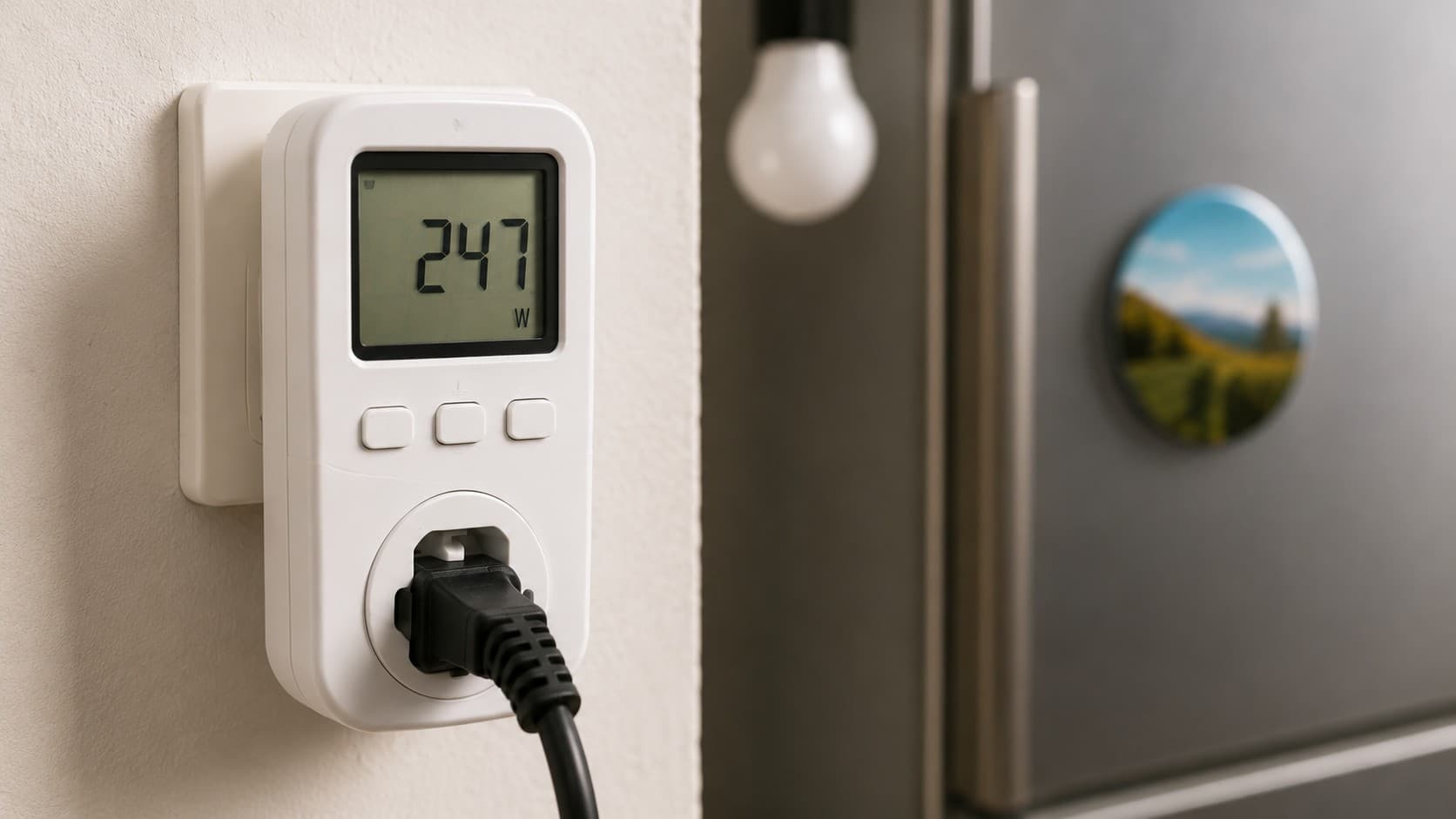
- Your energy use. The daily and yearly energy use calculator adds up the watts and hours of every device, so you know how many kWh you use per day and per year. Start here.
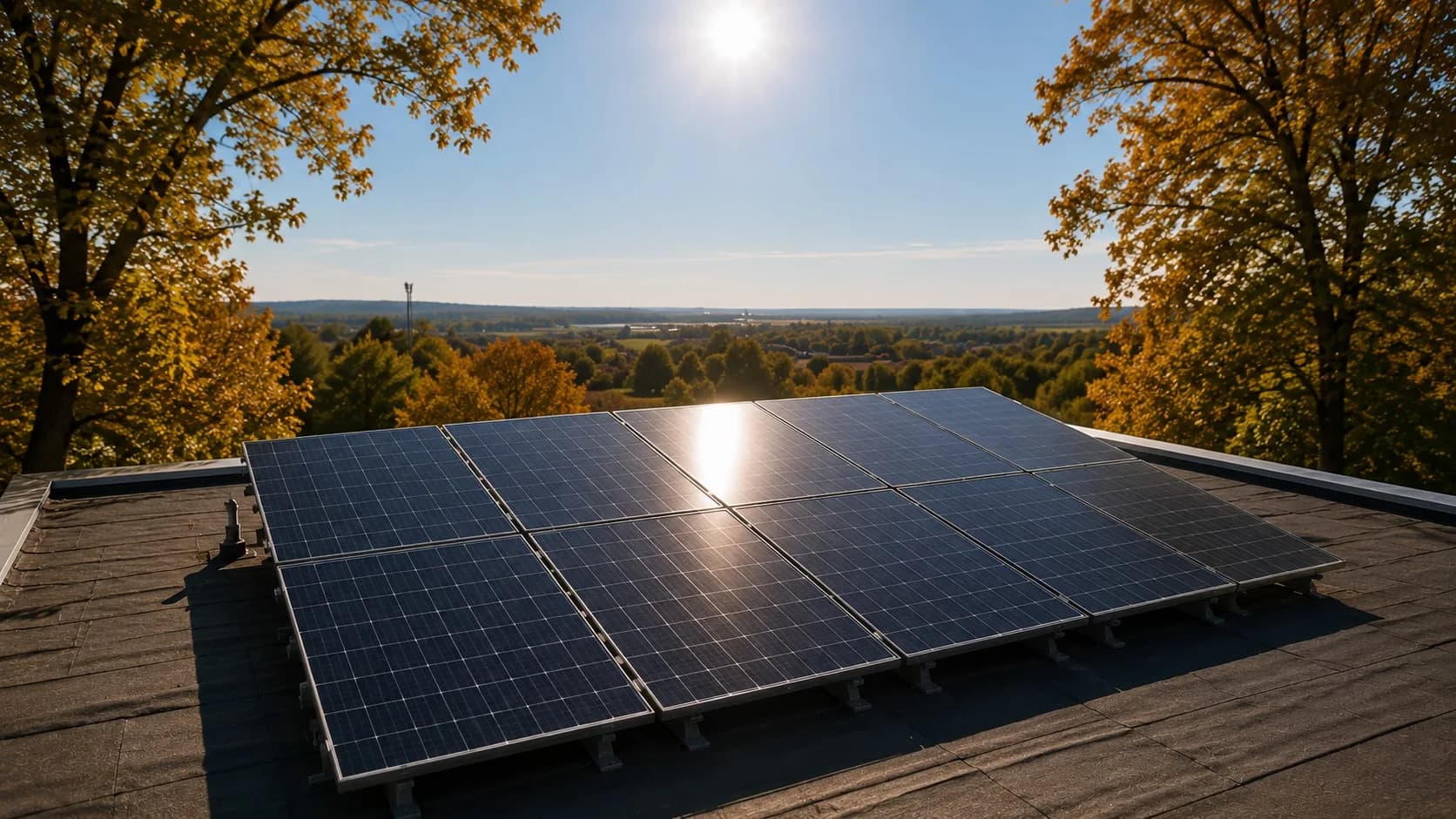
- Solar production. The yearly kWh calculator shows how much a set of panels makes where you live, using PVGIS sun data for your region.
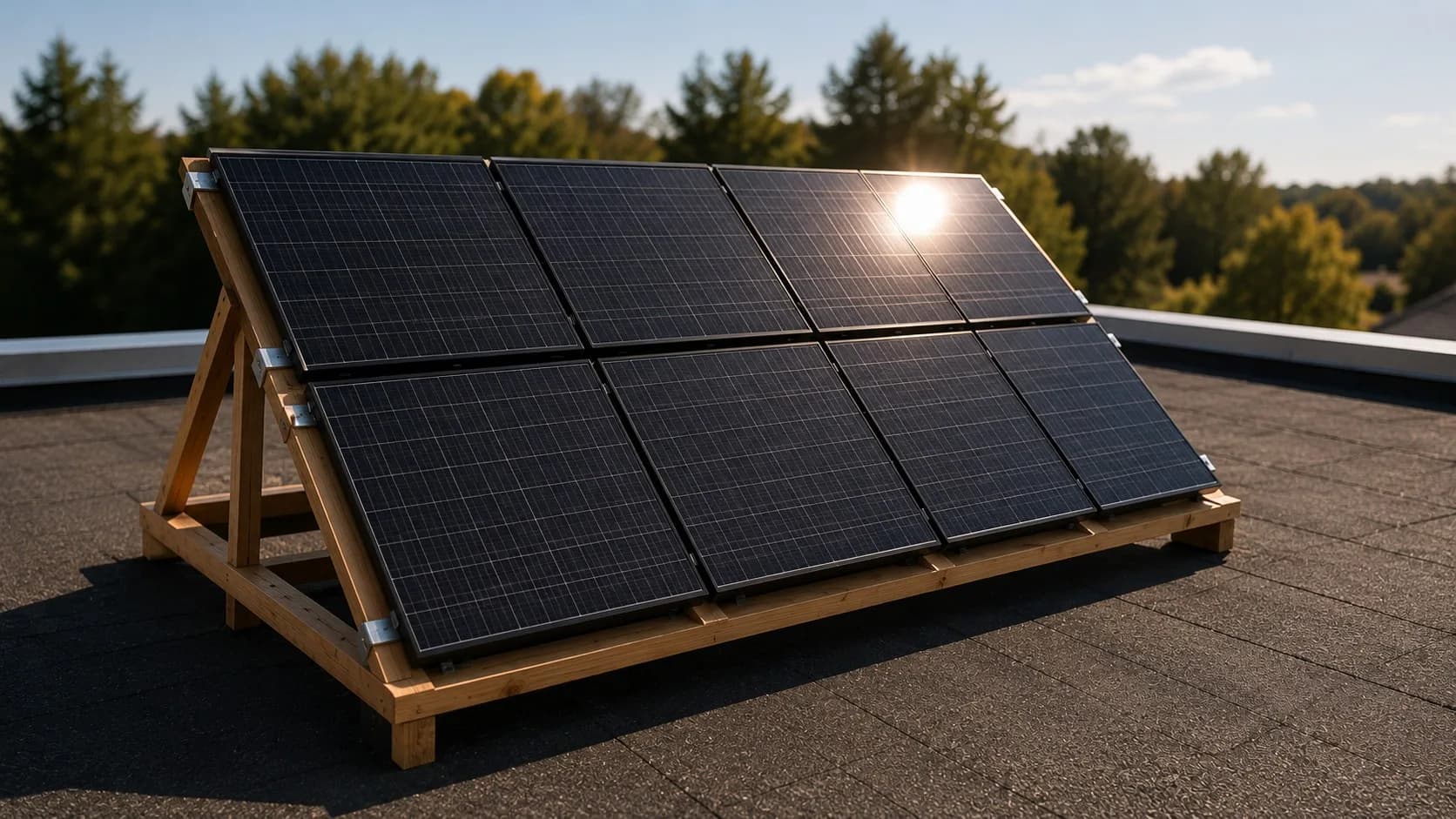
- Solar panel count. The solar panel calculator turns your yearly kWh into the number of panels you need for your roof direction.
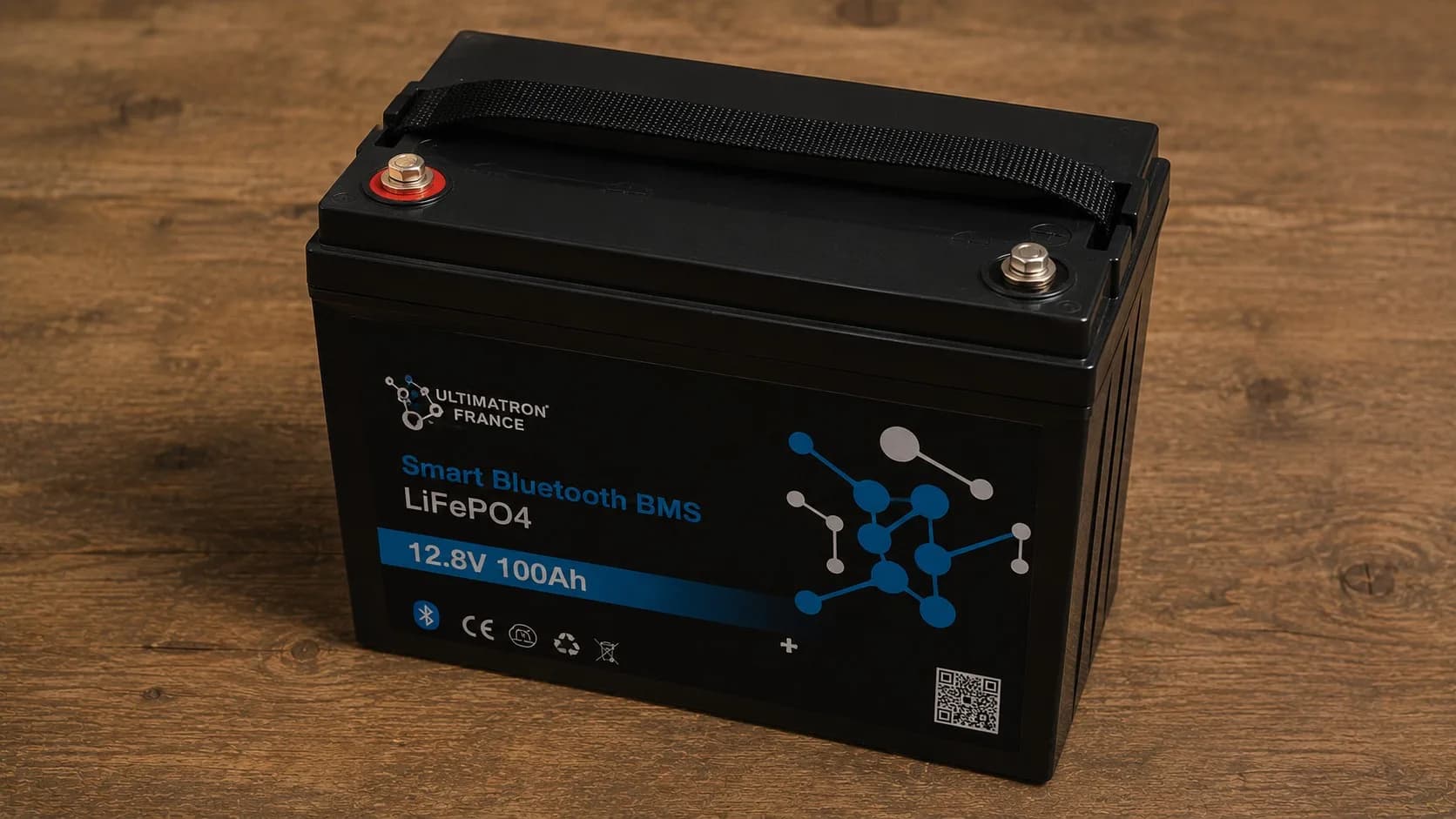
- Battery size. The battery bank size calculator tells you how many amp-hours you need to cover the days without sun.
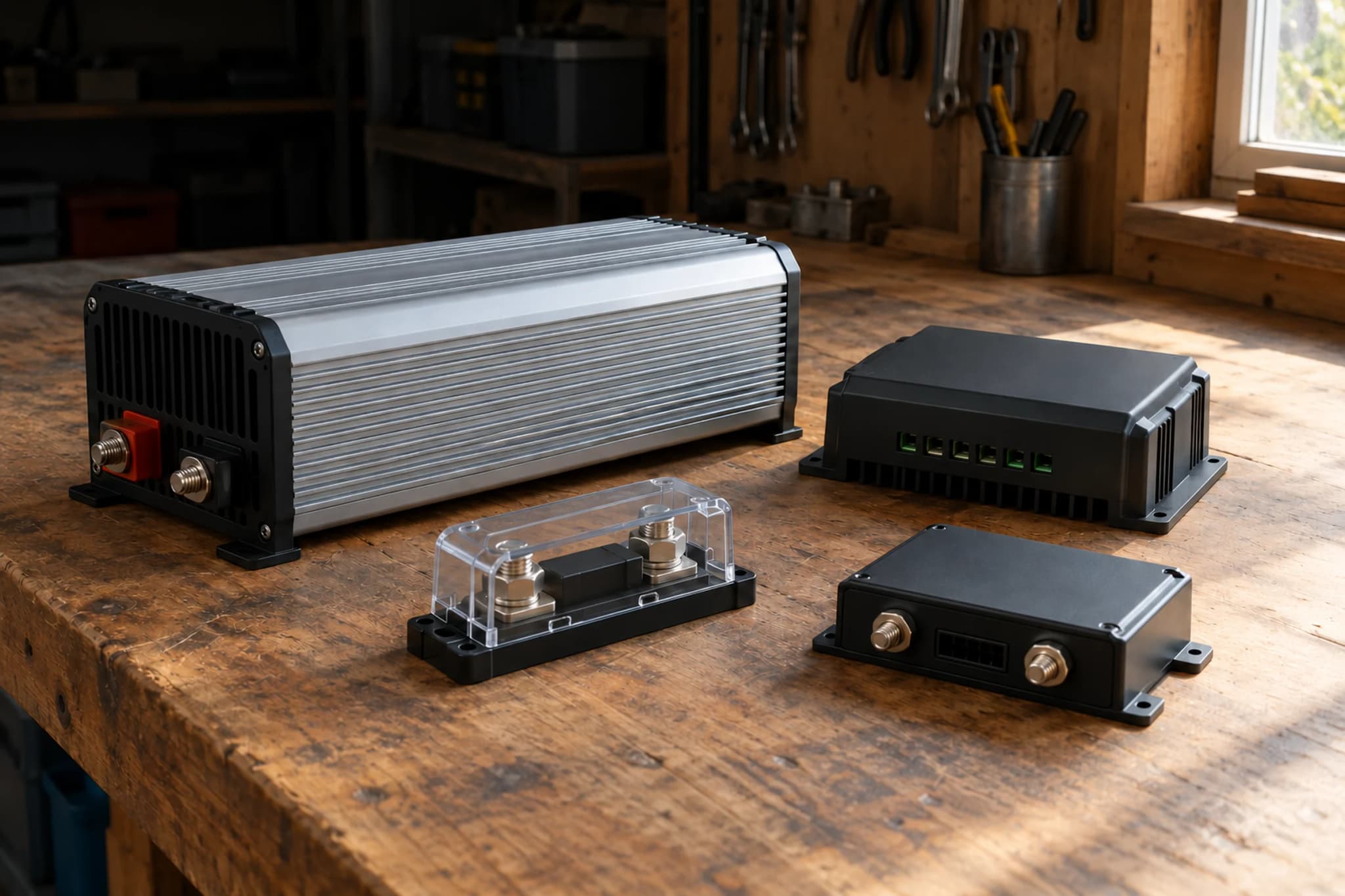
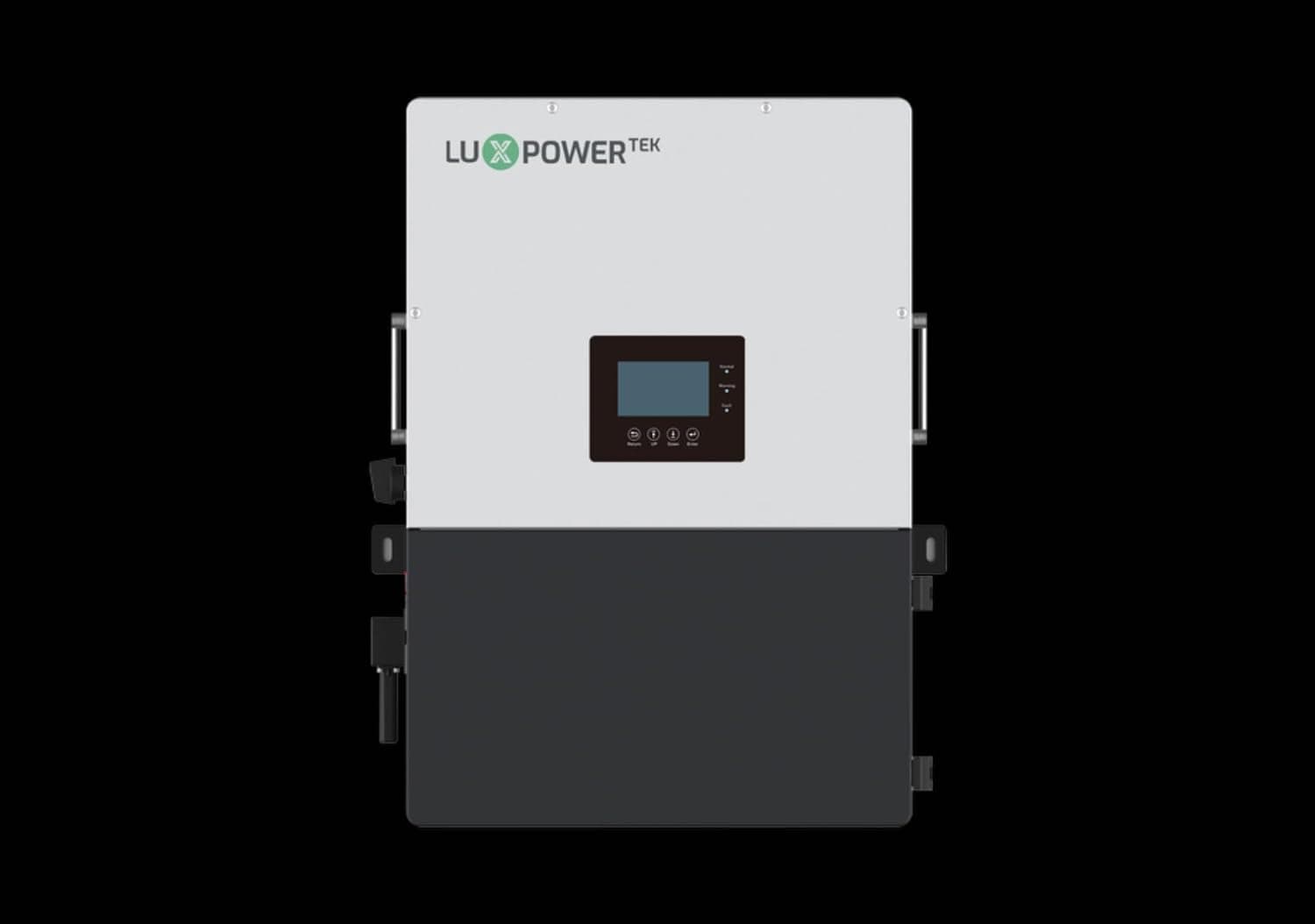
- Inverter size. An inverter is a translator box that turns battery power into the kind your sockets use. The inverter size calculator gives the watts it must run all day and the surge it must handle when something big starts up.
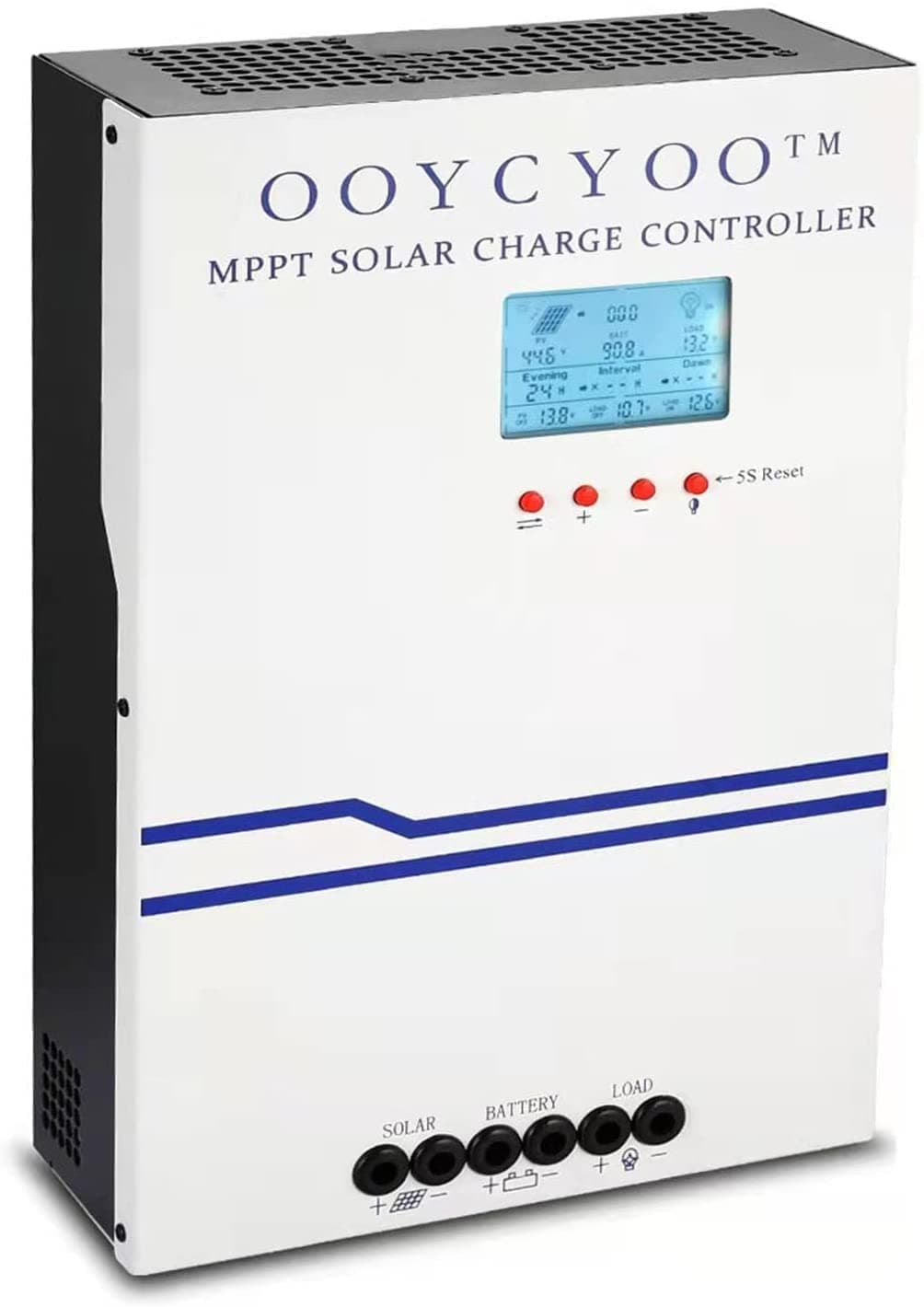
- Charge controller. The MPPT charge controller calculator checks the volts and amps your panels send, including the extra voltage they make on a freezing morning.
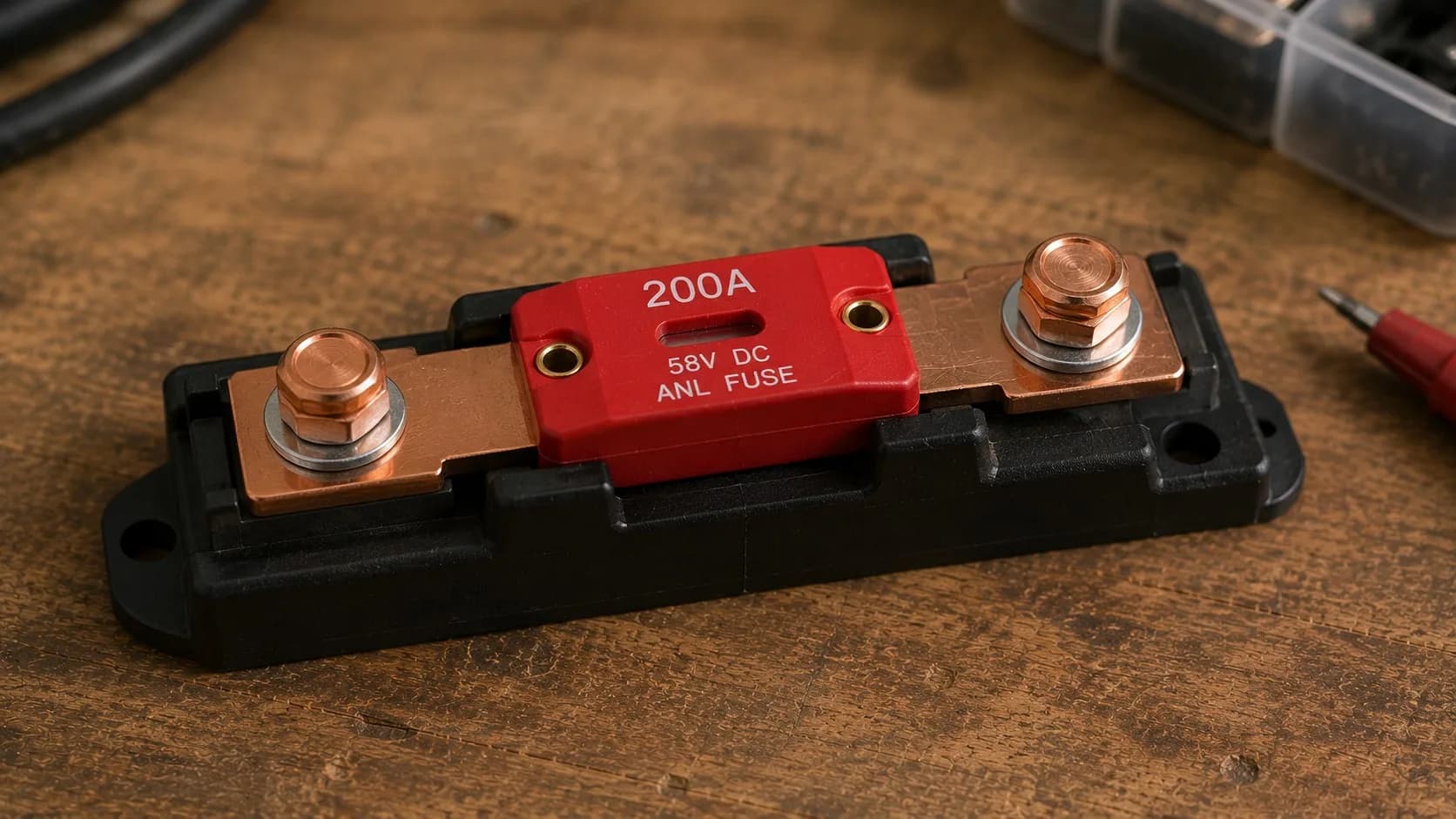
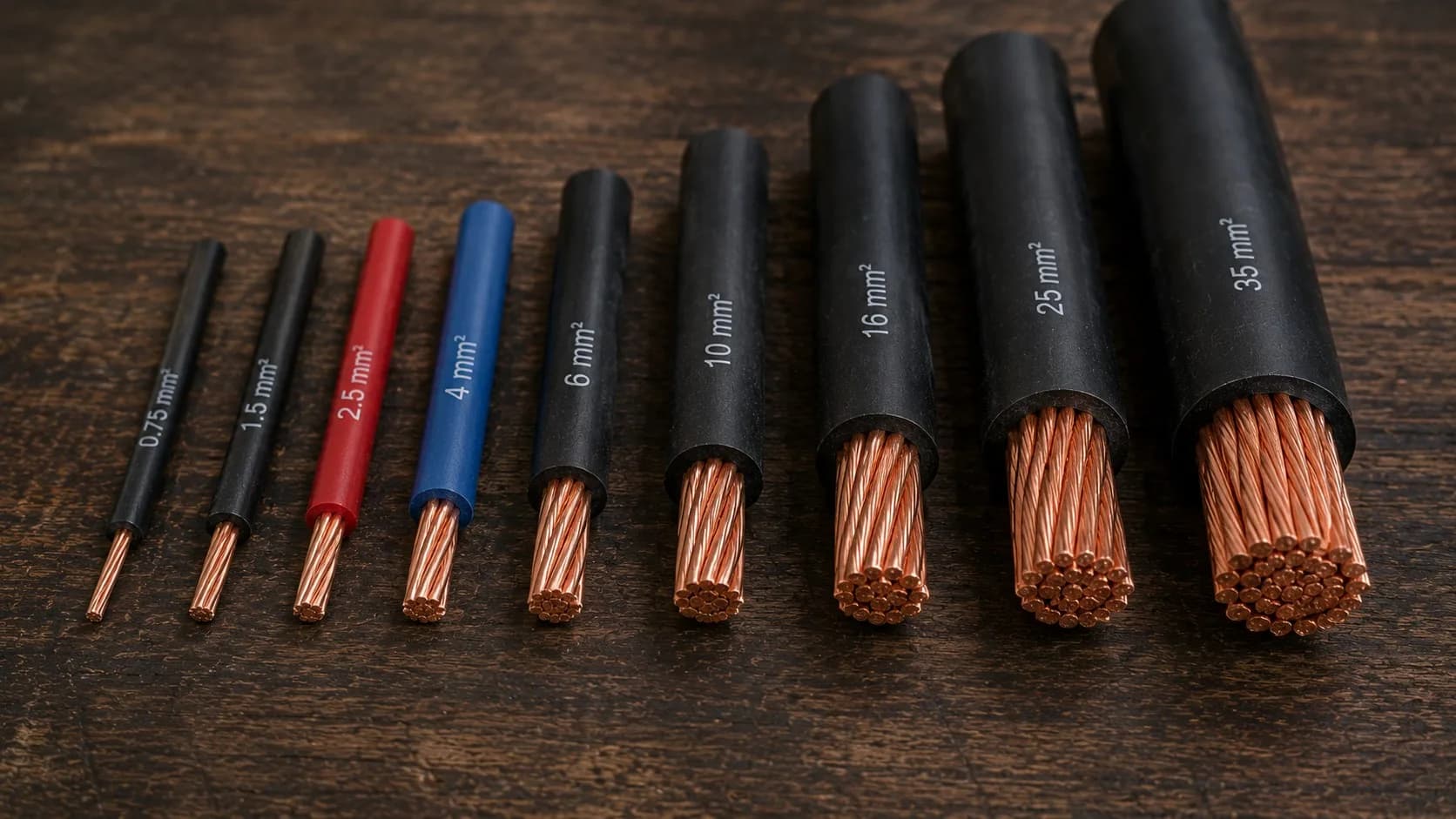
- Cables, fuses and AWG. The DC cable size calculator finds a cable thick enough to stay safe, the fuse size calculator picks the fuse that protects it, and the AWG chart converts American wire gauges to mm².
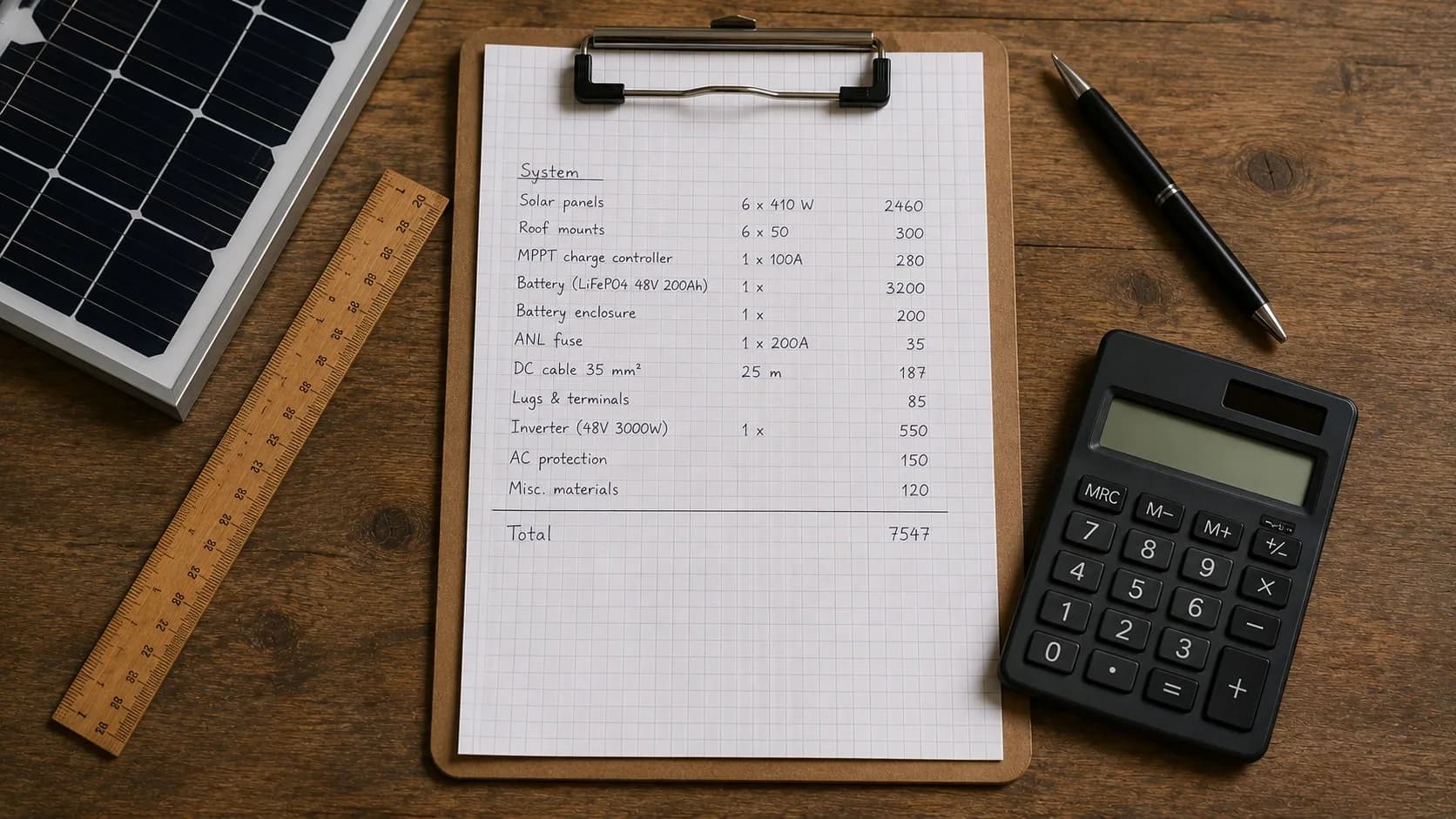
- Cost, payback and self-consumption. The system cost estimator gives price ranges for DIY, a kit or an installer. The payback calculator shows how many years until it pays for itself, and the self-consumption calculator shows how much of your own solar power you keep, with and without a battery.
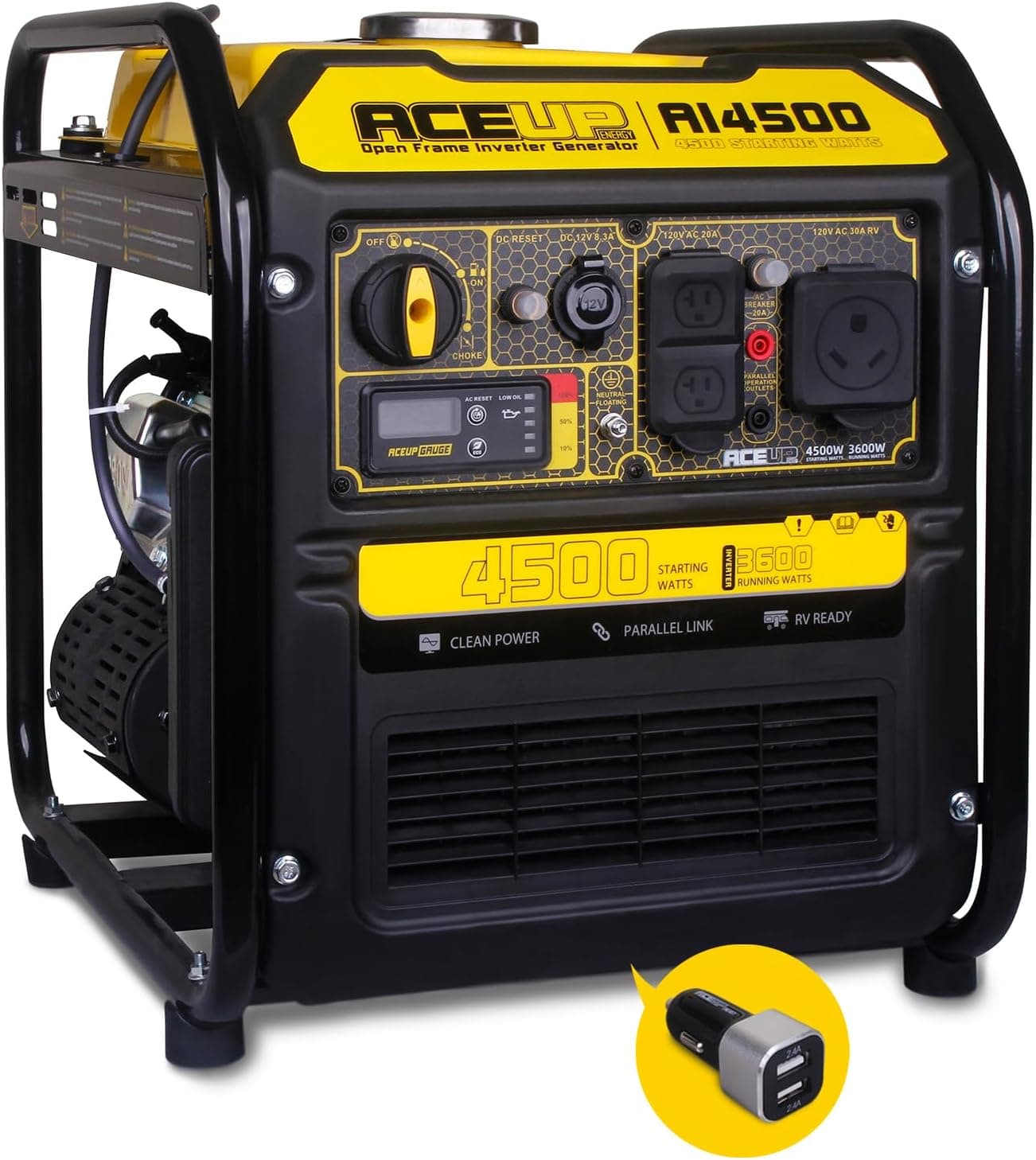
- Generator backup. The generator runtime calculator shows how long your fuel lasts and what each kWh costs on diesel, gasoline, propane or natural gas.
- Insulation. The R-value calculator shows how well a wall, roof or floor keeps heat in. A well insulated house needs less energy, so the whole chain above gets smaller.
New to all this? The solar guide explains how panels work, and the energy storage guide covers batteries, inverters and wiring.
How The Calculators Work
There's no magic and no AI guessing inside. Every calculator runs a fixed formula, so the same inputs always give the same answer.
Every input lives in the web address. That means you can bookmark a calculation, or send the link to a friend and they see exactly what you typed.
Each calculator page has a plain-words explainer under it: what the formula does, a worked example with real numbers, and what to watch out for. When a number comes from outside, like PVGIS sun data or the HTW Berlin study behind the self-consumption model, the explainer says where it came from.
What They Can't Do
These are estimates, not a design signed by an engineer. Real panels, batteries and inverters have their own datasheets, and those numbers win over any default here.
Rules also change from country to country. The cost and insulation numbers, for example, use Dutch prices and the Dutch new-build minimum.
And wiring a battery bank is serious work. Use the calculators to understand your system and ask good questions, then let a certified installer or electrician check the wiring before you switch it on.
Common Questions
What is the best order to size an off-grid solar system?
Start with your energy use in kWh per day and per year. Then work out how much solar you need, then the battery, then the inverter and charge controller. Cables and fuses come last, because their size depends on the inverter and battery voltage you picked earlier.
How do I calculate battery size for off-grid solar?
Multiply your daily watt-hours by the days you want to run without sun. Divide by the depth of discharge, the inverter efficiency and the battery voltage. For 3,090 Wh a day, 3 days, 80% depth of discharge, 90% efficiency and 48 V, that gives about 268 amp-hours.
How many solar panels do I need to go off-grid?
It depends on your yearly use, your panel watts and where you live. A home that uses 4,000 kWh a year needs about 9 panels of 435 W on a south roof in the Netherlands, and about 6 in southern Spain. On an east or west roof you need more.
Can I share or save a calculation?
Yes. Every input is stored in the web address, so you can bookmark the page or send the link to someone else. When they open it, they see the same inputs and the same result. Each calculator page also has a share button and a print button.
Are these calculators accurate enough to buy equipment?
They give a solid first estimate from fixed, tested formulas. Before you buy, check the numbers against the datasheets of the exact panels, battery and inverter you choose, and the rules where you live. Have a certified installer or electrician check any wiring before it goes live.