

The Village Without A Garbage Truck
 Illustrative image
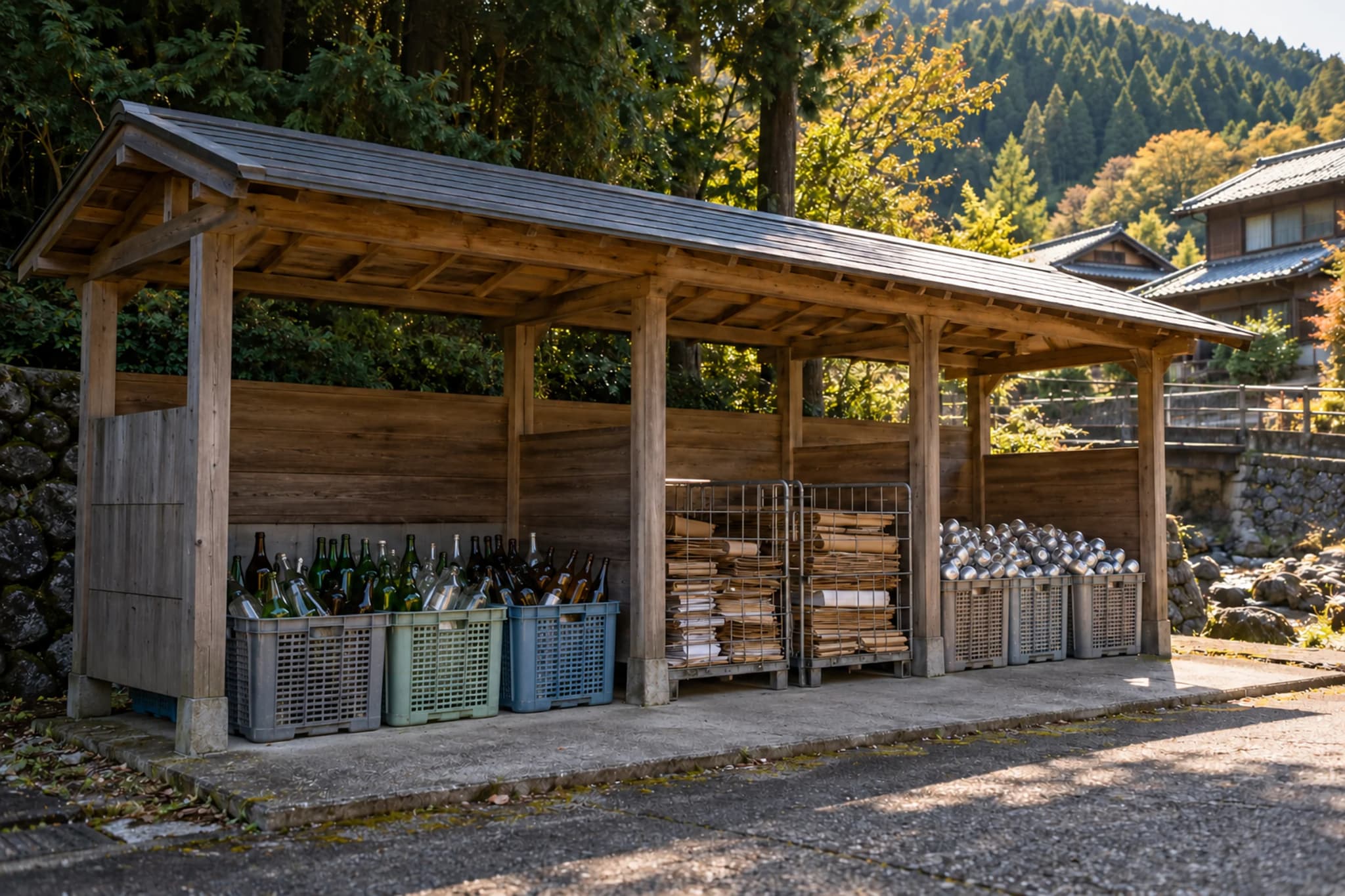
High in the forested mountains of Japan sits a small town called Kamikatsu, home to about 1,600 people. It has no garbage trucks going door to door.
Its homes are spread over 55 little hamlets on steep hills, so buying trucks would have cost far too much. Instead, the whole town does a kind of off-grid recycling: people bring their own waste to one central station and sort it themselves.
Not into two bins, or three. Into 45 different types.
In 2003, Kamikatsu became the first town in Japan to promise "zero waste". By 2016 it was recycling 81 percent of everything people threw away.
For comparison, the United States recycled and composted about 32 percent in 2018, and half of its trash went into landfills.
That's off grid garbage disposal in a nutshell. When nobody comes to take your trash away, you think very hard about what you bring home in the first place.
In this guide we'll follow the trash from the kitchen to the transfer station: what to sort, what never to burn, whether a kitchen garbage disposal works with a septic tank, and how to make less garbage to begin with. Trash is one part of off-grid waste management, next to toilets, greywater and compost.
Why Garbage Disposal Is Different Off The Grid
 Illustrative image
In town, trash feels like magic. You put the bin by the road, and the next morning it's gone.
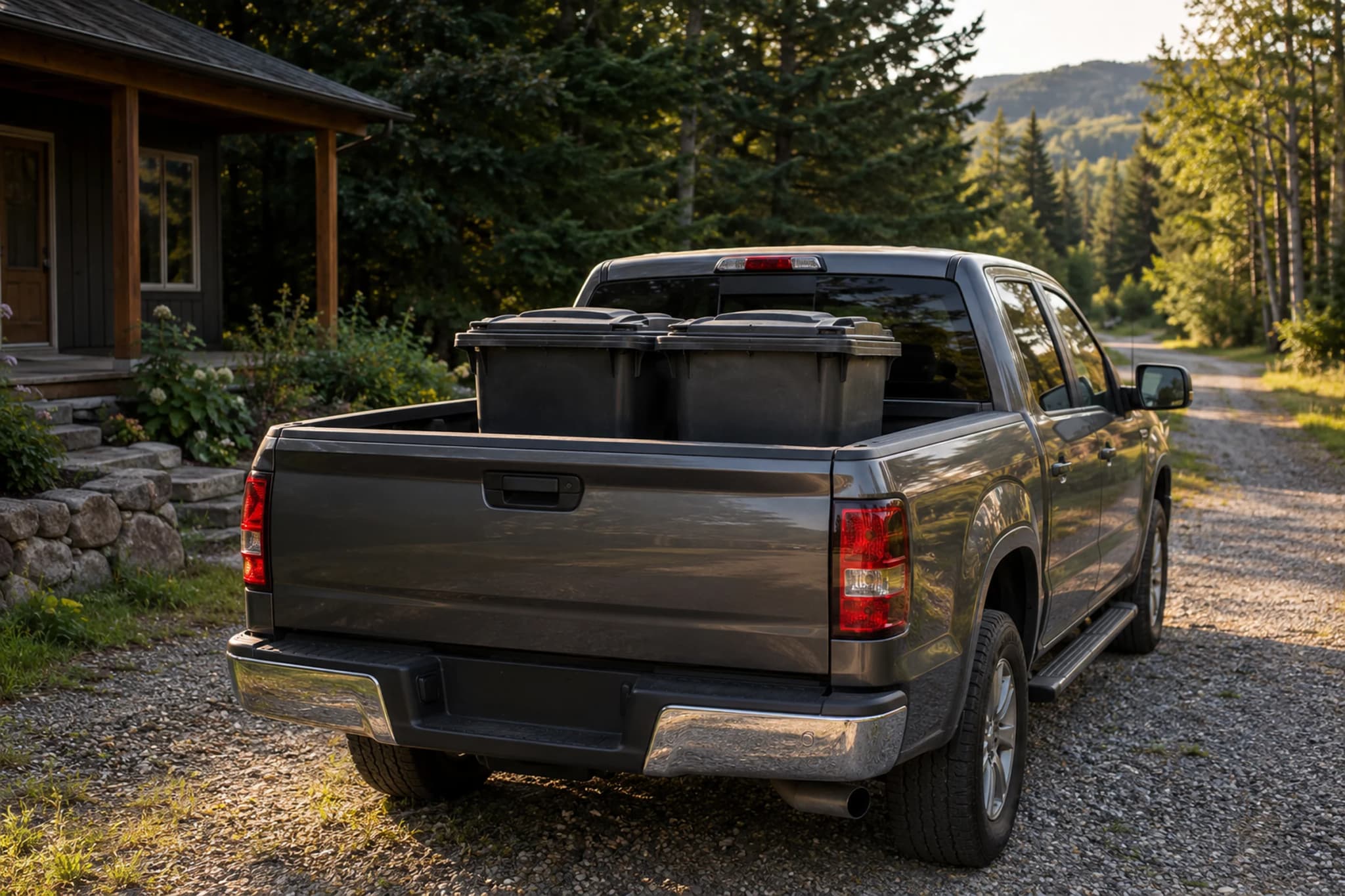
Off the grid, it doesn't vanish. You keep it, sort it and drive it somewhere yourself, often to a "transfer station". That's just a collection yard where trash and recycling get loaded onto big trucks.
Counting homes and businesses, the US throws away about 2.2 kilograms (4.9 pounds) of trash per person every day. Over a year, for a family of four, that's more than three tonnes, about as heavy as two family cars.
Hauling that on a bumpy road gets old fast, and so does storing it, because smelly bags bring flies, rats and bears. For a one-off job, like clearing an old property, some people rent a roll-off bin, a big open-top container a truck drops off and picks up full.
Why Burning Trash Hurts Your Health And The Environment
Some people try to solve the pile with a burn barrel. That's an old metal drum where trash gets burned in the backyard.
It's one of the worst choices you can make for your health and the environment. The EPA has called backyard trash burning the largest known source of dioxins in the US. Dioxins are poisons that form when trash burns slowly at low heat, and even tiny amounts are linked to cancer and other health problems.
The smoke settles on gardens, and the poison ends up in food. Many places ban burning trash for this reason, so check your local rules. The proper route is the slow one: sort it, store it and haul it.
Reduce, Reuse, Recycle: Why The Order Matters For Waste Reduction
 Illustrative image
You've probably heard "reduce, reuse, recycle". The order isn't random.
The EPA ranks ways of dealing with waste from best to worst. At the top is making less waste in the first place, and reusing what you have. Recycling and composting come second, while burning and burying come last.
Think of it like a leaky bucket. Recycling is mopping the floor, but reducing is fixing the hole.
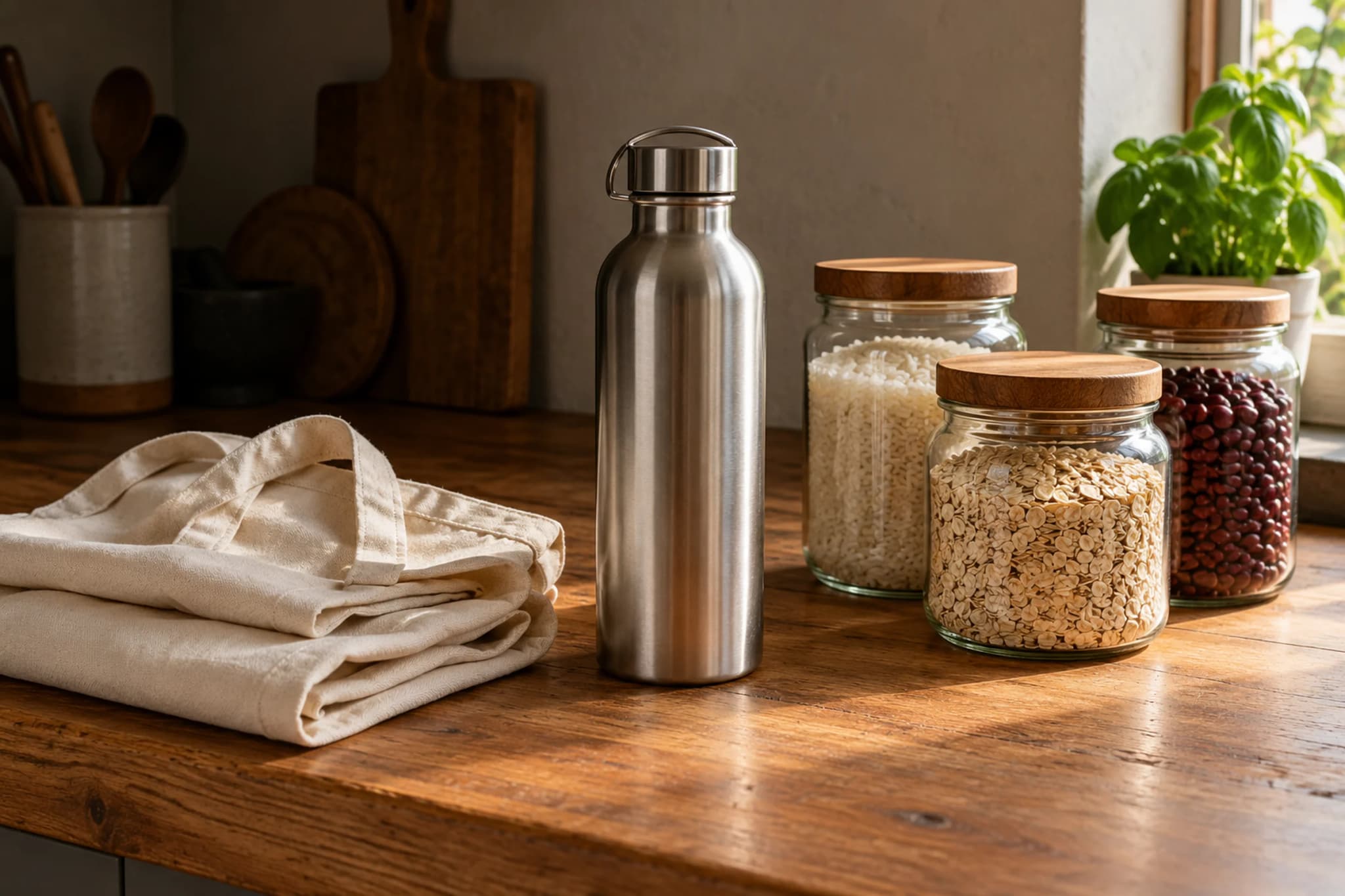
So off-gridders often begin at the store, not the bin. Buying rice, oats and beans in big sacks means one bag instead of twenty little boxes.
A metal water bottle or a cloth shopping bag gets used hundreds of times, while a disposable one is used once.
Reuse: Giving Stuff A Second Job
 Illustrative image
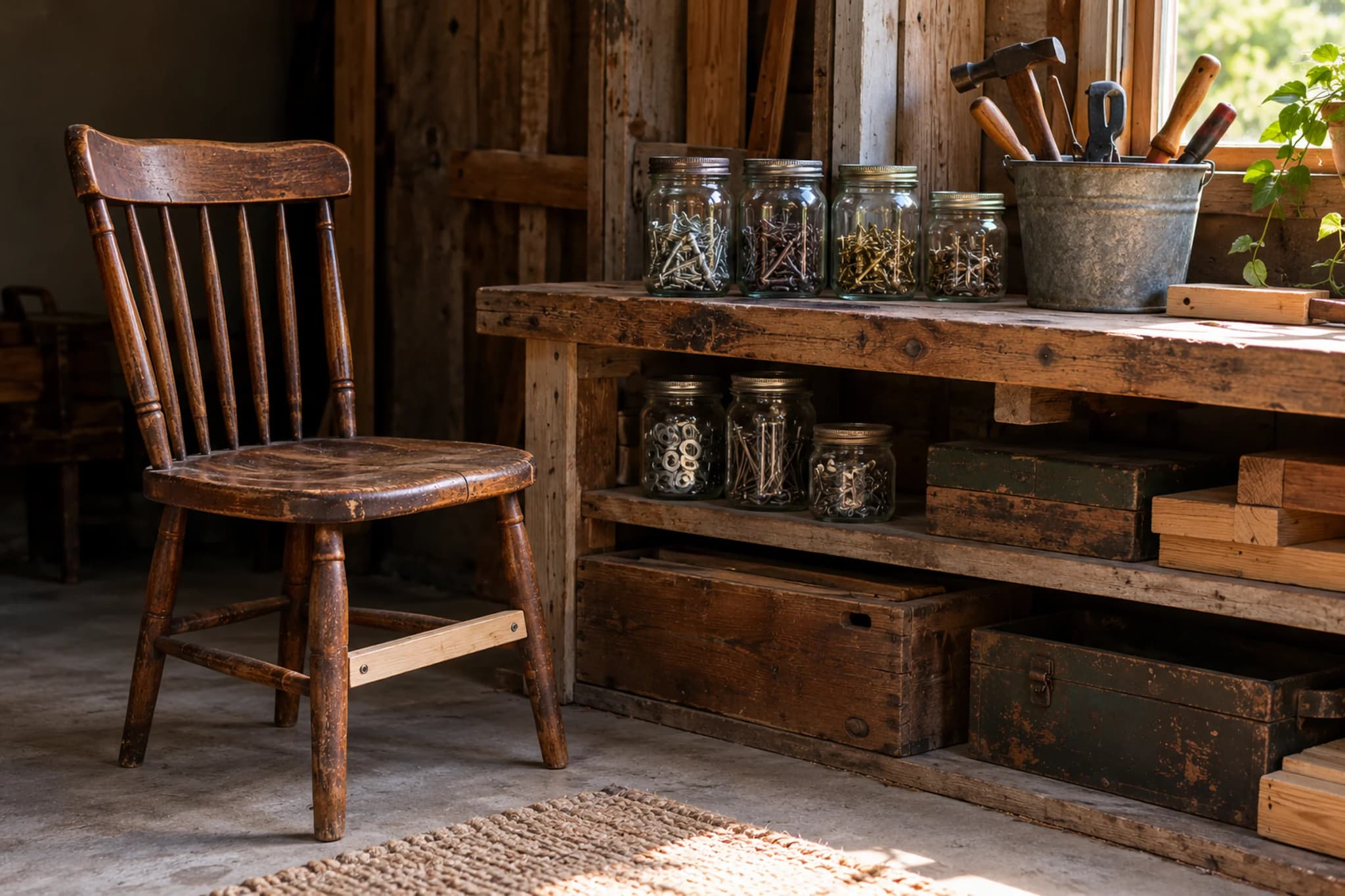
Off-grid homes are full of things on their second or third life. A glass jar becomes a container for screws, then a cup for seedlings, then a jar for dry rice or beans.
One exception: home canning. Jars heated in a canner should be real canning jars with a new flat lid every time. The US National Center for Home Food Preservation says store-bought mayonnaise-type jars break and fail to seal more often, and should never go in a pressure canner. So reuse shop jars for storage and crafts, and buy canning jars for preserving.
Buckets carry feed and catch rainwater, and wooden pallets turn into fences and compost bins.
Repair counts as reuse too. A fixed chair or a new handle on an old shovel means one less thing to haul away.
Water can be reused as well. Shower and laundry water can go to the garden through a greywater system instead of straight down the drain.
The trick is to keep reuse tidy. A shed stuffed with "might be useful one day" junk is still a trash pile, just one with a roof on it.
Off-Grid Recycling: Sort, Store And Keep It Out Of The Landfill
 Illustrative image
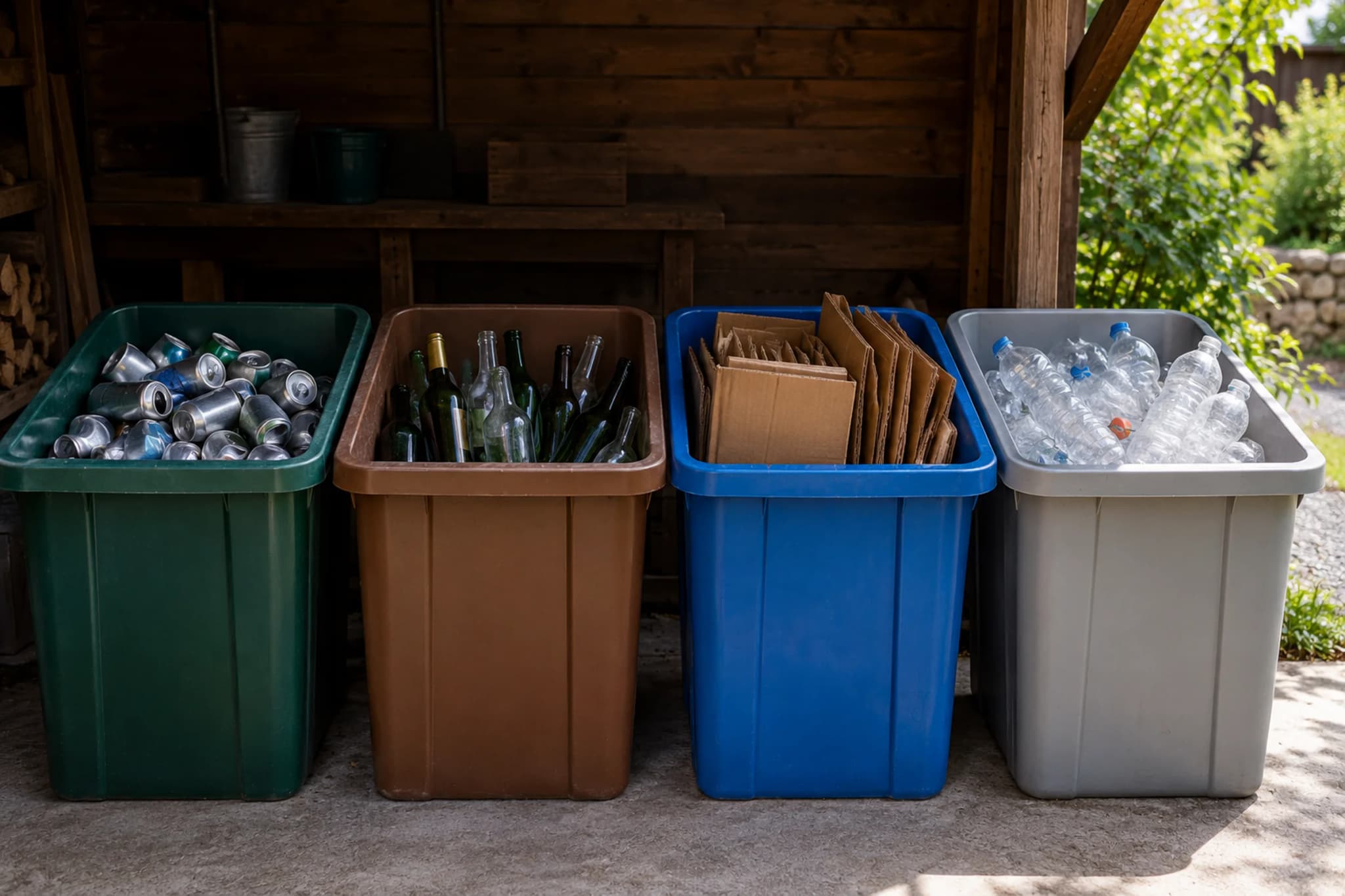
Recycling off the grid is mostly about getting organised at home. Many people keep a small sorting station with separate bins for metal, glass, paper and plastic.
Rinse containers right away, before they go in. A clean can won't smell or attract animals while it waits weeks for the next trip to town.
Aluminium is the star. Melting down an old can to make a new one takes up to 95 percent less energy than making aluminium from fresh rock, which is why cans are so valuable.
Plastic is the disappointing one. In 2018, the US recycled only about 8.7 percent of its plastic, and bottles did better at around 29 percent. So off-gridders often skip buying plastic when they can.
Rules about what goes in which bin change from place to place, so ask your local transfer station for their list.
Then there's food. Kitchen scraps are heavy, wet and smelly, but they don't need hauling at all. Turn them into soil with home composting, and the trash you carry gets much lighter.
It helps the air too. Food buried in landfills rots without oxygen and gives off methane, a powerful greenhouse gas, and the EPA estimates landfilled food makes about 58 percent of the methane that escapes from US landfills.
Can A Kitchen Garbage Disposal Work Off The Grid?
You can, but most off-gridders are better off without one. If your home runs on a septic system, the EPA says to limit or skip the garbage disposal, because the ground-up food makes the tank fill with sludge faster.
A kitchen garbage disposal is the grinder under some sinks. You run water, flip a switch, and a spinning plate smashes food scraps against a ring until they're small enough to wash down the drain.
What It Does To A Septic Tank
In town that mush goes to a sewage plant. Off the grid it goes into your own tank, where it sinks and piles up as sludge. The University of Nebraska says heavy disposal use makes more solids, and professionals estimate a tank may then need pumping twice as often.
So the disposal doesn't really get rid of food waste. It just moves the pile from the kitchen trash bag to the bottom of your tank.
Some disposals are designed and sold for septic homes. They still send solids to the tank, so the EPA advice stays the same: use it lightly, if at all.
Grinding Power And Water Usage
Power is the smaller worry. InSinkErator, the best-known brand, sells home models with motors from a third of a horsepower up to one horsepower. That's roughly 250 to 750 watts, and it only runs for short bursts, so make sure your inverter is big enough for the motor.
Water is the other cost. InSinkErator says to run a steady stream of cold water while it grinds, and off the grid every one of those gallons comes from your own well or rain tank.
Choosing a compost bucket by the sink is the cheap, low-impact option. The scraps feed your garden, not your tank, and no water goes down the drain to move them.
The Tricky Stuff To Avoid Binning: Batteries, Oil And Chemicals
 Illustrative image
Some waste can't go in the trash or the recycling bin. It needs special handling, because it can cause fires or poison soil and water.
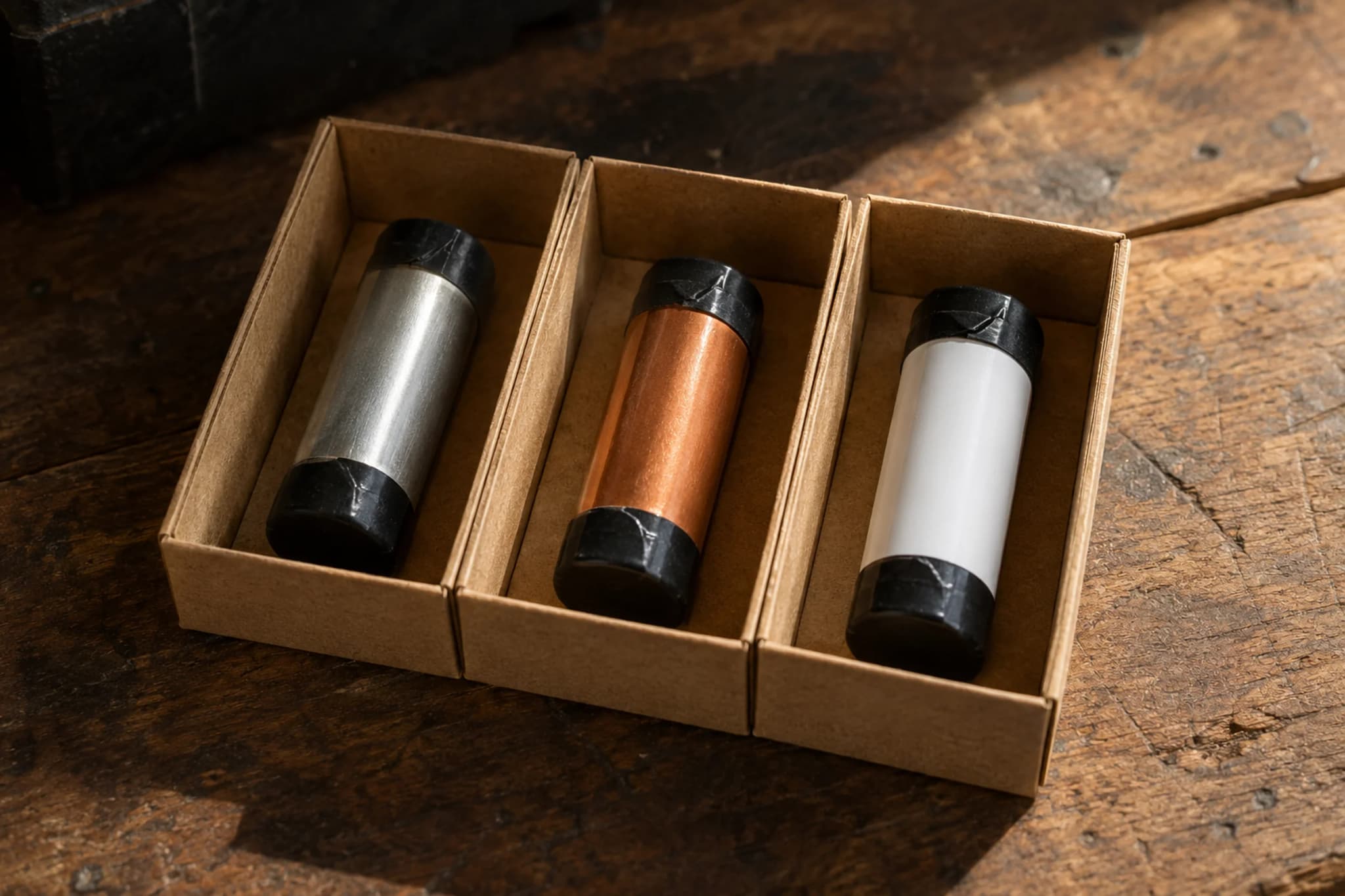
Lithium batteries are the big one. They're in phones, tools, laptops and many solar battery banks.
The EPA says they should never go in household trash or recycling bins. A crushed battery in a garbage truck can catch fire, and these fires have broken out in trucks and recycling plants.
Instead, tape over the metal ends and take them to a battery collection point or a household hazardous waste drop-off. Many electronics shops take them back too.
Old lead-acid batteries, used motor oil, paint and garden chemicals need the same care. Most areas have a drop-off day or a special yard for them.
Off-gridders tend to have more of this stuff, with generators, battery banks and tractors. A sealed box in the shed keeps it safe until the next drop-off day.
Is A Low-Waste Off-Grid Life Realistic?
 Illustrative image
Getting to zero is really hard. Even Kamikatsu, with all its sorting, missed its goal of being completely waste-free by 2020.
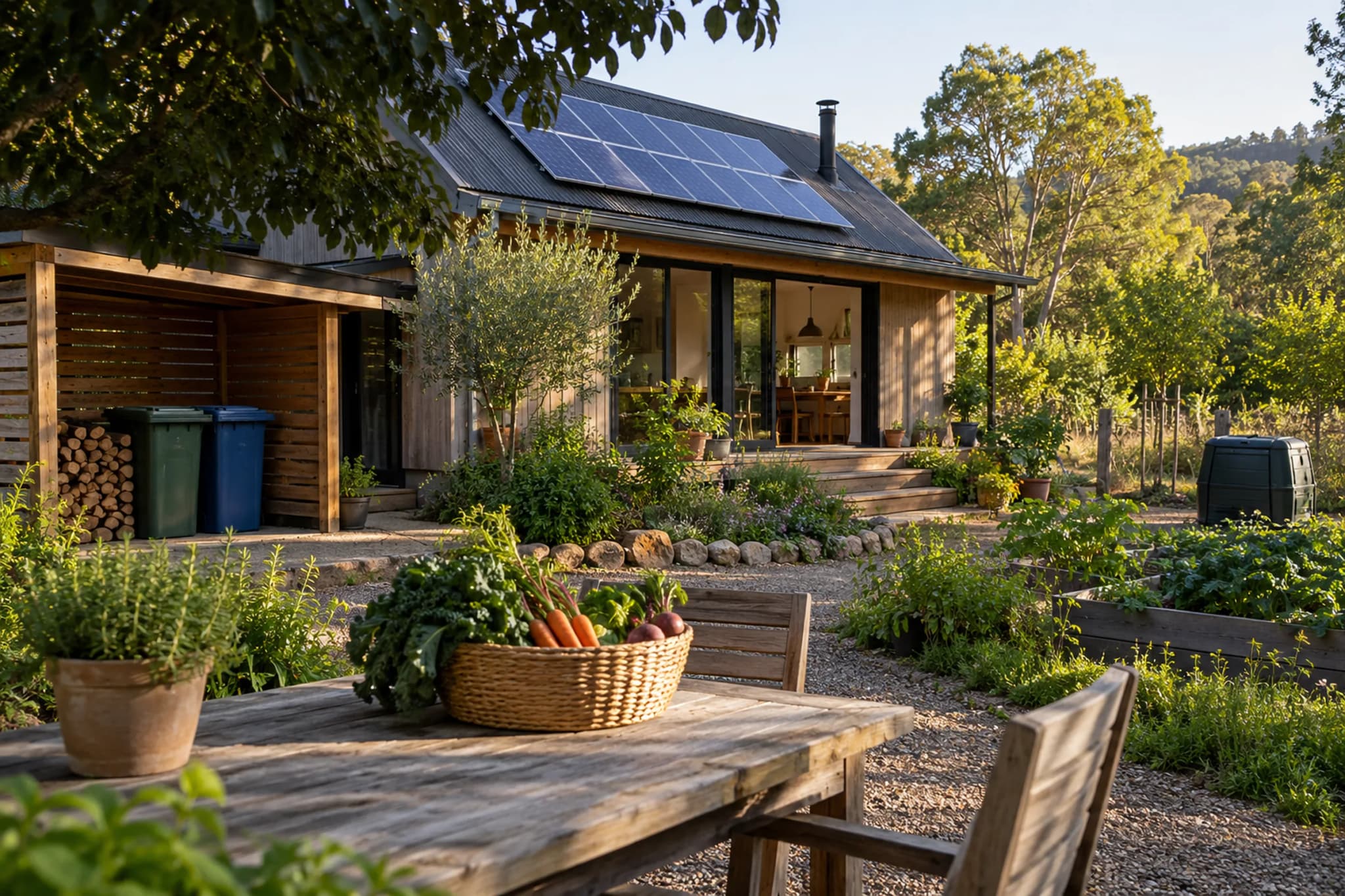
But getting much closer is very doable. Compost the food, buy in bulk, reuse what you can and recycle the metals, and the pile left over shrinks to a few bags.
It does take habits, like sorting, rinsing and planning trips to town. The payoff is fewer smelly bags and fewer runs to the dump.
Kamikatsu started because buying garbage trucks cost too much. Most off-gridders get going for the same plain reason: nobody else is coming to take it away.
Sources
- Nippon.com, The Kamikatsu Zero Waste Campaign
- Frontiers in Environmental Science, opinion on Kamikatsu zero waste (2023)
- US EPA, National Overview: Facts and Figures on Materials, Wastes and Recycling
- US EPA archive, Backyard Burning: Human Health
- US EPA, Waste Management Hierarchy
- National Center for Home Food Preservation, Recommended Jars and Lids
- US EPA, Plastics: Material-Specific Data
- ACT NOWaste, Aluminium factsheet
- US EPA, Used Lithium-Ion Batteries
- US EPA, How to Care for Your Septic System
- University of Nebraska-Lincoln Water, Manage solids, keep hazardous materials out, let system work
- US EPA, Quantifying Methane Emissions from Landfilled Food Waste
- InSinkErator, Using cold water when running a garbage disposal
- Dumpsters.com, Roll-off dumpster glossary
- InSinkErator, Garbage disposals
Hard Words
| Term | What it means |
|---|---|
| Transfer station | A collection yard where people drop off trash and recycling, which then goes onto big trucks. |
| Landfill | A huge, carefully built pit where trash is buried. |
| Burn barrel | A metal drum used to burn trash in a backyard. It makes harmful smoke. |
| Dioxins | Poisons that form when trash burns slowly at low heat. Even tiny amounts can harm health. |
| Source reduction | Making less waste in the first place, like buying in bulk or picking things that last. |
| Zero waste | A goal of sending nothing to landfills or burning, by reducing, reusing, recycling and composting. |
| Household hazardous waste | Dangerous leftovers like batteries, motor oil, paint and chemicals that need special drop-off. |
| Garbage disposal unit | A grinder under a kitchen sink that chops food scraps so they wash down the drain. |
| Lithium battery | A rechargeable battery found in phones, tools and many solar battery banks. It can catch fire if crushed. |
Common Questions
How do you get rid of trash when you live off-grid?
Most off-grid households sort their waste at home and drive it to a transfer station or recycling centre themselves. Food scraps go into compost, and batteries and motor oil go to special drop-off points.
Can you use a garbage disposal with a septic tank?
You can, but the US EPA says to limit or avoid it. Ground-up food adds solids to the tank, so it needs pumping more often, and the University of Nebraska says professionals estimate up to twice as often with heavy use. Composting kitchen scraps keeps them out of the tank.
What is a roll-off garbage bin?
A roll-off bin is a large open-top container, often called a dumpster, that a truck delivers and later hauls away full. People rent one for big jobs like a cleanout, a renovation or a building project, when there's too much for a car or trailer.
What are some of the best waste management practices in the world?
Towns like Kamikatsu in Japan show what works: people sort waste into many types, compost food and reuse what they can, and the town recycled 81 percent of its waste in 2016. The US EPA ranks the same steps, with making less waste at the top and burying it last.
Is it legal to burn trash on your property?
In many places it is banned or restricted, so check your local rules first. The US EPA warns that burn barrels burn at low heat and release dioxins, poisons linked to cancer, far more than a modern incinerator.
What is the difference between reduce, reuse and recycle?
Reduce means making less waste in the first place, reuse means using something again, and recycle means breaking a material down to make something new. The US EPA ranks reducing and reusing above recycling.
Can you put lithium batteries in the trash?
No. The US EPA says lithium-ion batteries should never go in household trash or recycling bins, because a crushed battery can catch fire. Tape the ends and take them to a battery collection point instead.
What is the most valuable thing to recycle?
Aluminium is one of the most valuable, because recycling a can uses up to 95 percent less energy than making new aluminium. Plastic is much harder: the US recycled only about 8.7 percent of it in 2018.
How much trash does one person make?
In the United States, homes and businesses together threw away about 2.2 kilograms (4.9 pounds) per person per day in 2018, according to the US EPA. About half went to landfills, and about a third was recycled or composted.