


The premise
Robbert is taking a normal Dutch row house and trying to run it independently of the grid. Not fully off-grid in the survivalist sense. The grid connection stays, as a fallback for the dark winter months and as a hedge against a fault in his own system. But the primary energy path is meant to be sun to battery to house, with the grid sitting on standby.
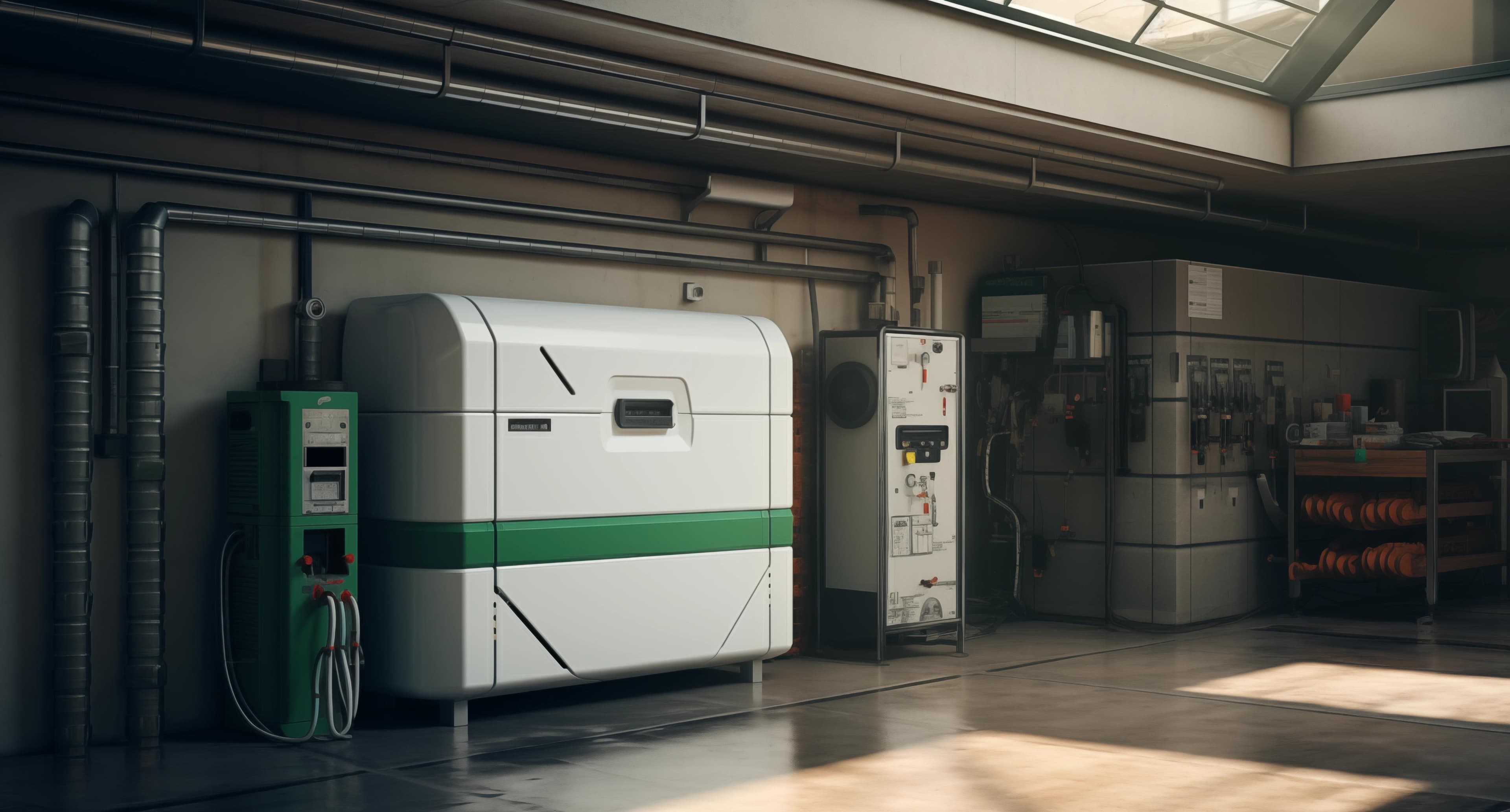
This short video is the visual overview: what the system looks like when the parts are stacked next to each other and the scale is visible at a glance.
The numbers
| Component | Size |
|---|---|
| Battery storage | Three 16 kWh packs, 48 kWh total |
| Inverters | Three Victron Multiplus 5 kVA |
| Solar panels (target) | 51 panels |
| House | Row house, one family |
| Grid connection | Retained as backup |
For perspective: 48 kWh is half the capacity of a Tesla Model S battery, or about the size of a Mini Electric's full pack, sitting in a steel cabinet in a shed.
Why now
The trigger is the end of net metering in the Netherlands. Today, energy exported during the day cancels out energy imported at night on the meter. From 2027, that flat-rate cancellation goes away. Exported solar will fetch a low spot price. Imported evening energy will cost the full retail rate. The gap between the two is where storage starts paying for itself.
Robbert's household runs roughly 10 to 15 kWh per day. Three battery packs sized at 15-16 kWh each give comfortable headroom for a full day on stored solar, plus margin.
The architecture
The three Victron Multiplus 5 kVA units handle the three phases of the household supply. Each inverter sits on one phase. The Cerbo coordinates them as a single system. When the battery is full and the solar is still producing, the inverters charge the pack rather than exporting. When the sun drops, they discharge the pack to feed the house at full load.
51 solar panels feed the system. Some are already mounted: 12 on the main roof, more on a covered terrace where Robbert built a wooden frame to lay them flat. More panels are planned for the rest of the available surface area.
What this overview is for
The walkthrough video is more about scale than detail. It shows where the cabinet sits, what the panels look like, and how the parts relate to each other in real space. The detailed builds (the LiFePO4 packs, the Multiplus wiring, the meter box extension, the cable runs to the storage area) live in the longer videos in the series.
Takeaways
- 48 kWh of storage covers a typical Dutch household for several days without sun.
- Three Multiplus units on three phases lets a self-built system speak the same language as the existing meter and panel.
- The end of net metering changes the home solar math from "panels alone" to "panels plus storage". The earlier system in the planning, the better the return.
- The setup stays grid-connected by design. Off-grid in practice, on-grid in fallback.