
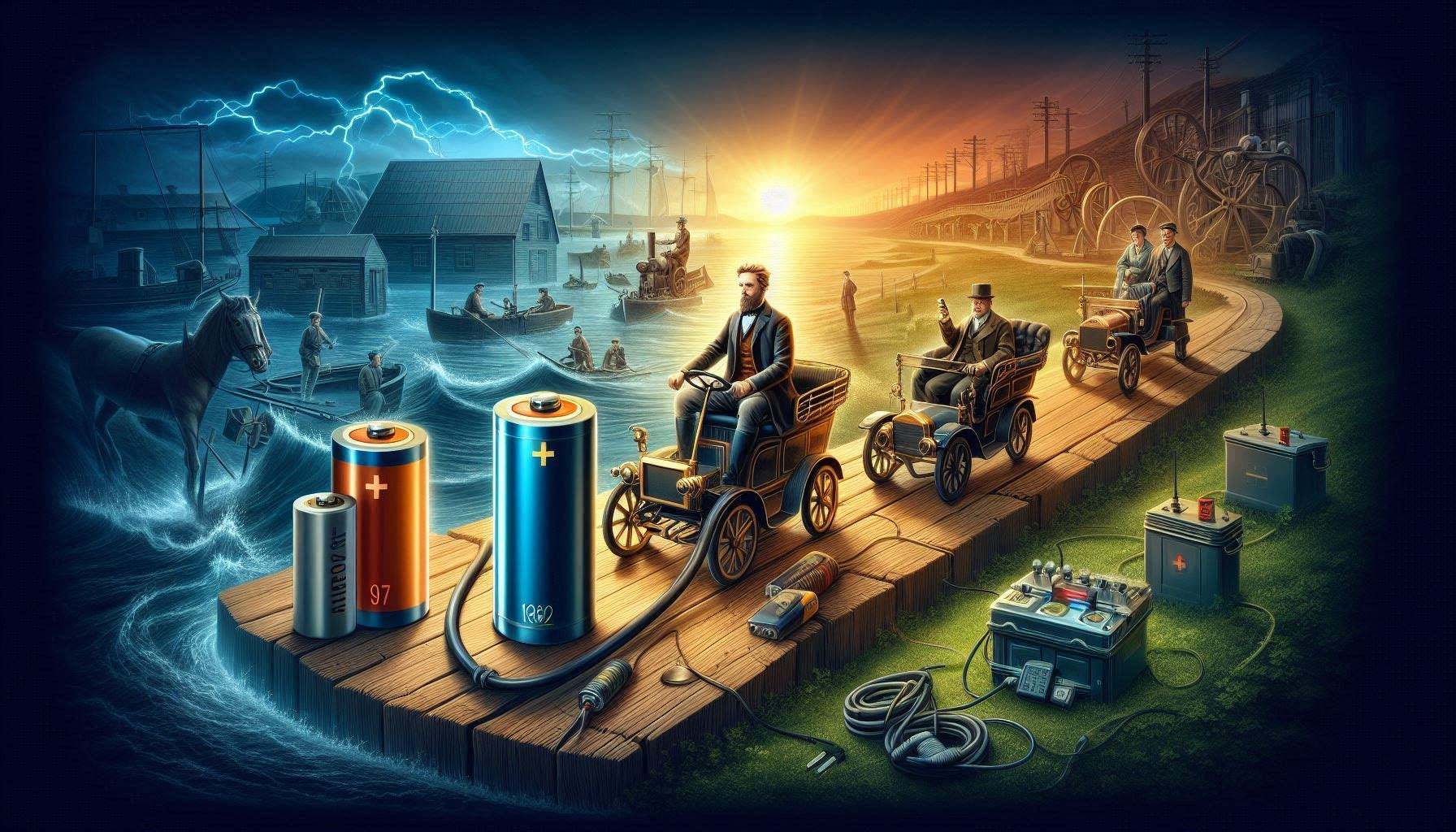
Catching Lightning In A Jar
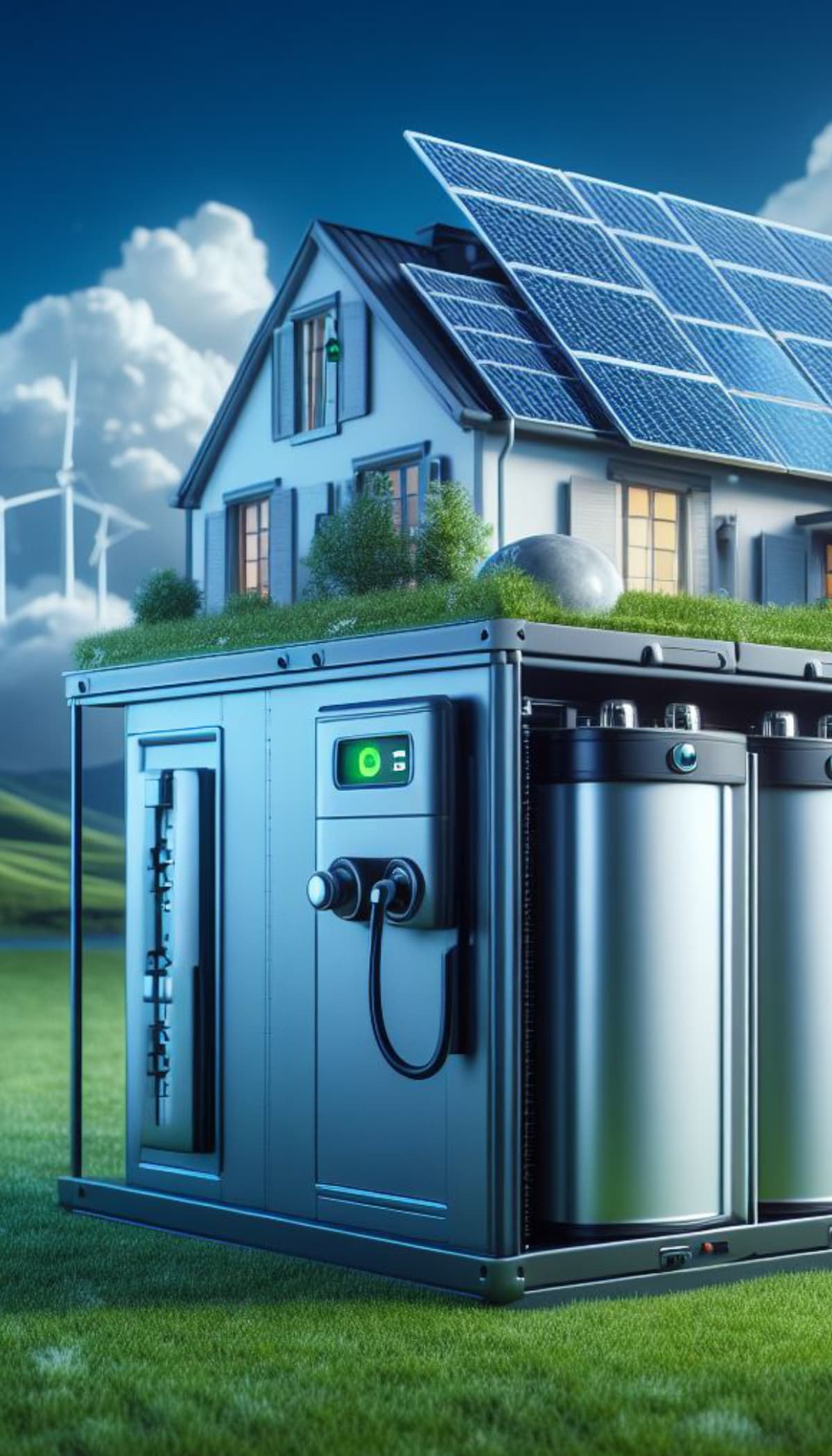
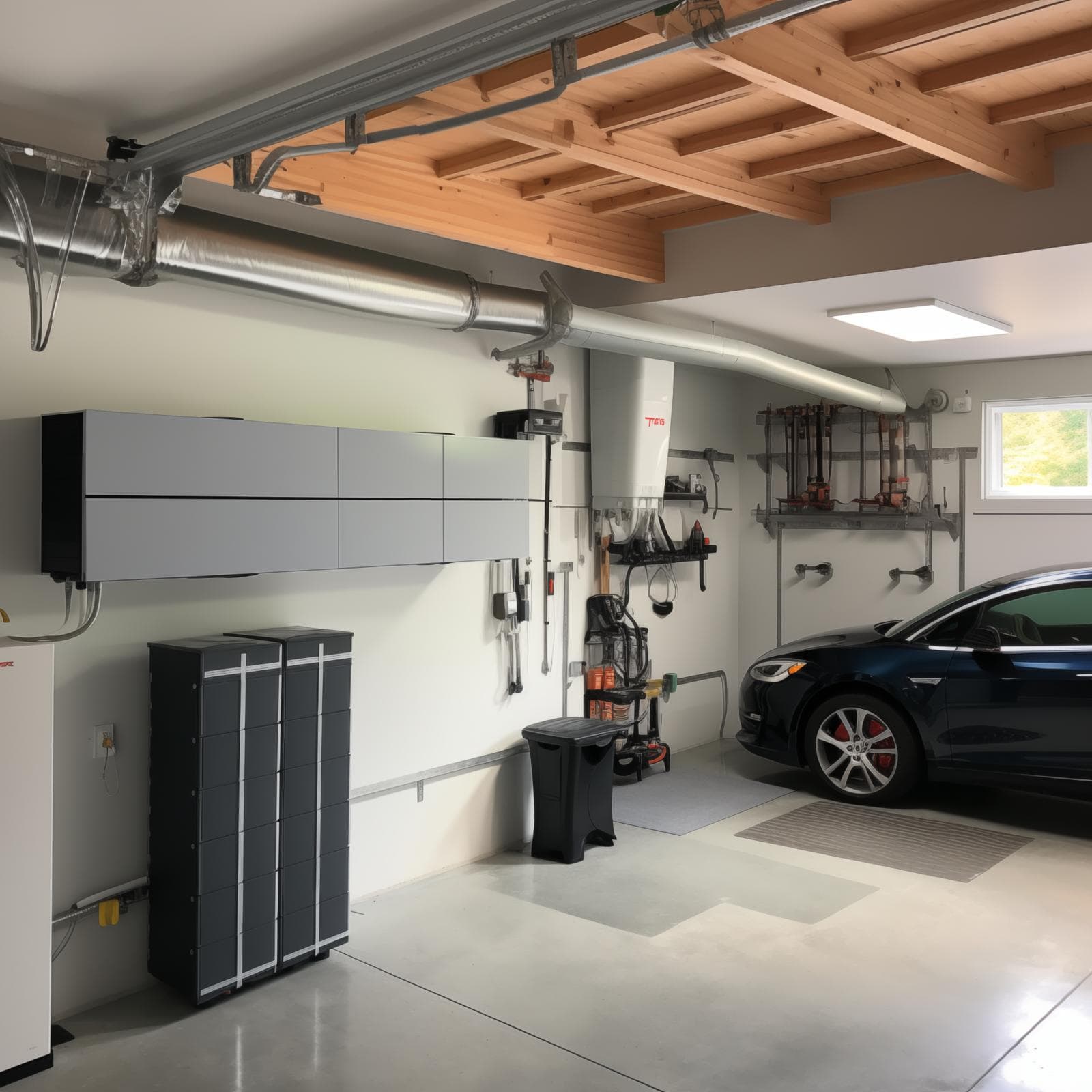
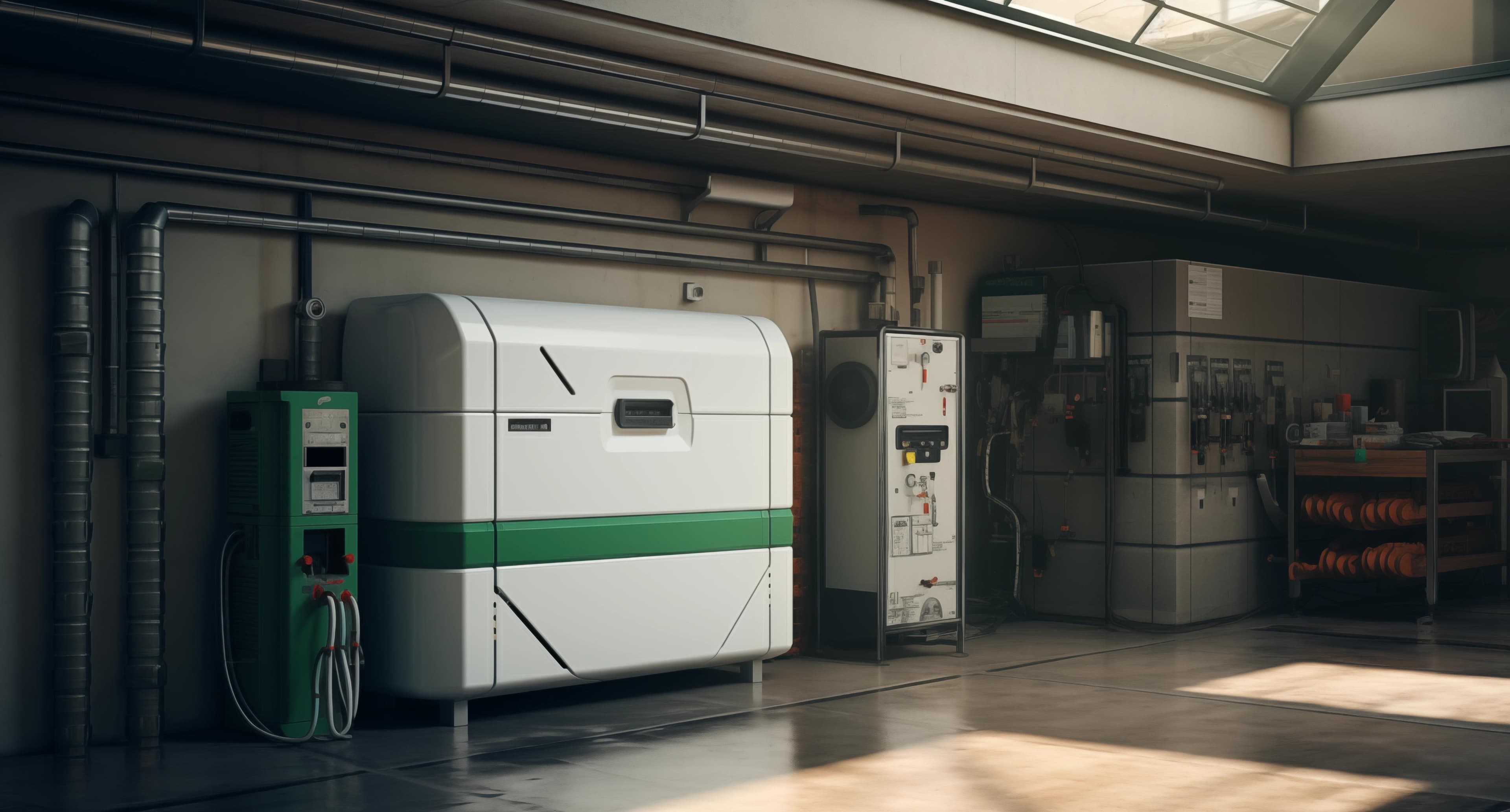
A modern home battery the size of a fridge can run a typical house for a whole day. Lights, fridge, TV, laptop, the works.
That's wild when you think about it. A box. On your wall. Holds an entire day of life inside it.
Where does that come from? It starts with a jar.
In 1745, a Dutch scientist named Pieter van Musschenbroek made a glass jar that could hold electricity. They called it a Leyden jar after his town. You'd build up a charge in it, touch it, and get a shock.
It didn't really store much. But it was the first time anyone had caught electricity and held it.

Benjamin Franklin liked the idea so much he wired a bunch of Leyden jars together. He called the cluster a "battery" because it reminded him of a row of cannons. The name stuck.
The First Real Battery
The Leyden jar dumped all its energy in one zap. Not super useful.
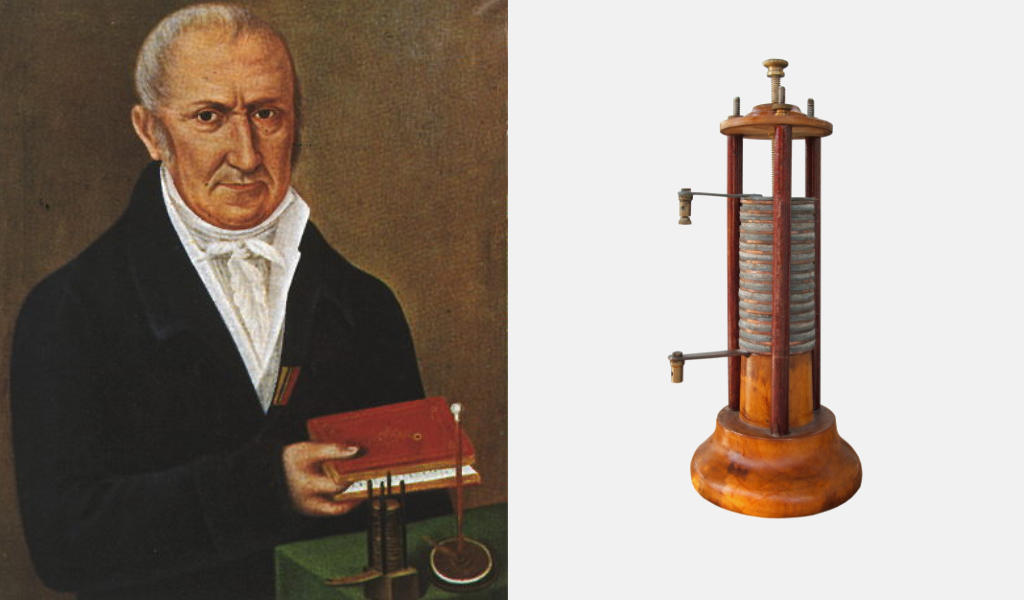
The first battery that gave a steady flow came in 1799. An Italian scientist named Alessandro Volta stacked discs of copper and zinc with damp cardboard between them. He called it a voltaic pile.
It worked. For the first time ever, you could hold a piece of metal and have electricity flow out of it on demand.
That's the moment batteries actually became batteries.
So How Does A Battery Even Work?
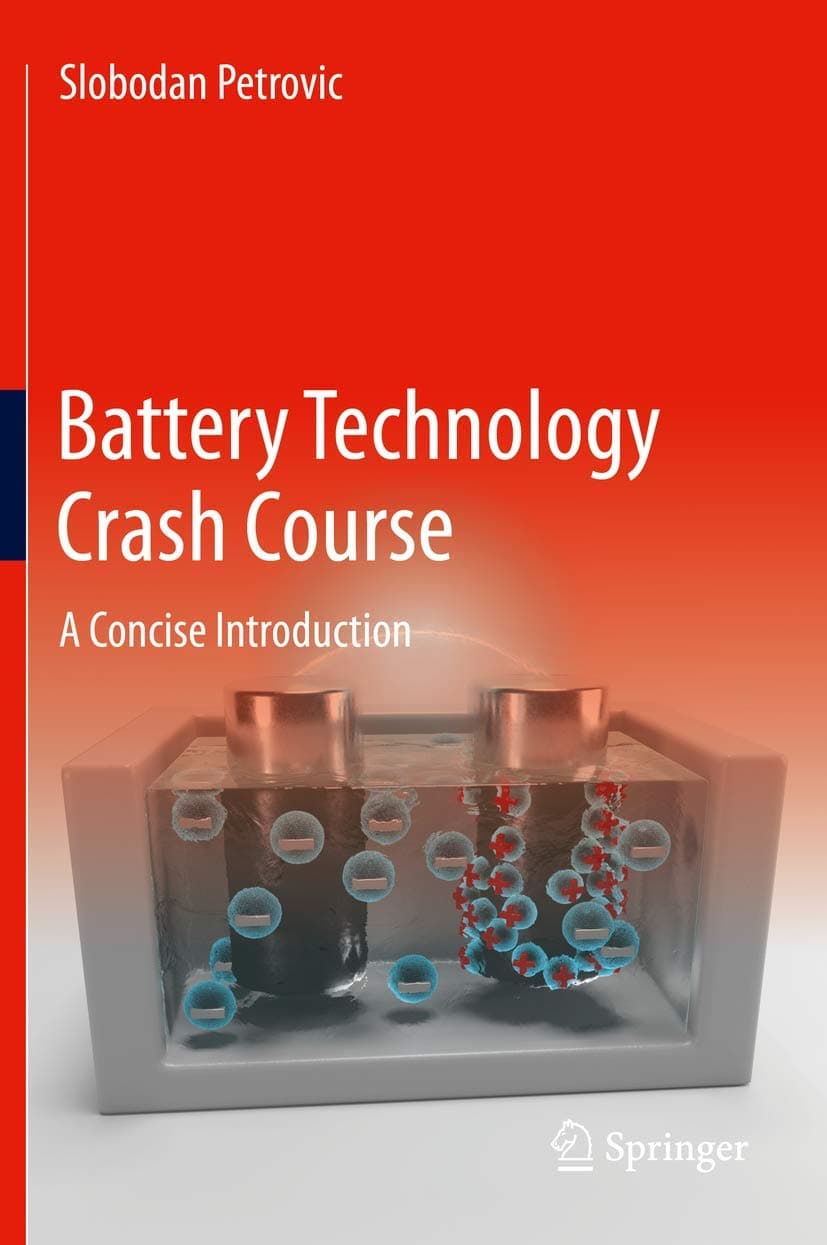
Inside every battery there are two pieces of metal called electrodes. One is the plus side. One is the minus side.
Between them is a liquid or paste called the electrolyte. Scientists call it that. It's just a fancy word for the stuff that lets tiny particles move from one side to the other.
When you hook up a wire, those tiny particles (electrons) flow from one side to the other through the wire. That flow is electricity.
A battery isn't storing electricity exactly. It's storing chemistry. The chemistry turns into electricity when you let it.
Lead-Acid: The Old Reliable
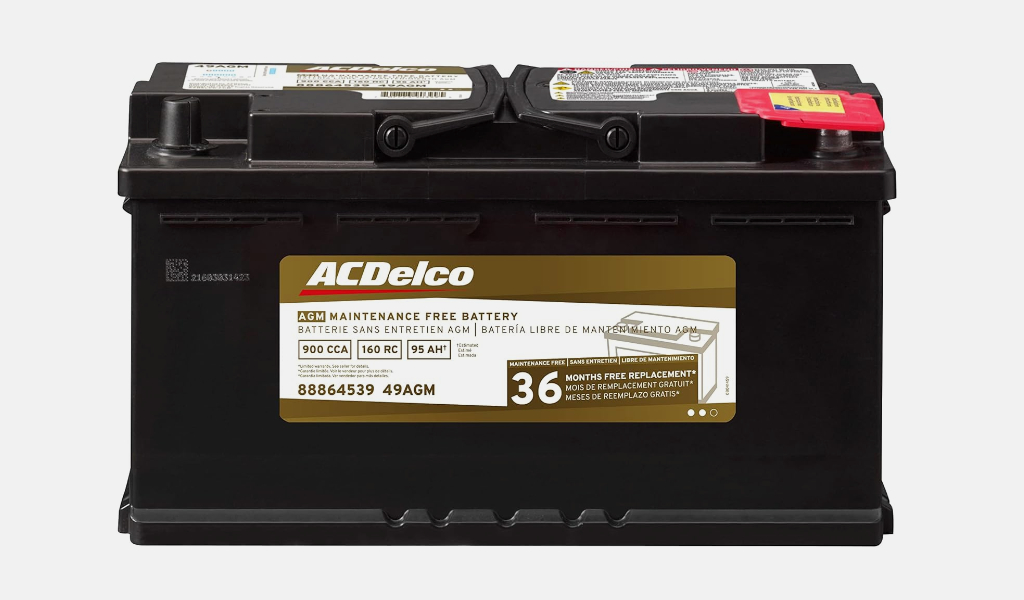
Lead-acid batteries have been around since 1859. Same basic chemistry, still works today. The car in your driveway probably has one under the hood.
They're heavy. Cheap. Not super powerful per kilo. But they just keep showing up, year after year, because they're dependable.
If your budget is tight and you have space for something heavy, lead-acid still has a place in off-grid setups.
→ Read more about lead-acid batteries
Lithium: The Power-To-Weight Champion
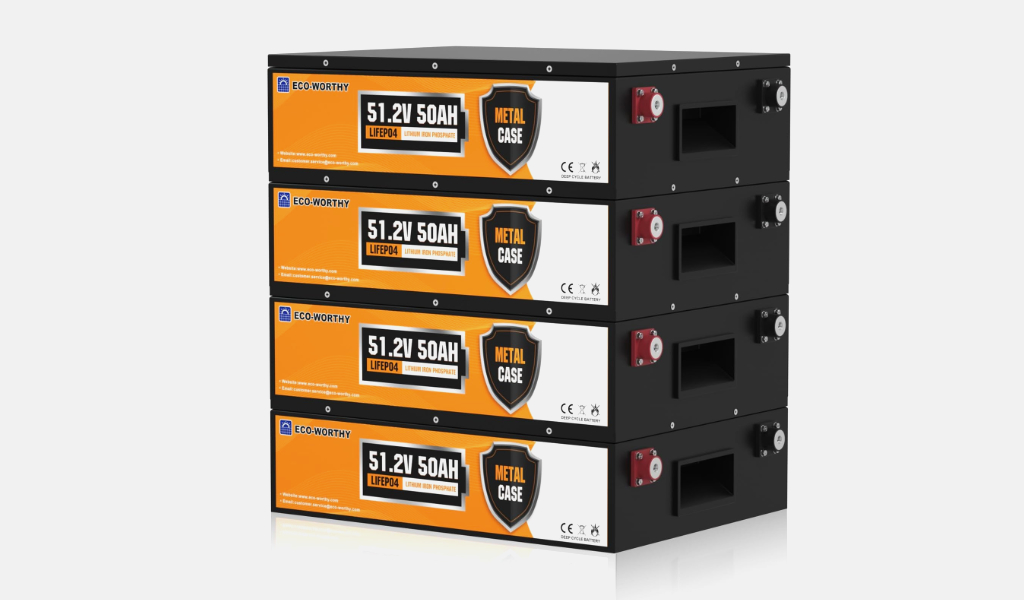
In 1991 a new kind of battery hit the market: lithium-ion. Lighter. Smaller. Holds way more power per kilo than lead-acid ever could.
That's the battery in your phone, your laptop, every electric car, every drone, every cordless drill.
A version called LiFePO4 (just say "lifepo-four") is what most off-grid homes use today. It's safer than the kind in your phone. Very fire-resistant: it doesn't run away the way phone batteries can, and it's extremely unlikely to catch fire. And the wild part: it can last 5000+ charge cycles. That's 13 years of charging it every single day.
So what happens next? Most new home batteries are LiFePO4. The price keeps dropping. Five years ago a home battery cost as much as a small car. Today it costs more like a used motorcycle.
→ Read more about lithium-ion batteries
The Quiet Newcomer: Saltwater
Saltwater batteries are exactly what they sound like. Salty water inside. No fire risk. Nothing toxic. If one cracks open, you can mop it up.
They don't hold as much power per kilo as lithium. But for a basement battery that just sits there for years, safe and recyclable, they're an interesting option.
→ Read more about saltwater batteries
How Big A Battery Do You Need?
That depends on two things. How much power you use each day. And how many cloudy days in a row you want to ride out.
Most off-grid homes plan for two or three days of backup. That way one rainy week doesn't leave you in the dark.
→ Figure out your daily power use
The Parts Around The Battery
A battery on its own can't run your house. It needs a few helpers.
The inverter changes the battery's power into the kind your wall sockets use. Without it, your fridge has nothing to plug into.
The charge controller sits between your solar panels and the battery. It makes sure the battery gets exactly the right amount of power. Too much and the battery dies young.
The BMS, or battery management system, is the brain. It watches every cell inside the battery (a pack can have 100+ cells) and shuts things down if any one of them gets too hot or too low.
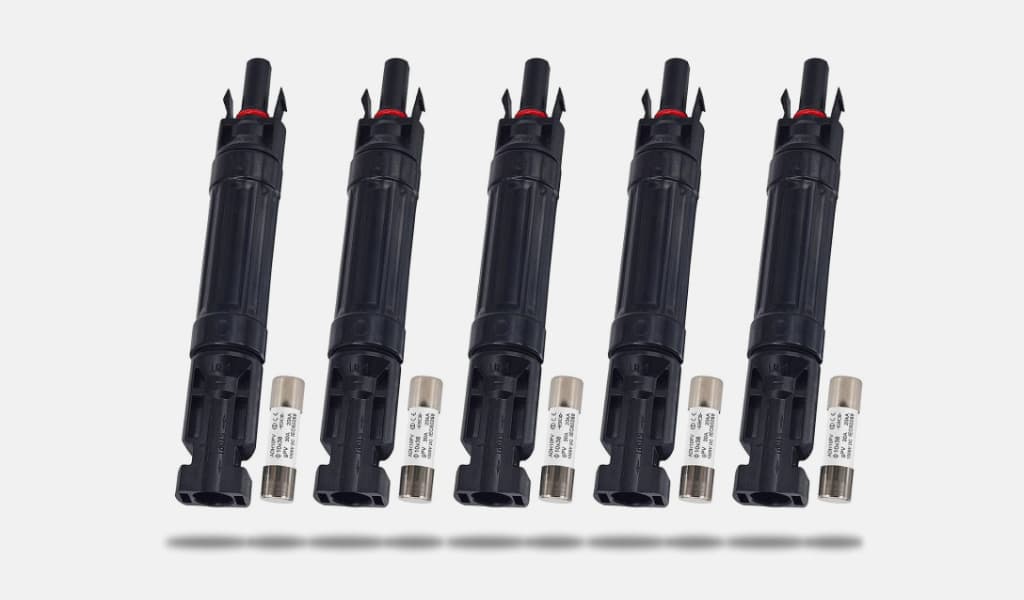
And the fuse. A small thing. A fuse that blows in 1 millisecond can save your whole system from a fire. Worth getting right.
How Big Can Batteries Get?
Really big. Tesla makes a battery called a Megapack. One Megapack can store enough power to run a small town for hours.
Stack a hundred of them in a field and you've got a battery farm. There are working ones in California, Australia, and the Netherlands right now, soaking up extra solar power during the day and pushing it back into the grid at night.
What sounds futuristic today might be normal in five years.
Where It's All Heading
The crazy part is batteries keep getting better. Every year, more power in the same space, for less money.
Scientists are testing batteries made from sodium (basically table salt). Batteries with no liquid inside, called solid-state, which charge in minutes instead of hours. Flow batteries the size of a shipping container that power whole neighborhoods.
A home battery in 2030 might hold twice the power of one today and cost half as much.