


Why this follow-up exists
After the three-phase install video went up, the comments piled in. Some were sharp catches, some were honest questions, some were the usual debates about parts choices. Robbert pulled the most useful ones into a short follow-up and worked through each one on camera. The point is the same as every Q&A he runs: he wants to teach, but he also wants the audience to teach him back.
The RCD between main switch and subpanel
The first comment was the sharpest. In the build video, Robbert showed his feed running from the meter box main switch directly to the shed and back. Several viewers pointed out the rule: a main switch should never feed a subpanel directly. There has to be a residual-current device in between, so the cable run itself is protected.
Robbert agreed on camera. The plan all along was a residual-current breaker right after the main, then the cable to the shed, then a second main switch inside the shed for local lockout. The follow-up video confirms that path and makes it explicit for anyone copying the build.
Why Victron over a cheaper inverter
Viewer Dromer1967 asked the obvious question. If Robbert is willing to build a DIY battery to save money, why pair it with an expensive inverter brand? Why not match a budget battery to a budget inverter?
The answer is reliability and modularity. Victron is known for long service life and predictable behaviour. Cheaper inverters often run components at or past their spec, which trims years off the unit and raises the fire risk on a system that lives in a shed unattended. Victron also behaves like Lego. Modules can be added or swapped, the system can grow phase by phase, and configuration is granular. For a self-built setup that has to last, the brand premium pays itself back.
Robbert is direct about it: he had not heard of the alternative brand a viewer mentioned, so he will not comment on it. He went with what he could see working in the field on many other builds.
Fire safety and the LiFePO4 distinction
Viewer Tom Stratemans asked whether the system would have automatic shutdown on fire. Robbert is thinking about it from a slightly different angle. He wants automatic shutdown above a certain temperature, not strictly on a flame event.
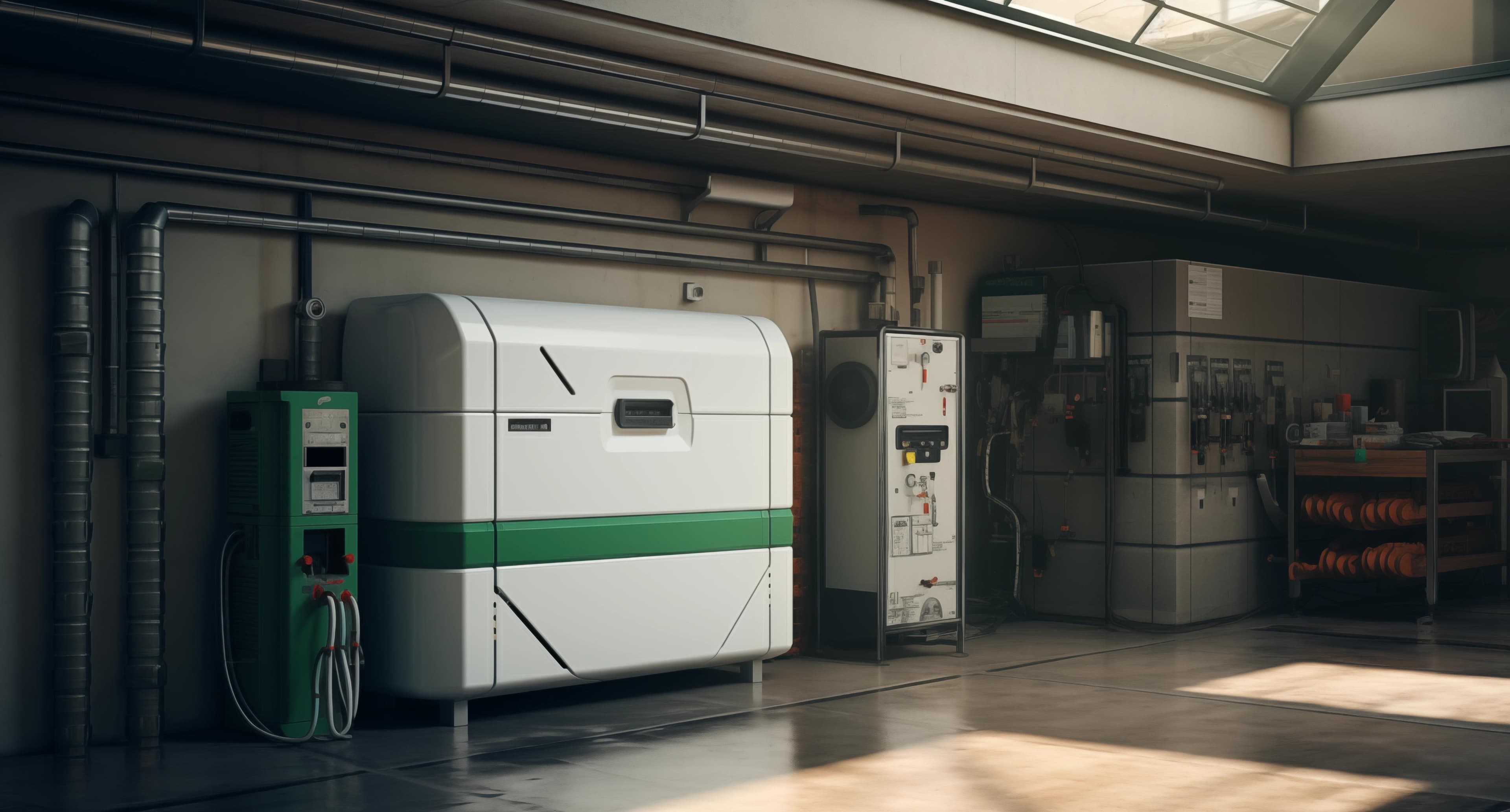
He is also looking at integrating an extinguisher in the steel cabinet. Foam is wrong for the application. Powder is wrong for the application. CO2 is the candidate, because it pulls heat out and displaces oxygen without damaging cells.
Then he draws a distinction most non-builders miss. Lithium polymer and lithium-ion cells, the kind in hoverboards and Teslas, can vent oxygen during thermal runaway, which feeds the fire and chains through neighbouring cells. Lithium iron phosphate, the chemistry Robbert is using, behaves differently. The electrolyte is not flammable. A failing cell vents pressure through the top, the gas is toxic but not combustible, and the chain reaction risk is far lower. Not zero. But several orders of magnitude lower.
3D-printed parts in a power system
Some viewers questioned 3D-printed components in a high-current cabinet. Robbert prints in PETG, the same plastic as a cola bottle, not in PLA, which softens at low temperatures.
His argument: factory-injection-moulded plastic and a printed part are both plastic. The properties depend on the material, not the process. PETG is durable, not brittle, and stable across the temperatures the cabinet sees. He uses 3D printing to make custom housings for cable trunking caps, Lynx Distributor enclosures, BMS mounts, and end caps where the off-the-shelf option does not fit his exact mounting geometry.
The honest version is that 3D printing buys him design freedom on a custom build where standard parts almost-but-not-quite fit.
The Multiplus fan noise
Viewer Sikker de Baard mentioned the 50 Hz transformer hum in the Multiplus. Robbert hears the same thing from other builders and acknowledges there is no way around the transformer itself.
The fan is a different story. The stock fan is driven by low-frequency PWM, which can produce a vibrating buzz at low RPM. Replacement controller boards exist. If the noise is bad enough once the system runs at load, Robbert will swap it. He notes a preference for a fan running constantly at low speed over a fan that oscillates between off and on at an audible cadence.
Other smaller catches
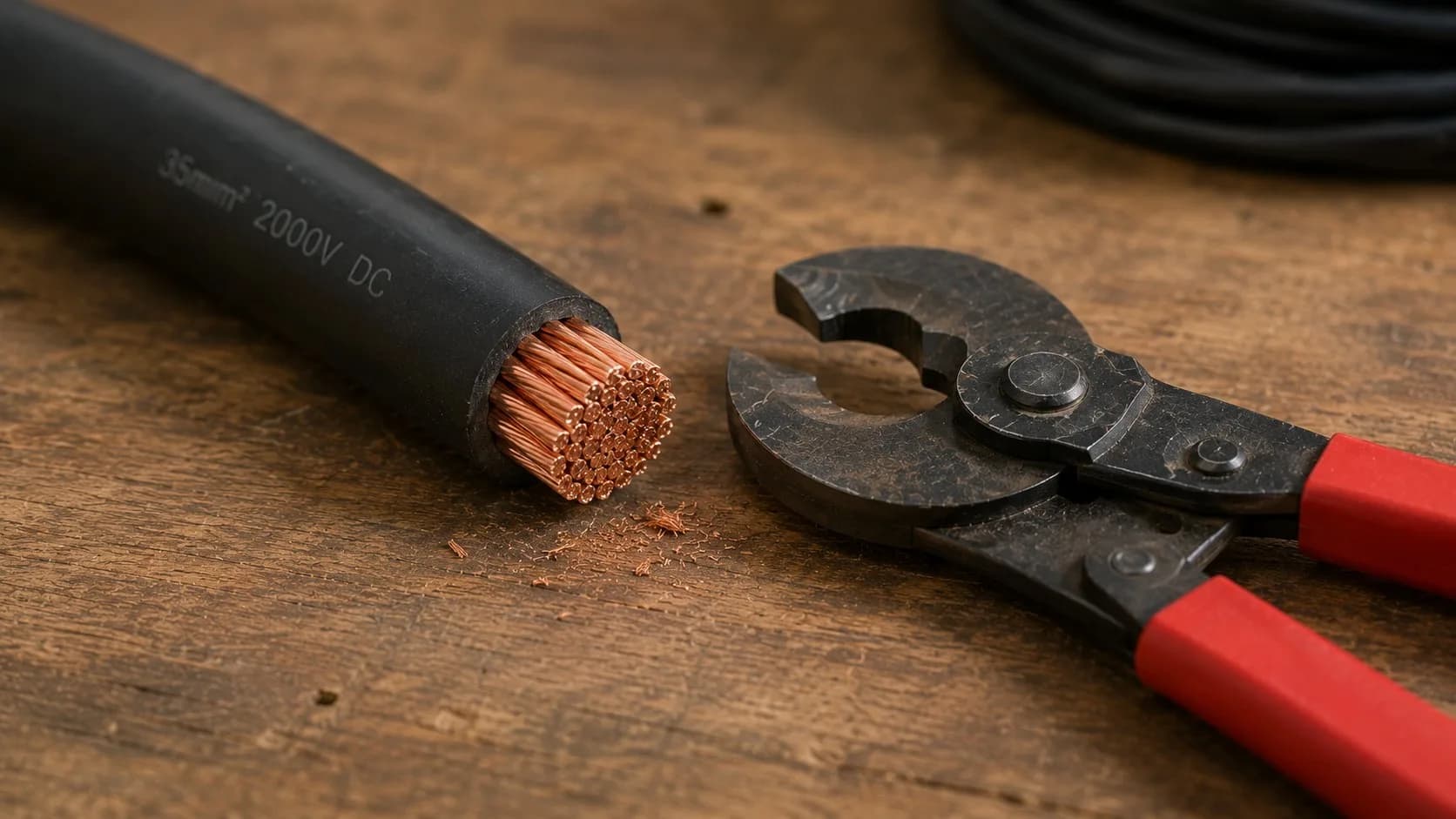
- Cable sizing for the meter box to shed run: Herman asked about the 5x6 mm² cable over the ~5 m run. Spec allows 25 A on 6 mm² over 70 m. At 5 m, there is no concern.
- Screen placement: Edwin Vivaro pointed out that a Victron readout can run on any old tablet via the QR-code link, instead of buying the dedicated screen. Robbert already does this with a Home Wizard dashboard on an old laptop under the TV and plans the same setup for the Victron.
Takeaways
- Never run a main switch directly into a subpanel feed. Put an RCD between them.
- LiFePO4 is meaningfully safer than lithium-ion. The chemistry matters more than the marketing word "lithium".
- 3D-printed parts in PETG are not a fire risk in a battery enclosure. Material matters more than the process.
- Brand premium on the inverter is the cheapest part of the build to skimp on the wrong way. Pair a DIY battery with a trustworthy converter, not a cheap one.
- Fan noise on the Multiplus is solvable with a controller swap if it gets bad.