
One Mushroom Causes Most Mushroom Deaths
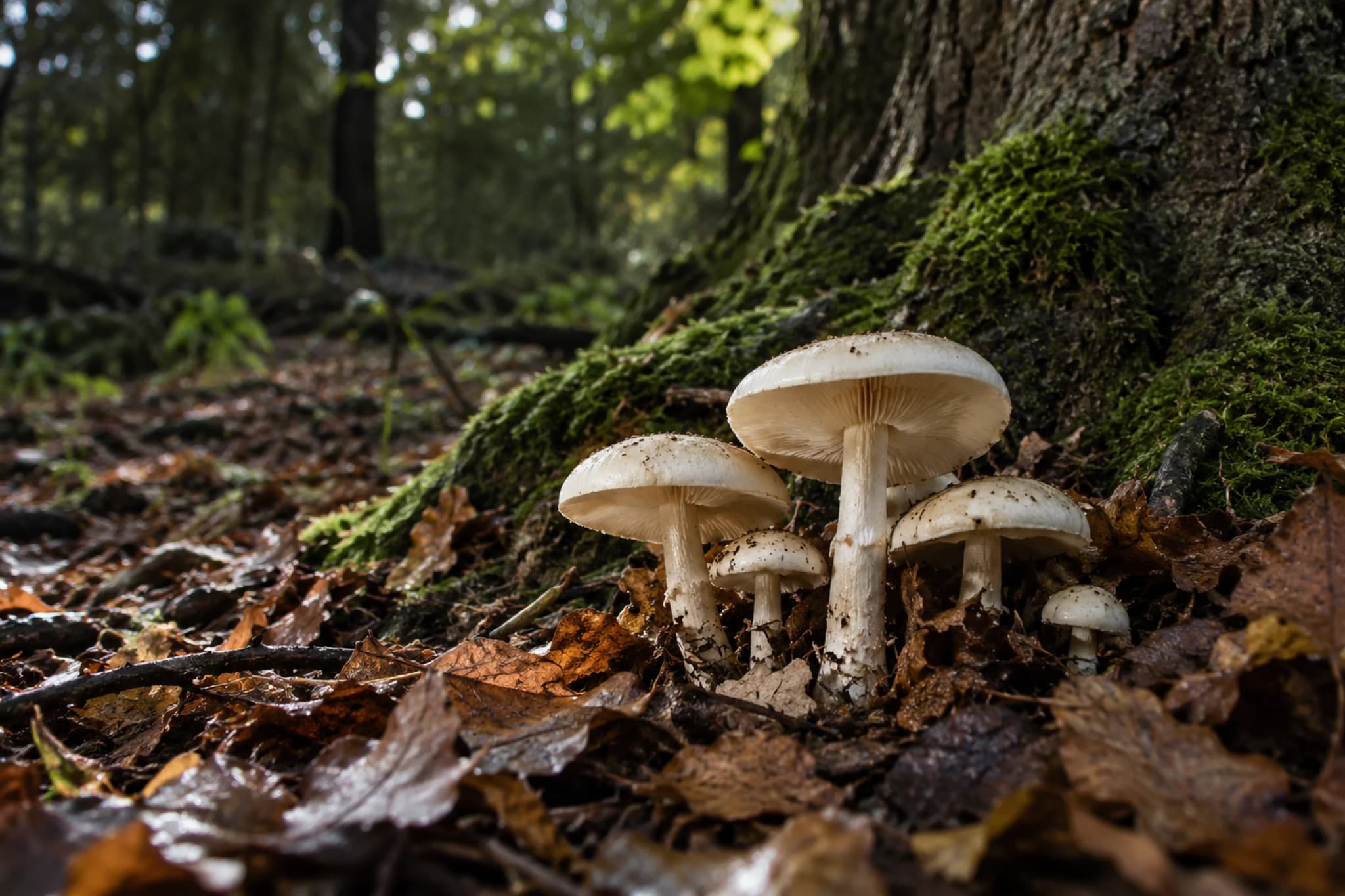 Illustrative image
Illustration only. Never use a photo like this to identify a plant or mushroom; check with a local expert or club.
Foraging for beginners starts with one simple, important rule: never eat anything you can't name with 100% certainty. This guide shows how to learn that skill safely, where you're allowed to pick, and how much to take.
There's a pale, ordinary looking mushroom that grows under oak trees and other hardwoods in many parts of the world.
Scientists call it the "death cap". It's thought to cause about 90% of all deaths from eating wild mushrooms on Earth.
That's the strange double side of foraging. Woods, hedges and fields are full of edible things people have eaten for thousands of years, like berries, nuts and greens. But mixed in between them are lookalikes that can make you very sick, or worse.
Foraging is simply finding and gathering food that grows by itself, without anyone planting it. Long before recorded history, humans foraged for wild edible plants and depended on them to survive. For off-gridders it can add fresh, free food to the table, next to what they grow on their own land.
Why Wild Plants And Their Deadly Twins Are So Easy To Mix Up
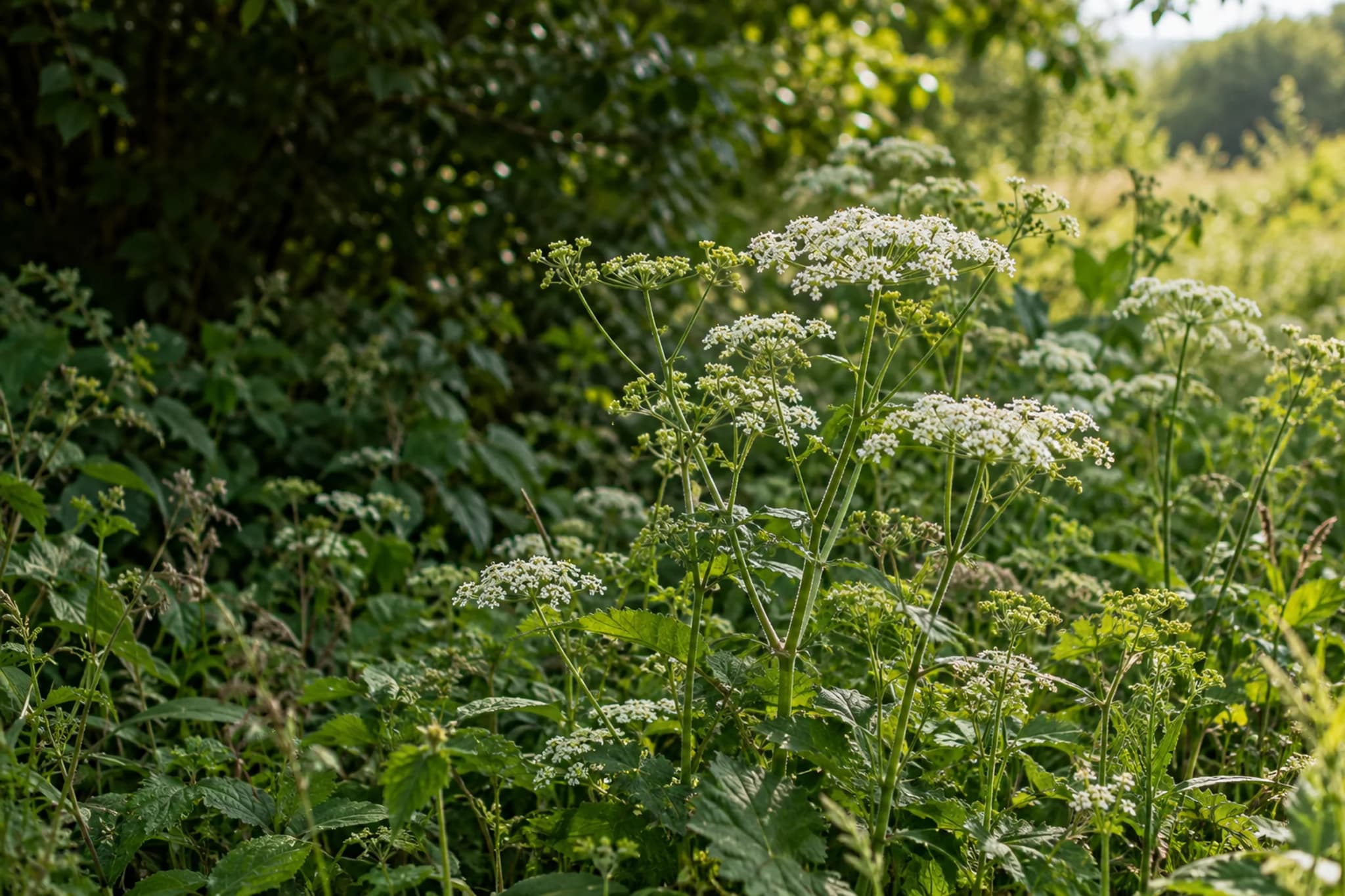 Illustrative image
Illustration only. Never use a photo like this to identify a plant or mushroom; check with a local expert or club.
Plants don't come with name tags. Many groups look almost the same to a beginner, a bit like a whole class of kids wearing the same school uniform.
Take the carrot family. It includes wild carrot, which some foragers eat. It also includes water hemlock, which the Missouri Department of Conservation calls the most toxic plant in North America.
Both have tiny white flowers in flat, umbrella-shaped clusters. From a few steps away, they can look almost the same.
Here's a story from Europe that shows how easy the mistake is.
Every spring, foragers go looking for wild garlic, a leafy plant with a strong smell. And every spring, Germany's food-safety institute reports cases of people made ill by lily of the valley or autumn crocus. Those plants grow in the same spots and have similar leaves.
Some of those cases end in death. Austria's food-safety agency warns that eating just three to four autumn crocus leaves can be enough to kill.
What about the smell test? Even that can fool you. If you've just rubbed the real thing, the smell stays on your fingers, so the next leaf seems to smell the same.
Mississippi State University Extension gives another example from the US. Common purslane is a well known edible weed, but it tends to grow right next to a harmful twin, prostrate spurge. Their advice fits on a sticker: when in doubt, leave it out.
How To Tell If A Wild Plant Is Edible?
 Illustrative image
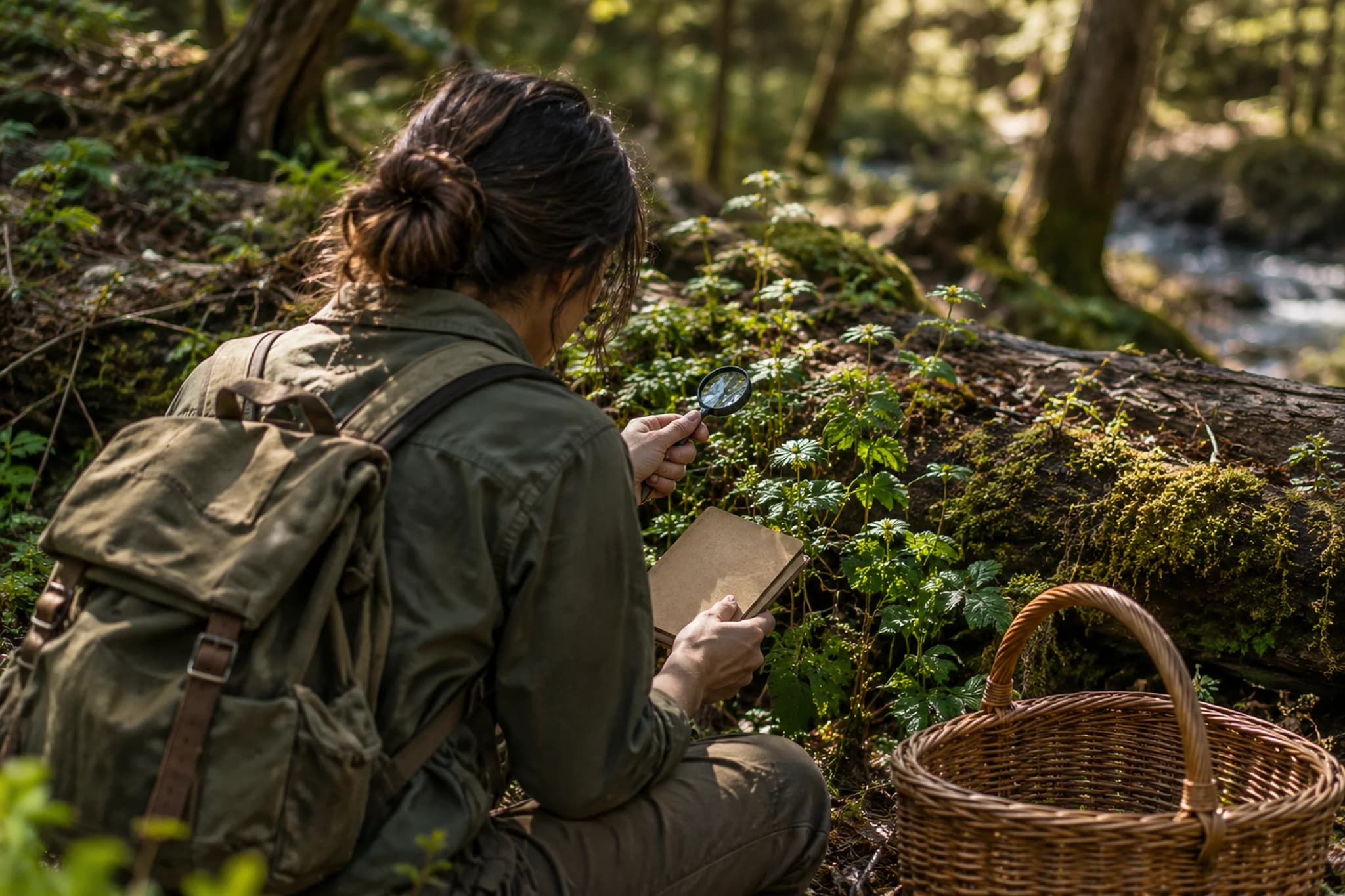
There's no shortcut. You can only know something wild is edible by identifying that exact species with 100% certainty, and knowing which parts are safe and how to prepare them.
Not 95%. Not "pretty sure, it looks like the picture". Mississippi State University Extension says to be 100% certain of a plant's identity, and that it isn't poisonous, before eating any of it. That's always the first step, and it's the most important one.
That's the golden rule of foraging. A picture in a book or an app on your phone is a good start, but it is not enough to decide what goes in your mouth. Pictures miss smells, roots, seasons and the tiny details that separate a snack from a trip to the hospital. Real identification means looking at the whole thing in the place where it grows.
There's one more part to the rule. Even an edible species can have parts that are toxic, and some must be cooked before consuming them. MSU Extension points out that just because a plant is called edible, it doesn't mean all of it is. So learning a new species means learning how it's prepared too.
And even something that's safe for most people can upset one person's body. That's why the same guide says to eat wild food in moderation, a little at a time.
How To Get Good At Foraging?
You get good at foraging the same way you get good at a sport: slowly, with a coach, by practising the same few moves until they're second nature.
So who's the coach? Norway's health service suggests going on a course, taking an experienced picker with you, or having someone who knows the area look at what you've found. Many countries have local mushroom clubs, nature groups and guided foraging walks, and that's where most good foragers begin.
Where To Learn More
Books are great resources for beginners too. MSU Extension recommends using at least three different field guides, with clear descriptions, pictures, drawings and habitat notes, so one book's mistake gets caught by another.
What should you study first? Pick one or two common plants that grow near you and get to know them across a whole year. A dandelion is a good example. MSU Extension lists it among common wild edibles, with young leaves used in salads. Watch how it looks in spring, when it flowers, and when it goes to seed.
Some entries on that list give fruit too, like blackberry and red mulberry, which end up in pies, jams and jellies. Many guides also come with recipes, which makes the learning a lot more fun.
Then add one new species at a time. It's slow, and that's the point. Every one you truly know is one you'll never mix up again.
Know The Location: Where Foraging Is Allowed
 Illustrative image
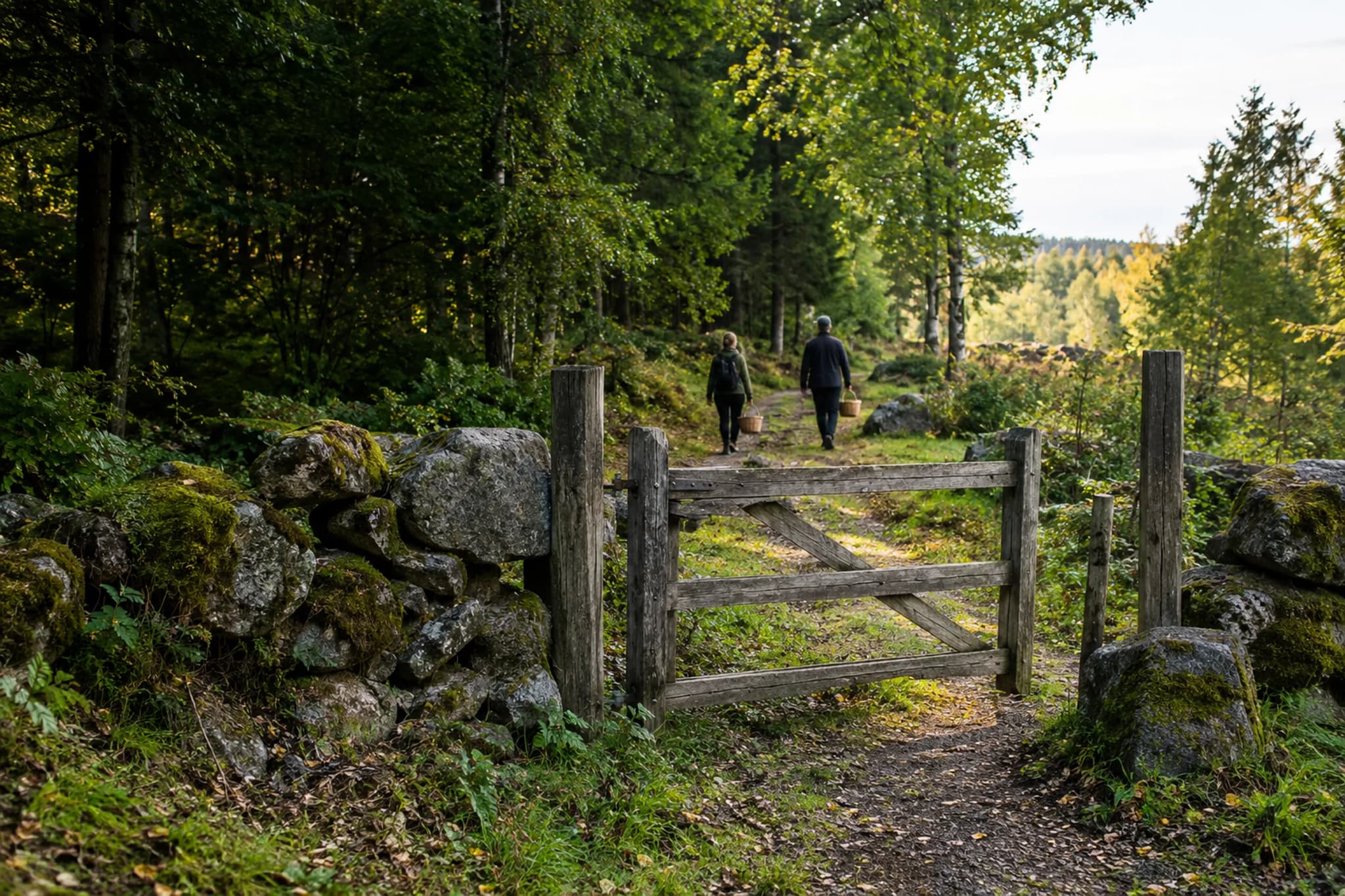
Foraging laws differ from country to country, and even from park to park. What's normal in one location can get you a fine in another.
In Sweden, a tradition called "allemansrätten", or "everyone's right", lets anyone walk on most land and pick wild berries and mushrooms. But you still can't pick protected plants, take crops from fields, or wander right up to someone's house.
In England and Wales, picking wild mushrooms, flowers, fruit and leaves for your own use is not theft under the law. Selling them is a different story, though. And pulling up any wild plant by its roots without the landowner's permission is against the law.
In the United States, it depends on who owns the land. Many national forests let you pick a small amount of mushrooms for yourself, for free, with limits that change from place to place. National parks are much stricter: gathering is banned unless the park allows certain fruits, berries or nuts to be picked by hand for personal use, often with limits on how much.
Land that belongs to someone else? Ask the owner first. Nature reserves and protected sites in many countries ban picking completely. So before you gather anything, ask about the rules for that exact spot with the landowner, the park office or your local council.
Take A Small Share: Keeping Wild Food Clean And Fair
 Illustrative image
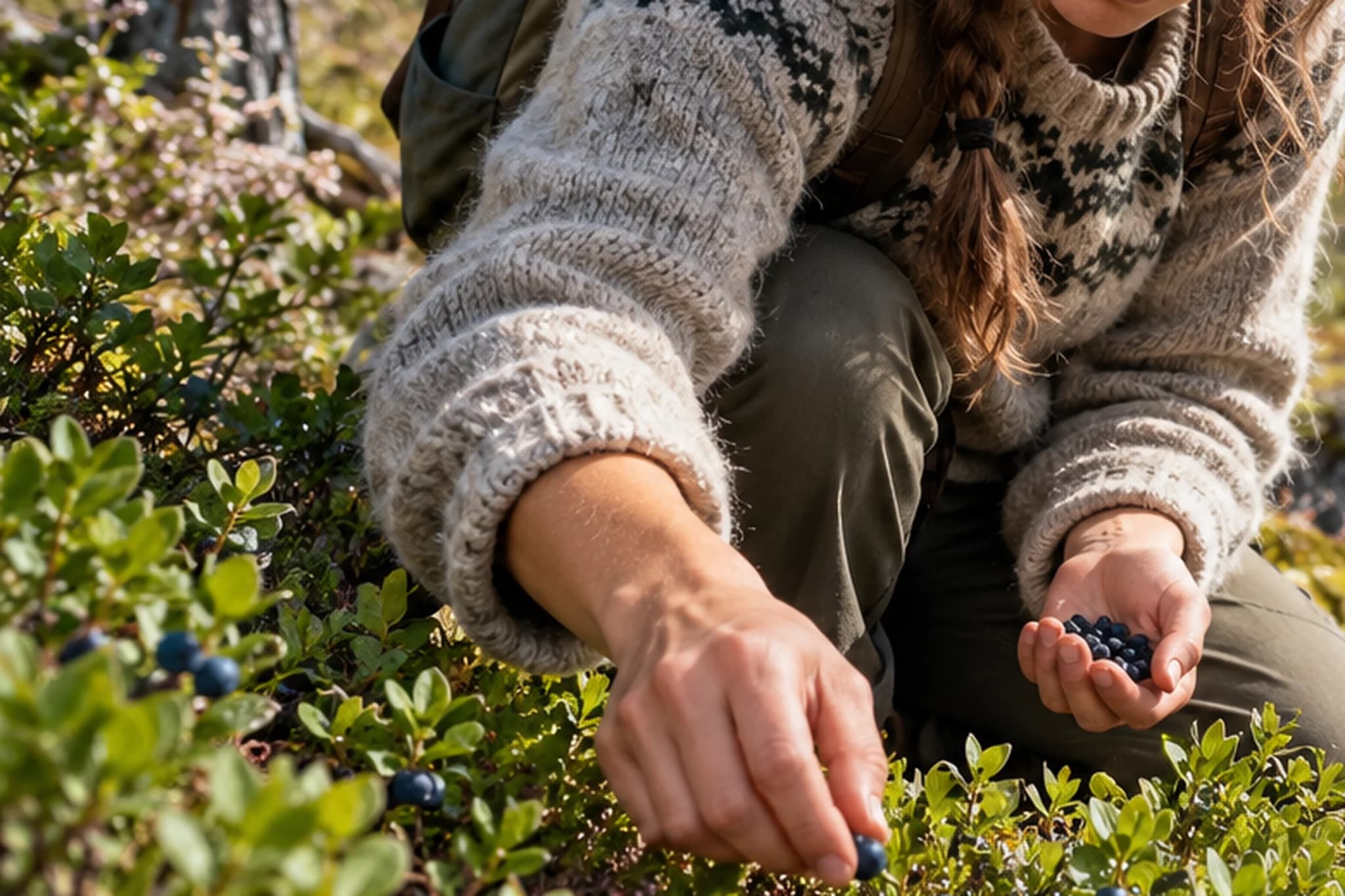
Illustration only. Never use a picture like this to identify a plant or mushroom; check with a local expert or club.
Being sure of what you picked is step one, and being sure of the spot is step two.
Plants soak up whatever is around them, from the soil, the water and even the air. MSU Extension says to avoid foraging along roadsides, under power lines and in industrial zones, where weed killer, bug spray, heavy metals and factory runoff can end up in what you pick. Spray can also wash into ditches and streams, so anything growing downstream can carry it too.
Water works the same way. A clear stream looks clean, but germs and chemicals are invisible, so stream water needs proper treatment before drinking.
Then there's being fair to nature. What you pick is also food for birds, insects and other animals, and many species need some left behind to grow back next year.
How much should you harvest? MSU Extension's guide says to take no more than one third of any patch in one location, and to carry out everything you brought in. That's also why US national forests set limits on how much one person may harvest.
There's a twist, though. In the US, some wild edibles are invasive weeds, plants that spread where they don't belong. The same guide names dandelion and kudzu, and says you can harvest those almost without limit, which actually helps the native species come back.
Is Foraging The Same As Hunting?
Not quite. Hunting means catching wild animals, while foraging, the way this page uses it, means gathering wild plants, mushrooms, nuts and berries that grow by themselves.
For most of human history the two went together. Archaeologists call people who lived this way "hunter-gatherers", people who got their food, clothing and other needs by hunting wild animals and gathering wild plants.
What Are Foraging Habits?
Foraging habits are the ways an animal, or a person, searches for food: where it goes, when, and what it picks.
Biologists use the word a lot. When they talk about an animal's foraging habits, they mean the way it searches for food, like a squirrel visiting the same oak trees every autumn. A good human forager builds habits as well: same paths, same seasons, same careful look before anything goes in the basket.
What To Know Before You Begin
 Illustrative image
Foraging can turn an ordinary walk into a treasure hunt. Once you get to know what grows around you, the hedge at the end of the road never looks boring again.
But it's a slow skill, not a quick way to fill a pantry. Most off-gridders treat wild food as a bonus next to food they grow in a garden or raise, like eggs from a small flock of hens. A good haul of berries can also go into jars for winter, the same way you'd preserve your garden harvest.
If you're curious, begin by learning, not eating. Join a local guided walk or mushroom club, get to know one or two common species really well with an expert, and find out the rules where you live.
The woods aren't going anywhere, and the foragers who keep at it for decades are the ones who never rushed.
Foraging for beginners in short:
- Never eat a wild plant or mushroom unless you're 100% sure what it is.
- Learn with an expert, a club or a guided walk, and use at least three guides.
- Know the location: ask about the rules, and skip roadsides and factory areas.
- Take no more than one third, and leave the rest for wildlife and next year.
- Feel sick after eating something wild? Get medical help straight away.
Sources
- Mississippi State University Extension, Forgotten foods (P4173)
- Guinness World Records, fungus record
- BC Medical Journal, mushroom poisoning in British Columbia (2019)
- CDC MMWR, Amanita phalloides poisoning in Northern California (2017)
- Missouri Department of Conservation, field guide entry
- University of Arkansas Extension, FSA2203
- German Federal Institute for Risk Assessment (BfR), press release on mix-ups
- AGES Austria, food information on ramsons
- Helsenorge, Norwegian poison centre advice on lily of the valley
- Naturvårdsverket, The right of public access (allemansrätten)
- legislation.gov.uk, Theft Act 1968, section 4
- Surrey Wildlife Trust, Foraging policy
- USDA Forest Service, Wallowa-Whitman mushroom picking season 2026
- US Code of Federal Regulations, 36 CFR 2.1
- CIBA, Pesticides brochure
- Crow Canyon Archaeological Center, Glossary: hunter-gatherer
- DOSITS, Glossary: foraging behavior
Hard Words
| Term | What it means |
|---|---|
| Foraging | Finding and gathering wild food that grows by itself, without anyone planting it. |
| Lookalike | A plant or mushroom that looks very similar to another one. In foraging, usually a deadly twin of something edible. |
| Death cap | A pale mushroom that causes most deaths from eating wild mushrooms worldwide. |
| Identification | Working out exactly which plant or mushroom something is, using many details, not just one picture. |
| Invasive species | A plant that spreads fast where it doesn't naturally belong and crowds out local ones. |
| Allemansrätten | Sweden's "everyone's right" to walk on most land and pick wild berries and mushrooms, with limits. |
| Protected plant | A plant that the law says you must not pick or dig up, usually because it is rare. |
Common Questions
Is foraging for wild food safe?
It can be, but only with careful learning. Some deadly species look almost identical to edible ones. The golden rule is to never eat anything you can't identify with 100% certainty, and to learn from a local expert, guided walk or mushroom club first.
How do I start foraging as a beginner?
Begin by learning, not eating. Join a guided foraging walk, a nature group or a local mushroom club, and get to know a few common species really well over a whole year. Field guides and apps help, but don't rely on them alone.
Can I use an app to identify wild plants or mushrooms?
Apps are a helpful way to pick up names, but their identification is not reliable enough to decide what is safe to eat. Pictures miss smells, roots and small details. Experts and poison services advise having any find looked at by an experienced person.
What is the most dangerous mushroom?
The death cap is thought to cause about 90% of deaths from eating wild mushrooms worldwide. It looks fairly plain and grows under trees like oaks. Many other mushrooms are dangerous too, so learn mushrooms only with an expert.
Is foraging legal?
It depends on where you are. Sweden's right of public access allows picking wild berries and mushrooms on most land. In England and Wales, picking for personal use is usually allowed but uprooting plants without permission is not. US national forests often allow small personal amounts, while national parks are strict.
What should I do if someone eats a wild plant and feels sick?
Get medical help as fast as possible. Call your local emergency number or poison centre, and keep a sample or picture of what was eaten. Don't try home remedies or make someone vomit unless a doctor tells you to. Some poisons only cause symptoms hours later.
Where should I avoid foraging?
Avoid busy roadsides, field edges that may be sprayed, power line strips, factory areas, and ditches or streams that collect runoff. Also avoid nature reserves where picking is banned, and private land unless the owner has said yes.