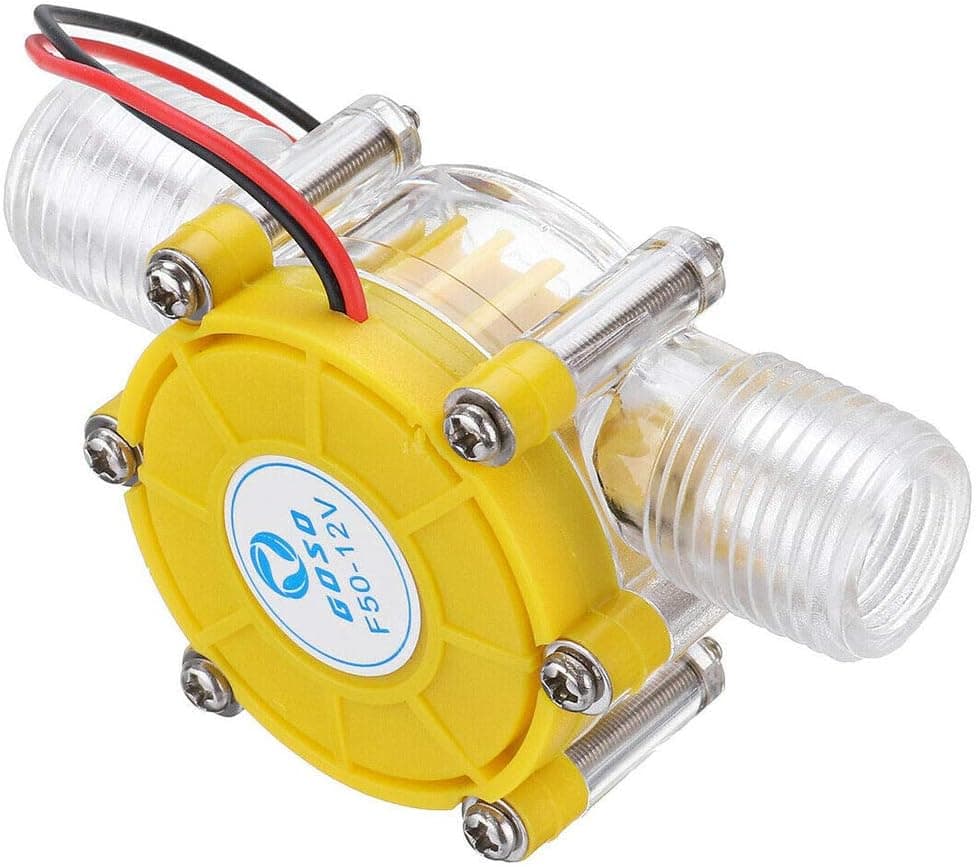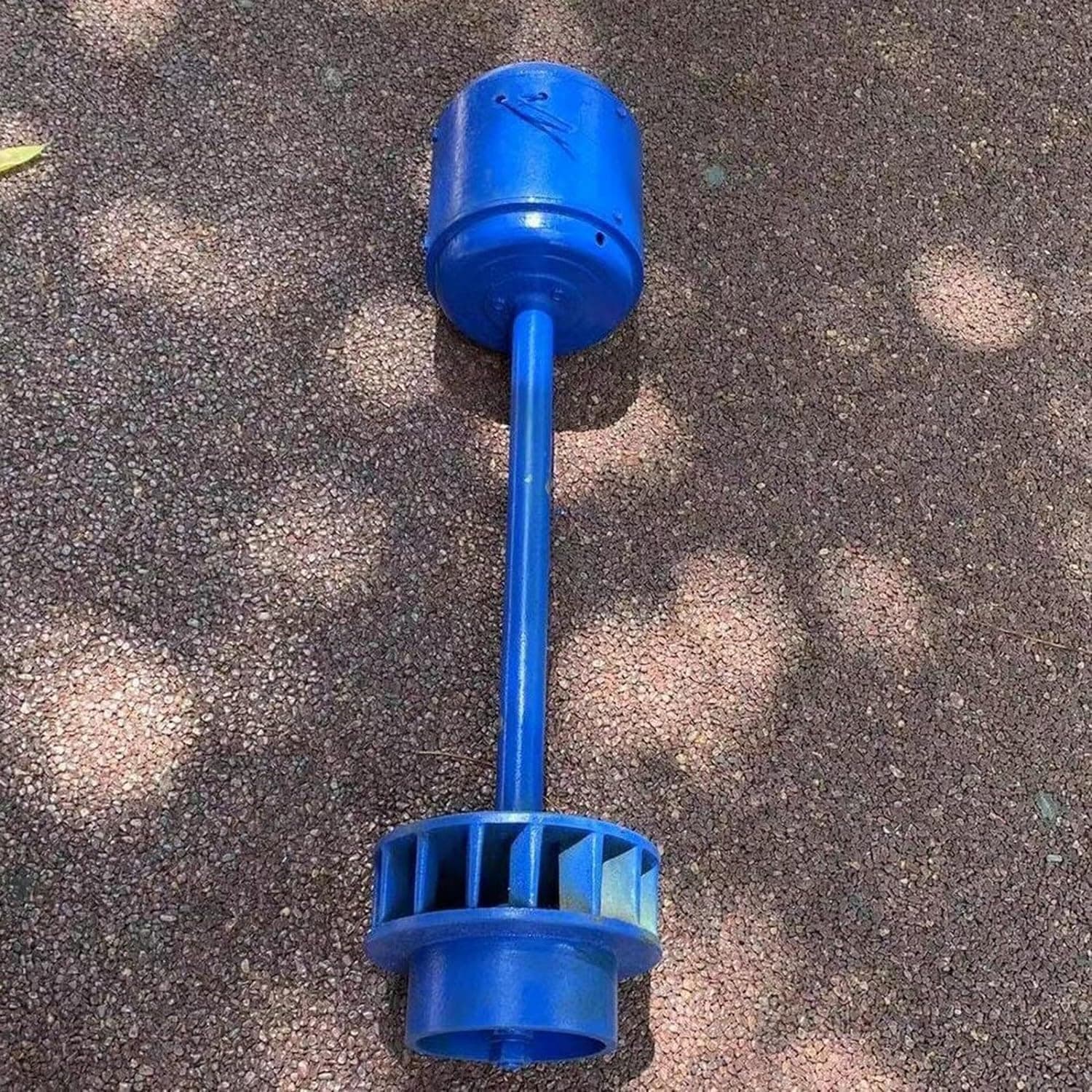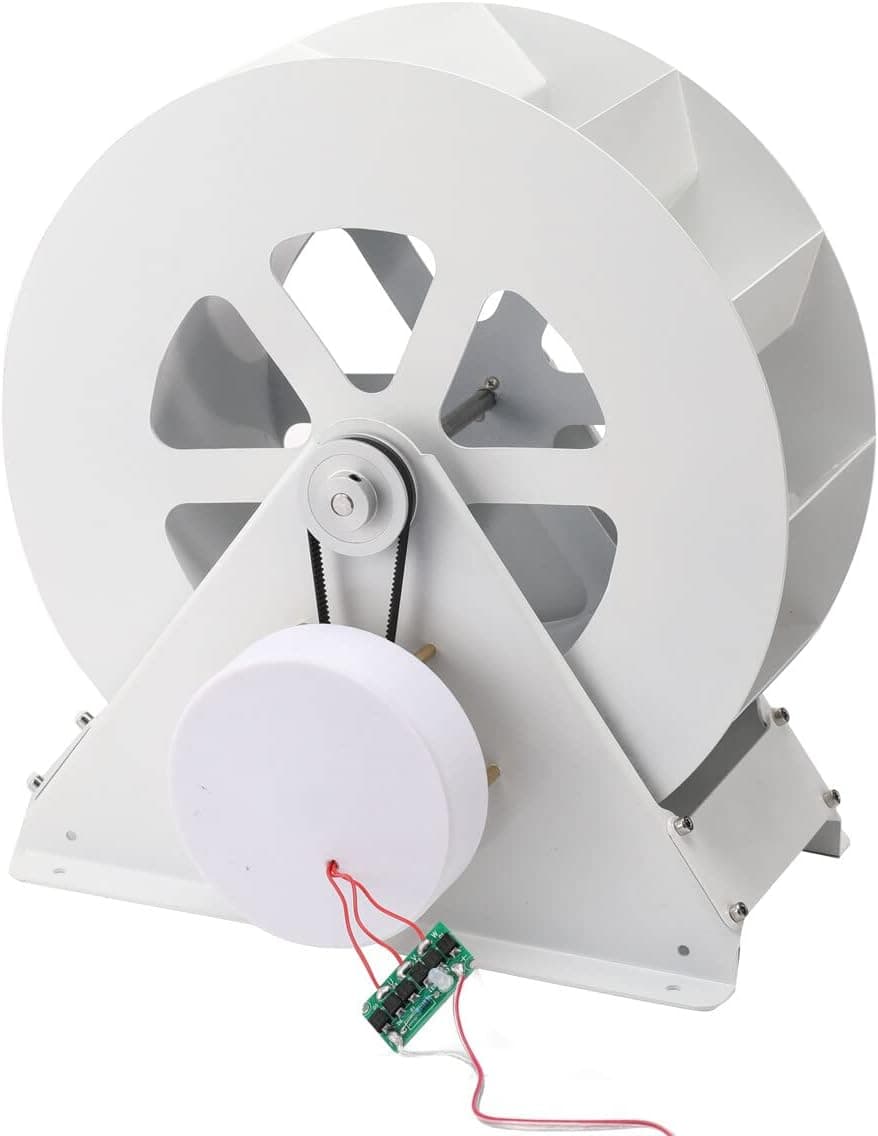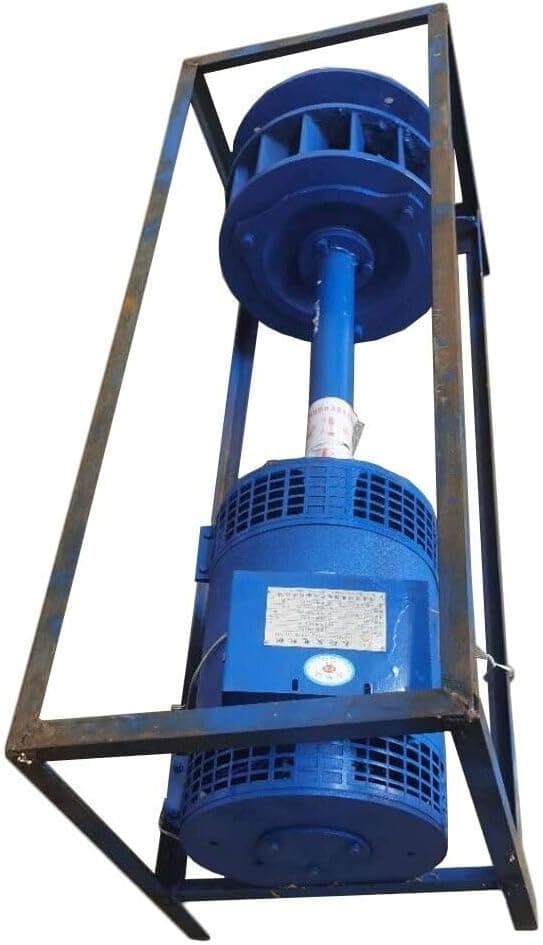

Six Shapes, Six Jobs
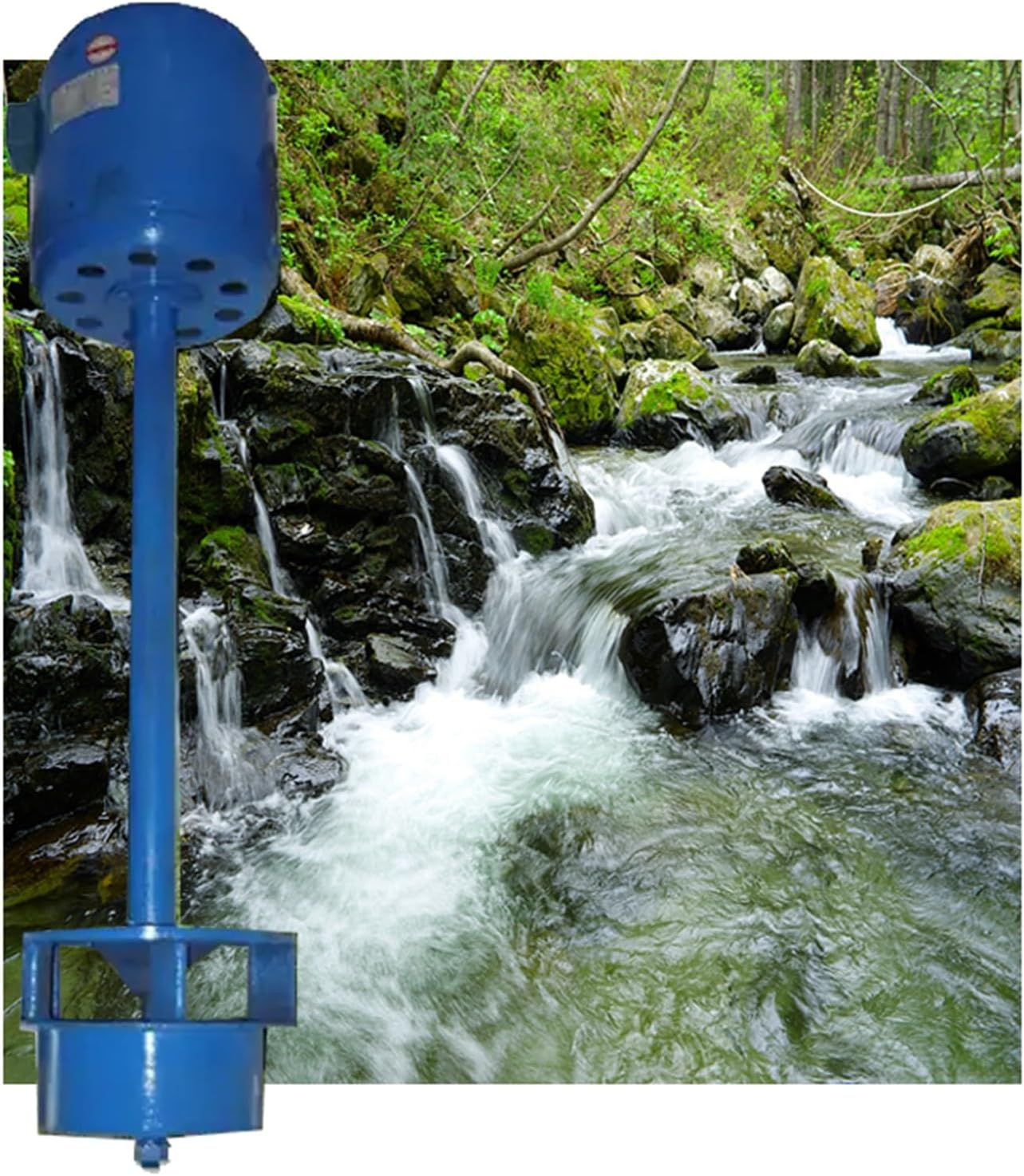
There is no such thing as a one-size-fits-all water turbine. A turbine that works perfectly on a fast mountain creek will sit there doing nothing on a slow river. A turbine built for a slow river will get blown apart by a mountain creek.
So engineers came up with different shapes, each built for a different combination of head (how far the water falls) and flow (how much water there is).
Let's walk through the six you'll actually see in home and small-scale hydro setups.
Pelton Wheel
The Pelton wheel looks like a metal bicycle rim covered in little cups.
Water comes out of a nozzle as a high-pressure jet and slams into the cups one at a time. Each cup catches the jet, redirects it, and gets pushed by the impact. Then it swings away and the next cup takes a hit.
Picture a kid spraying a paddleboat wheel with a fire hose. That is a Pelton, just made out of metal and bolted to a generator.
Pelton wheels live for big drops with small flow. The kind of stream you'd find tumbling down a steep mountain. A 50-meter drop and 5 liters per second of water is heaven for a Pelton. Low pressure flat streams are useless for it.
Invented by Lester Pelton in California during the 1870s gold rush, when miners needed power for their hoists. Still the most efficient design ever built for high-head sites, often hitting 90% efficiency.
Turgo Wheel
The Turgo is the Pelton's cousin. Same idea, slightly different angle.
Where a Pelton's cups face the jet straight on, the Turgo's blades are angled. The jet hits the blade at a slant, slides across it, and shoots out the other side.
This lets a Turgo handle more flow than a Pelton of the same size. It is a great middle ground when you have a medium-high drop and a bit more water than a Pelton can swallow.
Turgo wheels show up a lot in modern micro-hydro kits because they tolerate dirty water better. Pelton cups can get clogged by leaves. Turgo blades shrug it off.
Francis Turbine
The Francis is the workhorse of the dam world.
It looks nothing like a Pelton. Instead of cups getting hit by a jet, a Francis turbine sits inside a sealed casing full of pressurized water. The blades are curved like the inside of a screw. Water flows around them from all directions and pushes them as it changes direction.
It is less like a paddle and more like a swimmer pushing off a pool wall. The water flows in from the sides, swirls around the blades, and exits down the middle.
Francis turbines are best for medium drops (10 to 100 meters) with medium-to-high flow. Most of the giant hydro plants you've heard of (Hoover Dam, Three Gorges Dam) use Francis turbines or variations of them.
For home use, a Francis only makes sense if you have a real river. They are heavy, expensive, and need precise installation.
Kaplan Turbine
The Kaplan looks like a giant boat propeller mounted inside a vertical pipe.
Water flows downward through the pipe and pushes the blades, just like wind pushes the blades of a propeller plane in reverse. The blades can usually adjust their pitch (the angle they sit at) to handle changing water flow.
Kaplans are built for very low drops with huge flow. A river with 2 meters of drop and a few hundred liters per second is perfect. They are common in flatland rivers in Europe, where there is lots of water but not much hill.
For a home setup, a Kaplan is overkill unless you live next to a serious river. Smaller propeller turbines are basically Kaplans with fixed blades.
Cross-Flow (Banki) Turbine
The cross-flow turbine is a great backyard option.
It looks like an old-fashioned paddle wheel from a steamboat, but with a clever twist. The water flows in one side, hits the blades, then crosses through the middle of the rotor and hits the blades a second time on the way out.
That is where the name comes from. The water flows across the rotor twice, and each pass adds energy.
Cross-flow turbines are a sweet spot for many home hydro setups. They work across a wide range of head and flow conditions. They tolerate dirt and leaves. They are simpler and cheaper to build than a Francis. And they hit decent efficiency (around 80%) without needing precision parts.
If your stream falls into the "medium head, medium flow" range, a cross-flow is probably your best pick.
Archimedes Screw
This one is a beautiful surprise.
The Archimedes screw is one of the oldest machines on Earth. Invented around 250 BC by the Greek mathematician Archimedes, originally to lift water for irrigation and to pump water out of ships. A giant corkscrew inside a tilted tube. Crank one end, and water travels up the screw and out the top.
Run it backwards and you get a turbine. Pour water in at the top, and the screw spins on its own as the water tumbles down. Connect the screw to a generator, and you have a working hydroelectric setup.
Archimedes screws are perfect for very small drops (1 to 5 meters) with lots of water. They are also fish-friendly. Fish can swim right through the screw without getting harmed, which makes them popular in places with strict environmental rules.
Some old grist mills in Europe have been restored with new generators, so the same screw shape that turned for centuries now makes electricity.
How To Pick Yours
Here is the rough guide, based on what your stream gives you.
High drop (over 20 meters), small flow: Pelton or Turgo.
Medium drop (5 to 20 meters), medium flow: cross-flow or Francis.
Low drop (under 5 meters), big flow: Kaplan, propeller, or Archimedes screw.
Pick the wrong one and you'll lose half your power. Pros use software to match a stream to a turbine. For a serious home setup, it is worth paying someone to do this calculation. A bad pick can cost more than the turbine itself.
→ How to measure your stream's head and flow → What goes inside any of these turbines → The pipe that feeds the turbine → Back to the full hydro overview