
A Fan Spun By Water
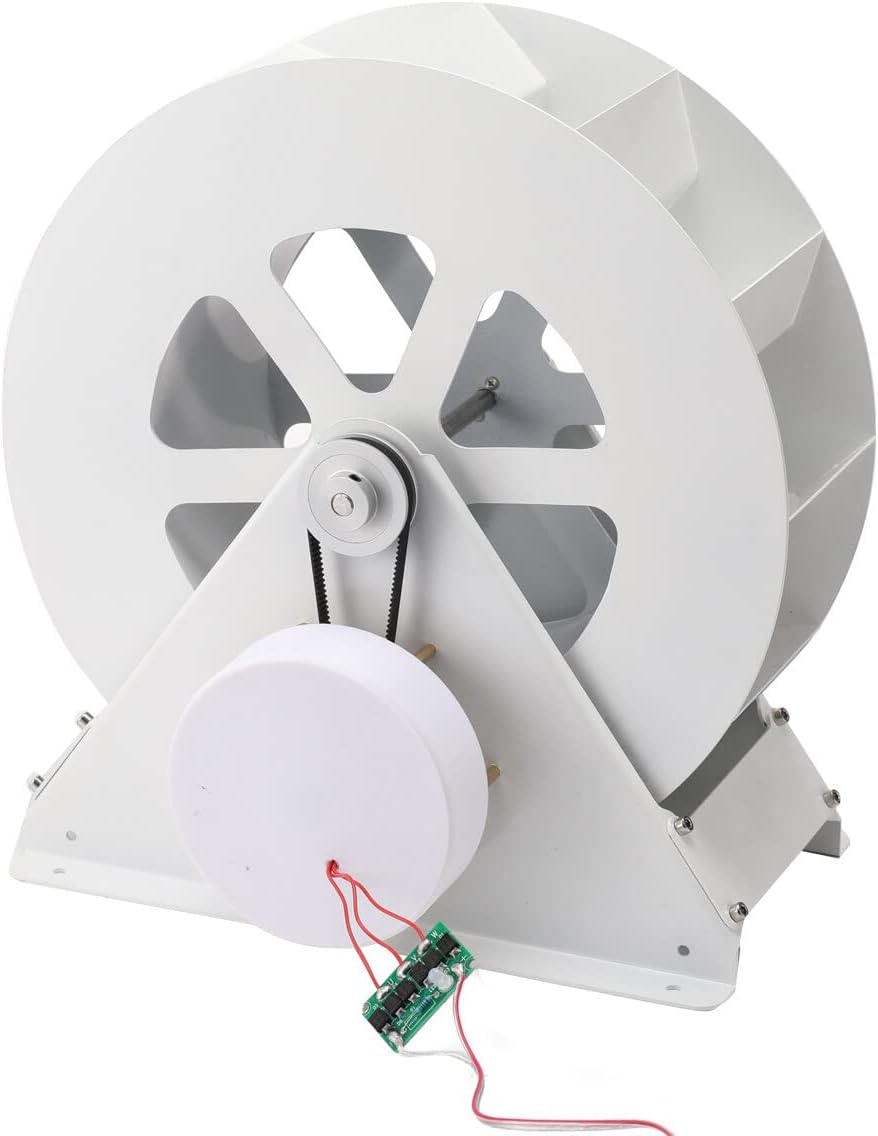
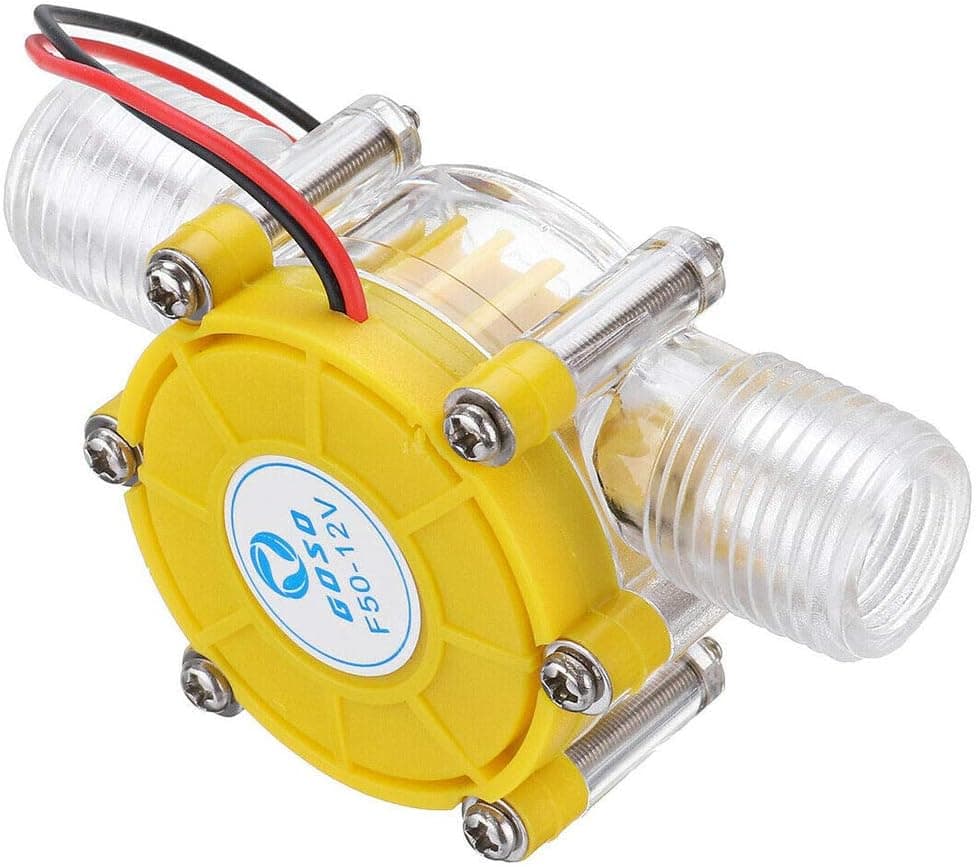
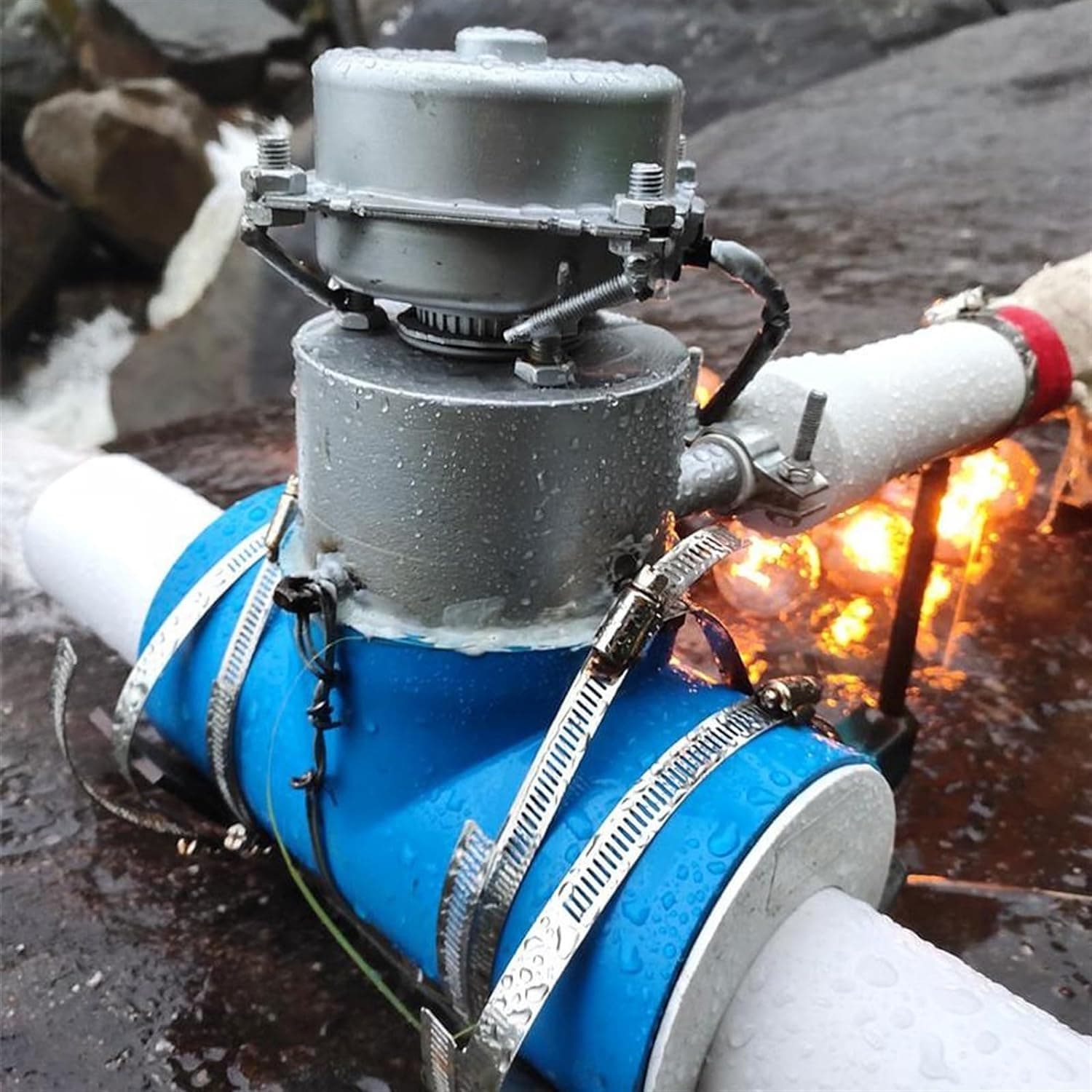
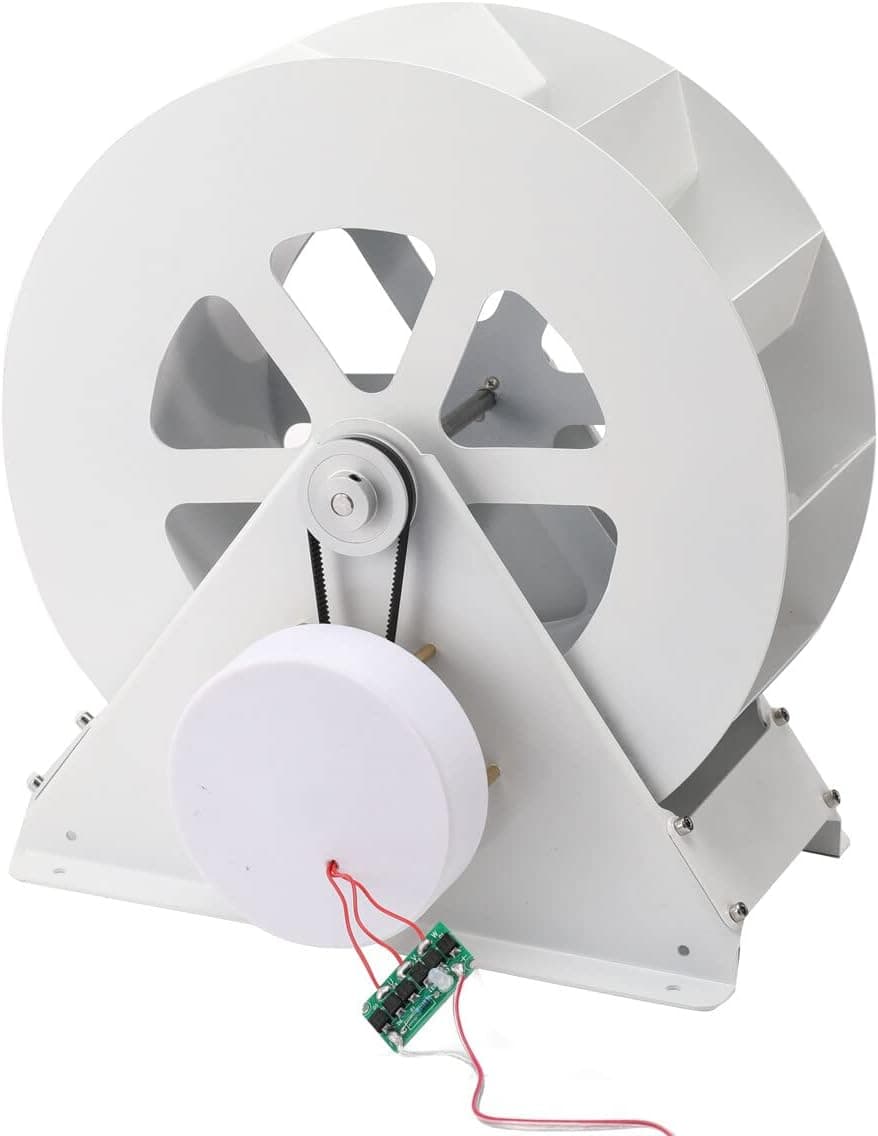
A water turbine is a fan that gets spun by water instead of air.
That is honestly the whole idea. Aim a stream of water at curved blades, and the blades spin. Connect the spinning blades to a generator, and out comes electricity.
But there is a lot going on under the hood. Let's pop one open and walk through the parts, from the water inlet to the wires going out.
The Rotor And The Blades
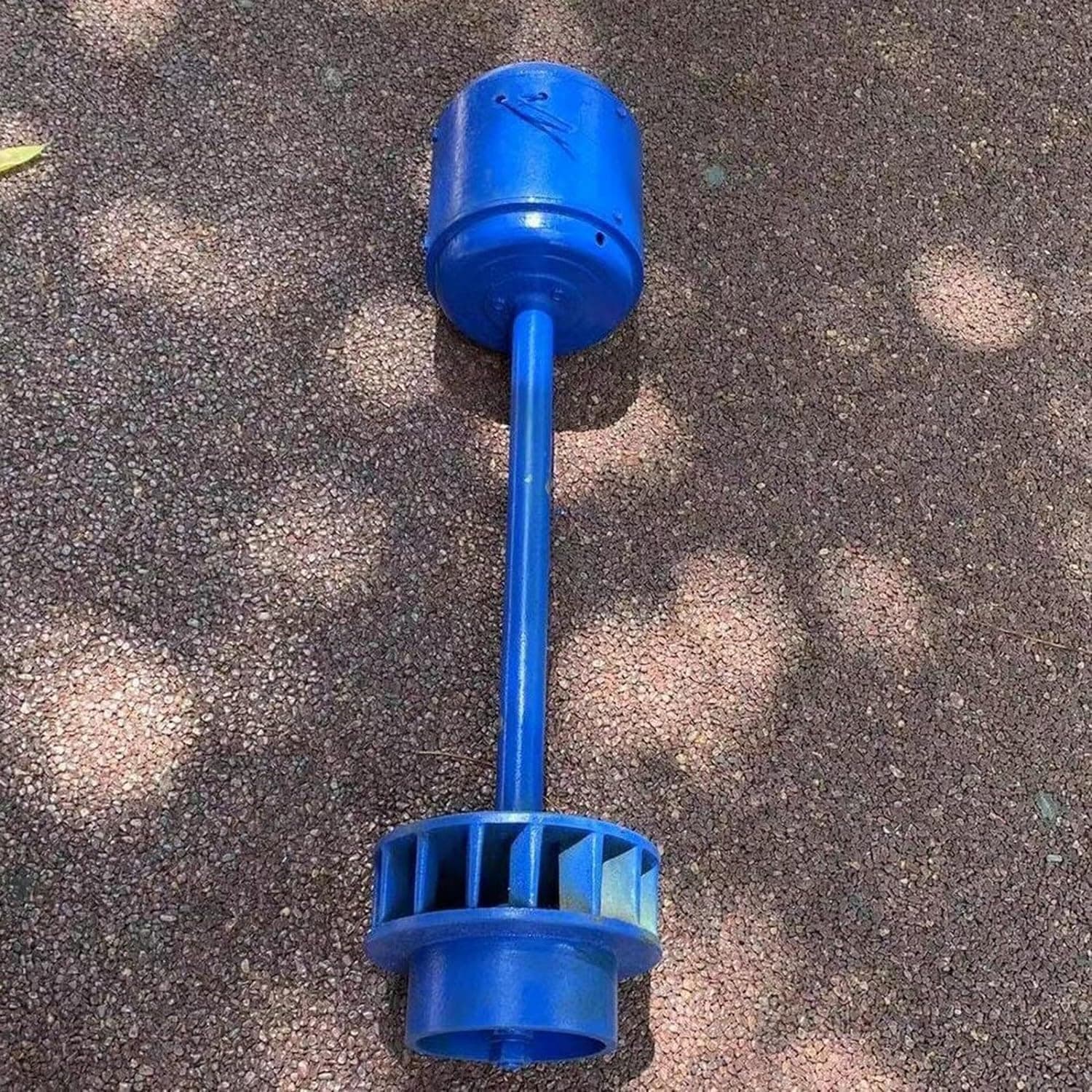
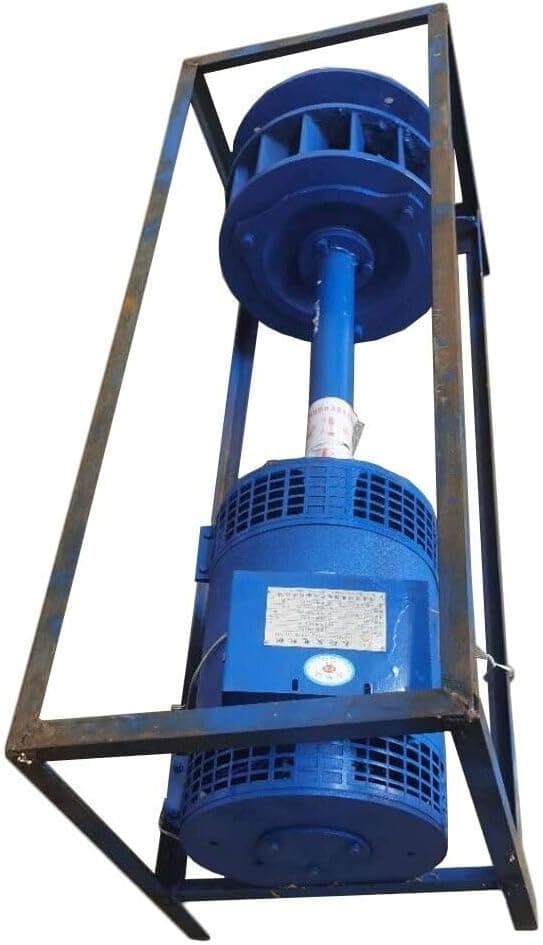
The rotor is the spinning wheel inside the turbine. It is the heart of the whole machine.
The rotor has blades on it. Sometimes they look like metal cups, like on a Pelton wheel. Sometimes they look like a propeller. Sometimes they look like curved spoons inside a sealed drum. The shape depends on the kind of stream the turbine is built for.
→ Every shape of water turbine, and when to use each When water hits the blades, two things can happen.
In an impulse turbine, a fast jet of water slams into the blade, then bounces off. The blade gets pushed by the impact. Think of a kid blasting a paddleboat with a garden hose. That is a Pelton wheel.
In a reaction turbine, the water flows smoothly around the blades and pushes them as it changes direction. The blades almost twist out of the water's way, and that twisting is what makes them spin. Think of a swimmer pushing off a wall. That is a Francis or Kaplan turbine.
Both kinds spin a shaft. They just get there differently.
The Shaft
The shaft is the metal rod that connects the rotor to the generator.
It looks boring. It is not. The shaft has to spin perfectly straight, often at thousands of revolutions per minute, for years on end without wobbling.
If the shaft wobbles by even a hair, the bearings burn out, the rotor scrapes the casing, and the whole turbine grinds to a halt.
That is why even cheap turbines use precision-machined steel shafts and good bearings. Cheap out here, and your turbine lasts a year.
The Bearings
Bearings are the rings of tiny steel balls or rollers that the shaft rides on. They let the shaft spin freely while staying perfectly aligned.
Picture a skateboard wheel. The bearings inside are what let the wheel keep spinning even after you push off. Without them, the wheel would seize up against the axle in seconds.
Turbine bearings are the same idea, just much sturdier. They have to handle constant water spray, vibration, and the weight of the spinning rotor for decades.
When something goes wrong with a home hydro setup, it is usually the bearings. Check them once a year.
→ What yearly maintenance actually looks like
The Generator
This is where motion becomes electricity.
A generator is just a magnet spinning inside a coil of wire. When you spin a magnet near a wire, electricity starts flowing through the wire. Michael Faraday worked out the rules for this in 1831, and every generator on Earth has used the same trick ever since.
Michael Faraday discovered it in 1831. He noticed that moving a magnet near a wire made a meter twitch. That tiny twitch is the basis of every generator on Earth today, from the one in your car's alternator to the giant ones inside dams.
In a water turbine, the shaft from the rotor goes straight into the generator. The shaft spins the magnet. The magnet spins inside the coil. Out comes electricity.
The faster the spin, the more electricity. That is why turbines have a governor watching the spin speed and adjusting the water flow to keep it just right.
The Casing
Wrapped around all of this is the casing. A metal shell that holds everything in place, keeps the water where it belongs, and protects the moving parts.
In an impulse turbine like a Pelton, the casing is just a splash guard. The water blasts the blades, then drops away.
In a reaction turbine like a Francis, the casing has to seal in pressurized water. The blades only work properly if the water surrounds them on every side. That makes Francis turbines harder to build but very efficient.
A good casing also damps noise. A bare turbine is loud. A well-cased one whispers.
The Output Wires
Coming out of the generator are wires carrying the raw electricity.
The electricity here is rough. It surges up and down depending on how fast the rotor is spinning. Your fridge would not like it.
So the wires usually go through a controller (smooths the power), into a battery (stores a buffer), and then through an inverter (changes the type of electricity into something your house understands).
By the time the electricity reaches your light switch, it looks identical to what comes from a power line. The fridge has no idea where it came from.
→ The full story of intakes, pipes, and what feeds the turbine → How hydro compares to solar and wind
Why The Design Matters
A turbine is a fan spun by water. Easy idea. Hard to build well.
Get the blade shape right and the turbine grabs 90% of the water's energy.
Get it wrong and you grab maybe 30%, and a lot of your stream's power just bounces away.
That is why picking the right kind of turbine for your stream is the most important decision you'll make. A Pelton on a low-drop stream is a disaster. A Francis on a tiny trickle does nothing. Match the wheel to the water, and the whole system sings.
→ How to pick the right turbine for your stream → Back to the full hydro overview