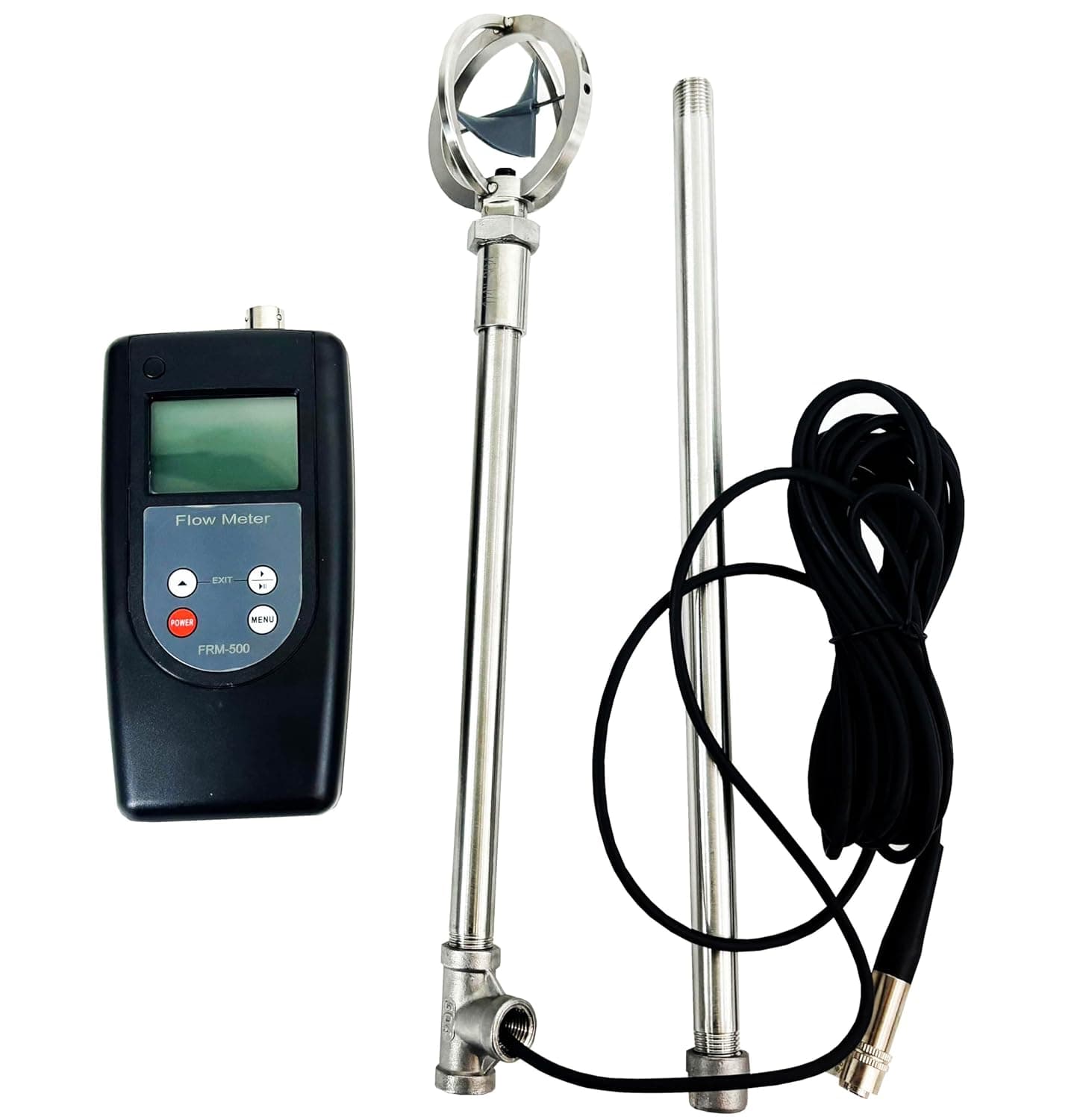

The Big Picture
Hydro has a reputation for being expensive. That is half true.
A small pico-hydro kit (under 1 kilowatt, enough for off-grid lighting and a fridge) costs about as much as a midrange laptop. $1500 to $4000, all-in.
A real whole-house micro-hydro system (3 to 10 kilowatts) lands in a much wider range. Anywhere from $4000 on the cheap end to $30,000 on the high end.
What makes the difference? Mostly the civil works. Concrete, trenching, pipe runs, electrical work, permits. The turbine itself is usually the smallest part of the bill.
Let's break it down piece by piece.
The Turbine And Generator
The actual spinning bit costs less than you'd think.
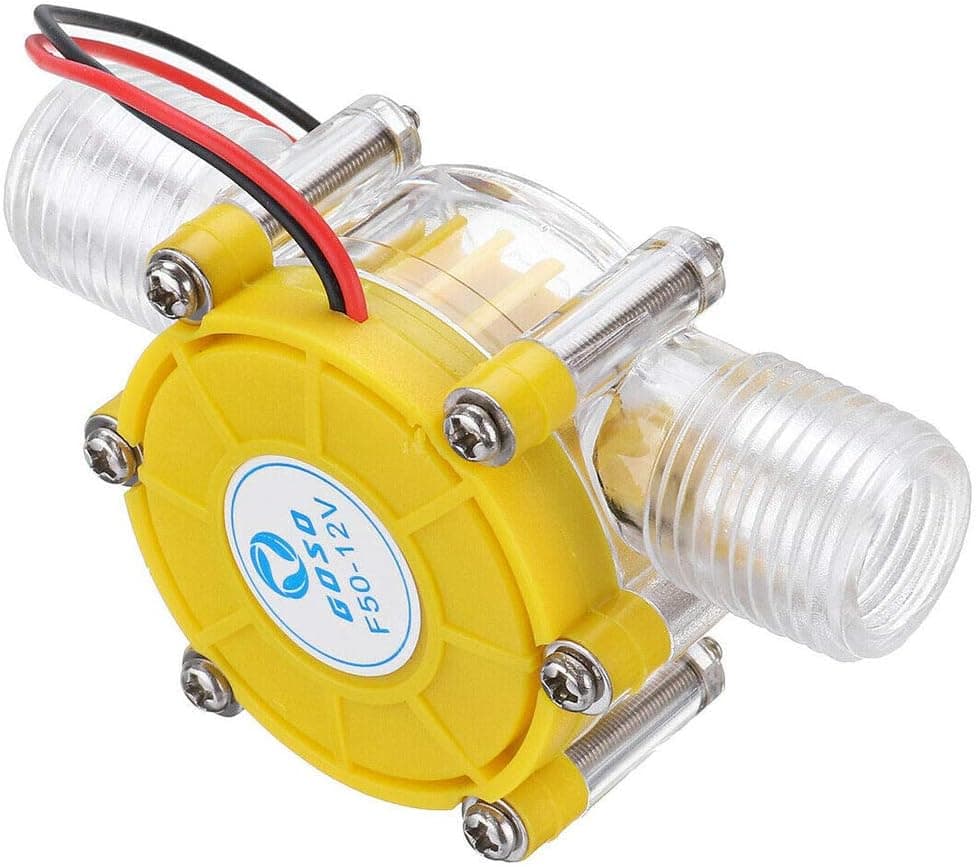
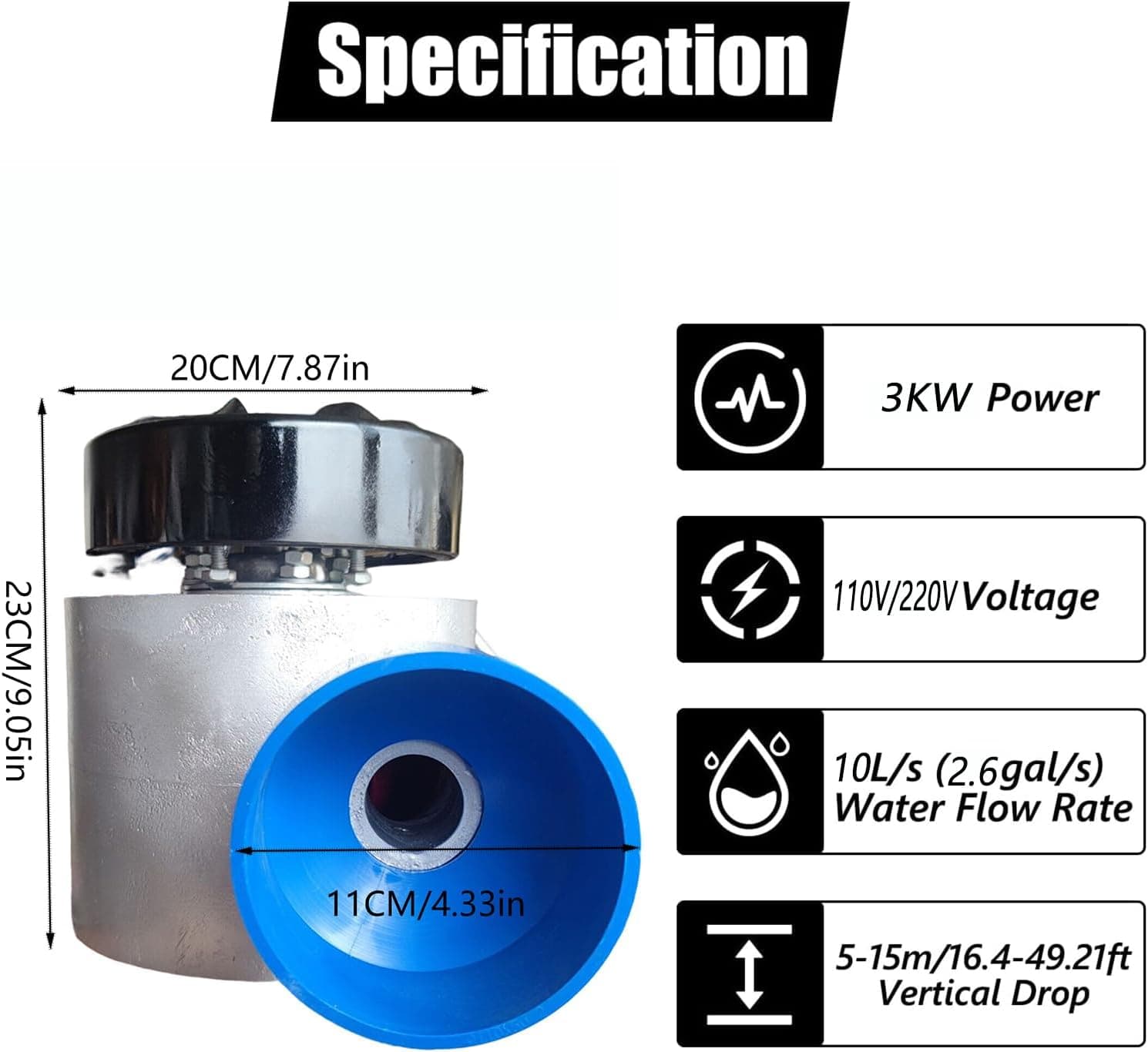
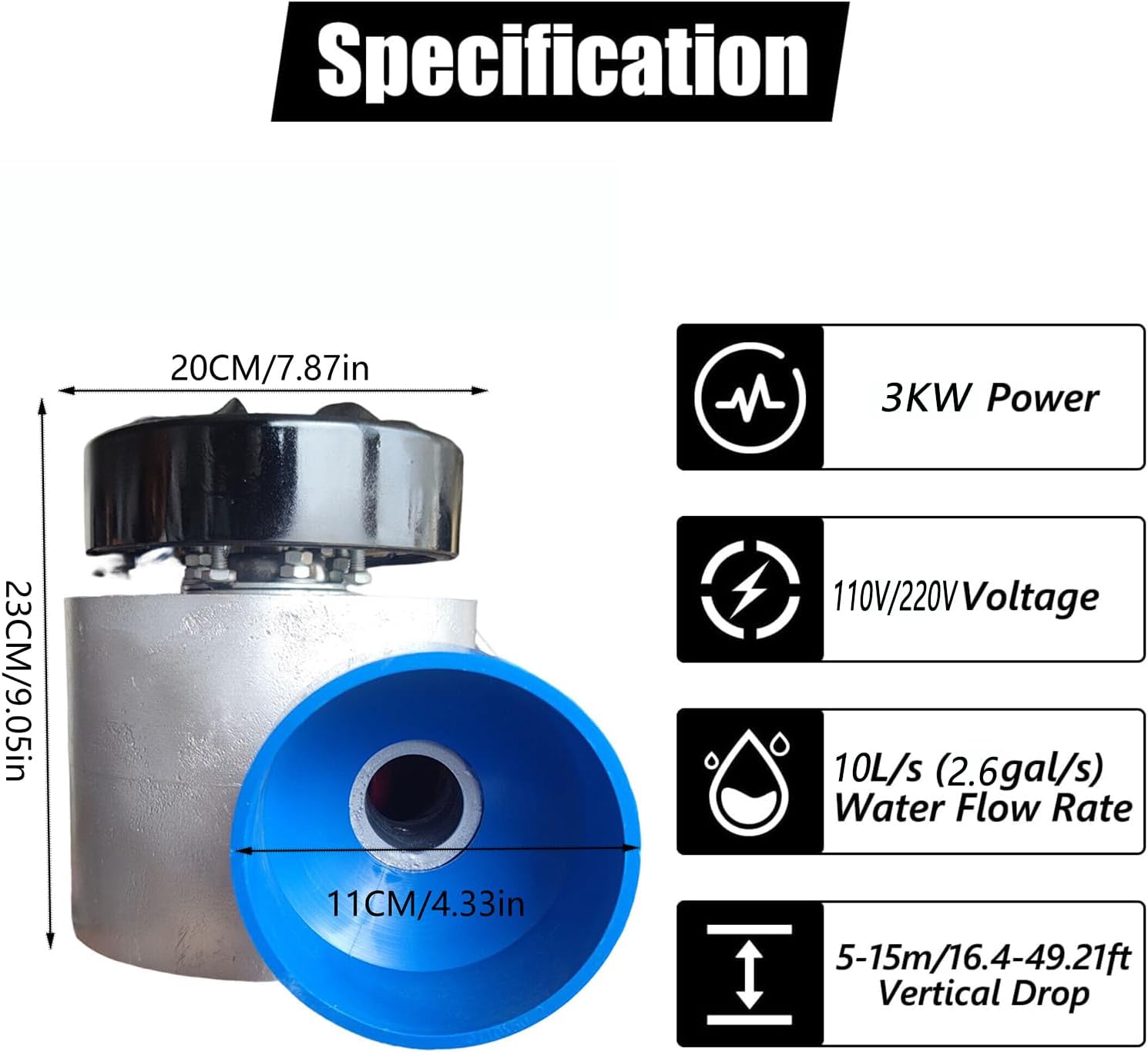
Small Chinese-built pico-hydro units (100 watts to 1 kilowatt) sell on Aliexpress for $200 to $800. They work, but quality varies wildly. Some last 20 years, some die in a season.
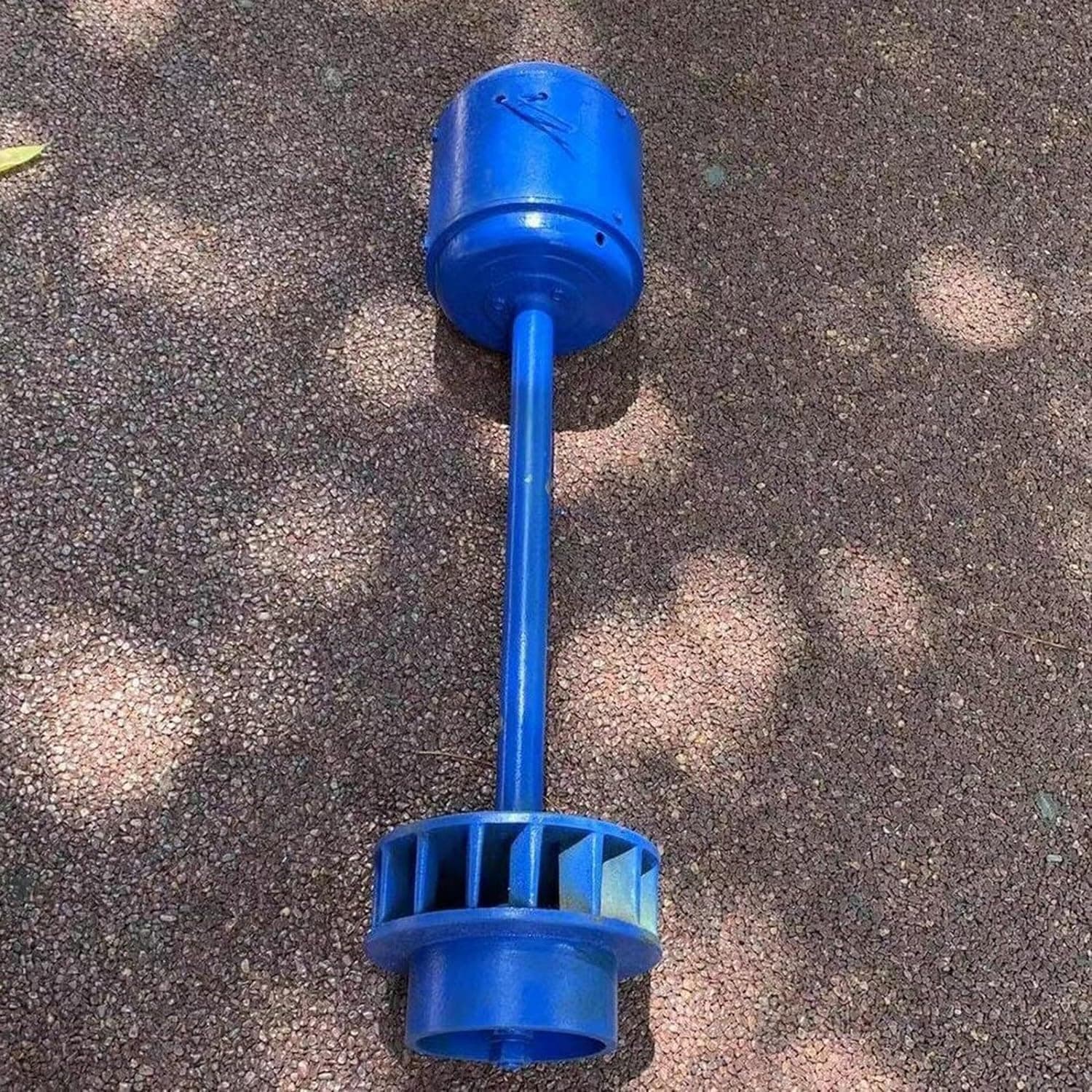
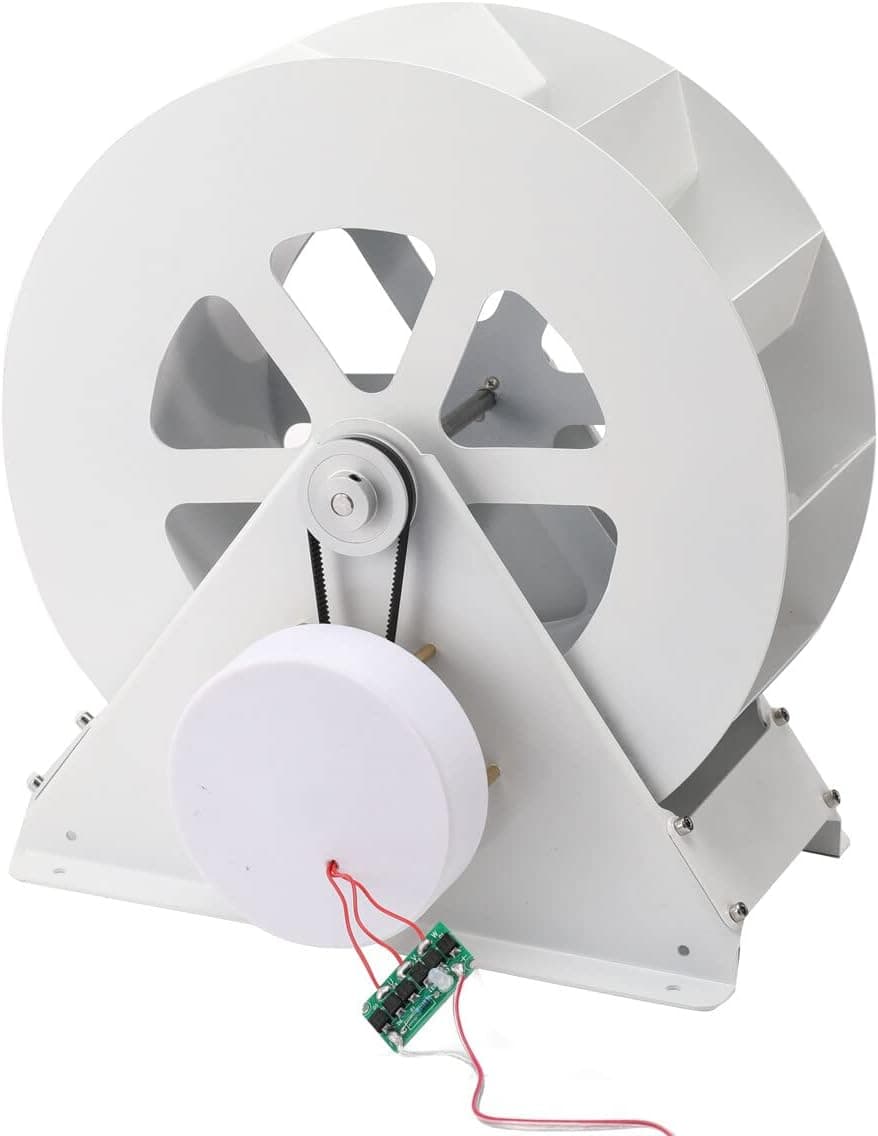
Quality micro-hydro turbines from reputable Western makers (Powerspout, Energy Systems and Design, Stream Engine) cost $2000 to $6000 for a 1 to 5 kilowatt unit.
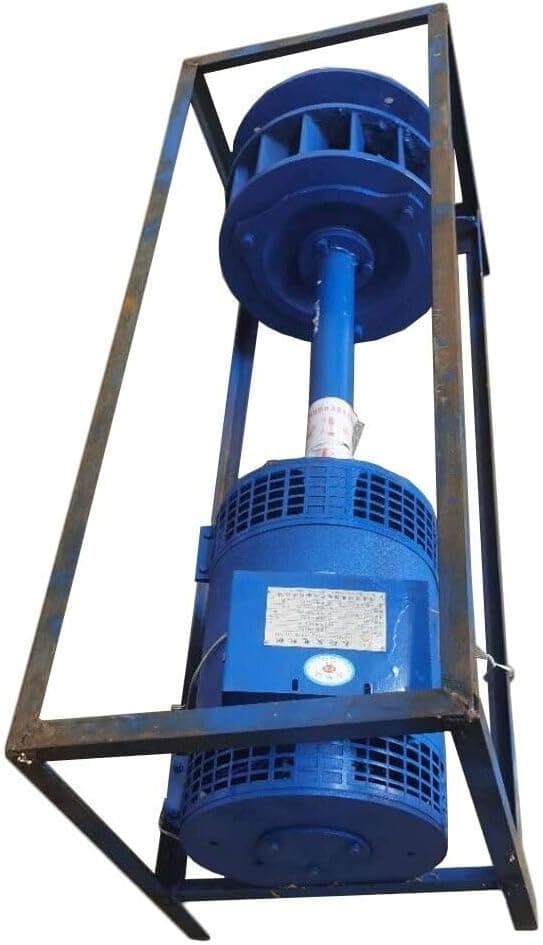
A serious whole-house turbine from a name brand (3 to 10 kilowatts) costs $6000 to $15,000.
If you have a hard-to-match stream, custom builds can climb higher. A bespoke Pelton wheel for a specific mountain stream can easily run $20,000.
→ How to pick the right turbine type
The Penstock (Pipe)
The pipe from your intake down to the turbine is often the second biggest expense.
HDPE pipe runs about $5 to $20 per meter depending on diameter. A typical home setup needs 100 to 300 meters. That is $500 to $6000 just in pipe.
Steel pipe (for high-pressure setups) is more like $50 per meter. A 200-meter steel penstock can cost $10,000 by itself.
Then there is installation. Burying the pipe means digging a trench, which usually costs $5 to $20 per meter of trench. Add another $1000 to $5000 for trenching on a typical home setup.
→ How the intake and penstock work
The Intake Structure
The intake is a small concrete or stone box at the upstream end. Plus a screen, a gate valve, and maybe a small settling pond if your stream carries silt.
A simple intake can be built for $500 in materials if you do the work yourself. A pro will charge $2000 to $5000.
If you need a small dam or weir to redirect the stream, add another $2000 to $10,000.
Electrical Components
Once the turbine spins, you need wiring and electronics to get the power into your house.
A controller (smooths the power and protects the turbine) costs $300 to $1500.
A battery bank (optional but useful) for a typical home is $2000 to $6000.
An inverter to convert the DC into AC for your house, $1000 to $4000.
Wiring from the turbine to your house, $500 to $3000 depending on the distance.
Safety gear (breakers, surge protectors, grounding), $200 to $800.
Permits And Paperwork
This is the silent killer of hydro projects.
In some countries, a basic water rights permit costs a few hundred euros and takes a few weeks. In others, you might need an environmental impact study, a fisheries assessment, and a series of public consultations that can stretch a year and cost $5000 to $20,000.
In the United States, federal water rights are handled by FERC for anything over 10 kilowatts. Below that, it is state-level, which varies wildly.
In the UK, the Environment Agency handles abstraction licenses. For small home systems, the cost is usually under £500 but the wait can be six months.
→ Why you probably need a permit
Installation Labor
If you hire pros, expect $3000 to $15,000 for installation labor on a typical home system. The work includes digging trenches, pouring concrete, mounting the turbine, running wires, and commissioning the system.
If you DIY some or all of it, you can knock this down a lot. But hydro has more electrical and structural risk than solar. A bad penstock joint can flood your land. A wrong inverter wiring can fry your house. Most people hire a pro for at least the electrical and structural parts.
A Sample Budget
Here is a realistic budget for a 3-kilowatt whole-house micro-hydro setup with 200 meters of penstock and 100 meters of cable run to the house.
Turbine and generator: $5000
Penstock pipe (HDPE, 200 meters): $2500
Trenching: $2000
Intake structure: $1500
Battery bank, inverter, controller: $5000
Wiring and safety gear: $2000
Permit fees: $1000
Installation labor: $6000
Total: $25,000
This is a real number for a real system in the US or UK. In countries with cheaper labor, you can get the same setup for half. With heavy DIY, you can sometimes do it for $10,000 to $12,000.
When It Pays Back
Here is the part that makes the up-front cost manageable.
A 3-kilowatt micro-hydro system running 24/7 makes about 26,000 kilowatt-hours per year.
At $0.20 per kilowatt-hour (a normal residential rate in much of Europe), that is $5200 a year you are not paying.
Payback on a $25,000 system: about 5 years.
Then it just keeps running. For 30 to 50 years.
So you spend $25,000 and get back maybe $150,000 over the life of the system. Roughly six times your money. That ignores the fact that electricity prices keep going up, which makes the payback even better.
→ Calculate your actual electricity use
Cheap Pico-Hydro For The Curious
If you want to try hydro without committing to a big budget, pico-hydro kits are a great way to start.
A 200-watt Chinese kit for $300 will run a few LEDs, a phone charger, and maybe a small fridge. Not a whole house, but a real glimpse at what hydro can do. If it works on your stream, you can scale up.
These kits are also great for hunting cabins, remote workshops, or sheds. Any place where 50 to 200 watts is enough to make life nicer.
→ Pico, micro, and small hydro explained
The Bottom Line
Hydro costs more up front than solar. Sometimes a lot more.
But the system runs 24/7, lasts twice as long, and barely needs batteries. Over 30 years, a hydro setup almost always beats a solar setup on a stream that qualifies.
If you have the water, the math is hard to argue with.
→ How hydro stacks up against solar and wind → Back to the full hydro overview