
The 30-Second Check
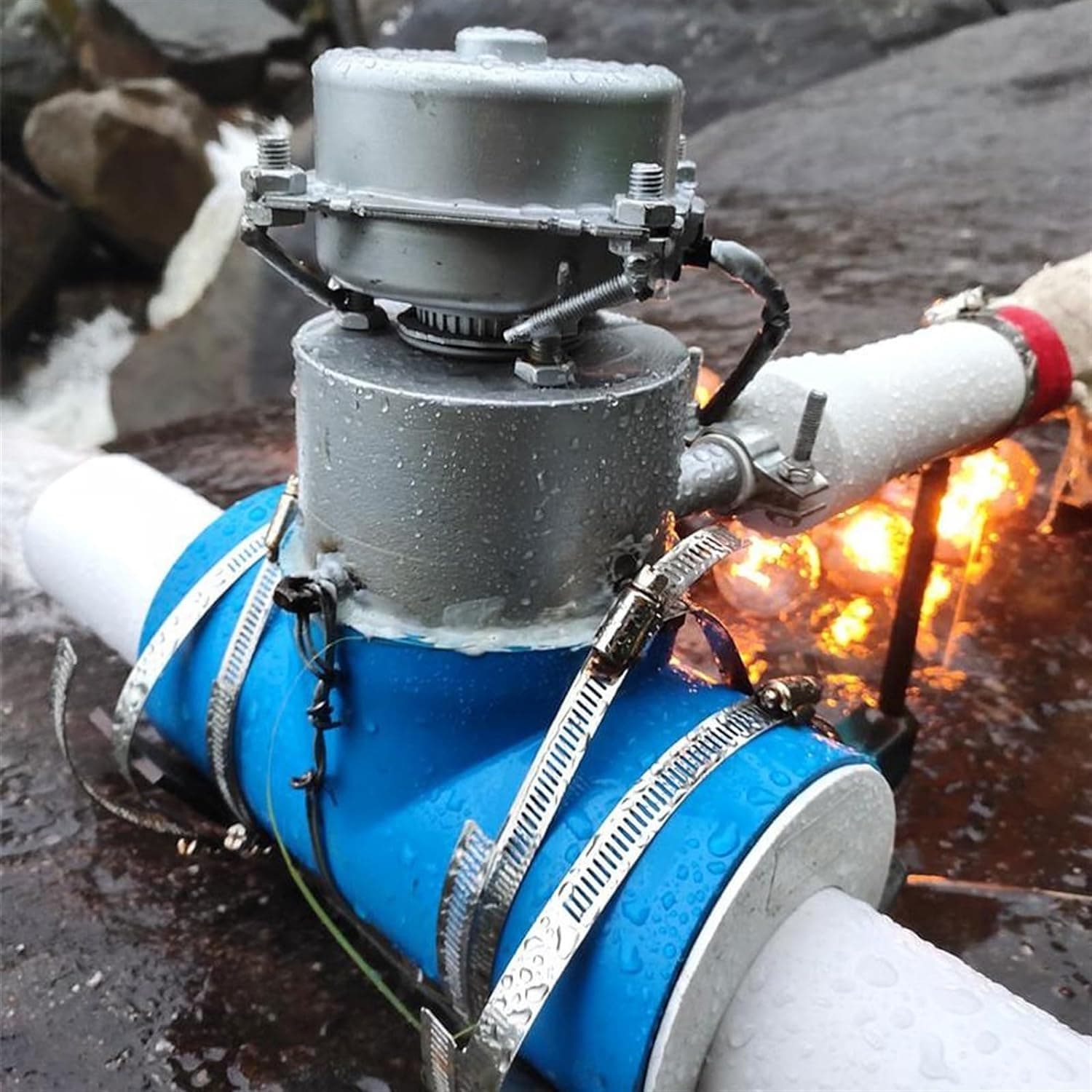
You have a stream on your land. Or near it. The big question is whether it can actually power your house, or whether it is just a pretty trickle.
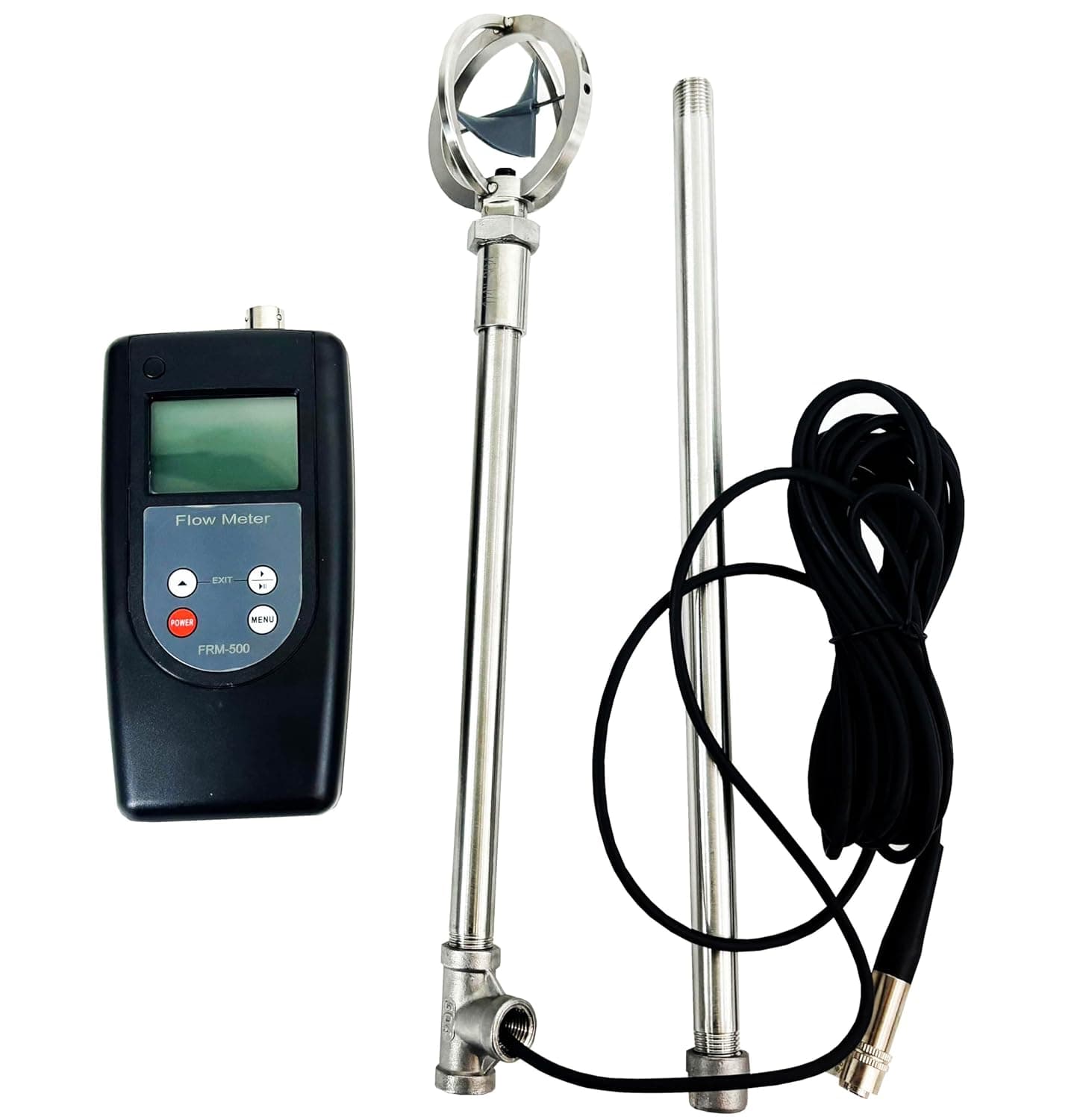
There is a simple test. It takes about 30 seconds once you have two measurements.
Take the head (the vertical drop in meters from where you'd put the intake to where you'd put the turbine).
Multiply by the flow (the water passing by in liters per second).
Multiply by 7.
That is your power in watts.
If the answer is under 200 watts, your stream cannot power your home. You might run a few LEDs, but that is it.
If the answer is between 200 and 1000 watts, you can run the fridge, lights, a TV, maybe a laptop. Lights-on living, but you'll still need backup for big appliances.
If the answer is over 1000 watts (1 kilowatt), you are in business. A normal house can be run on this.
→ How to actually measure head and flow
A Few Real Examples
Stream A: 6-meter drop, 25 liters per second.
6 × 25 × 7 = 1050 watts. Whole-house territory. Worth pursuing.
Stream B: 2-meter drop, 40 liters per second.
2 × 40 × 7 = 560 watts. Useful, but you'd need solar or wind on top for laundry, electric heat, anything big.
Stream C: 30-meter drop, 3 liters per second.
30 × 3 × 7 = 630 watts. Small flow but huge drop. A Pelton wheel would love this.
Stream D: 1-meter drop, 5 liters per second.
1 × 5 × 7 = 35 watts. That is 35 watts. Not enough to charge a phone fast. Skip it.
The Minimum Head Rule
If your stream drops less than 2 meters between any two reasonable points, hydro probably is not worth your time.
You can technically build something at lower head. Archimedes screws work down to 1 meter. But the math gets ugly fast. To make 1000 watts at 1 meter of head, you'd need 143 liters per second of flow. That is a river, not a stream.
For most home setups, 3 meters is the practical minimum. Below that, civil work costs eat your savings.
The Minimum Flow Rule
Same idea on the flow side. Below about 2 liters per second, even a tall drop cannot save you. The water is just too thin.
Why? Because turbines need a certain amount of water just to spin reliably. Below a threshold, the water cannot push hard enough to overcome bearing friction. The turbine sits there sulking.
Pico-hydro setups can sometimes work down to 1 liter per second, but they make tiny amounts of power. Useful for off-grid lighting in a remote cabin. Not useful for running a household.
The Dry-Season Test
Here is the most important rule in the whole article.
Measure your flow in the driest part of the year.
A stream that pumps 100 liters per second in March and 5 liters per second in August will run your house in March and barely run a lightbulb in August.
You size your turbine for the dry season. Anything above that gets diverted past the intake and back into the stream. So the dry-season number is the real number.
If you can, measure once in February (high flow), once in May, and once in August (low flow). The August number is what matters.
If you can't wait that long, talk to neighbours who have lived nearby for years. They'll know if the stream goes dry, or how low it gets.
Drought-Year Caution
There is one more layer of paranoia worth having. Climate change is making droughts worse in many parts of the world.
If you live somewhere that gets occasional bad drought years, plan for a drought year as your worst case. Not just a dry summer.
A stream that limps along at 3 liters per second every summer might drop to 1 liter per second one out of every ten years. If your turbine needs 3 liters per second to run, you'll lose hydro for those droughts. Solar backup or a generator becomes your safety net.
What Else Could Stop You
Even if the numbers work, two other things can kill a hydro project.
Water rights. In most countries, you do not own the water flowing through your land. The state does. So you usually need a permit before you can divert any. In some places this is easy. In others it is a year of paperwork.
→ Why you probably need a permit, and how to get one Distance from the stream to your house. Every meter of cable from the turbine to your house costs money and loses a tiny bit of power. If the stream is 500 meters from your house, you'll need expensive cable and a higher turbine voltage to keep losses low. Doable, but factor it into the budget.
The Honest Answer
For most people, the answer is no. Most properties do not have enough flow and head to make hydro work. Solar and wind are the realistic options.
But if you do have a real stream with a real drop, hydro is the gold standard of off-grid power. The numbers above will tell you in 30 seconds whether you're in that lucky group.
If they are close (just under the threshold) it is worth getting a professional out to measure properly. Sometimes there is more head available than you think, by moving the intake further upstream. Or more flow than you measured, if you did it during a dry spell.
→ The full cost breakdown for a home hydro system → Pico, micro, and small hydro explained → Back to the full hydro overview