
Less Work Than You'd Think
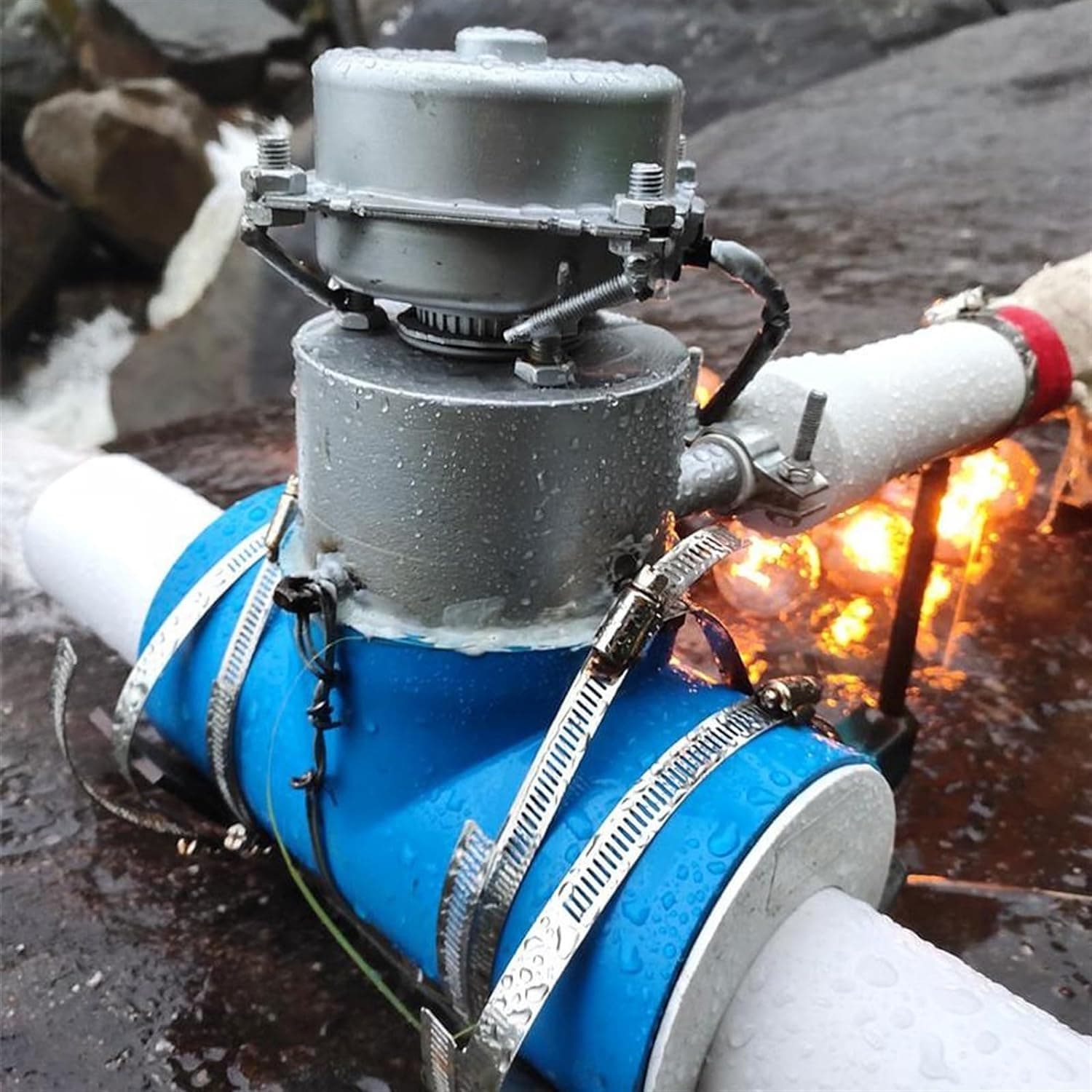
Hydro is famously low-maintenance. There are stories of small turbines in remote villages running for 50 years with almost no attention.
But "low-maintenance" is not "no-maintenance". The water is constantly trying to do two things: clog the system with debris, and corrode every metal part it touches.
If you ignore both, the system will fail. If you spend a few hours a year on it, the system will outlive you. Here is what those few hours look like.
After Every Storm: The Intake Screen
This is the one thing you'll do most often.
After a rainstorm, the stream picks up leaves, branches, gravel, and sometimes a dead fish. All of that ends up pressed against the screen at your intake.
A clogged screen is your enemy. Water stops flowing into the penstock. The turbine slows down. The power drops. If the clog is bad enough, the turbine stops entirely.
The fix is easy. Walk to the intake. Pull off the gunk. It takes 2 minutes. Do this after every storm and after every windy day in autumn (when leaves fall).
Some setups have self-cleaning screens that vibrate or use a backwash. They work but cost more. Most home setups stick with manual cleaning.
→ How the intake and penstock actually work
Once A Year: The Bearings
The bearings inside your turbine are the most likely thing to wear out.
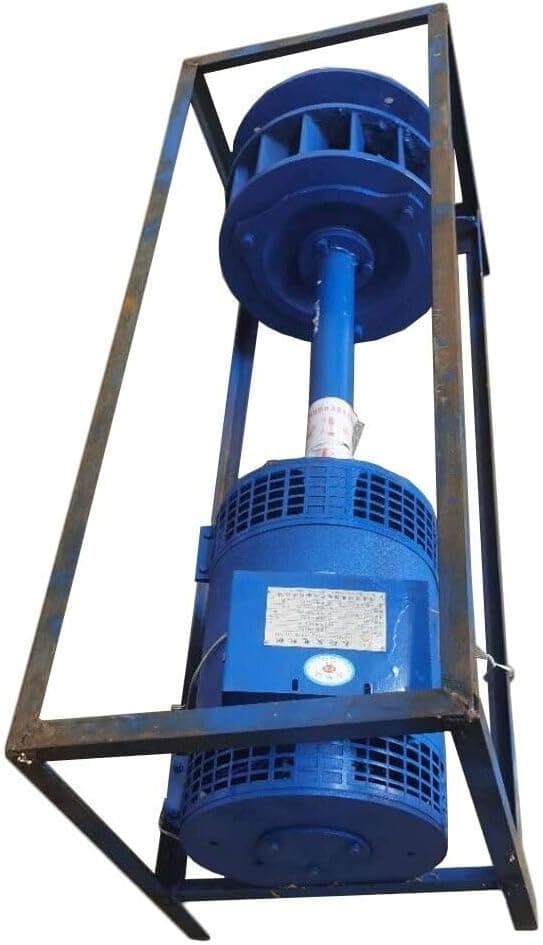
Bearings are the rings of tiny steel balls that let the rotor shaft spin. They handle every revolution. After a few hundred million spins, they start to wear.
Once a year, listen to the turbine. A healthy turbine hums smoothly. A turbine with worn bearings starts to whine, grind, or rattle.
If you catch the problem early, bearings cost $20 to $100 to replace and an afternoon of work. If you let them die, the rotor can scrape the housing, the shaft can warp, and you are looking at a $2000 repair.
Most turbines have grease fittings (zerk fittings) where you can pump fresh grease into the bearings once or twice a year. Cheap insurance.
Once A Year: The Generator
The generator (the magnet-and-coil bit that makes electricity) needs less attention than the turbine.
Once a year, open it up, inspect the windings for corrosion or burn marks, and check that the connections are tight.
Generators with brushes (older designs) need the brushes inspected every few years. Brushless generators are basically maintenance-free apart from the bearings.
Once A Year: The Penstock
The pipe from your intake to the turbine is mostly self-cleaning. Water rushing through scrubs it.
But once a year, walk the length of the penstock and look for problems.
Check for leaks. A small leak at a joint will get bigger fast under pressure.
Check for sediment buildup at low points. Sometimes silt settles in slow spots and slowly reduces the pipe's working diameter.
Check that the air vents at the top of any high points still work. A stuck air vent can let air pockets build up, which causes water hammer.
If you find an issue, close the gate valve at the intake, drain the pipe, and fix it. A drained penstock is easy to work on.
Seasonally: Watching For Ice And Floods
The biggest threat to a home hydro setup is not normal wear. It is weather extremes.
In winter, ice can form inside the intake or freeze the penstock if water stops flowing. Most home setups in cold climates either bury the penstock below the frost line, insulate it heavily, or keep enough water flowing to prevent freezing.
If you live somewhere that freezes hard, do an autumn check. Make sure the intake is clear, the penstock is insulated, and the turbine housing is rated for cold.
In spring, floods are the danger. A big storm can wash boulders down the stream that smash into your intake. Some setups install a "trash rack" upstream of the intake. A heavy grate of steel bars that catches big debris before it reaches the more delicate intake screen.
After any major flood, walk the whole stream from upstream of the intake down to your turbine and inspect everything. Look for shifted rocks, exposed pipe, damaged structures. Catch problems early.
Every 5 Years: Seals And Bushings
The rubber and plastic parts inside the turbine wear out over years.
Every 5 years or so, open the turbine and replace the shaft seals (which keep water out of the bearings), any rubber gaskets, and any plastic bushings.
These are cheap parts ($20 to $100 total) but a pain to access. Plan for a half-day job.
Every 10 Years: A Full Inspection
About every decade, get someone professional in for a full inspection.
They'll check the rotor for cavitation pitting (tiny holes from collapsing water bubbles). They'll measure the bearing tolerances. They'll inspect the controller and inverter electronics. They'll test the generator output under load.
Catching problems at this level is the difference between a 30-year system and a 50-year system. A few hours of pro time every decade keeps the whole machine on track.
What Goes Wrong Most Often
After talking to dozens of home hydro owners, the same problems come up over and over.
Clogged intake screens. Number one issue, easy to fix.
Worn bearings. Number two, requires more attention.
Air pockets in the penstock causing water hammer. Easy to fix once you know to look.
Cold-weather failures. Mostly avoidable with good initial design.
Damage from floods or storms. Mostly avoidable with a trash rack and good intake placement.
What almost never fails: the turbine wheel itself, the generator coils, the basic structure. Hydro is robust.
→ Inside the turbine, where most issues happen
The Total Time Commitment
For a typical home hydro setup, expect to spend:
5 to 15 minutes a week clearing the intake screen.
2 to 4 hours once a year doing the annual checks.
Maybe a half-day every 5 years for seals.
A weekend every 10 years for the deeper inspection.
That works out to roughly 30 hours a year, less if you live in a low-debris area.
Compare that to a solar setup (5 hours a year mostly cleaning panels) and hydro is more work. Compare it to running a generator on diesel (constant maintenance, fuel runs, oil changes) and hydro is paradise.
→ How hydro stacks up against solar and wind → Back to the full hydro overview