
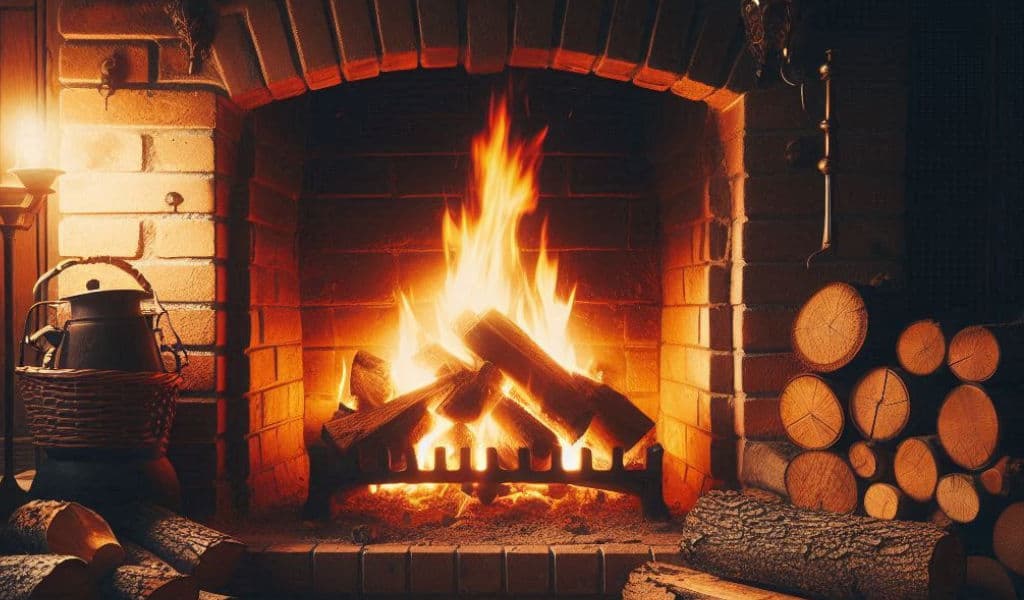
The Quiet Engine Above Your Stove
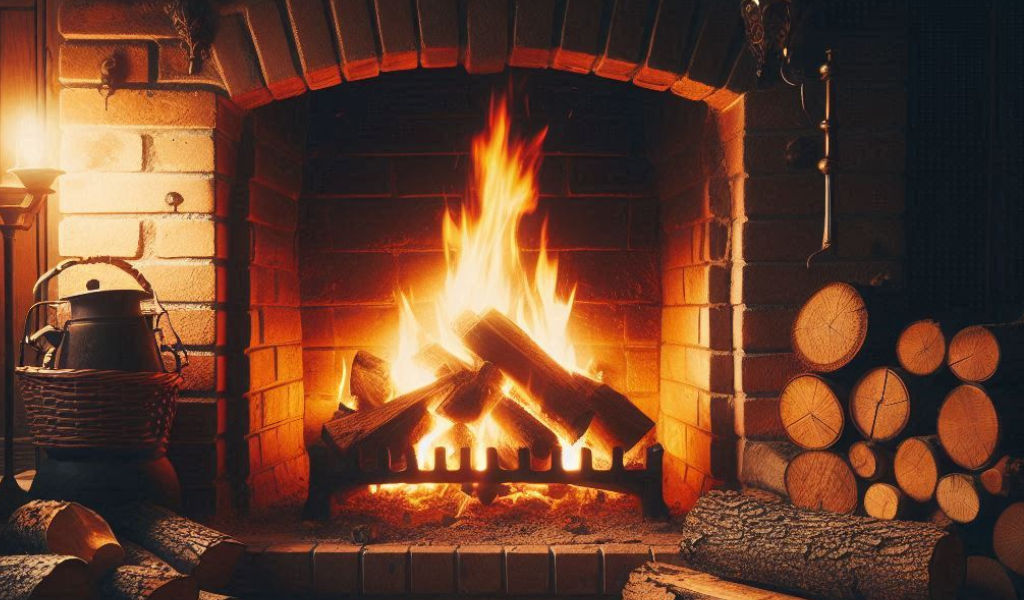
People shop for stoves for weeks. They compare brands, read reviews, pick the perfect model. Then they bolt it onto whatever chimney was already there, light a fire, and wonder why the room fills with smoke.
The chimney does more work than the stove. A great stove on a bad chimney burns badly. A simple stove on a great chimney burns beautifully.
So before you spend money on a fancy firebox, look up at the pipe above it.
What A Chimney Actually Does
A chimney has two jobs, not one.
The obvious job is sending smoke out. Smoke is full of stuff you really don't want to breathe, like carbon monoxide and fine soot. The chimney carries it up and away.
The second job is the one people miss. As hot smoke shoots upward, it pulls fresh air in through the stove's vents. That pull is called the draft. The draft is what feeds the fire oxygen so it keeps burning.
No draft means no fire. Or worse, smoke that backs up into your living room.
Why Height Matters
A chimney needs to be tall enough for hot air to get a real running start.
The rule of thumb is at least 4 meters above the stove. That's about the height of a two-story house. Short chimneys give weak draft, and weak draft gives a sad, smoky fire.
If your cabin sits in a sheltered spot, surrounded by tall trees or tucked behind a hill, you'll usually want more height. Still air locations need a longer chimney to do the work that wind would have done for you.
You also want the top of the chimney to clear the roof by at least a meter, and it should stick up higher than anything within 3 meters of it. Otherwise wind hitting the roof can push smoke back down into the house. That's called downdraft, and it's the worst.
Diameter Is Not A Detail
The diameter of the chimney has to match the outlet on the stove. Same size, never smaller.
If the chimney is too narrow, smoke can't get out fast enough. The fire chokes. Smoke spills out the door every time you open it.
A chimney slightly wider than the stove outlet is fine, but a chimney narrower than the outlet is asking for trouble. Check the stove manual. Whatever number it says, that's the minimum.
A Cold Chimney Is A Dead Chimney
Here's the part that surprises most people. A cold chimney barely works.
Smoke needs to stay hot all the way up to keep rising. If the chimney is freezing cold (say, an outside wall in winter), the smoke cools down before it reaches the top. Cold smoke is heavy. Heavy smoke sinks instead of rising.
That's why cabins use double-wall insulated pipe. It's basically a chimney inside a chimney, with insulation in between. The smoke stays hot, the draft stays strong, and your fire keeps pulling air the way it should.
Single-wall pipe inside the house is fine, because the room is warm. The moment the pipe goes outside or through a cold attic, it needs insulation.
The Sticky Black Problem
Every wood fire leaves a little tar on the inside of the chimney. That tar is called creosote, and it builds up slowly over weeks of burning.
Two things to know. It can catch fire (a chimney fire sounds like a jet engine roaring above your roof, and it can set the house on fire), and it builds up faster if you burn green wood, because cool smoke leaves more tar than hot smoke.
So how often do you clean? At least once a year for a normal wood stove burning dry hardwood. Twice a year if you burn a lot, or if your wood is sometimes green. A pro with a brush takes about an hour.
Keep It Away From Things That Burn
A chimney gets hot. Surprisingly hot, sometimes hot enough to scorch wood right through a wall.
Most building codes ask for at least 50 cm between the chimney pipe and any combustible material. That's the wall, the ceiling, the rafters, any beam. More for some materials.
Where the chimney goes through a wall or ceiling, you need a special metal collar called a thimble. It keeps the heat away from the wood frame. Skip it and a bad install can sit there working fine for ten years, then burn your house down on year eleven.
When Natural Draft Just Won't Work
Sometimes the chimney can't be tall enough. Maybe you live on the side of a hill where wind keeps pushing smoke back down. Maybe the only spot for the stove is a low-ceiling cabin.
For those cases there's a modern fix: a chimney fan. It's a small electric fan mounted at the top of the chimney that helps pull the smoke out. You turn it on with the stove, and it does the work that height would normally do. It uses a little power, so for a fully off-grid setup you'd want to factor that into your battery plans.
The Short Version
A chimney needs to be at least 4 meters tall above the stove, match the stove's outlet diameter, stay insulated wherever it touches cold air, get cleaned at least once a year, and sit far enough from anything burnable. Get those five right and any decent stove will work great.