
What Is Biomass Energy? Wood Is Stored Sunlight
 Illustrative image
Biomass energy is the energy stored in organic material from plants and animals: wood, crops, food scraps, even manure. It is a renewable energy source and resource, because new plants keep growing.
A tree spends its whole life soaking up sunlight. Year after year, it turns that sunlight and air into wood, leaves and branches. The sun's energy gets locked inside the tree.
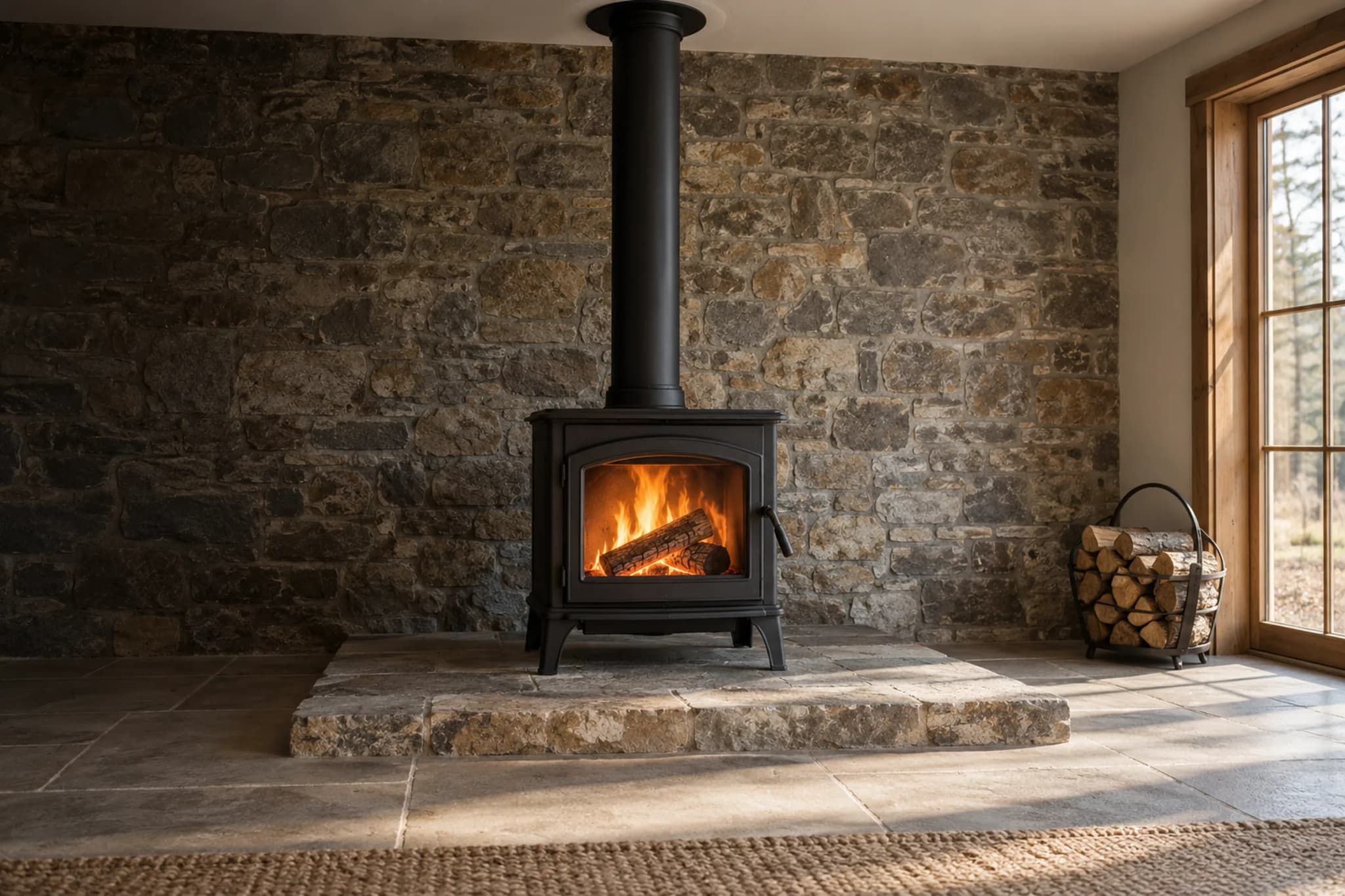
When you burn that wood in a stove, you let the energy back out. The heat warming your hands is sunlight that fell on a tree many years ago.
That's what biomass means. It's a battery made of trees.
A stove burning logs in a cabin tonight is using the same trick as the very first campfire: release the sun the tree stored.
How Does Biomass Energy Work?
 Illustrative image
Biomass energy works by releasing the energy that plants stored from sunlight, mostly by burning the material for heat. Other processes convert it into a gas or a liquid fuel first.
Burning it straight away is the most common process, in homes and in industry alike. Scientists call this "direct combustion", which is just a fancy name for a fire in a box.
Heat From Wood And Pellets
The simplest example is heat. A wood stove burns logs, while a pellet stove burns little pressed-wood pellets fed in by a motor. Either way, the heat warms your house.
The wild thing about a modern wood stove is how much heat it actually keeps. An open fireplace is only 10 to 20% efficient. Most of the warmth flies straight up the chimney. A good wood stove can be 80% efficient or more. Same wood, four to eight times the warmth in the room.
Power Plants: Electricity From Steam
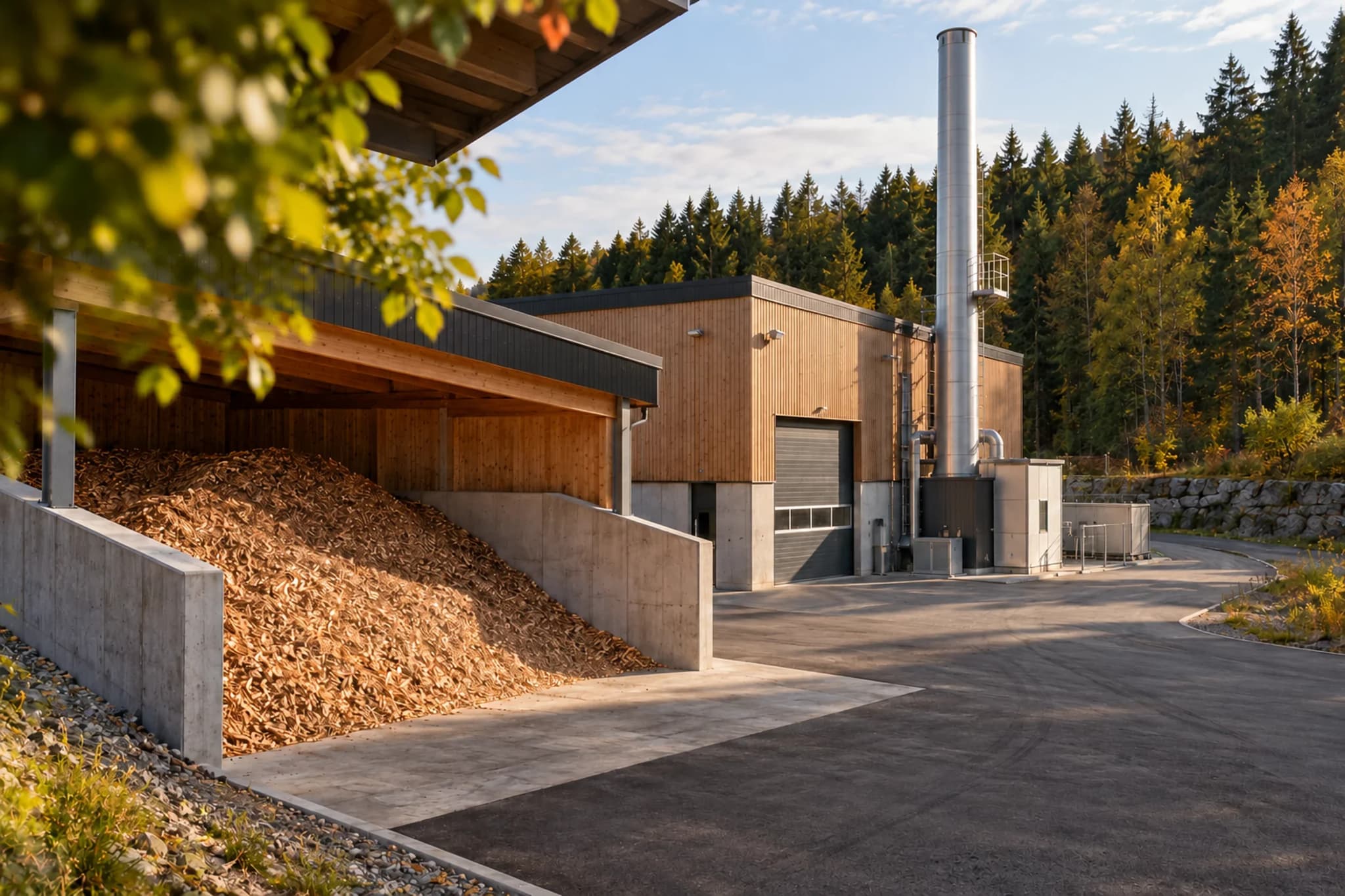
For electricity generation, big plants burn wood chips or crop waste to boil water. The steam spins a turbine, and the turbine spins a generator. It is the same process coal plants use, but the fuel can grow back. Long before those plants, the same steam trick drove engines and trains.
→ How steam turned water into work
→ The parts inside a steam engine
What Are Some Examples Of Biofuels?
Biofuels are liquid or gas fuels made from biomass. The three you hear about most are ethanol, biodiesel and biogas.
Ethanol is an alcohol made by fermenting corn or sugarcane, the same way yeast makes bread rise, and it goes into car fuel. The second is made from vegetable oil, animal fat or used cooking grease. Cars and trucks can run on both, but only in the blends the engine maker allows (more on that in the word list below).
Biogas From Manure And Food Waste
Biogas forms when bacteria break down manure, sewage or food waste without air. It is mainly methane, the same gas as in a gas stove, and farms can capture it to produce heat or electricity.
The Oldest Renewable Energy Source
 Illustrative image
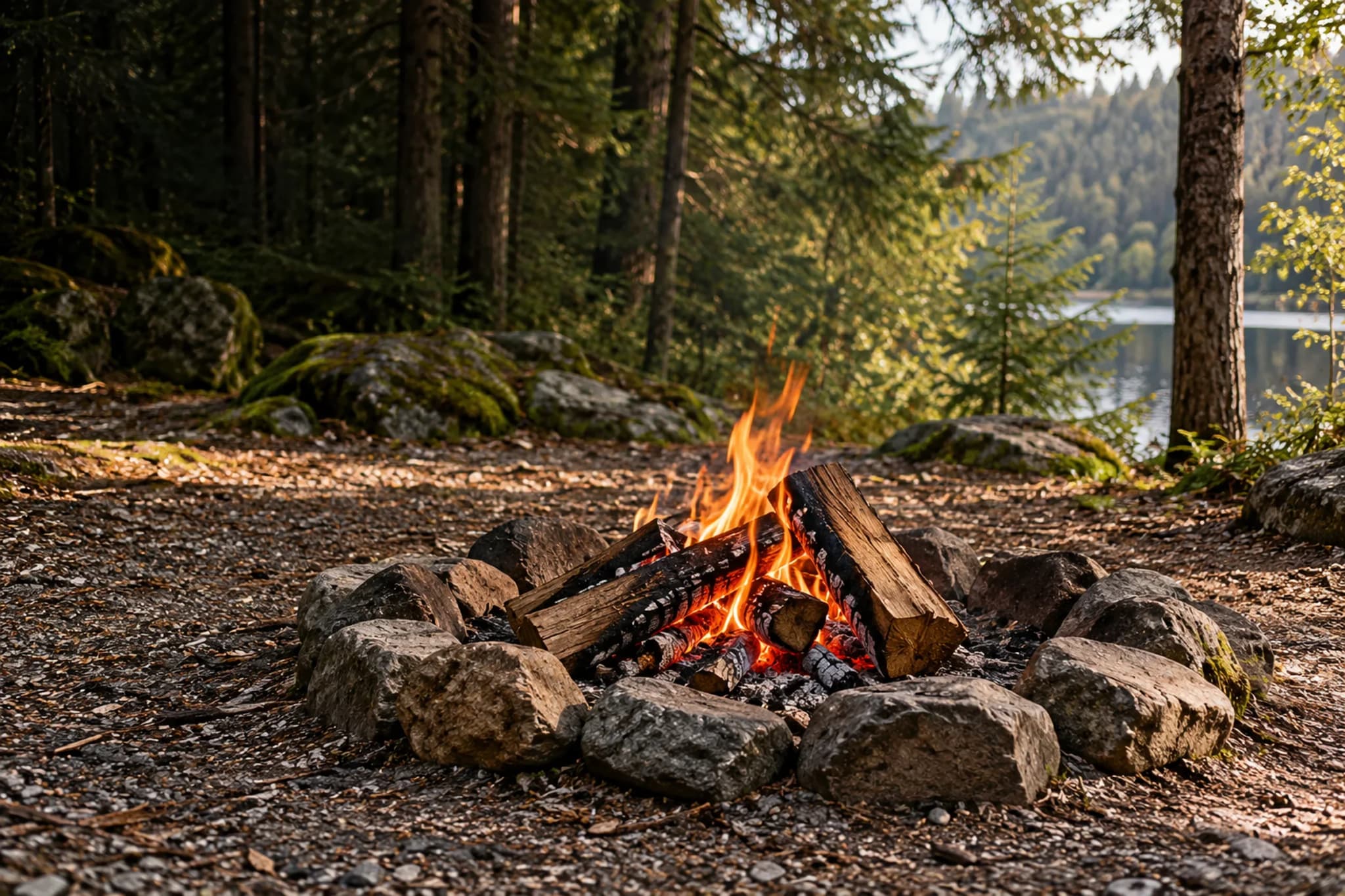
Biomass is the oldest energy humans know. The first people who learned to start a fire were using biomass. They didn't have a word for it. They just had warmth, cooked food, and a way to scare off animals at night.
For most of history, wood was THE fuel. In the U.S., biomass stayed the biggest energy source until about 1885, when coal took over.
But here's the twist. Coal and oil are basically ancient biomass too. Swamp plants and tiny sea creatures that died millions of years ago, squashed underground, turned into black rock and black liquid. So even when we thought we'd moved on, we were still burning old sunlight.
Biomass never really left, either. In 2025 it still provided about 5% of the total energy used in the U.S. However, most of it goes to industry and to biofuels for transport, and only a small share heats homes and buildings.
→ The full story of humans and biomass
→ How people use biomass right now
Benefits And Challenges Of Biomass Energy
 Illustrative image
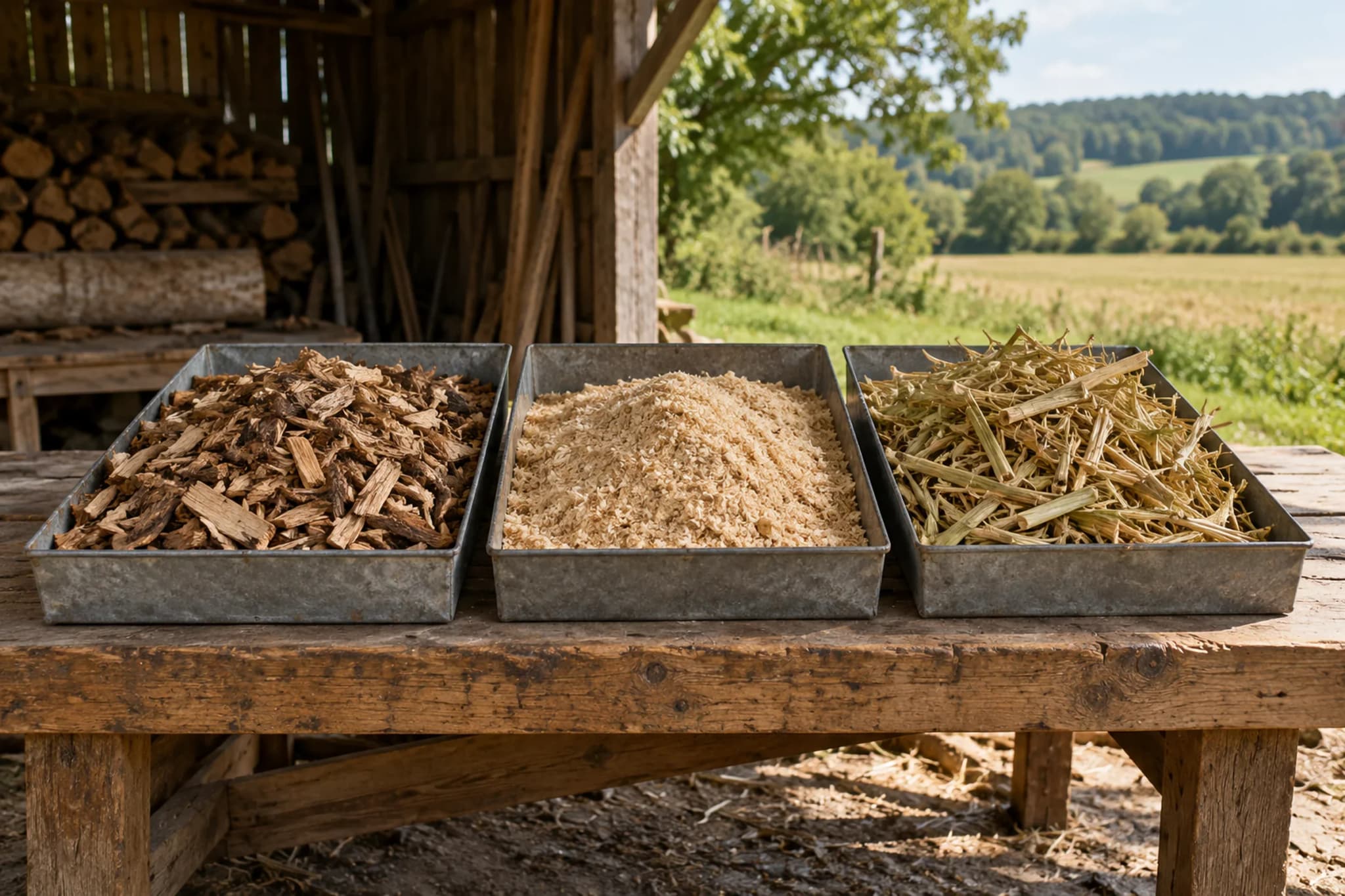
The biggest benefit is that biomass grows back. Trees that burn today can be replanted tomorrow, crop waste regrows every season, and animals never stop making manure.
That's the big difference between biomass and fossil fuels like coal. Coal is gone forever once you burn it. Biomass can come back.
And when a farm or landfill burns its biogas, it turns a strong greenhouse gas into useful heat instead of letting it leak out, which can reduce the harm.
Is Burning Wood Good For The Climate?
Only if new growth really soaks the carbon back up. When you burn a log, its carbon dioxide goes into the air today. A new tree needs decades or longer to capture it again. Scientists call that gap a "carbon debt".
The European science academies (EASAC) say it can be short when wastes or forest thinnings are used, but decades to hundreds of years in other cases, depending on the wood and what happens to the forest after harvesting. Cutting trees faster than they grow back causes deforestation, which is the opposite of a sustainable resource.
So it matters where your wood comes from. Fallen branches, thinnings and offcuts from a forest that is managed so it keeps growing are a much better deal than wood from cleared forest.
What Are The Environmental Impacts Of Biofuels And Wood Smoke?
The main impacts are air pollution and the land the crops need. Wood smoke is full of tiny particles that get deep into your lungs. The US EPA says they can trigger asthma attacks, heart attacks and strokes.
A modern certified stove burning dry wood makes far less smoke than an old stove or an open fire, but never zero. Liquid biofuels generally burn cleaner than petroleum fuels. However, the crops for them need land and fertilizer.
Scientists are working on better ways to turn waste into fuel. Organic material you'd otherwise throw out (sawdust, leftover stalks, food waste) can create gas or fuel, and that could reduce what ends up in landfills.
→ Where biomass is heading next
Biomass Heat At Home: Fuel, Stove And Chimney
 Illustrative image
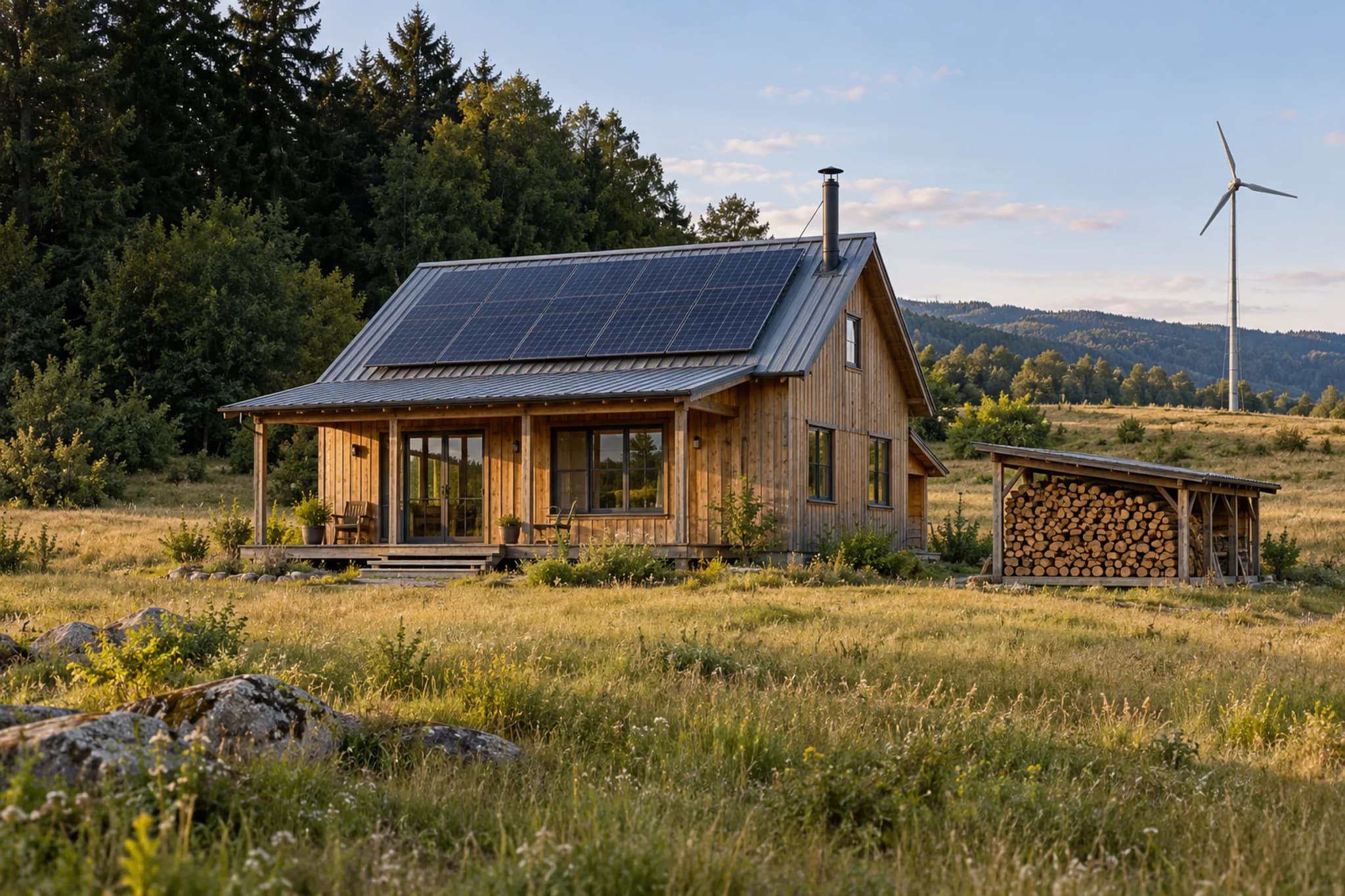
Biomass is great for one thing solar and wind struggle with: heat in winter.
A panel on the roof makes electricity. To turn that into room warmth with a simple electric heater, you need a lot of it, and in winter the panels make the least. A wood stove just burns a log. Way more heat for way less fuss.
One exception is a heat pump, which moves heat from outside air or ground into the house and uses about half the electricity of other electric heating. With the grid or a big enough system, it can beat wood on smoke and effort. Off-grid in a dark winter, wood often still wins.
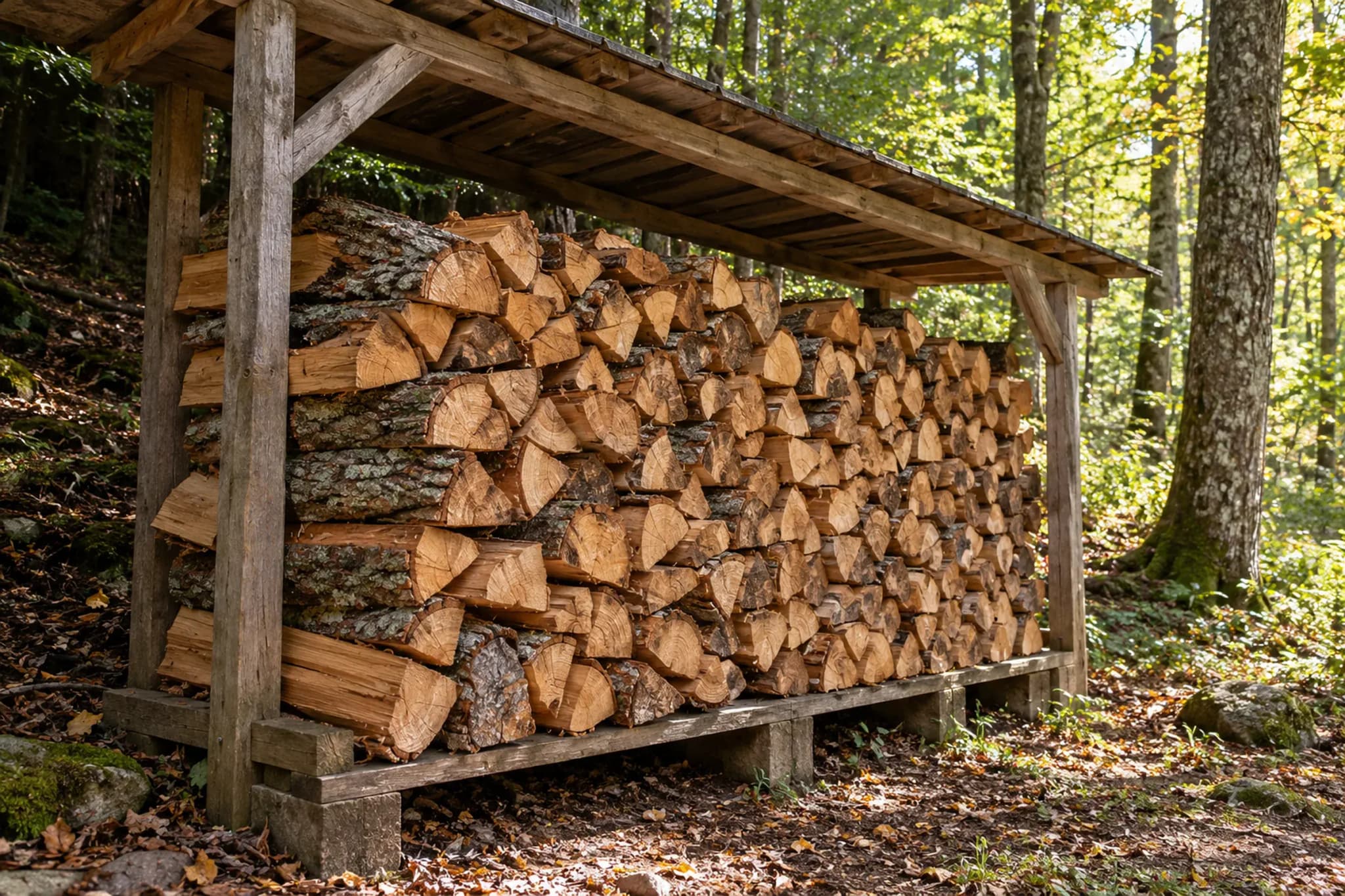
A stove is only as good as the fuel and the setup around it. Wet wood smokes and wastes heat, so store firewood and pellets dry and off the ground. The flue has to meet the chimney requirements for your stove, and a careful installation and yearly maintenance keep it working. Then read biomass heating safety: creosote and carbon monoxide are the two dangers to watch.
For everyday electricity, sun and wind win. They're cleaner and quieter, and once installed, the fuel is free. Our guide to off-grid power compares every source side by side.
→ How sunlight becomes electricity at home
→ How wind turbines turn breeze into power
→ Where you store all that energy
→ Work out how much electricity you actually use
A lot of off-grid homes use a mix: sun and wind for lights and appliances, biomass for heat.
Sources
- US EIA, Biomass explained
- US EIA, Biomass and the environment
- US EIA, The 250-year history of U.S. energy consumption
- US EIA, Biofuels and the environment
- Penn State Extension, Heating with wood: an introduction
- EASAC, Commentary on forest bioenergy and carbon neutrality (2018)
- US EPA, Wood smoke and your health
- US EPA, Heat pumps
- US Department of Energy, Alternative Fuels Data Center: Biodiesel blends
Hard Words
| Term | What it means |
|---|---|
| Biomass | Anything once alive that can be burned or converted into energy. Wood, leaves, plants, animal waste. |
| Stored sunlight | The idea that plants spend years soaking up the sun, locking energy into their wood. Burning the wood releases that sunlight back. |
| Direct combustion | Burning biomass straight away for heat. The most common way to use it. |
| Wood stove | A sealed metal box that burns logs efficiently for heat. 80 percent efficient or more, versus 10 to 20 percent for an open fireplace. |
| Pellet stove | A stove that burns small pressed-wood pellets fed automatically by a motor. |
| Efficiency | How much of the fuel's energy actually warms the room versus going up the chimney. A good wood stove hits 80 percent. |
| Steam turbine | A wheel with curved blades that spins when steam blasts through it. Used in biomass power plants. |
| Generator | A magnet spinning inside a coil of wire. Turns the spinning of a turbine into electricity. |
| Ethanol | Alcohol fuel made from corn or sugarcane. Mixed into car gasoline in many countries. |
| Biodiesel | Diesel fuel made from plant oil or used cooking oil. Low blends like B5 (5% of it in the mix) are approved for any diesel engine, and B20 works in many engines without changes. Pure B100 may need engine changes and can affect your warranty. Check what your engine maker approves. |
| Biogas | Gas made when bacteria break down manure, sewage or food waste without air. Mostly methane. |
| Renewable | An energy source that can grow back. Trees burned today can be replanted tomorrow; coal is gone forever. |
| Carbon debt | The years between burning wood and new growth soaking it back up. Short for waste wood, long for freshly cut trees. |
| Animal manure | Cow or other livestock waste. A renewable biomass source that produces methane gas when broken down. |
Common Questions
What is biomass energy?
Energy from anything once alive: wood, leaves, crop waste, animal manure, even food scraps. All of it is stored sunlight that plants spent years collecting, and burning it or turning it into fuel lets that energy back out.
Why is a wood stove so much better than a fireplace?
The stove is a sealed metal box. It traps the fire and forces the heat into the walls of the box and the room. A good wood stove is 80 percent efficient or more, while an open fireplace is only 10 to 20 percent.
Is biomass energy carbon neutral?
Not automatically. Growing plants take it back out of the air, but that can take anything from a short time for waste wood to hundreds of years. Wood is only low-carbon when it comes from waste wood or a forest that keeps growing back, and wood smoke still harms your lungs.
Should I use biomass with solar and wind?
Most off-grid homes do. Solar and wind handle lights and appliances, while biomass handles winter warmth and sometimes hot water. Each source covers what the others struggle with.