
Humans And Biomass: A 100,000-Year Love Story
The First Fire
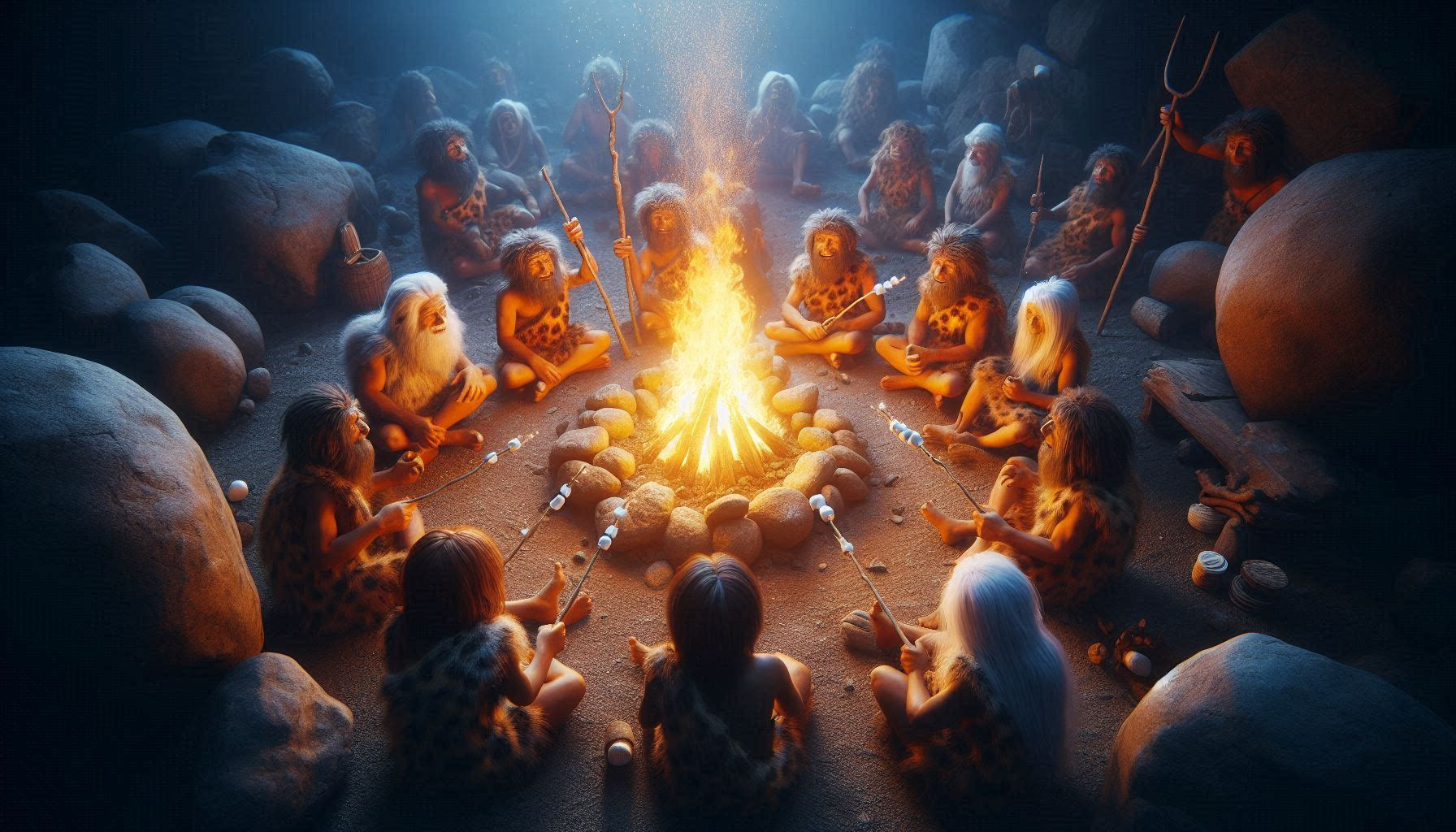
Nobody knows who lit the first fire.
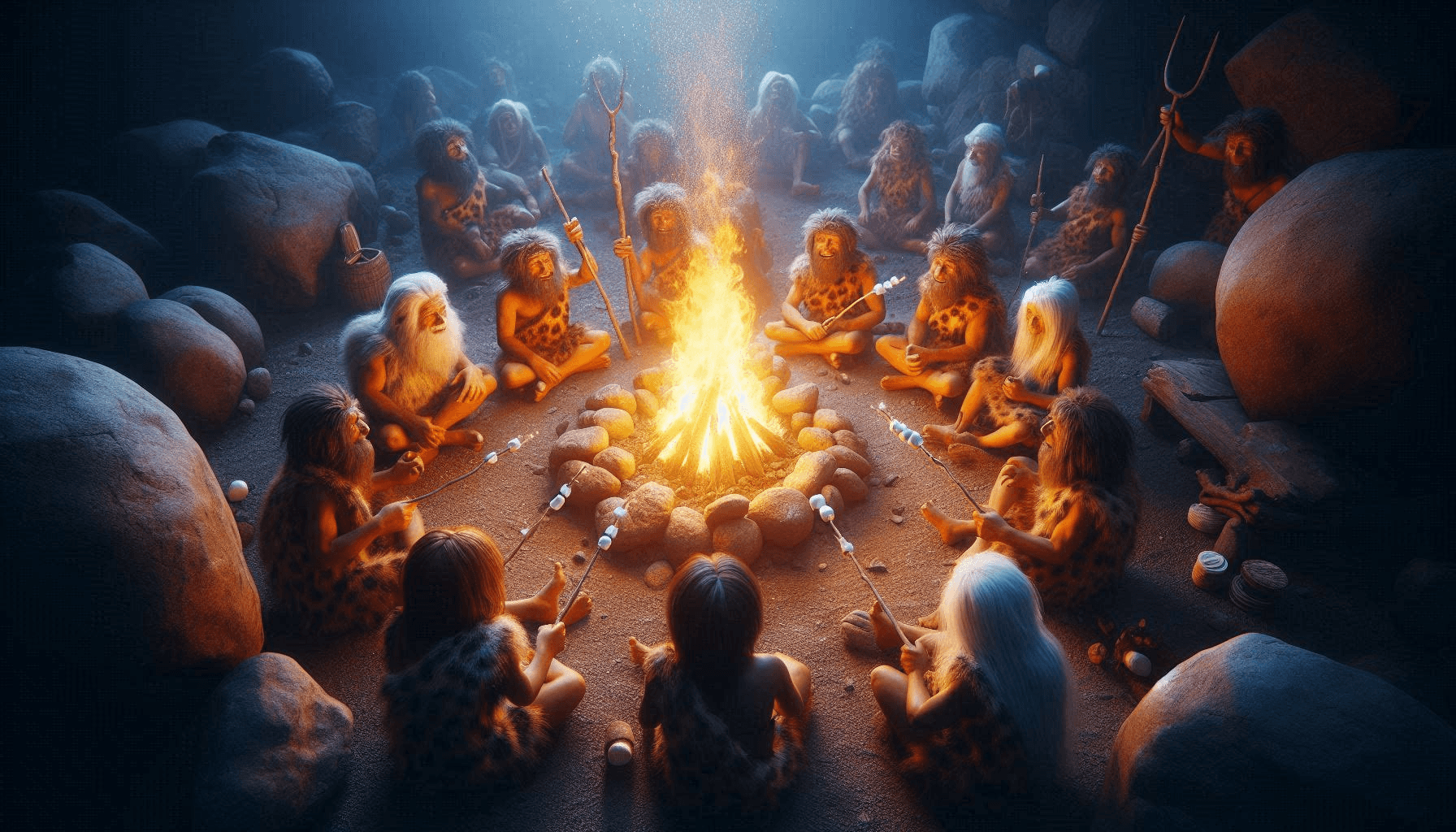
Somewhere, at least 100,000 years ago, a human figured out how to keep a flame alive instead of running from it. That moment changed everything. Cooked food. Warmth at night. Light in the dark. Animals kept away.
That fire was biomass energy. Wood, dried grass, dung. Anything that used to be alive and could burn.
For a long, long time, that's all energy meant to a human. If you wanted warm, you found wood. If you wanted dinner cooked, you found wood. The whole world ran on it.
Farming Made It Bigger
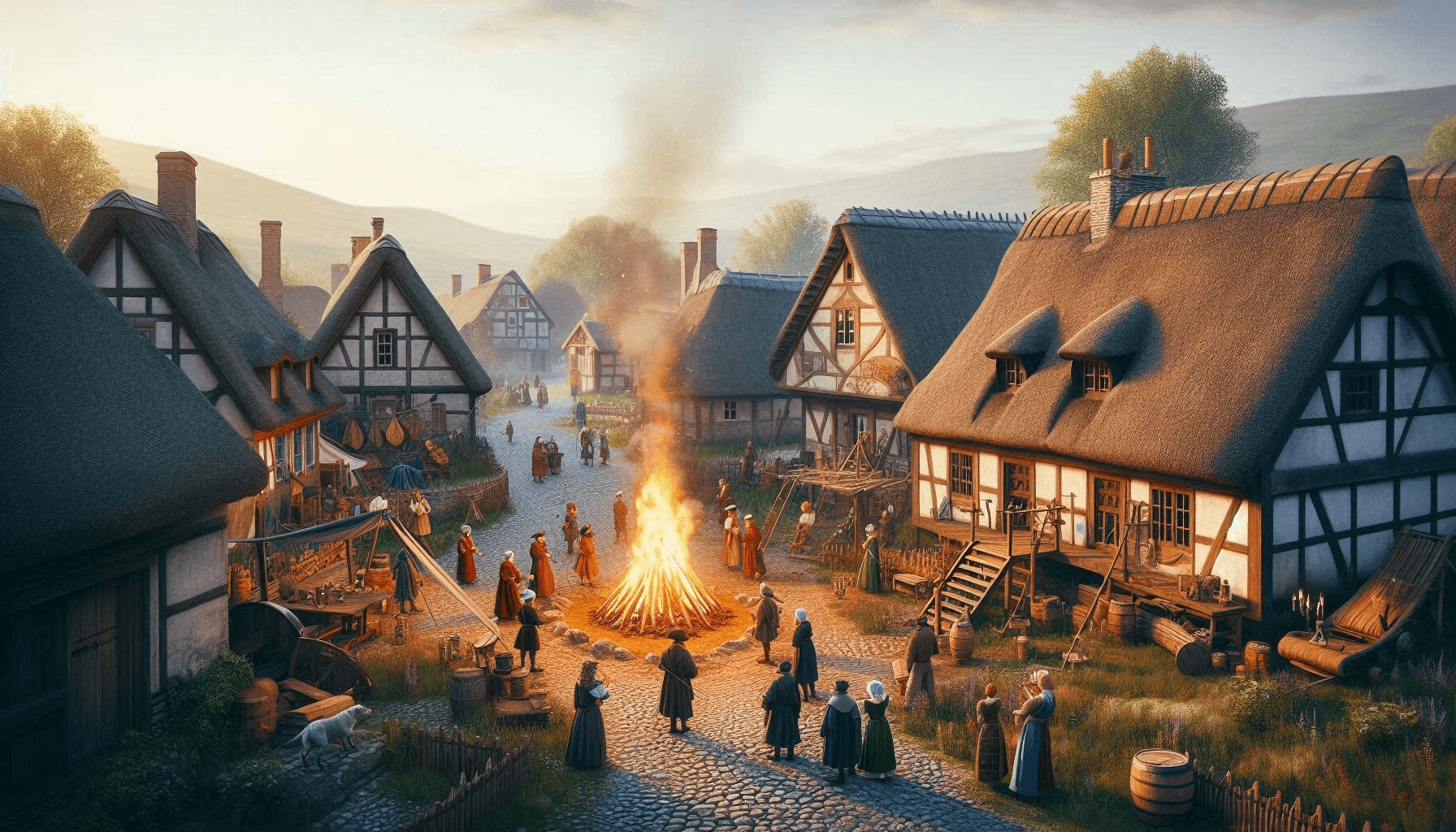
Around 10,000 years ago, people stopped following animals around and started planting crops. They built villages. They kept goats and cows.
Suddenly they had something new: waste. Crop stalks left after the harvest. Manure from the animals. Both burn.
So now there were two kinds of biomass: the wood you went out and gathered, and the leftovers from the food you grew. Nothing got wasted. The stalks from your wheat warmed your hut. The dung from your cow heated your dinner.
Water And Wind Get Involved
By the Middle Ages, people were getting clever. Why use your own arms to grind grain when a river could do it for you?
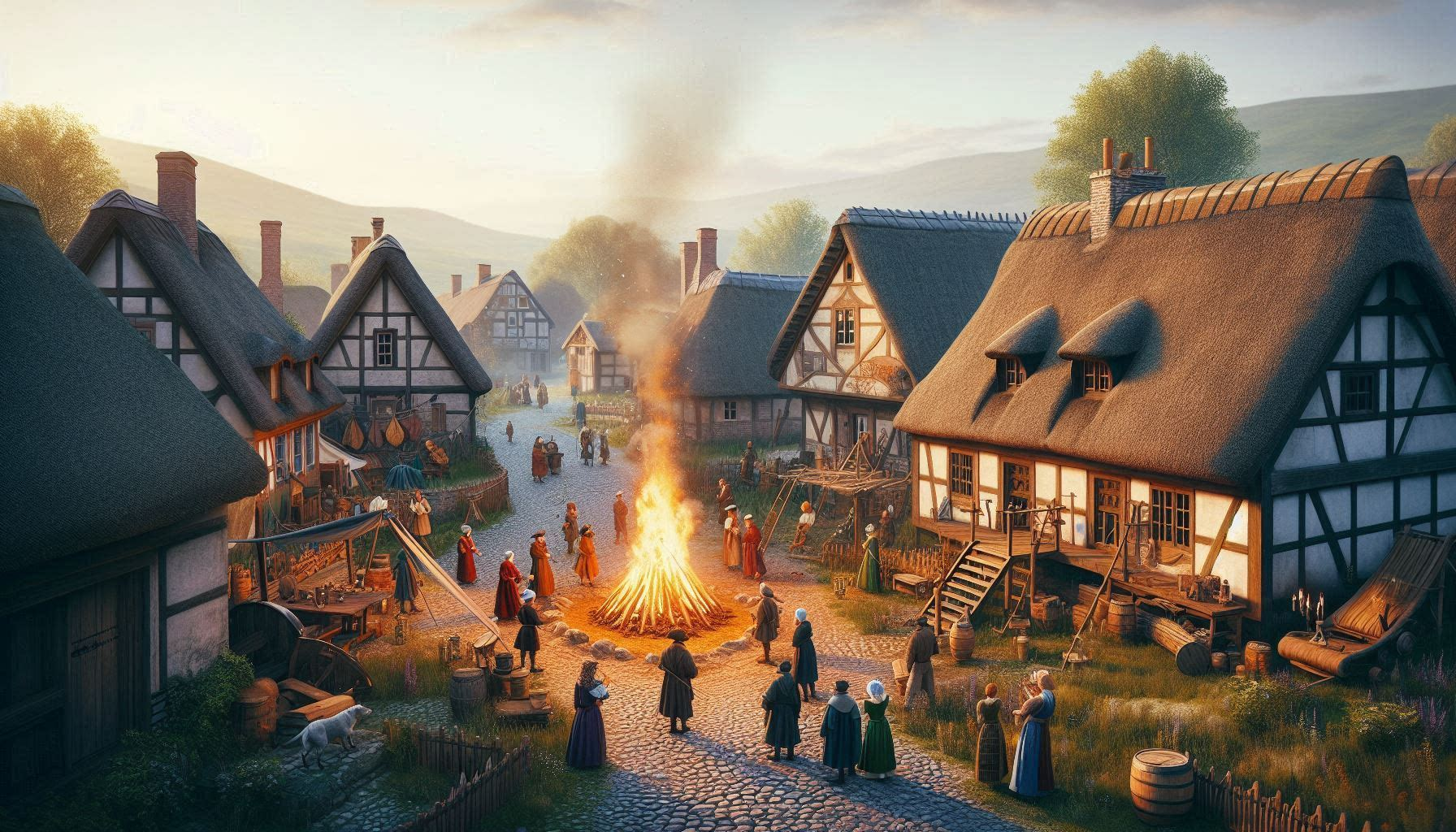
Watermills appeared along fast rivers. The water turned a big wheel. The wheel turned a stone. The stone ground wheat into flour. One mill could do the work of dozens of people.
Windmills did the same trick with air. Big sails caught the wind and spun a shaft.
Now, this isn't biomass exactly. But it's part of the same story. People were learning to capture energy from nature and put it to work. Once you can grind grain with a river, the next question is: what else could a spinning wheel do?
Steam Changes Everything
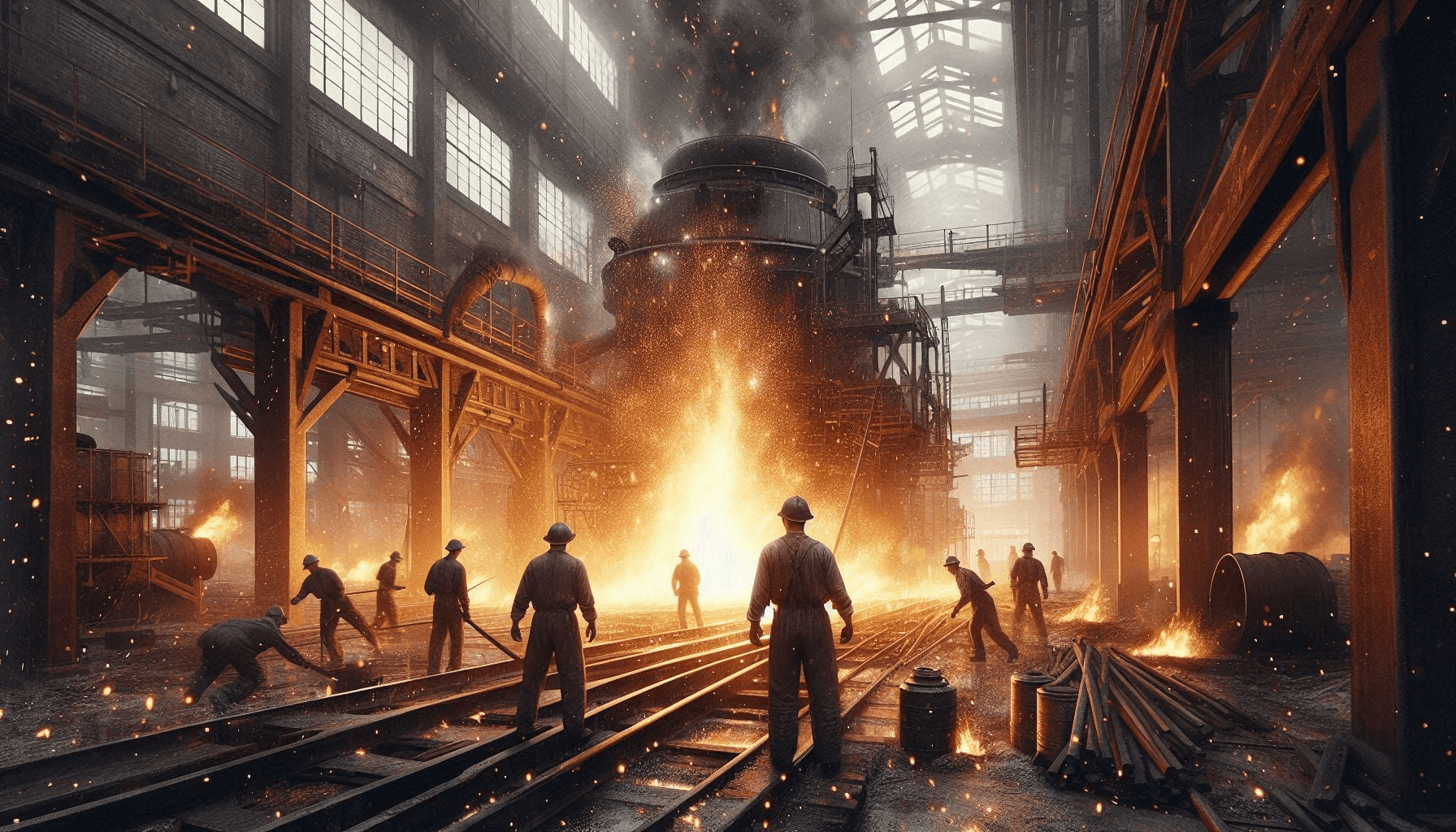
In the 1700s, a guy named Thomas Newcomen built a machine that boiled water and used the steam to pump water out of mines. James Watt made it way better a few decades later. The steam engine was born.
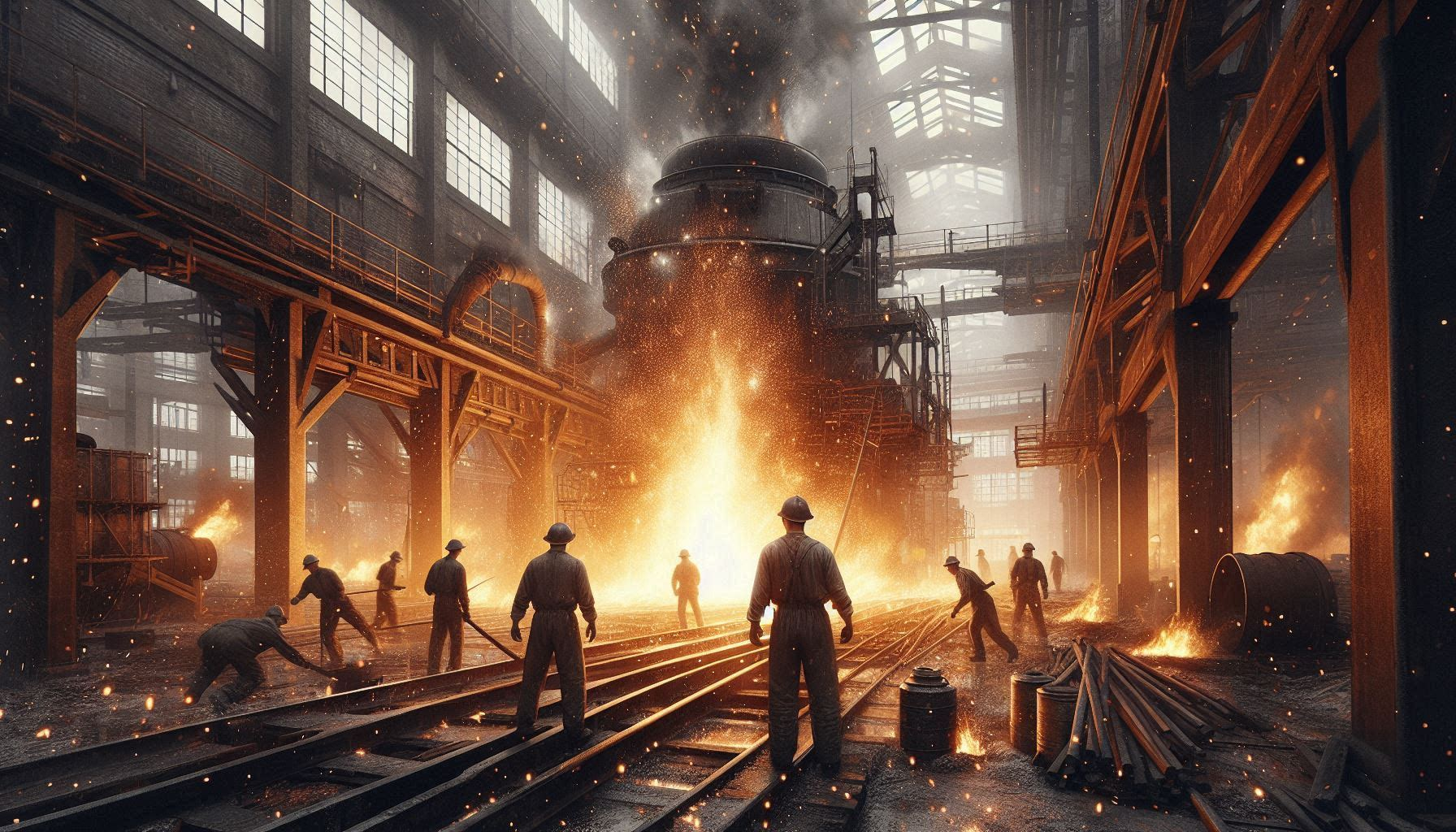
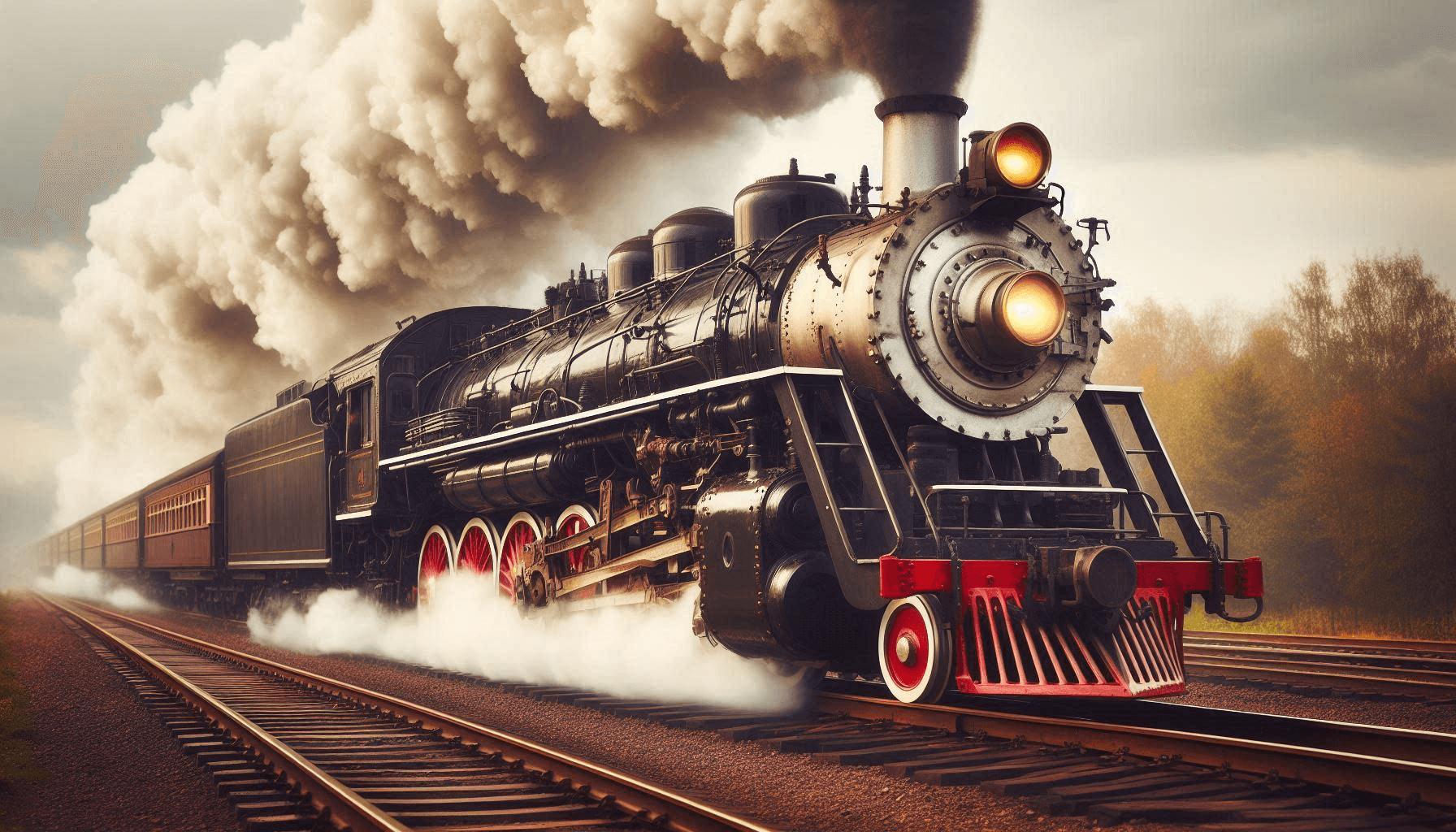
And what did those early steam engines burn? Wood. Not coal at first. Wood. The Industrial Revolution that built our modern world ran on biomass for years before coal really took over.
Trains, boats, factories. All powered by burning trees and boiling water. A whole century of progress on biomass.
→ How steam turned water into work
Coal Pushes Biomass Aside
Then someone noticed something. There were huge black rocks in the ground that burned hotter and longer than wood. Coal.
A train running on coal could go further between refuels. A factory running on coal didn't need a forest nearby. Coal was easier to store. So in the late 1800s, biomass got pushed off the main stage.
Wood was still everywhere. Most houses still had wood stoves. But for big stuff (trains, ships, power plants), coal won.
Oil Takes Over From Coal
The 1900s belonged to oil. Cars. Planes. Trucks. Plastics. Heating houses. Almost everything got built around oil and natural gas.
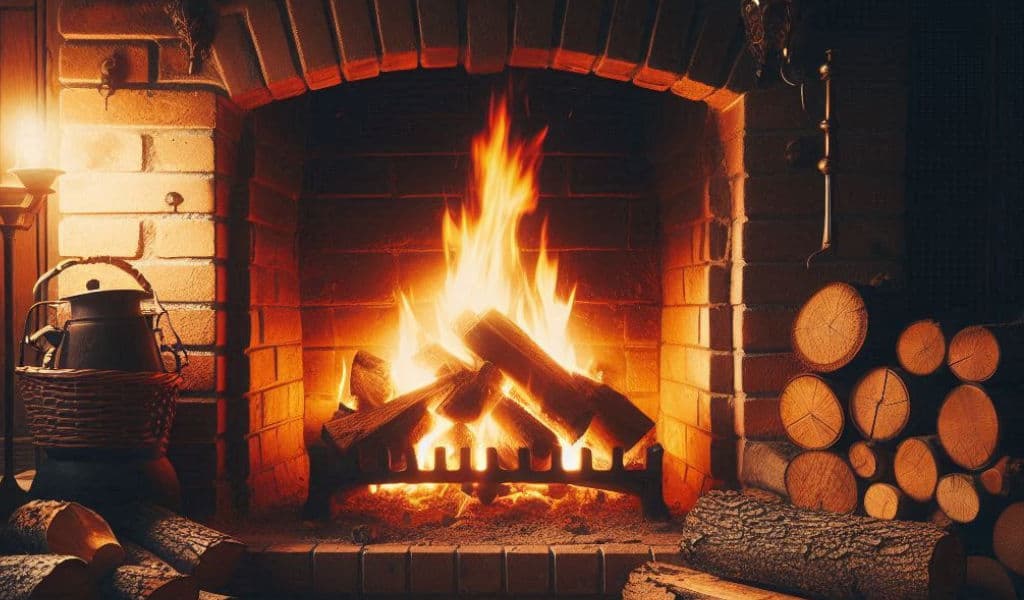
Biomass became the thing your grandparents used. The wood stove at the cabin. The fireplace at Christmas. Cute, but not serious energy.
Then something interesting started happening near the end of the century.
People realized burning all this oil and coal was changing the climate. Greenhouse gases. Air pollution. Oil spills. Scientists started looking back at biomass and asking: what if we got better at this?
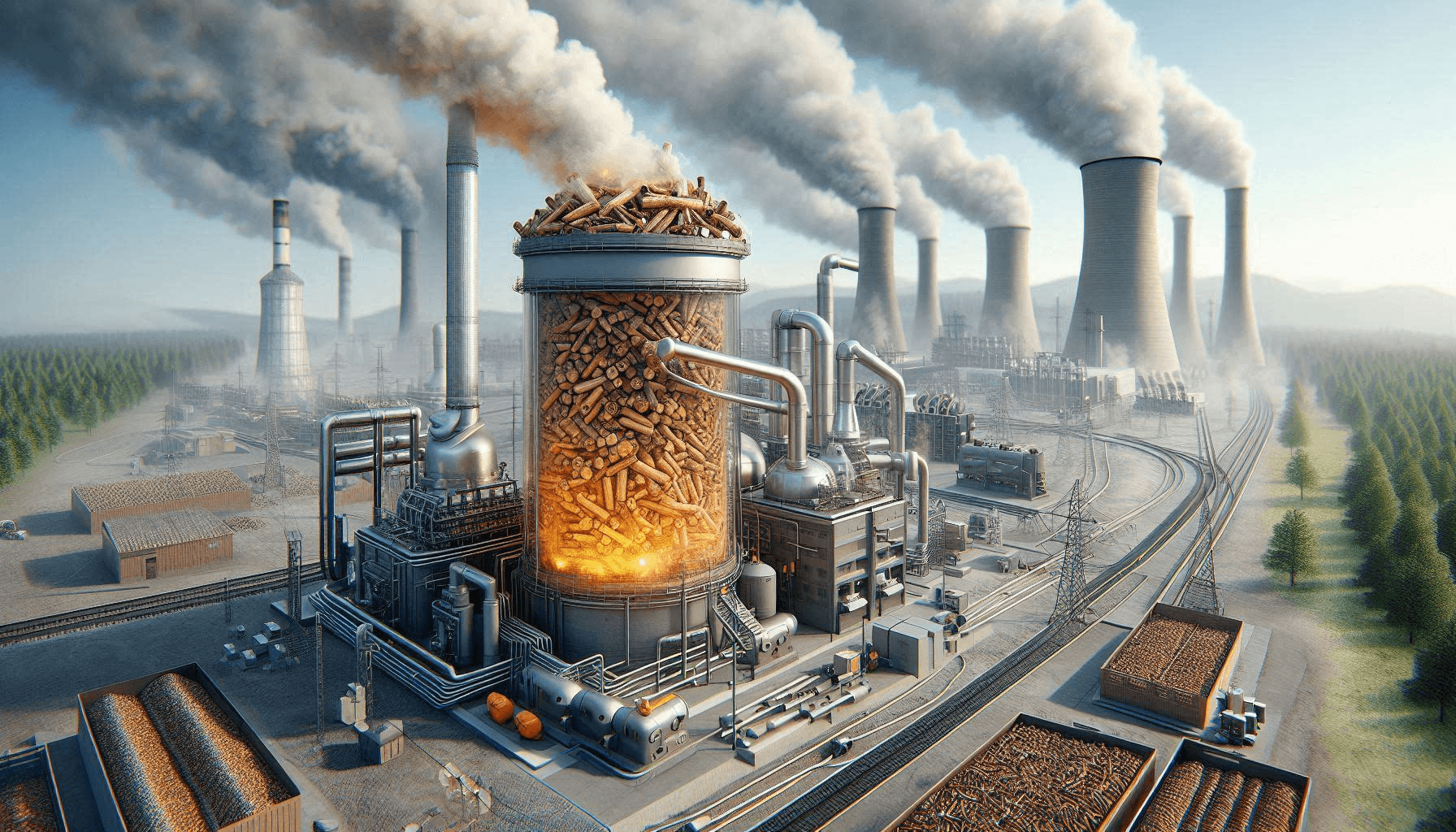
What if we could burn crop waste in clean power plants? What if we could turn corn into car fuel? What if a pile of compost could heat a house?
Those questions are the reason biomass is back in 2026. Not as the only answer. But as one piece of how we'll power the future without wrecking the planet.
→ How biomass is being used right now