
A steam engine is made of about seven main parts. Each one has a clear job. Together, they turn boiling water into a spinning wheel.
Boiler
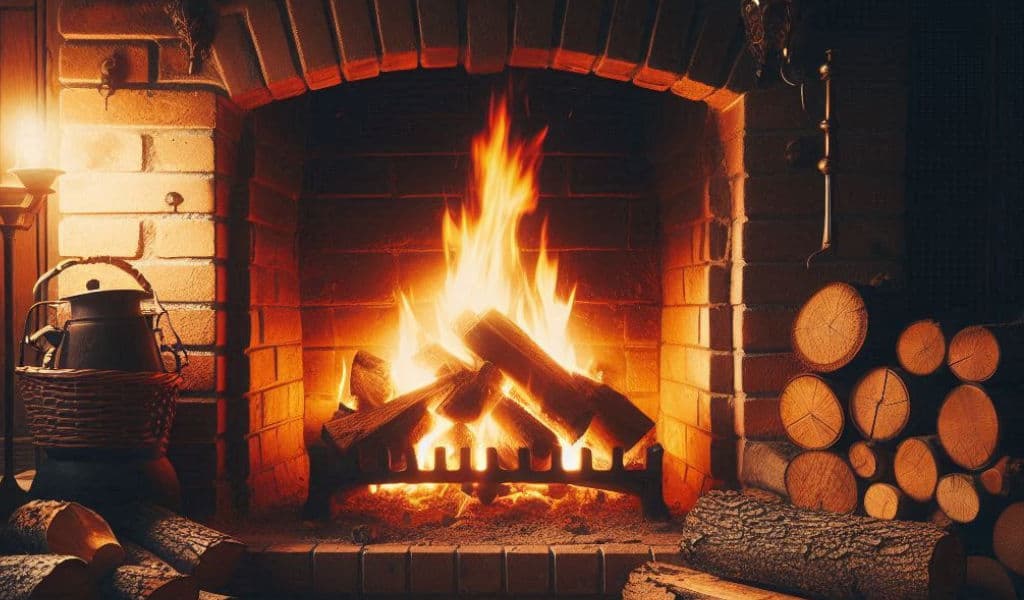
The boiler is a sealed metal tank full of water. Underneath it is a fire (usually burning wood or coal).
As the water heats up, it turns to steam. Steam takes up way more space than water, so the pressure inside the tank gets very high. That pressure is the energy the engine uses.
A boiler has to be strong. Most modern boilers are thick steel with safety valves built in, so they can't blow up if the pressure gets too high.
Steam Cylinder
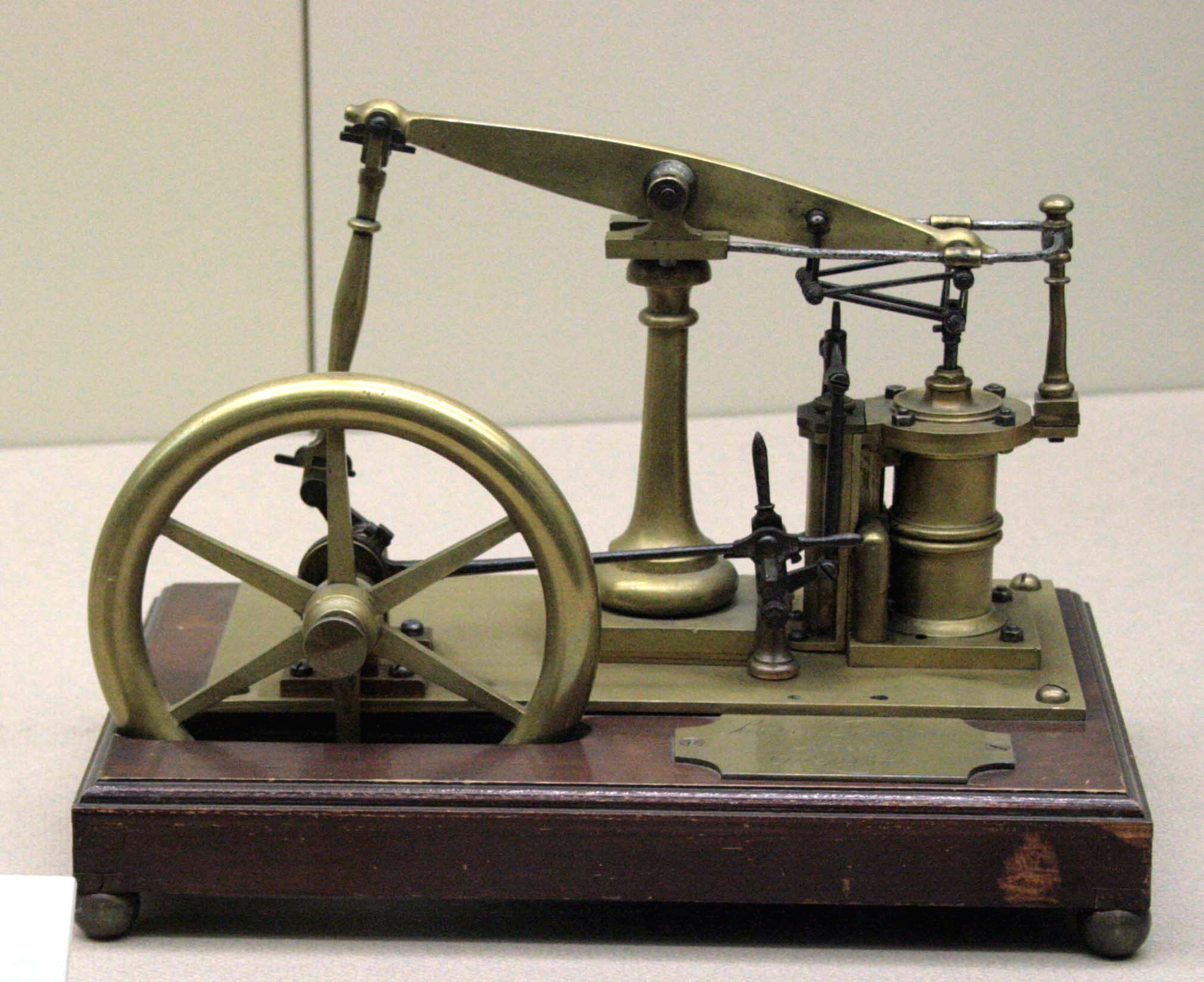
The cylinder is a round metal tube, like a soup can with the ends cut off. Steam from the boiler is forced into it through a valve.
The cylinder is where the high-pressure steam meets the piston and gets to do real work.
Piston And Piston Rod
The piston is a round metal plug that fits snug inside the cylinder. Steam pushes it from one end to the other.
Rings around the piston seal it against the cylinder walls so the steam can't slip past. The piston rod sticks out the end of the cylinder and connects to the rest of the engine.
Valves
The valves decide when steam goes into the cylinder and when it comes out.
Steam in on the left, piston slides right. Then steam in on the right, piston slides left. The valves flip back and forth, fast.
There are a few different valve designs: slide valves, piston valves, poppet valves. Each one is a different way to make the steam switch sides quickly and cleanly.
Connecting Rod
The connecting rod links the piston rod to the crankshaft.
It's the in-between piece. One end is bolted to the piston rod. The other end attaches to the crankshaft. As the piston shoots back and forth, the rod transfers that motion to the next part.
Crankshaft
The crankshaft turns straight-line motion into spinning motion.
It's a metal shaft with a bend in it. The connecting rod attaches to the bent part. As the piston pushes the connecting rod back and forth, the crankshaft is forced to spin around. Same trick as the pedals on a bicycle: your legs go up and down, but the wheel goes round and round.
Flywheel
The flywheel is a big heavy wheel mounted on the crankshaft.
Its job is to smooth things out. The piston only pushes during the power stroke, not all the time. So without the flywheel, the engine would jerk. The flywheel's weight keeps spinning between pushes, like a heavy yoyo, so the engine output is steady instead of bumpy.
It also stores energy. When the engine needs a quick burst (like pulling a heavy load), the flywheel can give some of its stored spin to help out.
How They Work Together
Here's the short version of the whole show.
Boiler makes steam. Valve sends steam to the cylinder. Steam pushes the piston. Piston pushes the connecting rod. Connecting rod turns the crankshaft. Crankshaft spins the flywheel. Flywheel sends steady power out to whatever the engine is driving.
Repeat about 60 times per minute, forever, as long as you keep feeding the fire.
→ How steam engines work in plain terms
→ How biomass plants use steam to make electricity