
Biomass has been around for 100,000 years. So how can it possibly have a future?
Because we're getting weirdly clever about what counts as fuel.
Garbage Can Run A City
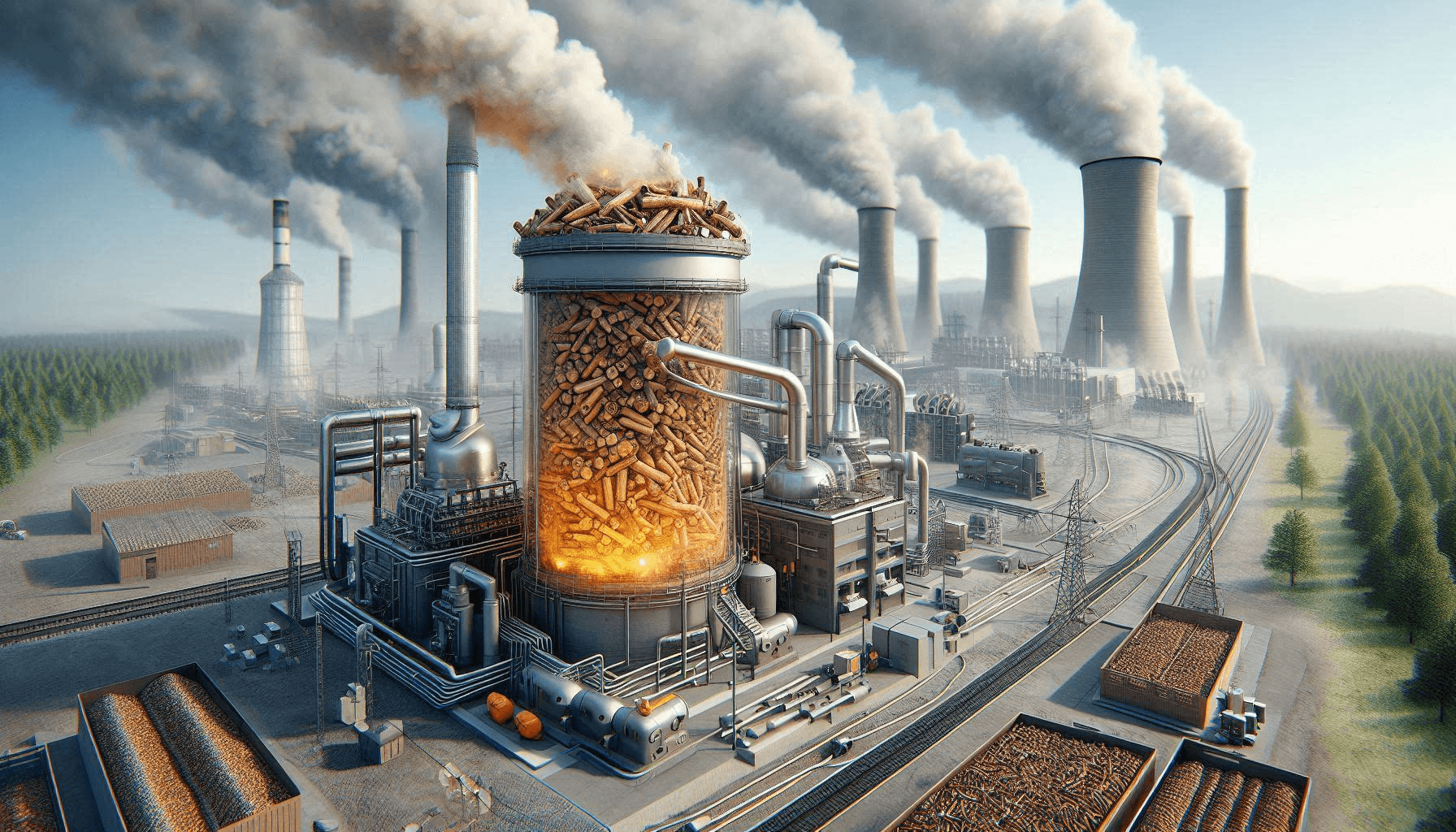
The trick scientists are working hardest on is squeezing energy out of stuff nobody wants. Crop stalks left in fields. Sawdust from lumber mills. Food scraps from restaurants. Even paper and plastic from your kitchen bin.
All of it has energy locked inside. Burn it carefully, or break it down with bacteria, or vaporize it with heat, and out comes electricity, gas, or liquid fuel.
This matters because it solves two problems at once. You get clean energy, and the garbage stops piling up.
Jet Fuel Made From Plants
A regular plane runs on kerosene pumped from oil wells. But scientists have figured out how to make jet fuel from plants instead.
Sugars from corn or sugarcane get turned into a thick liquid. That liquid gets refined the same way crude oil does. The result is a fuel a jet engine can burn without knowing the difference.
A few airlines are already mixing plant-based fuel into their tanks. As the process gets cheaper, more will follow.
Second-Generation Biofuels
The first round of biofuels (mostly corn ethanol) had a problem. To make fuel, farmers grew corn on land that could have grown food. Fuel and dinner were fighting for the same field.
Second-generation biofuels skip that problem. They're made from parts of plants nobody eats anyway, like corn stalks, wheat straw, or wood scraps.
It's harder to turn these into fuel because the tough fibers don't break down easily. But labs are cracking the problem. Once it's solved, we'll be able to make liquid fuel without using farmland.
The Bioeconomy Idea
Some scientists imagine a future where biomass isn't just burned. It's also turned into plastics, fabrics, building materials, even shampoo.
Anything currently made from oil could be made from plants instead. The plant version breaks down naturally when you throw it away.
That's still years away, but the pieces are being built right now.
What Might Slow It Down
Biomass isn't a magic answer. You need a lot of land to grow fuel. You need careful planning so growing fuel doesn't push out forests or food crops. You need clean ways to burn it.
Done right, biomass is one of the cleanest energy sources we have. Done sloppily, it can make things worse than fossil fuels.
Where This Leaves Off-Grid Living
If you're heating a cabin tonight with a wood stove, you're using biomass the old way. That's still one of the best ways to make heat without electricity.
The big future stuff is mostly about industrial plants and city-scale waste systems. What might trickle down to home use is better stoves. A pellet stove from 2026 burns cleaner than one from 2010. A stove from 2036 will probably burn cleaner still.
→ How biomass is being used right now
→ The 100,000-year history of humans and biomass