
The Real Comparison
Solar, wind, and hydro are the three big off-grid power sources. They all turn nature into electricity, and they all do it without burning anything.
But they have completely different personalities. One needs sunlight. One needs wind. One needs water. They have different price tags, different reliability, different geographic needs.
If you have a stream on your land, the question is whether to spend your money on a hydro setup or stick with solar (or wind, or both). Let's compare them honestly.
Cost Per Kilowatt-Hour Over 30 Years
The fairest way to compare these is total cost spread over the system's life, divided by the electricity it makes. This is called levelized cost of energy.
For an average off-grid setup:
Solar lands around $0.08 to $0.15 per kilowatt-hour over 30 years, including battery replacements.
Wind lands around $0.10 to $0.25 per kilowatt-hour over 30 years (turbines wear out faster than solar panels).
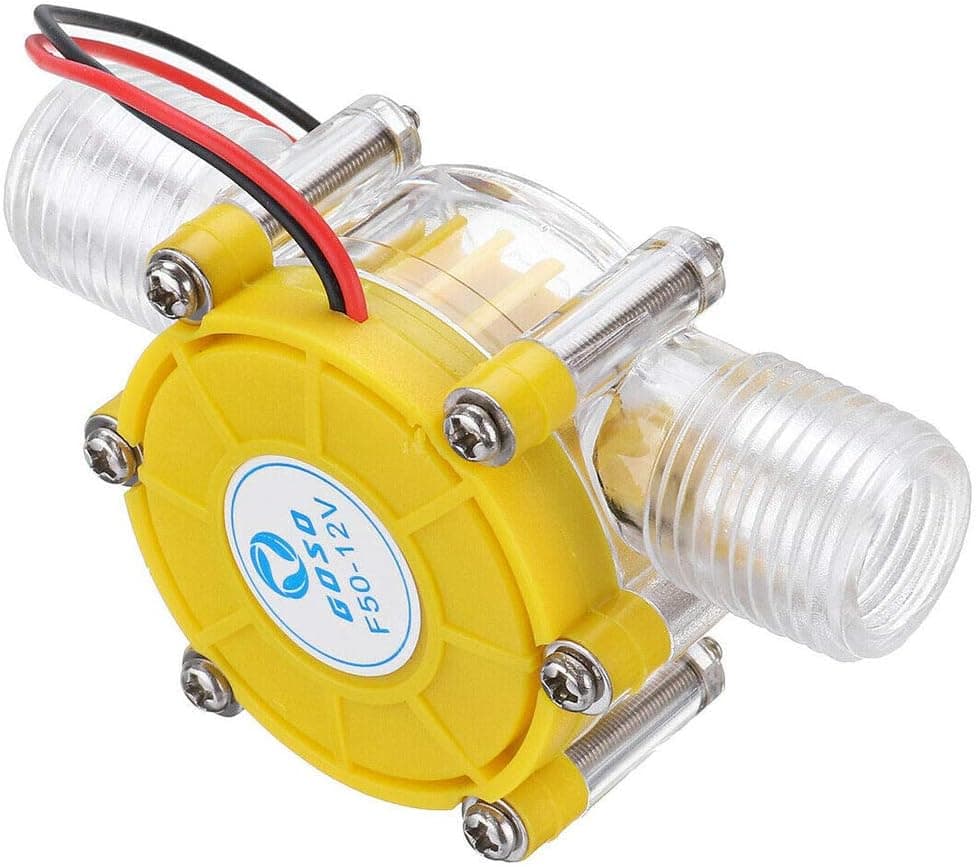
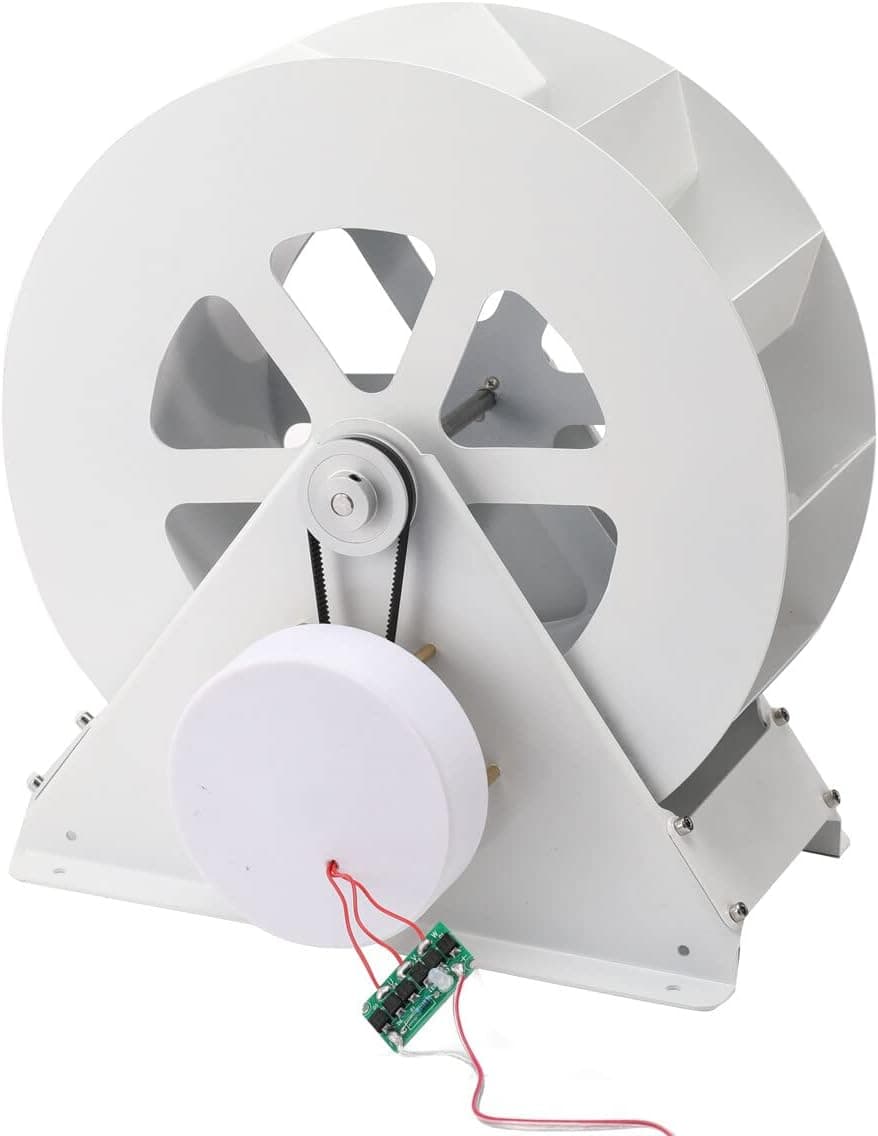
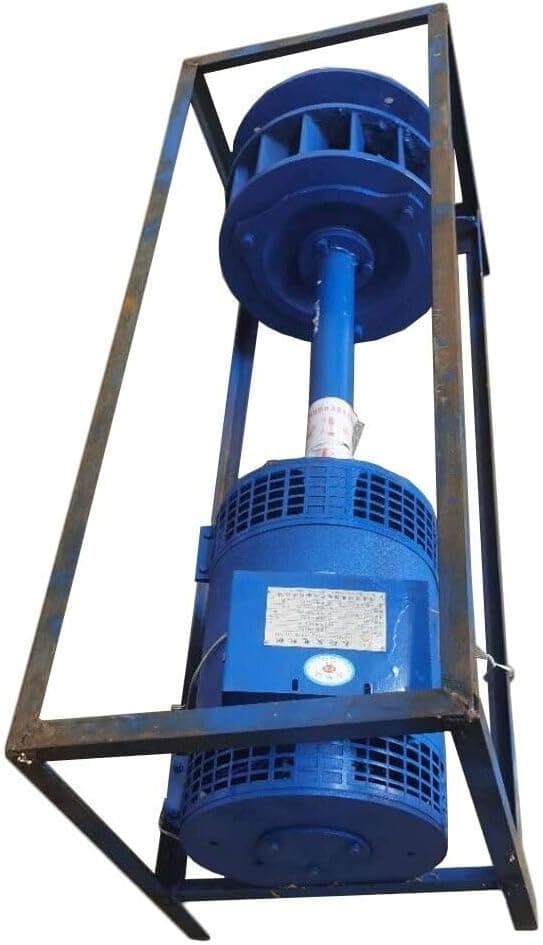
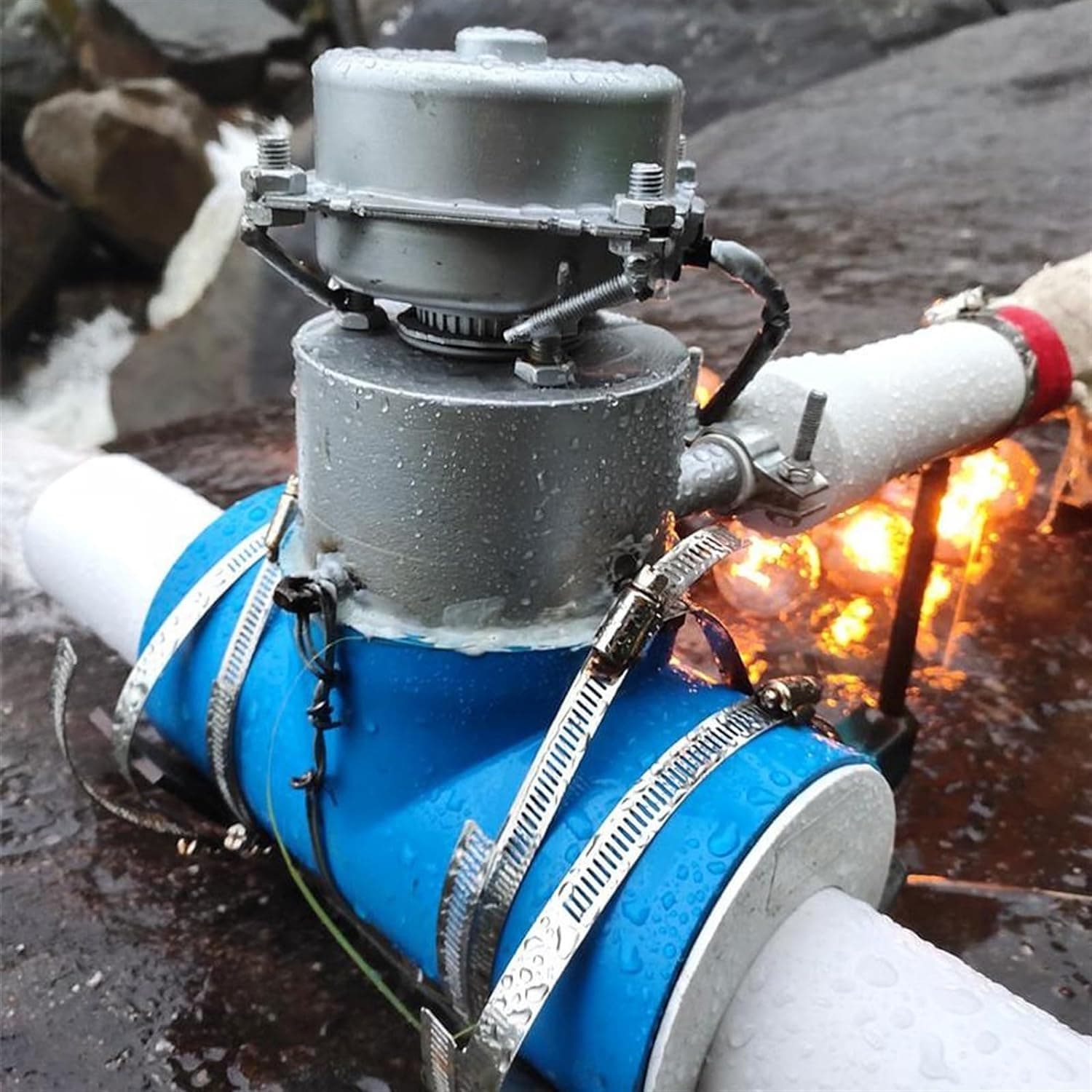
Hydro lands around $0.03 to $0.07 per kilowatt-hour over 30 years, on a site that actually has water.
Hydro wins on cost, by a lot. But only if you have a real stream. On a dry site, the cost is infinity dollars per kilowatt-hour, because you cannot install one at all.
→ The full cost breakdown for home hydro
Reliability: 24/7 vs Intermittent
This is where hydro really shines.
Solar makes power only when the sun shines. Roughly 4 to 6 hours of full output per day, depending on your latitude. The rest of the day you are running on batteries.
Wind makes power when the wind blows. Some sites get steady wind. Most get bursts and lulls. You also need batteries to bridge the calm periods.
Hydro makes power as long as water flows. A typical stream runs 24/7, 365 days a year, with maybe a few low weeks in late summer.
That means hydro needs almost no battery storage. Solar and wind systems often have battery banks that cost as much as the panels or turbines themselves. With hydro, you might just have a small buffer battery to handle the moment between turning on a kettle and the turbine catching up.
This is a huge cost difference that hides in the system design. A whole-house solar setup might be $15,000 for the panels and $10,000 for the batteries. A whole-house hydro setup might be $20,000 for the turbine and works and $2000 for the small battery. Same power output. Very different bills.
→ How batteries work in off-grid setups
Lifespan
Solar panels last 25 to 30 years, with output dropping about 0.5% per year.
Wind turbines last 15 to 25 years, depending on quality and how rough the local wind is.
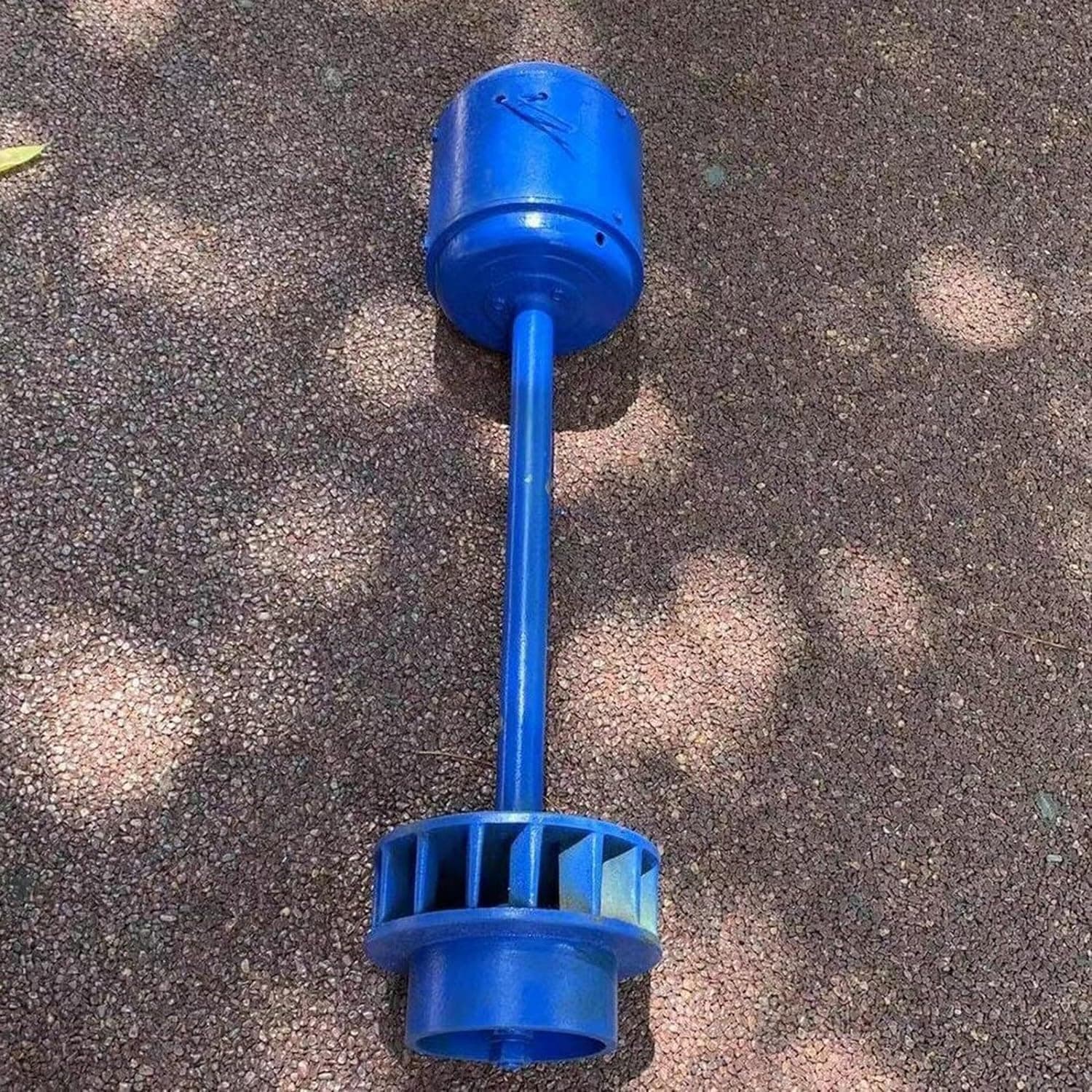
Hydro turbines last 30 to 50 years. Some of the original hydro plants from the late 1800s are still running with refurbished parts.
This matters more than people realize. A solar setup that lasts 25 years and a hydro setup that lasts 50 years are not the same investment. You'll replace solar twice over the life of a single hydro turbine.
Geographic Needs
Solar works almost anywhere. Some places get more sun than others (a roof in Spain makes about twice what a roof in Scotland makes), but solar produces something useful almost everywhere on Earth.
Wind needs at least some breeze. Average wind speeds under 4 meters per second make residential wind pointless. Plenty of places have less than that.
Hydro needs flowing water with a drop. Most of the planet does not have this. If you have it, you are in a tiny minority of off-grid candidates.
Setup Time
Solar can be installed in a weekend. Mount the panels, run wires, plug in. A typical residential install takes a pro about two days.
Wind takes longer because of the tower. Permits, foundation, assembly. Often two to four weeks of work.
Hydro takes the longest. The intake, the penstock, the turbine pad, the wiring run. Plus permits. Plus likely heavy machinery for trenching. Expect months from start to finish, sometimes a year if permits are slow.
Maintenance
Solar panels need almost zero maintenance. Clean them once a year. Check connections every few years. That is it.
Wind turbines need real maintenance. Bearings, brakes, gearboxes. Climbing the tower to inspect. Annual professional check-up recommended.
Hydro is in between. Clean the intake screen often (after every storm, basically). Check the bearings once a year. Replace seals every few years. Otherwise it runs.
What's Best, Honestly?
It depends entirely on your site.
You have a flat, sunny lot with no stream: solar, all the way. Maybe wind if you have an unblocked view.
You have a windy ridge with no stream: wind plus solar. Solar handles the calm days, wind handles the night and cloudy spells.
You have a stream with a real drop: hydro is almost always the best choice. Cheaper per kilowatt-hour, more reliable, longer life. Add a small solar array to cover droughts and you have an unbeatable system.
You have a stream with a marginal drop (under 2 meters or under 5 liters per second): probably skip hydro and go solar. The math will not work.
→ Can your stream actually power your home?
Why Stack Sources
Off-grid pros usually combine sources. Solar plus a small wind turbine. Hydro plus solar backup.
Different sources fail at different times. Solar fails at night and in storms. Wind fails on calm days. Hydro fails in drought.
A stack gives you redundancy. When one source is down, another is usually up. You need a much smaller battery bank to bridge gaps when you have multiple sources.
The classic off-grid trifecta is solar plus hydro plus a generator. Solar covers most of the daylight. Hydro covers the nights. The generator covers the worst drought weeks. With this setup, you essentially never lose power.