
A Quick Family Tree
Hydro power covers an enormous range of sizes. The same basic idea (water hits a turbine, electricity comes out) is used at scales from a few watts to gigawatts.
To make sense of it, engineers split hydro into bands based on power output.
Pico-hydro: under 5 kilowatts. Tiny setups for cabins, sheds, single rooms.
Micro-hydro: 5 to 100 kilowatts. Whole homes, small farms, hamlets.
Mini-hydro: 100 kilowatts to 1 megawatt. Small villages, factories, ski resorts.
Small-hydro: 1 to 10 megawatts. Towns, industrial sites, regional grids.
Above 10 megawatts you get into the world of major dams, which is a whole different beast.
For off-grid living, you'll be looking at pico or micro. Let's zoom in on those.
Pico-Hydro (Under 5 kW)
Pico-hydro is the entry level of water power.
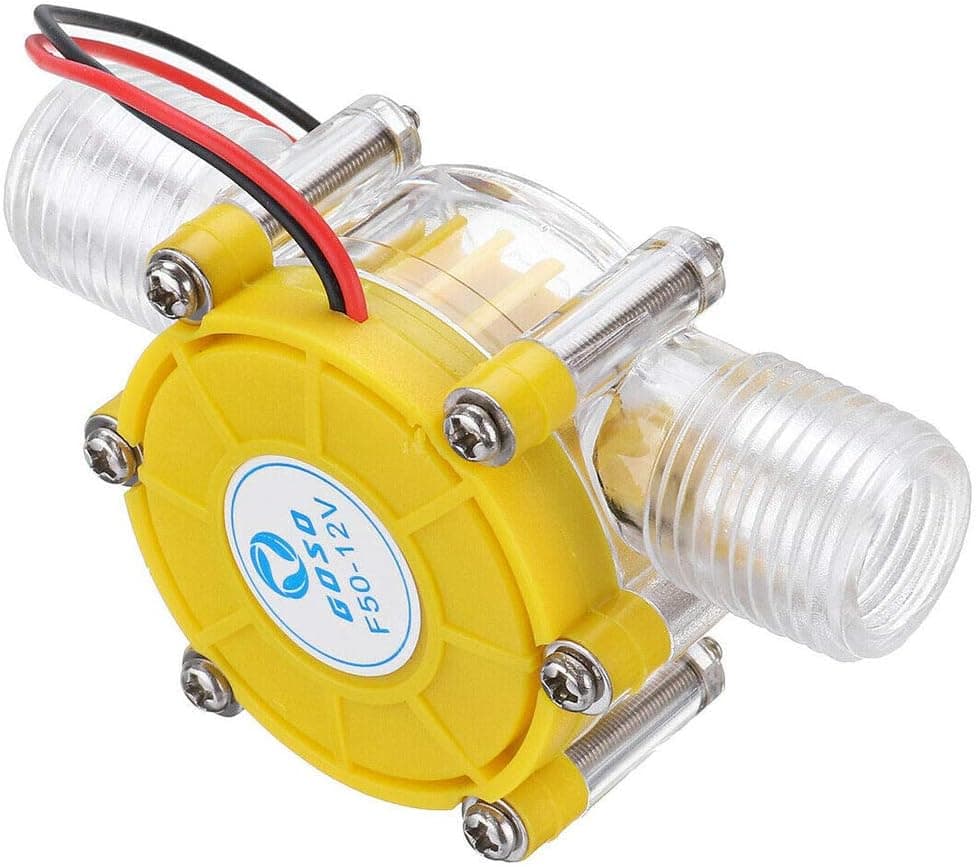
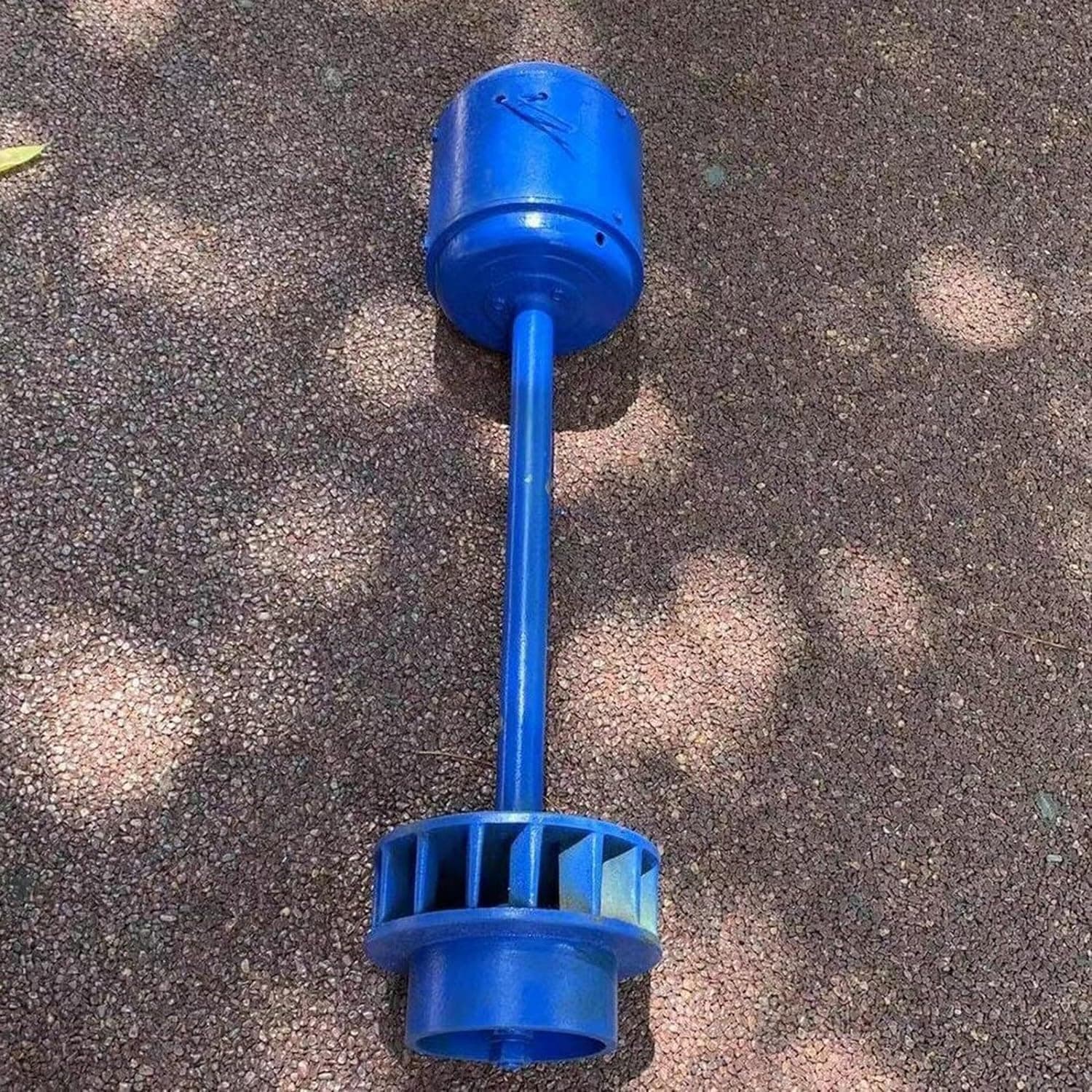
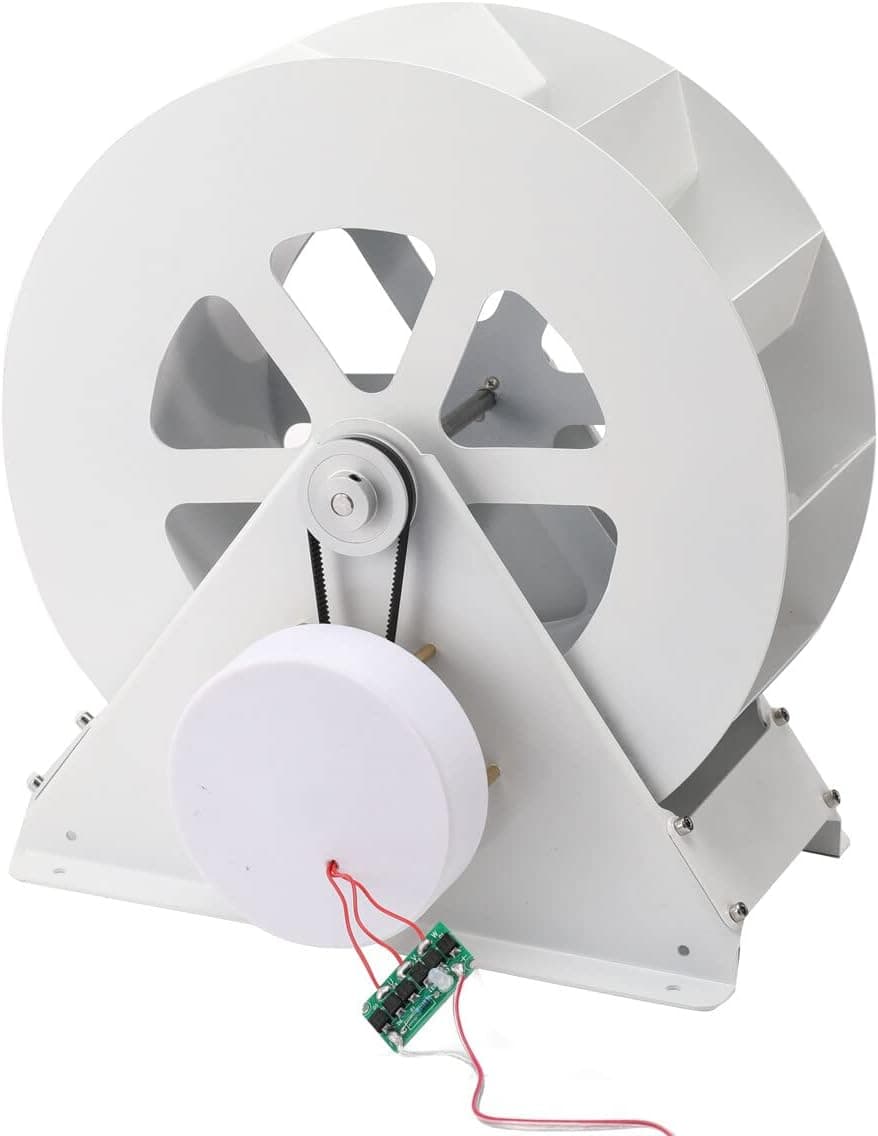
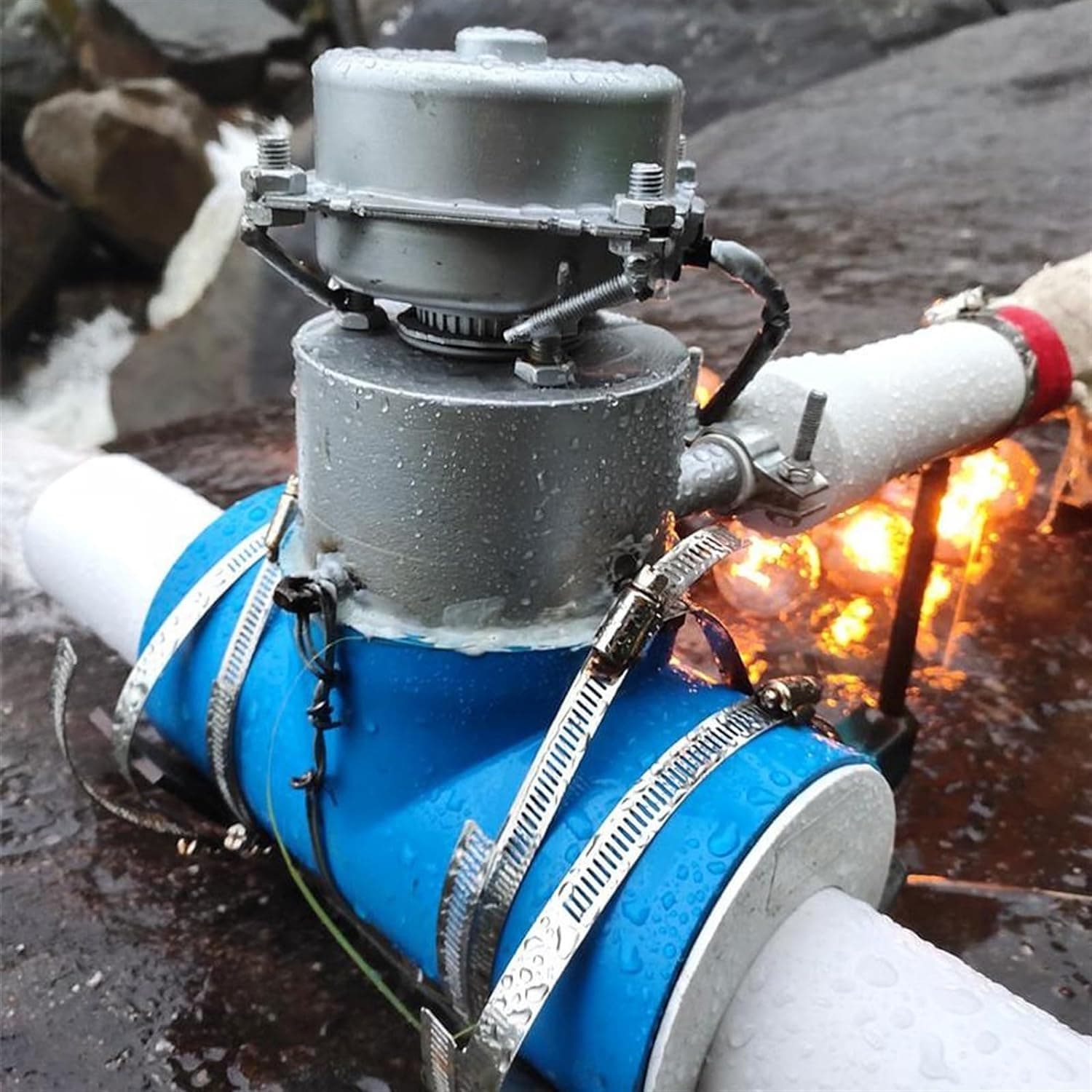
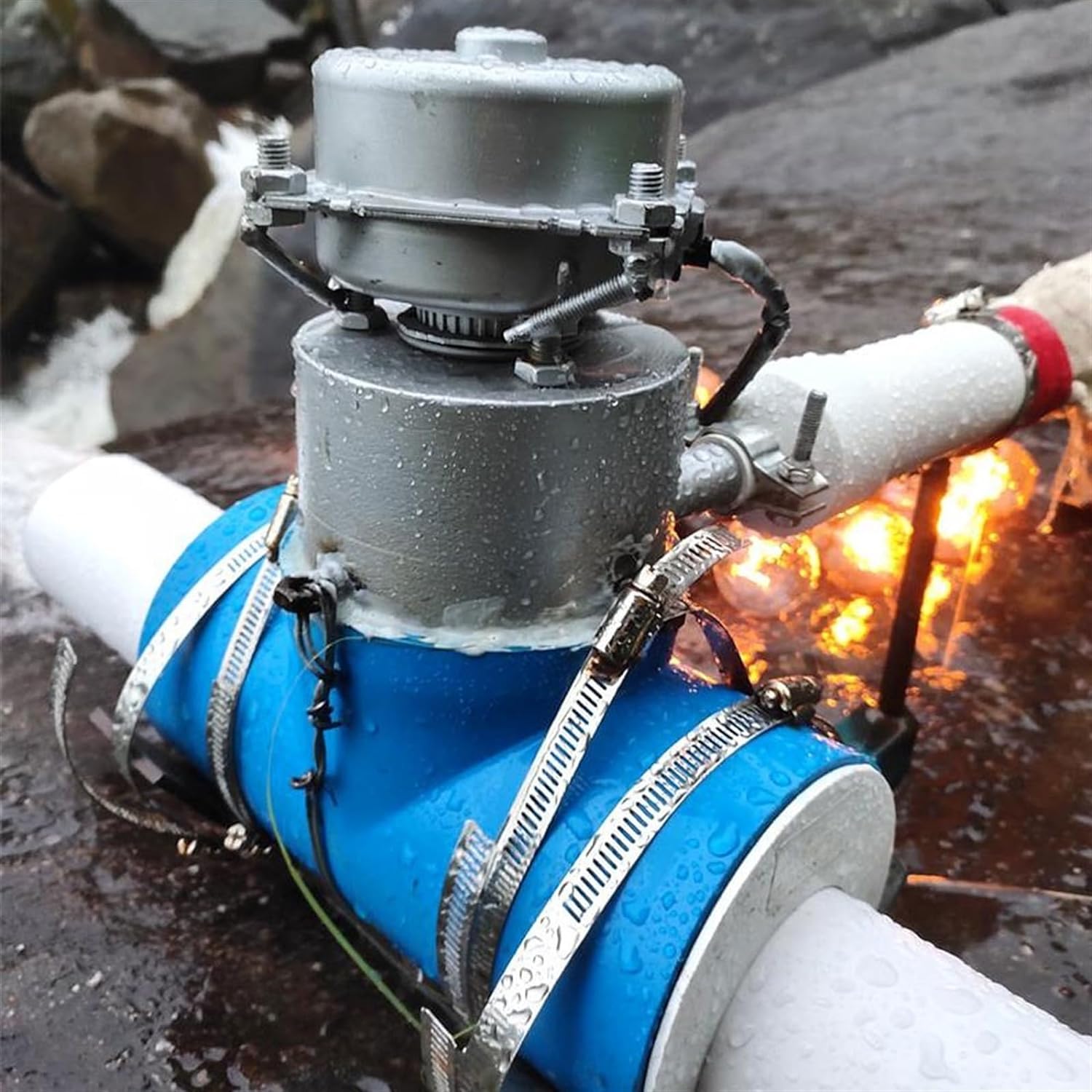
A pico setup is small. The turbine might fit in a wheelbarrow. The penstock might be a 50-meter run of 75-millimeter pipe. The intake might be a simple bucket-shaped concrete box.
What does pico-hydro actually run?
A 100-watt unit: enough for LED lights and charging phones in a remote hut.
A 500-watt unit: lights, a small fridge, a radio, a laptop. Comfortable life for one or two people in a basic off-grid cabin.
A 1000-watt unit: most of the basics of a small house. Lights, fridge, TV, some power tools.
A 3000-watt unit: a fully-running off-grid home with lights, fridge, washing machine, well pump, internet. Plus a buffer for the kettle.
Pico kits start at $200 (for a basic Chinese-built micro-hydro generator) and run up to about $5000 for a quality 3 kW system.
They are perfect for places without strict water permits. In many countries, pico-scale systems fall under simplified rules or no rules at all. Half a liter of stream water per second is below the radar.
→ Can your stream qualify for pico-hydro?
Micro-Hydro (5 to 100 kW)
Micro-hydro is what most off-grid families with a good stream end up building.
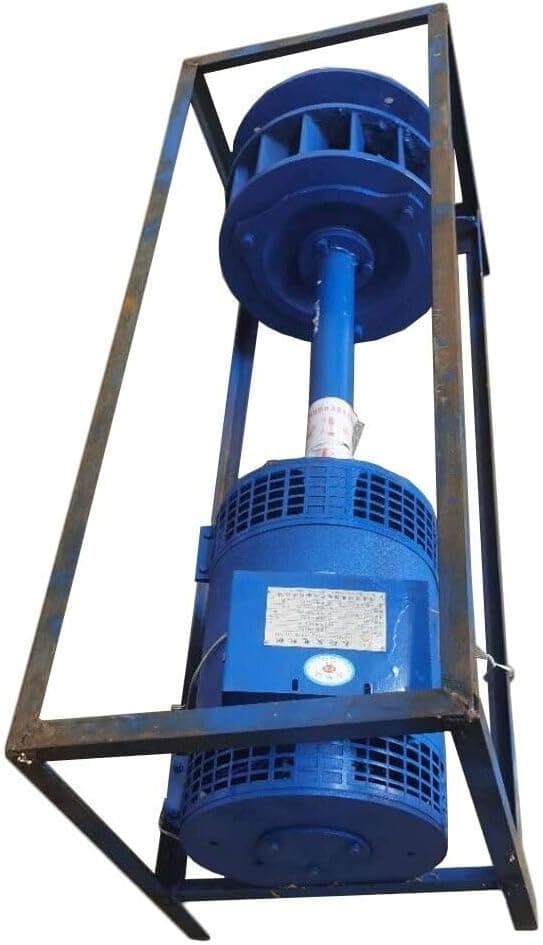
A micro setup is a real installation. The turbine sits on a concrete pad. The penstock is buried HDPE pipe, often 100 to 300 meters long. The intake is a structure with a screen, a gate valve, and sometimes a small settling pond.
What does micro-hydro do?
A 5 kW system: a comfortable family home with full appliances, electric cooking, maybe a heat pump for warmth.
A 10 kW system: a generous home including electric vehicle charging, workshop tools, all the appliances you'd find in a normal house.
A 25 kW system: a small farm or a family compound with multiple buildings.
A 100 kW system: a small hamlet or a remote lodge.
Micro-hydro systems cost $10,000 to $100,000 installed, depending on size and how much civil work the site needs.
They almost always need permits. You are diverting enough water that regulators will care.
→ Why you probably need a permit → The full cost breakdown
How To Size Yours
Three numbers decide which class you fall into.
First, your stream. How much head and flow do you actually have? If your stream can only produce 2 kW at maximum, you cannot build a micro-hydro system. You can build a pico-hydro one.
→ How to measure head and flow Second, your energy use. A small cabin uses 2 to 10 kilowatt-hours a day. A normal family home uses 15 to 40. A big family with electric heat uses 50 to 100.
A 1 kW continuous turbine makes 24 kilowatt-hours per day. That covers a normal home with no electric heat.
A 5 kW continuous turbine makes 120 kilowatt-hours per day. That covers a big family home including electric heat in mild climates.
→ Calculate your actual energy needs
Third, your budget. Pico-hydro is cheap. Micro-hydro is not. Going from a 2 kW pico setup to a 5 kW micro setup might cost 5 times more, because the civil work and permits scale up.
When Pico Beats Micro
Sometimes the smaller option is just smarter.
If your stream is borderline (under 1000 watts of theoretical power), a pico setup is the only thing that fits. A micro turbine would just sit there starving.
If you only need power for a workshop, garage, or weekend cabin, pico is plenty. Why install something that runs a whole village if you only use it on weekends?
If your country has strict water permitting, pico-scale systems often fall under simplified rules. A 500-watt setup might just need a notification, while a 5000-watt setup needs a full environmental review.
If you want to test the waters before committing, a $500 pico kit is a great way to learn. If it works, you can scale up later.
When Micro Beats Pico
Other times, going bigger pays off.
If you have a real stream (over 5 meters of head and 30 liters per second of flow), pico is leaving a lot of power on the table. You might as well capture it.
If you want to run your whole house including electric heat, you need micro. Pico cannot keep up with a heat pump or electric stove.
If you plan to live off-grid permanently, the extra investment in a micro setup pays back. Over 30 years, the math is overwhelming.
If you might add things later (a workshop, an electric car, more buildings), micro gives you headroom. Resizing a turbine is expensive.
The Sweet Spot For Most Families
For a family of three to five people on a stream with at least 4 meters of head and 20 liters per second of flow, the sweet spot is usually a 3 to 5 kW micro-hydro setup.
Big enough to run everything in a normal off-grid home. Small enough that the budget stays under $25,000. Small enough that permits are usually manageable.
If your stream is too small for that, drop to a 1 to 2 kW pico setup and add solar to fill the gap. If your stream is bigger, scale up. There is no wrong answer if the math works.
→ How hydro stacks up against solar and wind → Back to the full hydro overview