
Wood Is Stored Sunlight
Here's something strange to think about.
A tree spends its whole life soaking up sunlight. Year after year, decade after decade. It turns that sunlight into wood, leaves, and branches. The energy from the sun gets locked inside the tree.
When you burn that wood in a stove, you're letting the energy back out. The heat warming your hands is sunlight from 50 years ago.
That's what biomass means. Anything that was once alive (wood, leaves, plants, even animal waste) can be turned back into heat or electricity. It's a battery made of trees.
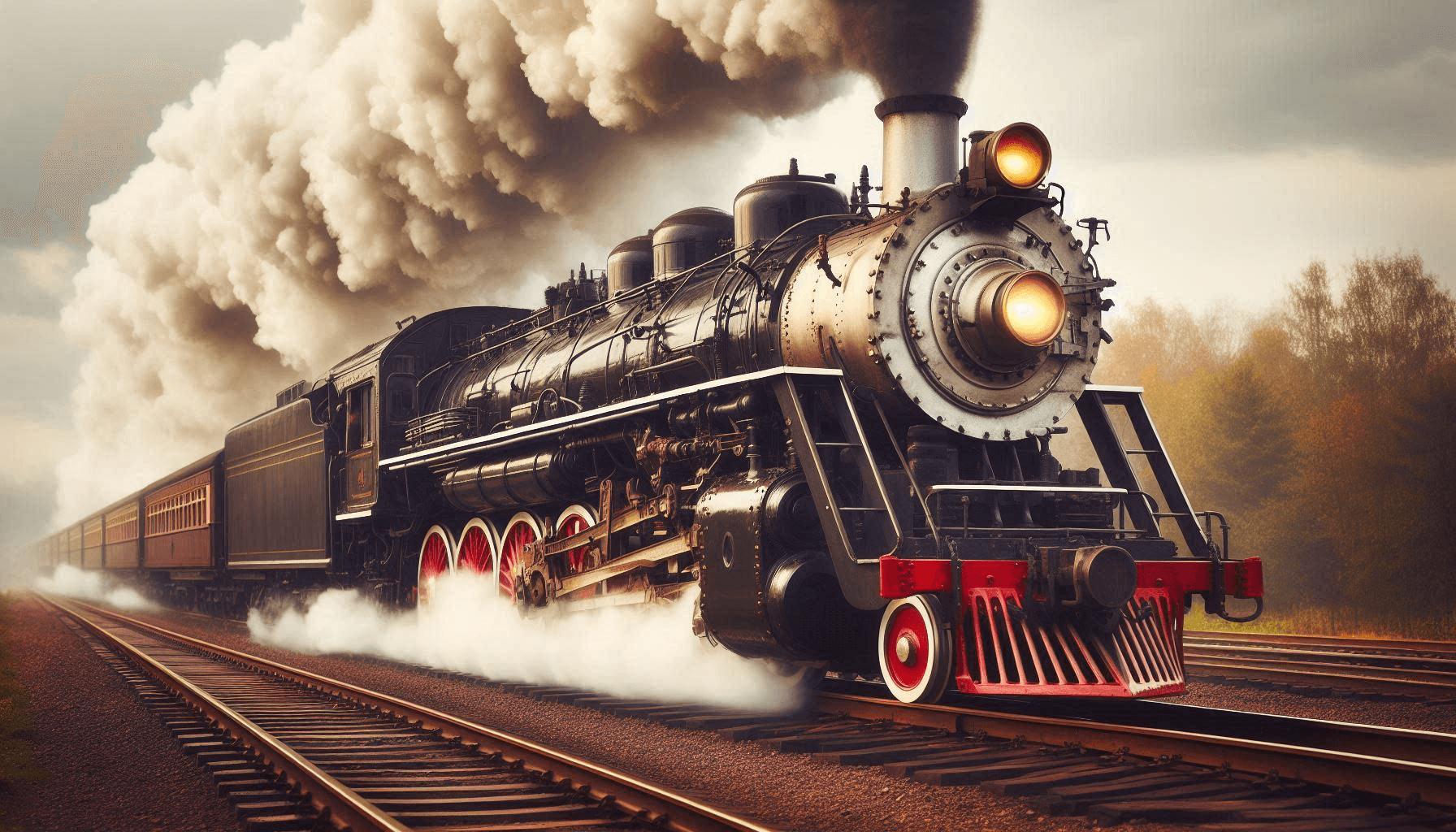
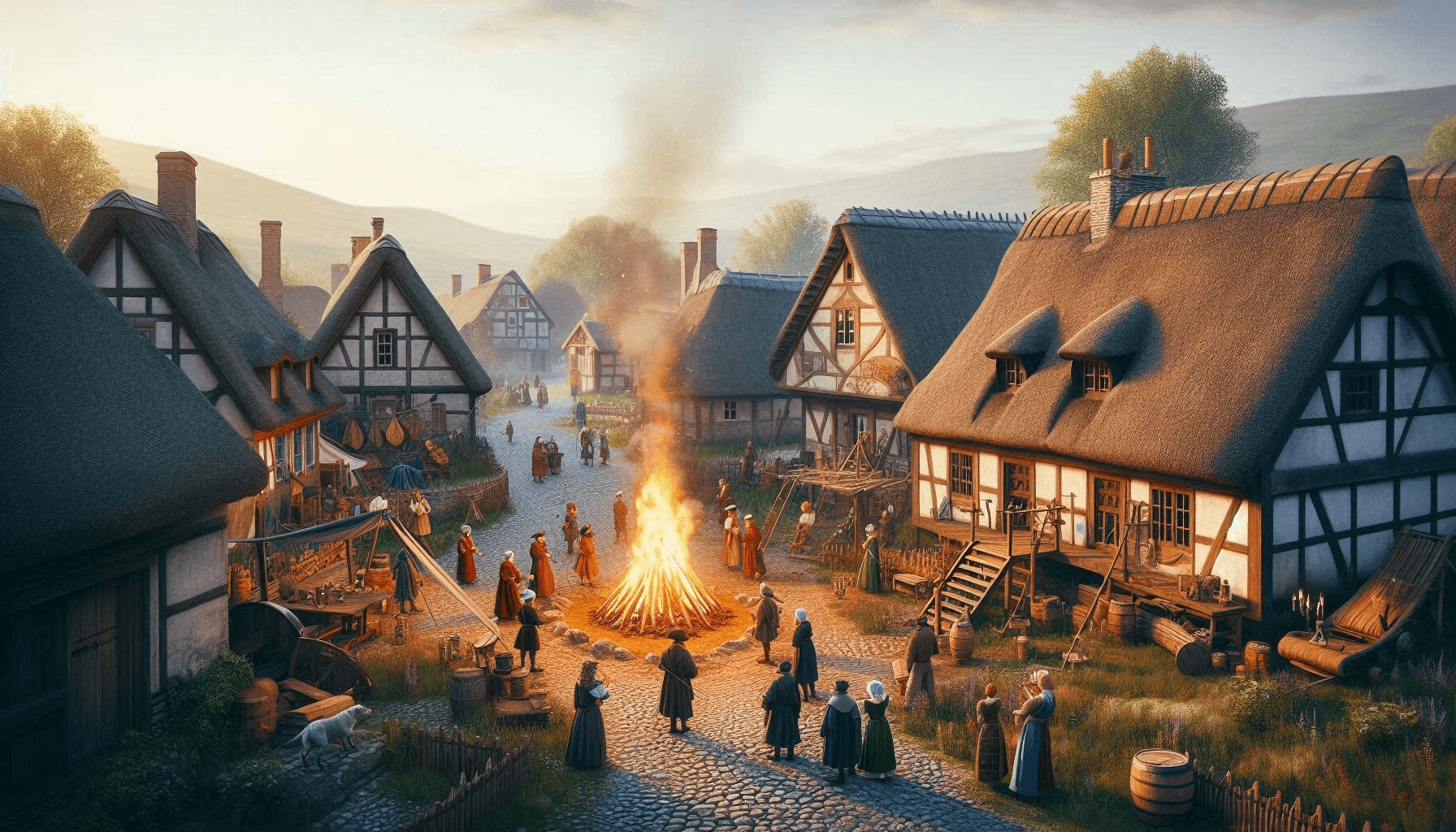
Humans have used biomass longer than any other energy source. The first campfire was biomass. The first steam train was biomass. And a stove burning logs in a cabin tonight is using the exact same trick: release the sun the tree stored.
So how does it actually work?
Three Ways To Get Energy From Biomass
People use biomass in three main ways: burn it for heat, burn it to make electricity, or turn it into liquid fuel.
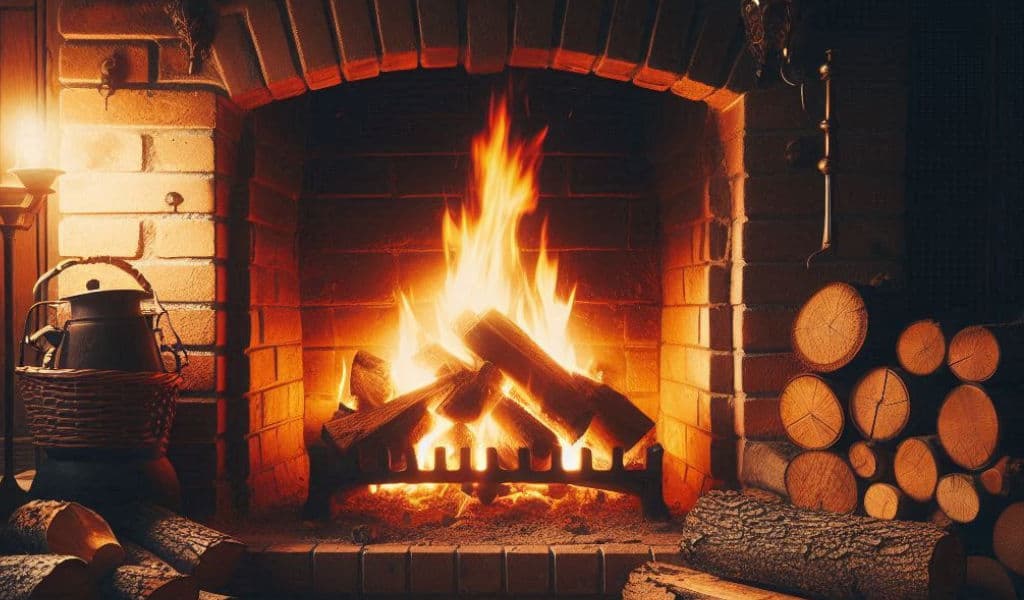
The simplest is heat. A wood stove burns logs, while a pellet stove burns little pressed-wood pellets. Either way, the heat warms your house.
The wild thing about a modern wood stove is how much heat it actually keeps. An open fireplace is around 10% efficient. Most of the warmth flies straight up the chimney. A good wood stove can be 80% efficient. Same wood, eight times the warmth in the room.
→ See how wood stoves squeeze the most heat from a log
→ How pellet stoves burn without smoke
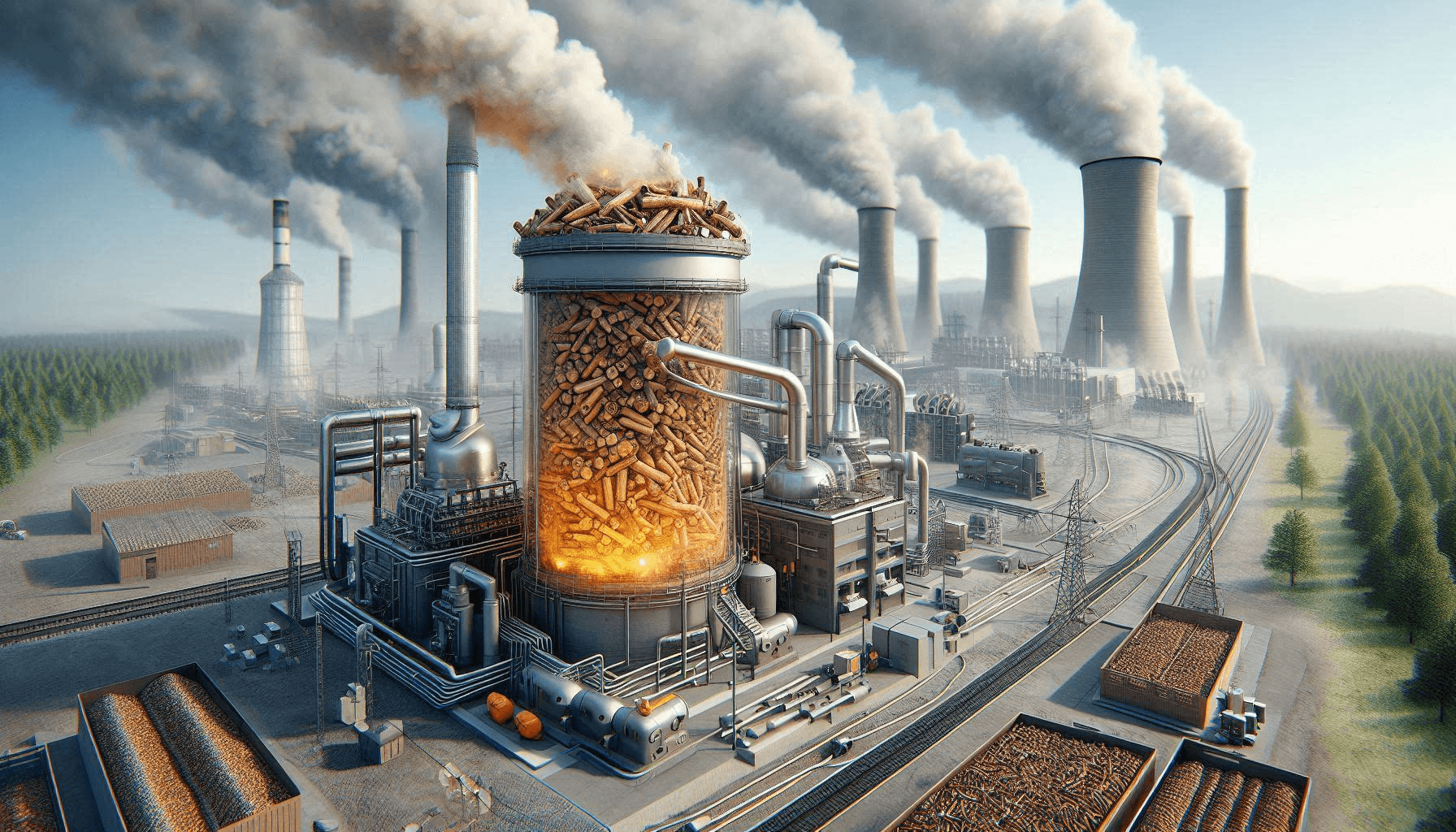
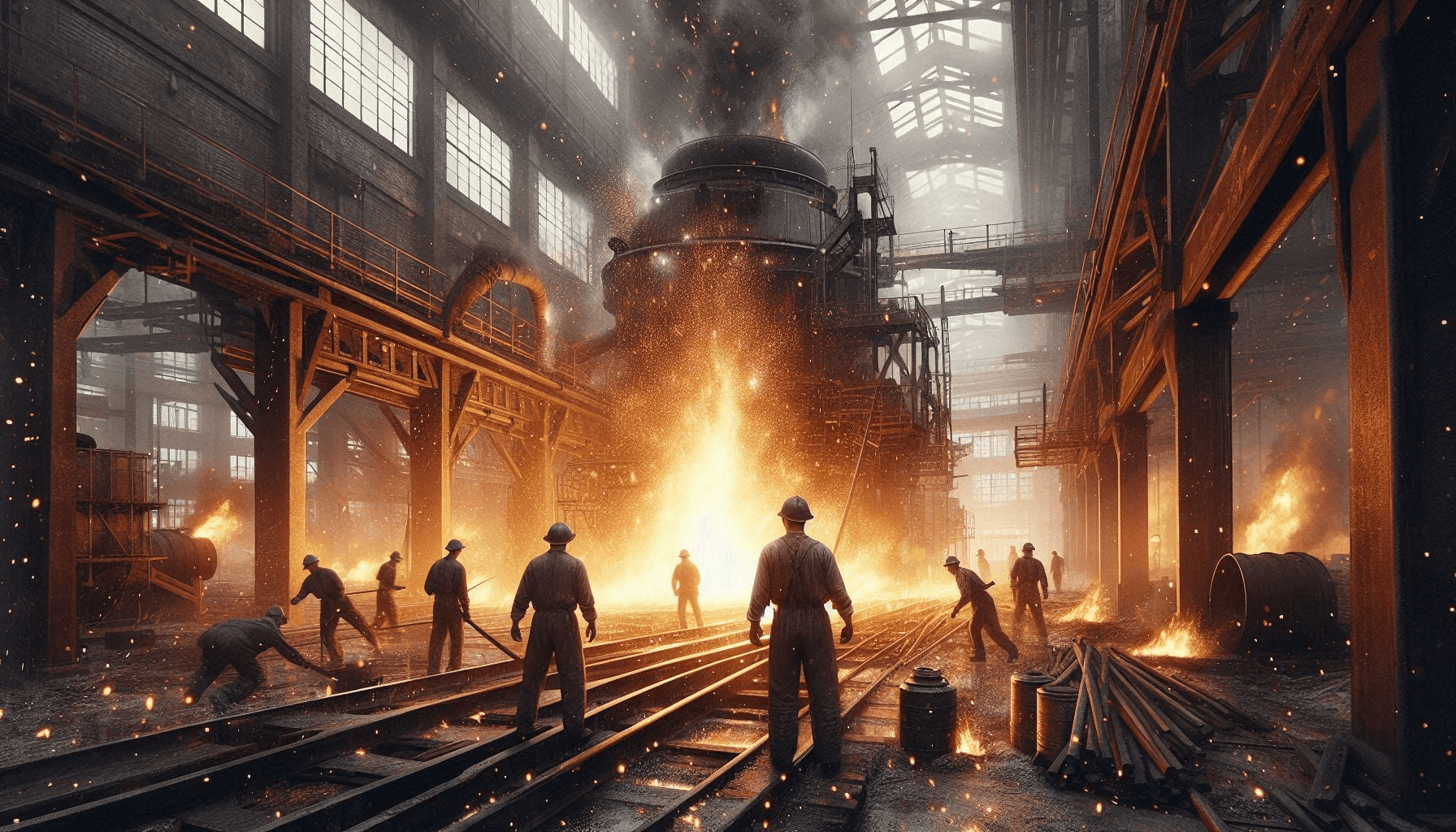
For electricity, big power plants burn wood chips or crop waste to boil water. The steam spins a turbine. The turbine spins a generator. Electricity flows out. Same trick coal plants use, but the fuel grows back.
→ How steam turned water into work
For liquid fuel, scientists turn corn, sugarcane, or plant waste into ethanol or biodiesel. You can pour it in a car.
A 100,000-Year-Old Energy Source
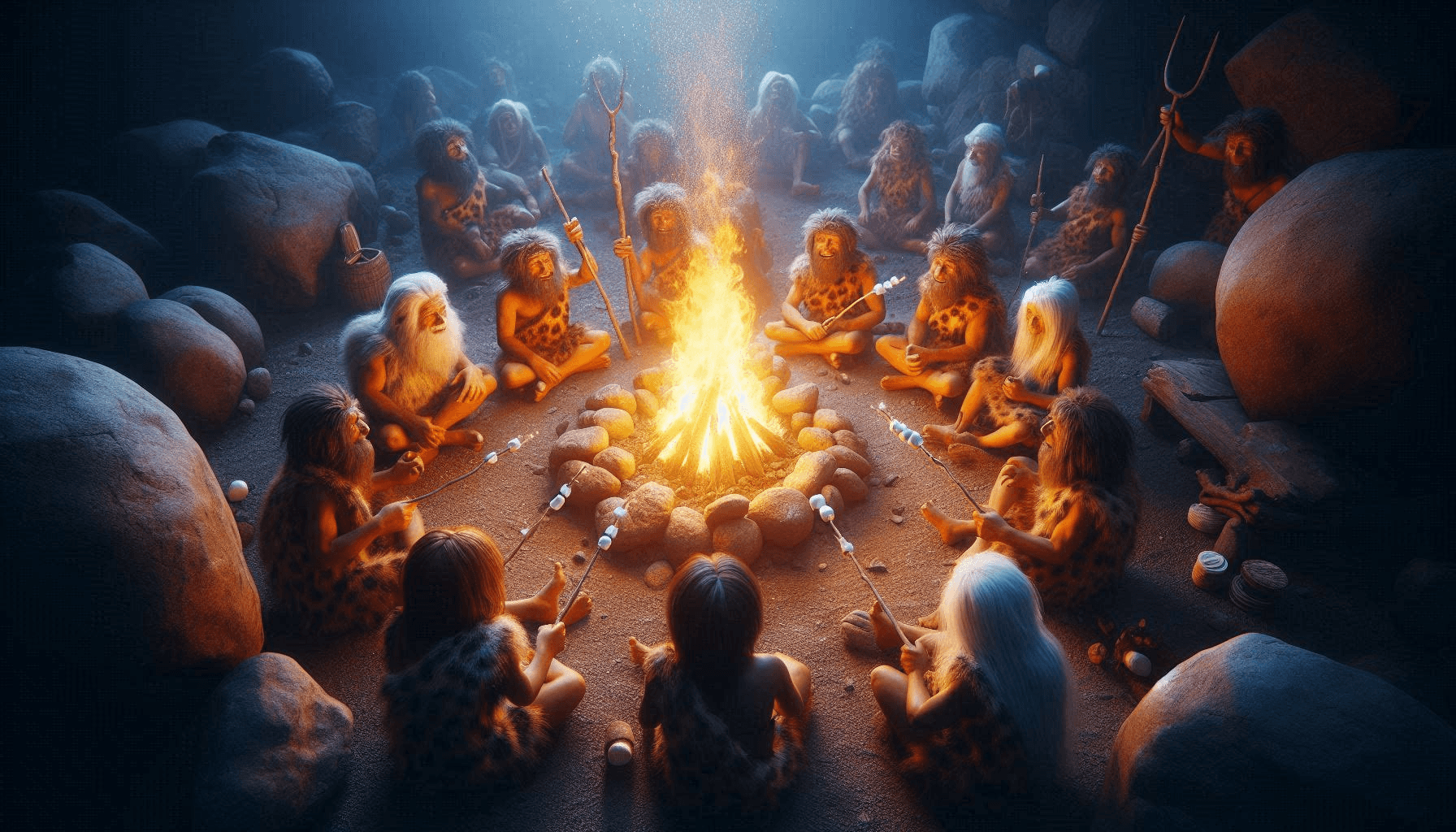
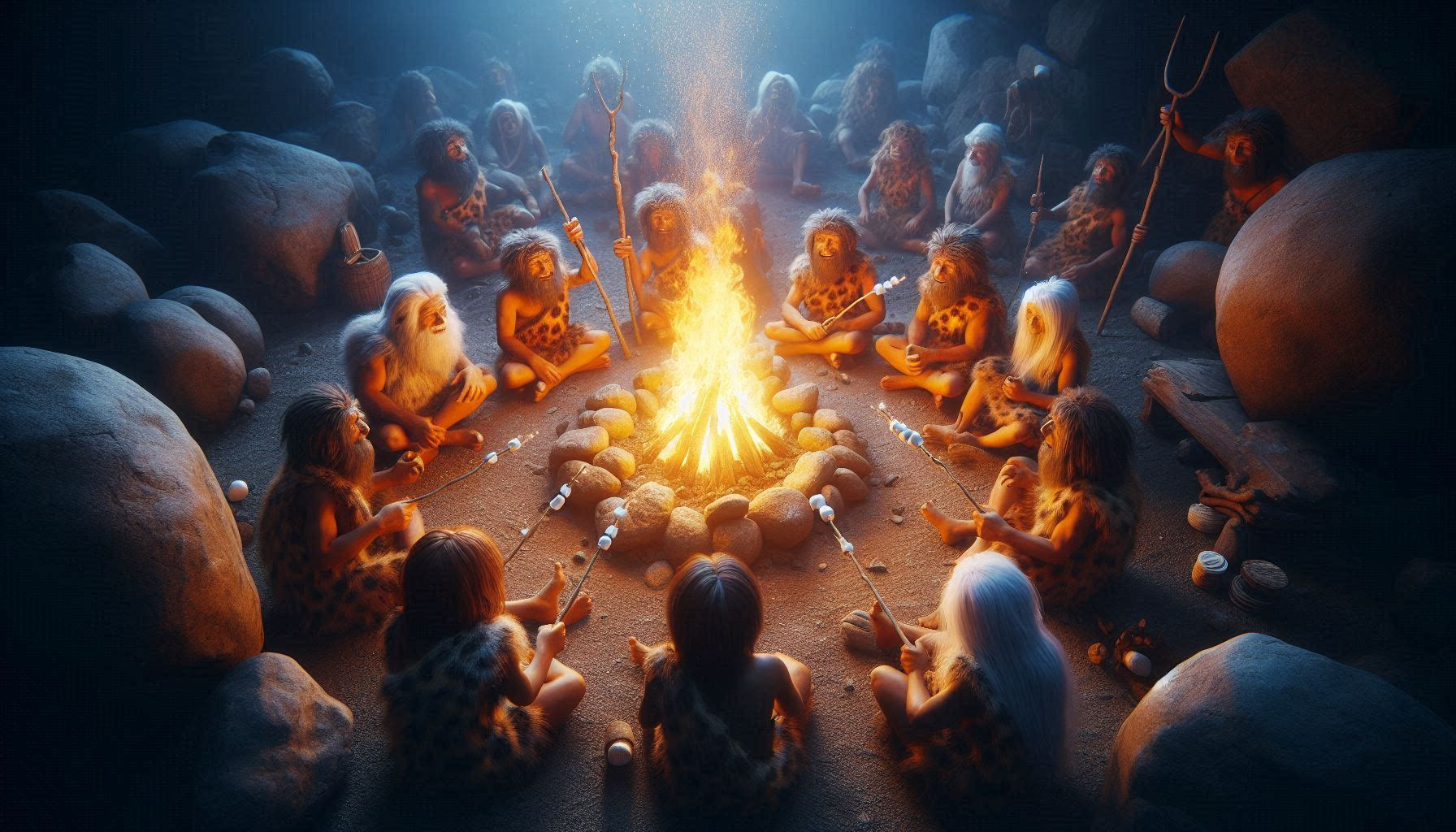
Biomass is the oldest energy humans know. The first humans who learned to start a fire were using biomass. They didn't have a word for it. They just had warmth, cooked food, and a way to scare off animals at night.
For most of history, wood was THE fuel. The Industrial Revolution that built the modern world ran on biomass for centuries before coal took over. The first steam engines burned wood.
Then coal and oil showed up, and biomass got pushed aside. It seemed old-fashioned.
But here's the twist. Coal and oil are basically ancient biomass too. Trees that died millions of years ago, squashed underground, turned into black rock and black liquid. So even when we thought we'd moved on, we were still burning old sunlight.
→ The full story of humans and biomass
Why People Care About Biomass Again
Trees that burn today can be replanted tomorrow. Crop waste regrows every season. Animal manure never stops being produced.
That's the big difference between biomass and coal. Coal is gone forever once you burn it. Biomass comes back.
Scientists are working on better ways to turn waste into fuel. Things you'd throw out (sawdust, leftover stalks, even garbage from food trucks) can be turned into electricity or gas.
→ Where biomass is heading next
→ How people use biomass right now
Biomass Compared To The Other Off-Grid Options
Biomass is great for one thing solar and wind struggle with: heat in winter.
A solar panel makes electricity. To turn that into room warmth, you run a heater, and heaters are hungry. A wood stove just burns a log. Way more heat for way less fuss.
But solar and wind win for everyday electricity. They're cleaner, quieter, and once installed, the fuel is free.
→ How wind turbines turn breeze into power
→ Where you store all that energy
→ Work out how much electricity you actually use
A lot of off-grid homes use a mix. Solar and wind for power, biomass for heat. Each one covers what the others can't.