

Why February Is A Tug Of War Between Sun And Water
In Managua, Nicaragua, one kilowatt of solar panels makes about 5.1 kilowatt-hours a day in February. In June it makes about 3.6.
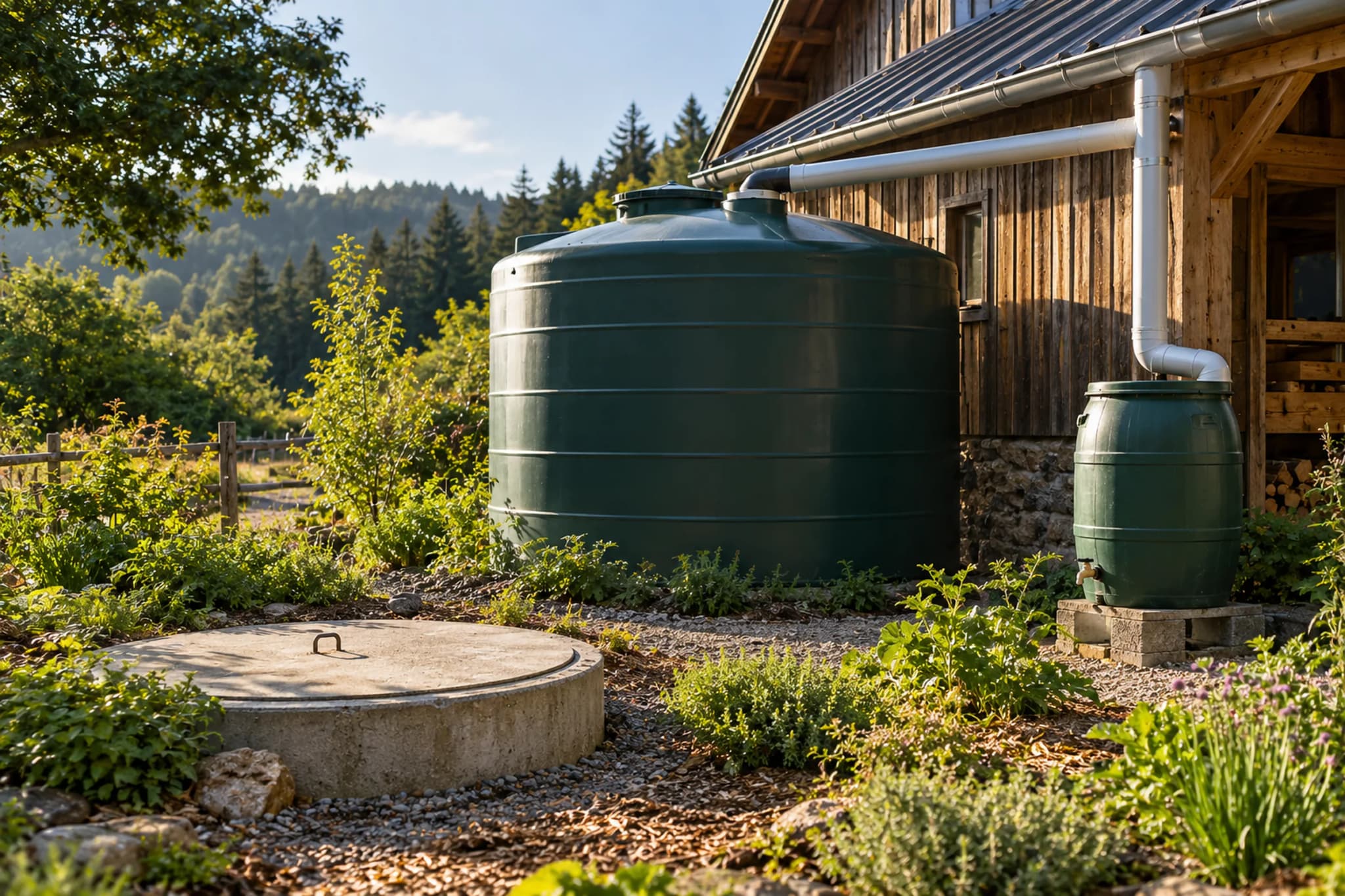
So February is the month your roof works hardest. At the same time, your water tank has had no rain for months and only gets lower from here.
That's the balance of this February tropical homestead checklist: more power than you need, less water than you'd like.
North of the equator, from Central America to West Africa, South India and Southeast Asia, the dry season runs roughly from November to April. The exact dates differ by region. South of the equator, in places like northern Australia, northern Brazil or Indonesia, your version of this month is August.
This month in three jobs: save every drop, count the litres, plant some shade.
Squeeze Every Watt Out Of The Clear Skies
Step 1: Harvest The Strongest Sun Of The Year
A kilowatt-hour is an amount of electricity, about what a small heater uses in one hour. Those daily figures come from PVGIS, a free solar tool from the European Commission.
So keep January's habit: the power-hungry jobs go around noon, when the panels are strongest. If the battery is already full by mid-morning, every sunny hour after that is power going to waste unless something uses it.
Want to know how strong the sun is where you live? Our guide to sun hours explains how to look it up.
Step 2: Wash The Panels Without Wasting Water
PVGIS doesn't count dust, though, and February is dusty. In West Africa the Harmattan wind carries Sahara dust south from about November to March. It only blows over West Africa, so homes in Asia or the Americas just get ordinary dry-season dust.
One study modelled the losses: in the worst-hit places, dust can cut solar output by more than half during the Harmattan. In Niamey, Niger, the loss swung between 26% and 53% from one year to the next.
Cleaning takes water, and water is exactly what's short right now. So clean with a bucket and a soft brush on a long pole instead of a running hose. Do it early on a cool morning from the ground, so cold water never hits hot glass.
Budget The Water In Your Tank
Step 3: Save Every Drop
How much water does a person really need? A report written for the World Health Organization puts the minimum for basic health at about 20 litres per person per day.
About 7.5 litres of that is for drinking and cooking. That leaves little for washing, so most homes plan for more.
Step 4: Count The Litres In Your Tank
Redo November's sum with the water that's actually left. Say your tank holds 5,000 litres and four people each use 50 litres a day. That's 200 litres a day, so a full tank lasts about 25 days.
Now check how many dry weeks are left before the rains, and you know whether you need to cut back now. Don't forget the garden: every bucket for the beds comes out of the same tank. Our rainwater harvesting guide shows how to work out the size of a tank month by month.
Step 5: Keep Mosquitoes Out Of Stored Water
Mosquitoes lay eggs in still water, even in the dry season. The CDC, the US health agency, says to cover water tanks and barrels tightly so mosquitoes can't get inside.
The World Health Organization adds a weekly habit: cover, empty and clean water storage containers once a week.
Step 6: Treat Drinking Water That Has Sat For Months
Water that has waited in a tank since the last rains can pick up germs. If you're not sure it's safe, boil it.
The CDC says to bring clear water to a rolling boil, where big bubbles keep coming up, for 1 minute. Above about 2,000 metres, boil it for 3 minutes. Boiling kills germs, but it can't take out chemicals.
Plant, Mulch And Save Seeds In The Dry-Season Garden
Step 7: Mulch The Soil
The garden feels the dry season first. Bare soil bakes in the sun, and a lot of the water you carry out there disappears into the air before a root can drink it.
Mulch is a blanket for the soil: dry grass, leaves, straw or wood chips spread over the beds. It works like a lid on a pot, keeping the water in instead of letting the sun boil it away.
Garden experts at the University of California say a layer 5 to 8 cm thick cuts evaporation and also keeps weeds down.
Fallen leaves and old crop stalks from your own garden make free mulch. Our off-grid garden guide explains watering and soil care in more detail.
Step 8: Save Seeds From Your Best Plants
February is a good time to save seeds from dry-season crops like tomatoes and beans. Keep them dark, cool and above all dry.
Stored well, tomato seeds can last 3 to 7 years and bean seeds 2 to 4. The tomato seeds wait for next dry season, and the beans can go in when the rains come back.
Saving seeds is also the moment to choose what to plant next. So what can you plant in February in the tropics? It mostly comes down to one question: how much water can you spare?
If the tank is in good shape, the dry season is a great time for tomatoes. A study from the University of the West Indies in Trinidad says heavy rains damage tomato flowers, which is why the crop struggles in the wet season. Dry, sunny weather keeps the blooms safe so they can turn into fruit, as long as you water the roots.
In Burkina Faso, about 80% of tomatoes grow in the dry season, says a report from the Horticulture Innovation Lab at UC Davis.
If the tank is low, choose tough plants instead. ECHO, a group that helps farmers in the tropics, calls cowpeas drought tolerant and fine in poor soil, and some varieties can ripen on as little as 300 mm of rain in a whole year. Pigeon peas are drought resistant too.
Both are legumes, the bean family. Scientists say they "fix nitrogen": they pull a plant food out of the air and leave some of it in the soil for the next crop.
Rains differ a lot from place to place, so check what your neighbours plant and when. They have learned the local weather the hard way.
Cool The House With Trees
Step 9: Plant Shade For Next Dry Season
Trees take years to grow, but they are the cheapest cooling a house can get. The US Department of Energy says a well-planned garden can cut air conditioning costs for an unshaded home by 15 to 50%.
Plant them now and water them through the dry months, or wait for the first rains and let the sky do the watering.
Waiting years for shade is hard, so plant something quick next to the slow trees. ECHO says moringa grows 3 to 5 metres a year from seeds or cuttings, and its leaves can be picked all year round. That's food while the shade grows. Our guide to off-grid cooling explains where heat sneaks into a house.
Stockpile Dry Leaves For The Compost
Step 10: Feed The Compost Its Browns
A compost heap needs two kinds of food. Gardeners call them "greens" and "browns".
Greens are wet and rich, like kitchen scraps and fresh grass. Browns are dry, like fallen leaves, twigs and cardboard. The US Environmental Protection Agency says a heap works best with two to three times as much brown as green.
Dry leaves, dry grass and old stalks are all browns, and the dry season makes plenty of them. Keep filling the bags you started in December, so the wet months, when dry material is hard to find, still have browns. Our guide to home composting shows how to mix a heap.
February is the month of plenty for power and of patience for water. Bank one, guard the other. Then March, the hottest month for many tropical homes, gets a lot easier.
Sources
- PVGIS, Photovoltaic Geographical Information System (European Commission)
- Isaacs et al., Dust soiling effects on decentralized solar in West Africa (Applied Energy, 2023)
- American Meteorological Society, Glossary: Harmattan
- Stelmach and Clasen, Household Water Quantity and Health: A Systematic Review (PMC), citing WHO
- CDC, Mosquito Control at Home
- World Health Organization, Dengue and severe dengue
- CDC, Boil Water Advisory
- UC Master Gardeners, Saving Water in the Vegetable Garden
- Johnny's Selected Seeds, Seed Viability and Storage Guide
- University of the West Indies, tomato study, Trinidad (UWISpace)
- Horticulture Innovation Lab (UC Davis), Evaluation of Tomato Varieties for their Adaptability to Rainy Season Production in Burkina Faso
- ECHO, Perennial Vegetables (Beth Doerr)
- US Department of Energy, Landscaping 101
- US EPA, Composting At Home
Hard Words
| Term | What it means |
|---|---|
| Kilowatt-hour | An amount of electricity: about what a small heater uses in one hour. |
| PVGIS | A free online tool from the European Commission that estimates how much power solar panels make in each month. |
| Harmattan | A dry, dusty wind that blows from the Sahara over West Africa, roughly from November to March. |
| Soiling | Dust, dirt or bird droppings on solar panels that block sunlight and cut power. |
| Litres per person per day | How much water one person uses in a day, for drinking, cooking and washing. |
| Mulch | A layer of dry plant material spread on the soil to keep water in and weeds out. |
| Drought tolerant | A plant that keeps growing through long dry spells with little water. |
| Legumes | The bean family, like cowpeas and pigeon peas. They leave extra plant food (nitrogen) in the soil. |
| Greens | Wet, nitrogen-rich compost food like kitchen scraps and fresh grass. |
| Browns | Dry, carbon-rich compost food like fallen leaves, twigs and cardboard. |
Common Questions
What should be on a February tropical homestead checklist?
Use the strong sun for big power jobs, clean dusty panels with little water, work out how long your stored water will last, cover water containers against mosquitoes, mulch the garden, save seeds, choose what to plant, plant shade trees and collect dry leaves for compost. South of the equator, the same list fits August.
What should I plant in February in the tropics?
In the northern tropics February is deep in the dry season, so let your water decide. With water to spare, tomatoes do well, because heavy rain damages their flowers later in the year. With a low tank, choose drought-tolerant cowpeas or pigeon peas. Moringa is a quick tree that gives leaves all year.
Is February winter in the tropics?
Not the snowy kind. On the calendar it is winter north of the equator, but northern tropical homes are in the dry season, roughly November to April. South of the equator, your version of this month is August.
How much water does a person need per day?
About 20 litres per person per day is the minimum for basic health, according to a report for the World Health Organization. Water researcher Peter Gleick proposed 50 litres per person per day as a basic household supply, so plan for more than the minimum.
How much does dust reduce solar panel output?
It depends on the place and the year. During the Harmattan, one West African study found losses of more than half in the worst-hit places. Regular cleaning keeps losses down.
How do you clean solar panels when water is scarce?
Use a bucket and a soft brush on a long pole instead of a running hose, and work from the ground early on a cool morning. Skip scouring pads and harsh cleaners, which can scratch the coating.
How thick should mulch be in a vegetable garden?
About 5 to 8 cm, according to University of California garden experts. That layer cuts evaporation and keeps weeds down. Dry leaves, straw, grass clippings and wood chips all work.