

Why June Starts With The Battery
The first of June is a big day in the tropics. It's the official start of the Atlantic hurricane season, and the usual date for India's monsoon to reach the Kerala coast.
Thailand's rainy season usually opens in mid-May, and the Philippines usually follows in late May or early June. Across the northern tropics, the wet months run roughly from May to October, though the timing shifts from region to region.
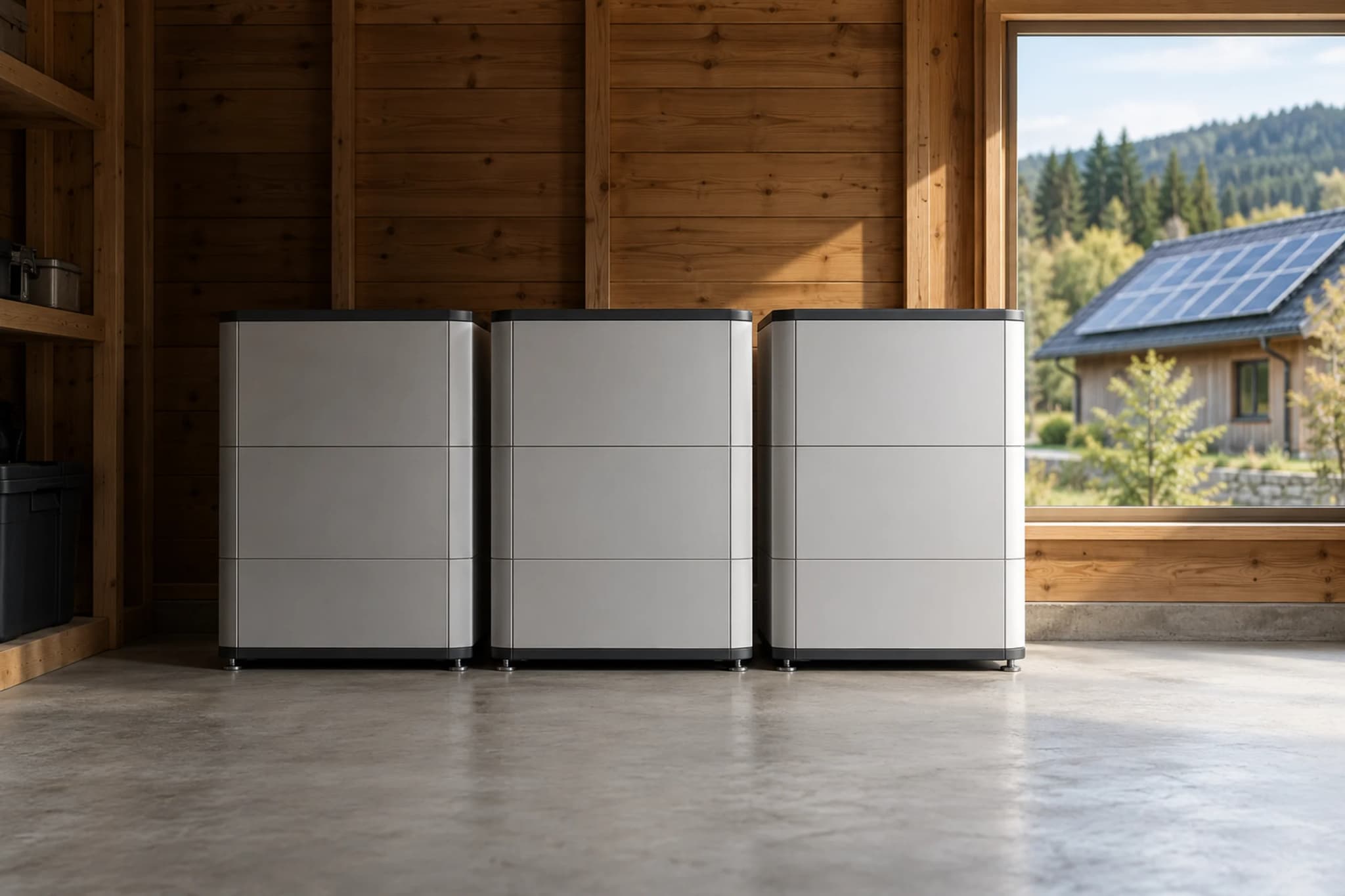
With the rain come the clouds, and with the clouds comes less solar power. So this June tropical homestead checklist starts with the battery.
South of the equator, in places like northern Australia, northern Brazil or Indonesia, your version of this month is December.
This month in three jobs: spare the battery, secure loose things, plant the greens.
Make The Battery Last Through Grey Days
Step 1: Spare The Battery
In Bangkok and Managua, one kilowatt of panels makes about 3.6 kilowatt-hours a day in June. In January Bangkok gets about 4.4, and in March Managua gets about 5.3.
A kilowatt-hour is an amount of electricity, about what a small heater uses in one hour. Those numbers come from PVGIS, a free solar tool from the European Commission.
There's a bonus, too: the rain rinses the dust off the panels for free. And the drop is smaller than winter brings to cold countries. But averages hide the grey streaks, when thick cloud sits on the roof for days.
On those days the battery carries the house. People who size batteries talk about "days of autonomy", which just means how many days the battery can run the house with almost no sun. Our guide to choosing a battery explains how to size one.
Step 2: Move Big Jobs To Sunny Hours
When the sun breaks through, use it. Pump water, wash clothes and charge tools then, and save the battery for lights, fans and the fridge at night.
On a grey day, skip what can wait. Every kilowatt-hour you don't use is one the battery keeps for later.
Plant A Vegetable Garden That Loves The Rain
Step 3: Plant The Rainy-Season Greens
So what do you plant in June in the tropics? Mostly leaves. The rains turn the garden into a fast-forward button, and leafy plants love it.
The World Vegetable Center is a research group for tropical vegetables. When floods hit, it has sent kangkong (water spinach) and mungbean seeds in relief kits, because they grow fast and suit local conditions. Amaranth is another leafy crop the group works with.
Gardening Australia's Darwin gardener says leafy plants like Ceylon spinach and kangkong thrive in the heat and storms of the wet. Her tips: give them raised, well-drained beds, so the roots never sit in a puddle, and cover the soil with coarse mulch like hay or leaves, so big raindrops don't wash it away.
Rain also washes food out of the soil, so she feeds the plants regularly, every week or so. Harvest kangkong when the shoots are about 20 centimetres long.
Sow a little every two weeks, so a new batch of leaves is always coming. Gardeners call this succession planting. The weeds will love the rain just as much, and they're July's big job.
Step 4: Shelter The Tomatoes, Or Skip Them
Tomatoes have a hard time in hot, wet weather. Heavy rain damages the flowers, so less fruit forms, and the wet season brings more disease.
Some growers use rain shelters, a plastic roof over the plants. Others graft tomatoes onto the roots of aubergines (eggplants), which helps the plants survive flooding and a soil disease called bacterial wilt.
That's right: a tomato plant on the roots of an aubergine. In farm trials in the Philippines and Vietnam, every plant that wasn't grafted died after heavy rain and flooding.
If that's too much work, leave them for the dry months. Our off-grid garden guide has more on soil and watering.
Keep Catching And Cleaning The Rainwater
Step 5: Keep Catching The Rain
In June, a tank can fill in one storm and overflow in the next. Keep the first flush working and note how often it overflows: October's list asks whether a second tank is worth it. Every litre kept now is one you can drink in March.
Step 6: Make Rainwater Safe To Drink
Rain looks clean, but the roof isn't. Bird droppings, dust and leaves end up in the tank.
So anything you drink goes through steps. The first flush goes away, a filter catches the bits, and then something kills the germs: boiling, a UV lamp or the right dose of chlorine. Our guide to off-grid water filtration shows which treatment removes what.
Storm-Proof The House
Step 7: Stock Up And Secure Loose Things
South of the equator, cyclones come from about November to April, so the same list fits there then.
If April's storm jobs are done, the drains are clear and the shutters are fixed. What's left is the loose stuff: Ready.gov, the US emergency agency's website, says to bring loose outdoor things inside. It also warns that shops may be empty for days or weeks after a storm, so keep medicines and supplies at home.
Go Easy On A Soaked Septic System
Step 8: Give The Septic System A Break
A septic system is an underground tank plus a "drainfield", a patch of soil that soaks up and cleans what goes down the drains. In very wet weeks that soil is already full of rain.
The US Environmental Protection Agency warns that a drainfield in saturated, flooded soil can't treat the wastewater. The only way to avoid a backup into the house is to use the system less.
So in the wettest weeks, take shorter showers, spread out laundry, and never drive over the drainfield. Our guide to septic systems and composting toilets explains how the system works.
June brings fast growth and short power. Plant a lot, use power wisely, and keep an eye on the sky.
Sources
- PVGIS (European Commission JRC), monthly solar output for Bangkok, 1 kWp
- PVGIS (European Commission JRC), monthly solar output for Managua, 1 kWp
- Thailand government, Thailand weather and seasons
- PAGASA, onset of the rainy season
- NOAA National Hurricane Center, Tropical Cyclone Climatology
- Bureau of Meteorology, Tropical cyclone knowledge centre
- Agro.biodiver.se, AVRDC statement on its vegetable seed kits for flooded areas of Thailand (2011)
- Gardening Australia (ABC), Tropical Greens
- University of the West Indies, thesis on wet-season tomatoes in Trinidad
- Palada and Wu, Increasing off-season tomato production using grafting technology in Southeast Asia (Acta Horticulturae 742)
- Ready.gov, Hurricanes
- CDC, About Carbon Monoxide Poisoning
- US EPA, Septic Systems: What to Do after the Flood
- University of Florida IFAS, Flooding and Septic Systems
Hard Words
| Term | What it means |
|---|---|
| Kilowatt-hour | An amount of electricity: about what a small heater uses in one hour. |
| PVGIS | A free online tool from the European Commission that estimates how much power solar panels make in each month. |
| Days of autonomy | How many days a battery can run the house with almost no sun. |
| Carbon monoxide | A gas from engines and fires that you can't see or smell. Breathing it can kill. |
| Kangkong | Water spinach: a fast-growing leafy vegetable that likes wet ground. |
| Succession planting | Sowing a small batch every few weeks, so there is always something to harvest. |
| Grafting | Joining the top of one plant onto the roots of another, so it gets the best of both. |
| UV lamp | A lamp that shines ultraviolet light through water to kill germs. |
| Drainfield | The patch of soil where a septic tank's water soaks away and gets cleaned. |
Common Questions
What should I plant in June in the tropics?
North of the equator, June brings the rains, so plant fast leafy crops: kangkong, amaranth, Ceylon spinach and mungbeans. Grow them in raised, well-drained beds with mulch on top, and leave most tomatoes for the dry months. South of the equator, follow the December list.
What garden jobs are there in June in the tropics?
Sow a small batch every two weeks, feed the plants often because rain washes food out of the soil, and harvest the leaves young so they grow back quickly. Raised beds prevent drowned roots, and July brings the weeds.
How much less solar power do panels make in the wet months?
Less, but not as much as people think: PVGIS gives about 3.6 kWh a day per kilowatt of panels in June in Bangkok and Managua. Cloudy streaks of several days are the real test.
When does hurricane season start?
On 1 June in the Atlantic, and it runs to 30 November with the peak around 10 September. In the Australian region, cyclones come from about November to April.
Is it safe to run a generator during a storm?
Only outdoors, well away from the house. The CDC says never run one indoors or in a garage, even with the doors open, and keep it more than 6 metres from windows and doors, because its carbon monoxide can kill.
Can a septic tank flood in the rainy season?
Yes. When heavy rain soaks the ground, the drainfield can't soak up the wastewater, so sewage can back up into the house.
The US Environmental Protection Agency says not to use the system until the water in the drainfield is lower than the water around the house. Use less in the wettest weeks, and never pump a tank in waterlogged ground.