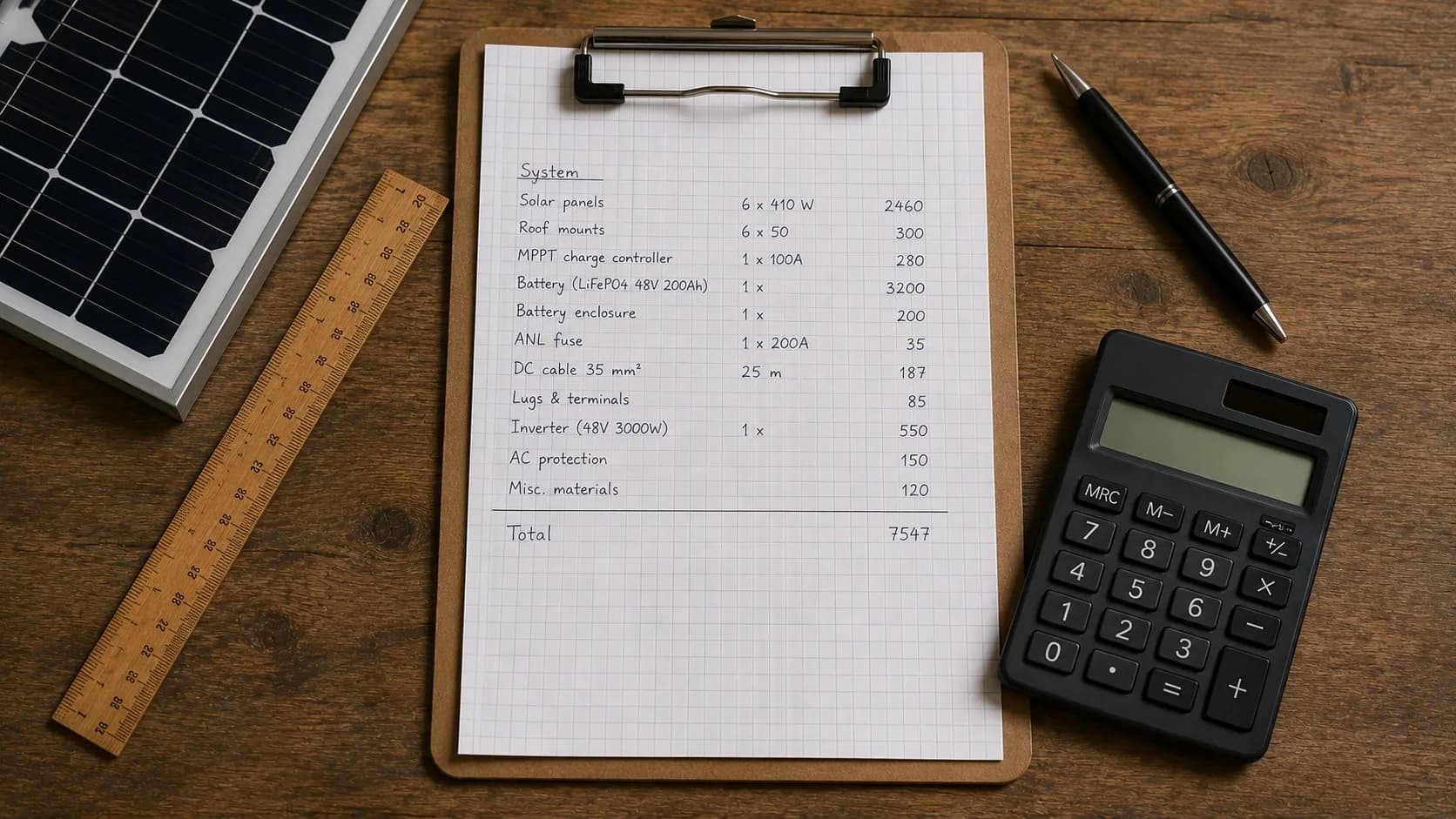

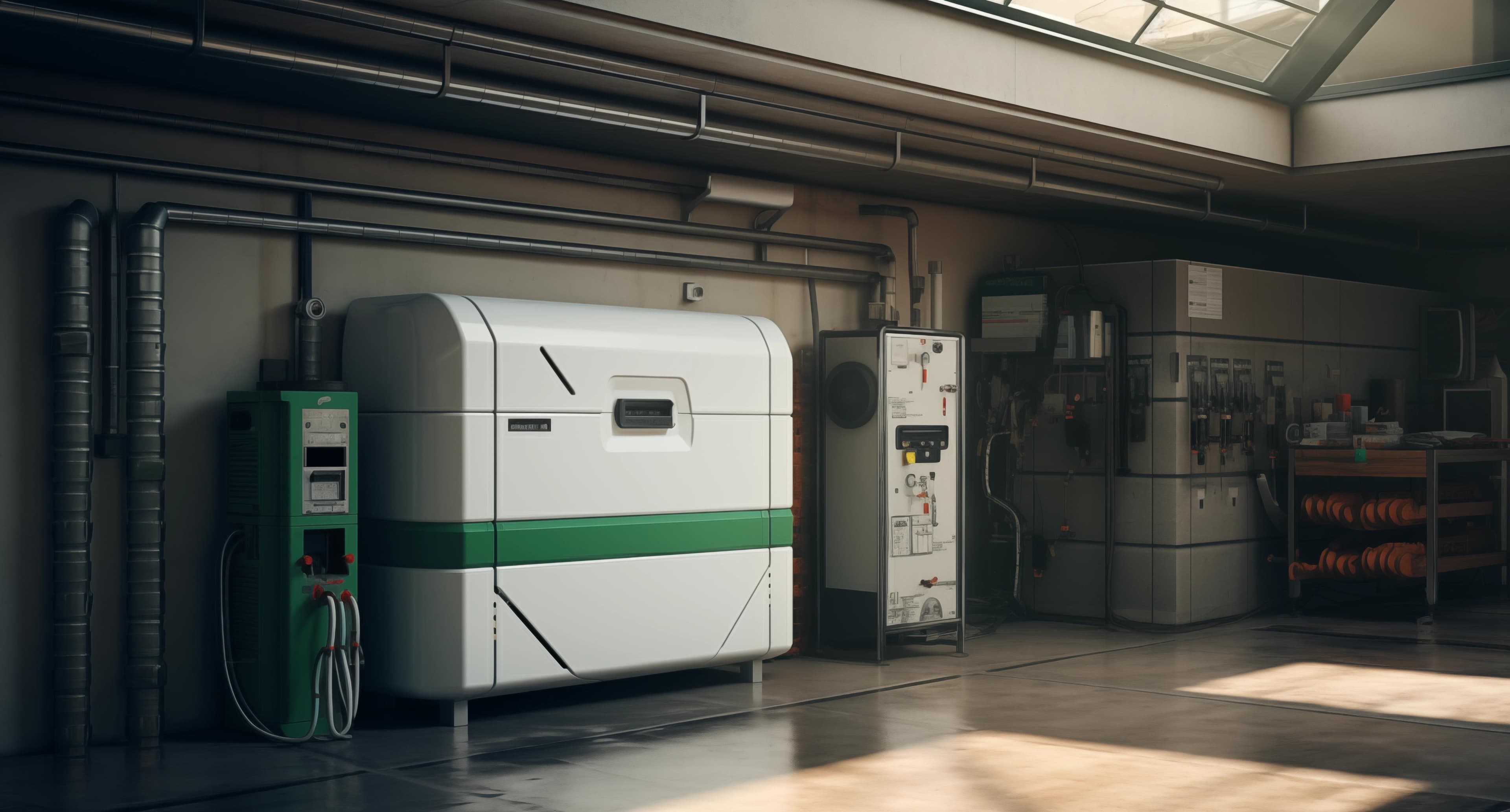
The battery is the most expensive part of your off-grid setup. Get this part right and the rest gets easier.
Five Things To Check Before You Buy
Battery type. The big three for off-grid: LiFePO4 (the favorite, safe, 13+ years), lead-acid (cheap, heavy, shorter life), or saltwater (the safest, lower power per kilo).
Voltage. Your battery and your inverter have to match. 12V, 24V, or 48V are the common ones. Bigger systems usually run at 48V because thinner wires can carry the same power.
Capacity (Ah). How much energy the battery holds. Match this to your daily power use, with a few days of backup.
Cycle life. How many times you can charge and drain it before it's dead. LiFePO4 wins here. 5000+ cycles is normal. That's daily use for 13+ years.
Temperature range. Lithium doesn't like freezing temperatures. If your battery lives in a cold shed, look for one with heating built in, or plan to keep the space warm.
→ Read more about home batteries
Wiring Multiple Batteries Together
One battery is rarely enough for a real home setup. So you wire several together.
There are two ways to do it.
In series. Plus of one to minus of the next. This adds the voltages together. Two 12V batteries in series make a 24V system. Capacity stays the same.
In parallel. Plus to plus, minus to minus. This adds the capacities together. Two 12V 100Ah batteries in parallel give you 12V 200Ah. Voltage stays the same.
You can also mix the two. Pair them up in series, then pair the pairs in parallel. That's how you build a 48V battery bank from smaller 12V units.
Three Rules When Combining Batteries
Same age, same brand, same size. Mixing an old battery with a new one drags the new one down to the old one's level. Don't do it.
Match the charger. Whatever charges the battery (the charge controller, the inverter) has to be set to the right voltage and chemistry.
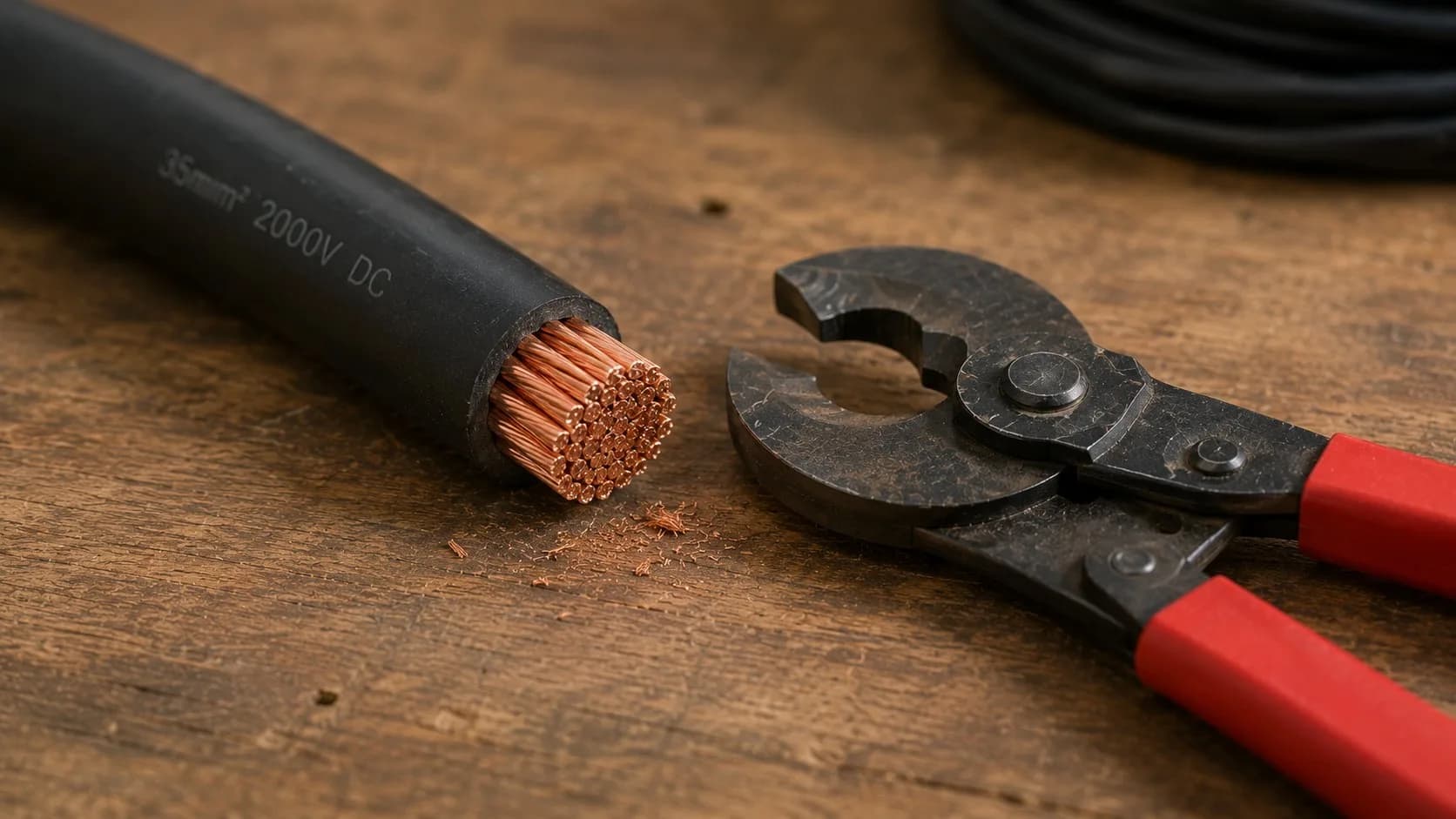
Fuse the connections. Every battery cable gets a fuse. A short circuit between two house-sized batteries can melt cable in a heartbeat.