

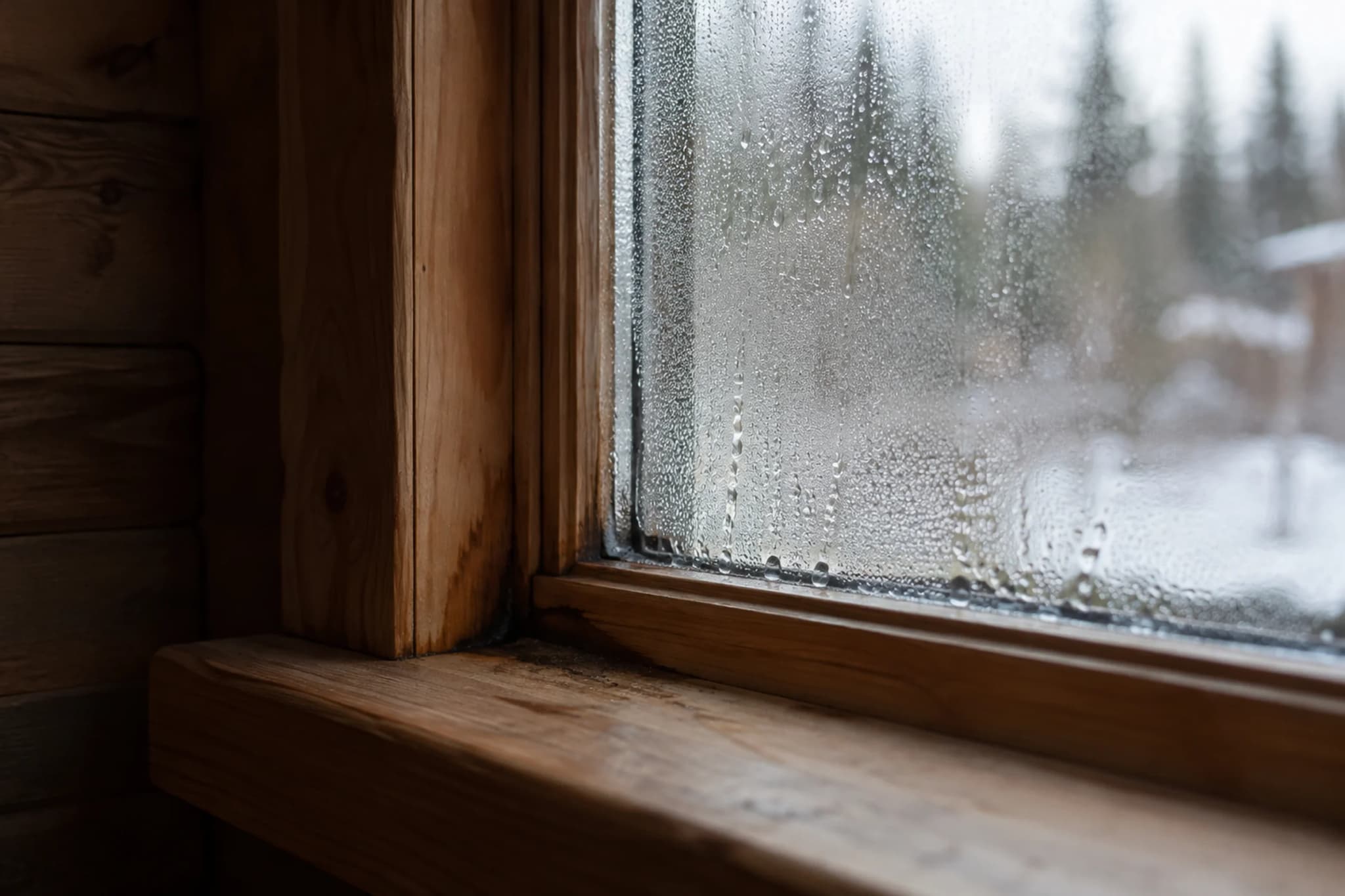
Why September Starts With Mould
The tenth of September is a date hurricane forecasters know by heart. It's the statistical peak of the Atlantic hurricane season, and most storms come between mid-August and mid-October. South of the equator, cyclones come from about November to April.
Across much of the northern tropics, September is also deep in the wet season. The ground is soaked, rivers run high, and the air feels like a wet towel.
That's perfect weather for mould. So this September tropical homestead checklist starts inside the house, then works out to the river, the garden, the power system and the septic tank.
Exact timing differs by region. South of the equator, in places like northern Australia, northern Brazil or Indonesia, your version of this month is March.
This month in three jobs: dry the air, watch the river, stake the beans.
Win The Fight Against Mould In The House
Step 1: Dry The Air Indoors
Mould is a fungus, a cousin of mushrooms, and it grows wherever things stay damp. It loves walls, shoes, books and the back of cupboards.
The US Environmental Protection Agency has advised keeping indoor humidity, the amount of water in the air, ideally between 30 and 50%. In the humid tropics that's hard, so aim at least for under 60%.
A cheap humidity meter, called a hygrometer, tells you where you stand, like a thermometer for dampness. Open the house whenever the rain stops, and let a fan push damp air out.
Step 2: Dry Anything Wet Within Two Days
The CDC, the US health agency, says wet things should be cleaned and dried or thrown out within 24 to 48 hours to stop mould from growing.
Wet mattresses, carpets and cardboard boxes are the worst. If they can't dry in time, they're usually better gone.
Step 3: Clean Mould Safely
Mould spores are tiny bits that float in the air and can irritate your lungs. So clean it up the safe way.
Wear an N95 mask, gloves and goggles. Scrub hard surfaces with water and detergent, then dry them fast. Never mix bleach with ammonia or other cleaners. If mould covers more than about 1 square metre, or someone at home has asthma or a weak immune system, get professional help.
Sometimes mould comes from inside the walls. In hot, humid places, a wall built the wrong way can trap water instead of drying out. Our guide to insulation explains how moisture moves through walls.
Watch The River And Keep Floodwater Out Of Your Water
Step 4: Watch The River
After weeks of rain, rivers can rise fast, even when it isn't raining where you are. Know the flood warnings for your area and where you'd go if the water came up.
The US National Weather Service says 15 cm of fast-moving water can knock an adult off their feet. Just 30 cm can carry off a small car, and 45 to 60 cm can carry away trucks and big SUVs.
Its rule is four words long: turn around, don't drown.
Step 5: Protect The Well
After every flood, August's well rule still holds: test the water for bacteria, even if it looks clear, and drink stored or bottled water until the well has been disinfected and a test comes back clean. Our guide to off-grid wells explains how to keep well water safe.
Step 6: Seal The Water Tanks
Floodwater carries mud, sewage and chemicals. Make sure tank lids, hatches and underground cisterns are sealed, so floodwater can't get into your drinking water.
Plant The Garden, Stake The Beans And Keep Crops Off Wet Ground
Step 7: Stake The Beans
So what should you plant in September in the tropics? Most planting guides are written for places with a spring and an autumn, but tropical gardens run on the rain calendar instead. Every place keeps its own, and the farmers around you know yours best.
One good guide comes from the University of Guam, on an island in the western Pacific north of the equator. On its table of common garden crops, this month opens a new window: yardlong beans, sweet corn and cucumbers can all be planted from September to April.
The year-round plants on that table continue too, including leafy greens, green onions, long eggplant, hot peppers, okra, bitter melon, sweet potatoes and taro. Cherry tomatoes and Chinese cabbage wait until October.
In Central America, this is when farmers sow the postrera, their second bean crop of the year, and harvest it by January, says the GEOGLAM Crop Monitor.
Climbing beans grow like crazy in the rains. Yardlong beans, the long thin beans of Asian kitchens, are ready to pick 55 to 60 days after planting on Guam, and then keep giving for about four weeks. Singapore's National Parks Board says the vines grow 2 to 4 metres long. That's about as high as a basketball hoop.
Beans and corn are big seeds, so they can go straight into the soil. But beans and cucumbers need support, says the Guam guide: a trellis, a frame of sticks and string they can climb. Push the stakes deep so a storm can't knock them over.
Plants up off the ground get more air, so their leaves dry faster after rain. Singapore's parks experts say yardlong beans grow best in full sun and cope well with humid air, but not with waterlogged soil. A layer of mulch, like straw or dry leaves, stops rain from splashing dirt up onto the leaves, the Guam guide adds.
Choose varieties made for the heat. On Guam, peas and brussels sprouts don't produce a crop, while lettuce, broccoli and kale grow quite well from the right seeds. Our off-grid garden guide covers watering, soil and space, and July's list explains which plants grow year round.
Step 8: Keep Stored Food Dry
The World Health Organization says moulds grow on food in warm, damp and humid conditions, and some make poisons. Keep grain, beans and flour in sealed containers off the floor, and check them often. As in March, anything mouldy, discoloured or shrivelled goes.
Keep The Power System Dry And Safe In Floods
Step 9: Keep Water Away From The Electrics
Batteries, inverters and cables should never sit where floodwater can reach. If yours are on the floor of a low shed, think about raising them before the next big storm.
If water does get in, follow August's after-the-storm rules. Don't touch wet electrical equipment, remember that the battery and panels stay live even with the main switch off, and have an electrician check everything before you switch back on.
Our guide to safety switches explains how they cut the power in an emergency.
Go Easy On The Septic In Soaked Ground
Step 10: Use Less Water After Floods
A septic system is an underground tank plus a "drainfield", a patch of soil that soaks up and cleans the wastewater. In a flood, that soil is already full.
June's rule gets stricter after a flood: drainfields won't work until the underground water goes down, says the US Environmental Protection Agency, so use the system as little as you can. Don't pump the tank while the ground is flooded, and keep cars off the drainfield.
Our guide to septic systems and composting toilets explains the warning signs of trouble.
Step 11: Dry Out A Soggy Compost Heap
A soaked compost heap smells like rotten eggs, because the water pushes out the air. Mix in dry browns like leaves, straw or shredded cardboard to soak up the extra water, then cover the heap.
September is the month to stay dry and alert. Keep the house breathing, the beans climbing and one eye on the river.
Sources
- NOAA National Hurricane Center, Tropical Cyclone Climatology
- Japan Meteorological Agency, Climatology of tropical cyclones
- EPA, A brief guide to mold, moisture and your home
- CDC, Dry Off Wet Items After a Storm
- US National Weather Service, Turn Around Don't Drown flood brochure
- EPA, What to do with your private well after a flood
- University of Guam Cooperative Extension, Starting a vegetable garden in Guam
- GEOGLAM Crop Monitor, Central America and Haiti special report (November 2023)
- National Parks Board Singapore, Flora and Fauna Web: Yard-long Bean
- World Health Organization, Mycotoxins fact sheet
- US EPA, Septic Systems: What to Do after the Flood
- University of Florida IFAS, Flooding and Septic Systems
Hard Words
| Term | What it means |
|---|---|
| Mould | A fungus that grows on damp surfaces and food. Some kinds make people sick. |
| Humidity | How much water vapour is in the air. |
| Hygrometer | A small meter that shows the humidity, like a thermometer for dampness. |
| Mould spores | Tiny bits that mould releases into the air to spread. |
| Trellis | A frame of sticks, wire or string that climbing plants grow up. |
| Postrera | The second growing season in Central America, when farmers sow a second bean crop from September. |
| Inverter | A box that changes battery power into the kind of power household plugs use. |
| Drainfield | The patch of soil where a septic tank's water soaks away and gets cleaned. |
| Browns | Dry compost material like fallen leaves, straw and cardboard. |
Common Questions
What should I plant in September in the tropics?
North of the equator, September is deep in the rains. The University of Guam lists yardlong beans, sweet corn and cucumbers from this month, next to year-round greens, green onions, eggplant, hot peppers, okra, bitter melon, sweet potatoes and taro. South of the equator, follow the March list.
What vegetables do well in full hot sun?
Warm-season crops like tomatoes, cucumbers, eggplant and yardlong beans grow well in Guam's tropical climate, says the University of Guam, and most vegetables need at least 6 to 8 hours of full sun a day. Pick heat-tolerant varieties.
What are the tropical garden jobs in September?
Plant beans, corn and cucumbers, stake the climbers, mulch, and keep stored food dry. Around the house: dry the air, clean mould safely, watch the river, test the well after floods, seal tanks, keep electrics dry, go easy on the septic and dry out soggy compost.
What indoor humidity stops mould?
Below 60%, and ideally 30 to 50%, says the US Environmental Protection Agency. In the humid tropics, airflow, fans and drying wet things fast matter most.
When is the peak of hurricane season?
The Atlantic hurricane season peaks around 10 September, and most activity falls between mid-August and mid-October. The season officially runs from 1 June to 30 November. In the western Pacific, August and September are the busiest months for typhoons. South of the equator, cyclones come from about November to April.
How much moving water can knock you over?
Just 15 cm of fast-moving water can knock an adult off their feet, and about 30 cm can carry off a car. Never walk or drive into floodwater.
How tall do yardlong beans grow?
The vines grow 2 to 4 metres long, says Singapore's National Parks Board, so they need tall stakes or a trellis pushed deep into the ground. On Guam, the first beans are ready 55 to 60 days after planting.
Can you use a septic system during a flood?
As little as possible. Drainfields won't work until the underground water goes down, says the US Environmental Protection Agency, so using less water is the way to avoid a sewage backup. Don't pump the tank while the ground is flooded.