
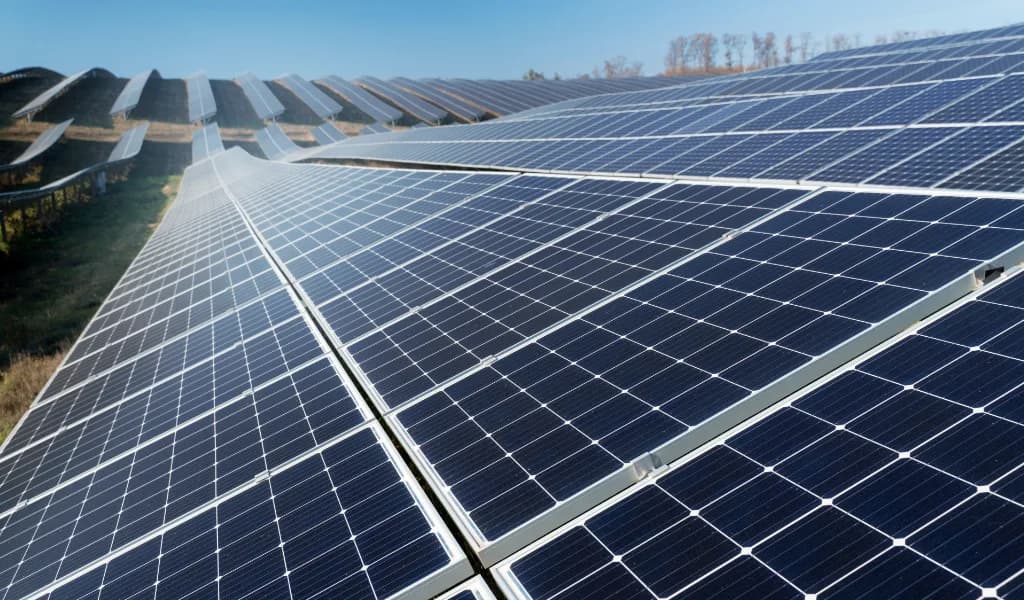
Catching The Sun

The sun blasts more energy at the Earth in a single hour than all of humanity uses in a whole year. Read that again. One hour. Enough sunlight to power every car, every house, every factory on the planet for 365 days.
Most of it just bounces back into space.
For thousands of years people tried to grab a piece of it. Ancient Greeks used polished bronze mirrors to focus sunlight onto torches inside their temples. It worked for fire, but you couldn't really do much with hot light back then.
The real breakthrough came in 1839. A 19-year-old French scientist named Edmond Becquerel was working in his father's lab in Paris. He was running a routine experiment with two metal plates in a liquid. He turned a light on, and the meter twitched. Electricity. From nothing but light hitting metal.
He didn't fully understand why. Nobody did, for almost a hundred years.
But that small twitch on a meter in 1839, made by a teenager who was just curious, is the reason your phone can charge from a solar panel today.
Scientists later named what he saw the "photovoltaic effect". It's a fancy word. It just means "light makes electricity".
What's Happening Inside The Panel
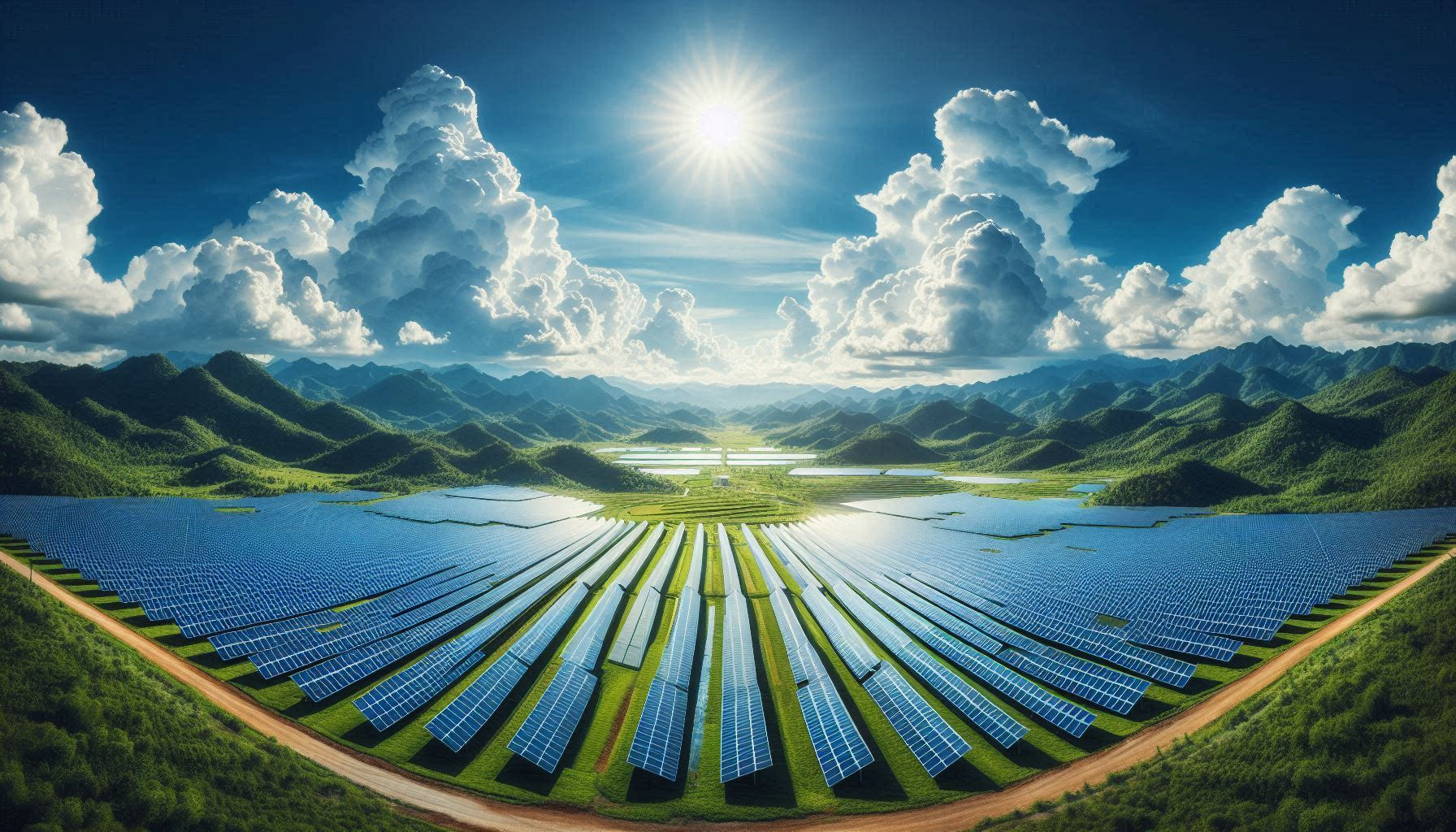
So how does a solar panel actually turn sunlight into electricity?
Inside the panel are lots of small squares called cells. Each cell is made from a material called silicon. You can think of silicon as a really clean slice of sand.
Here's the strange part. That same polished sand is also in your phone's chip, in your laptop, and in the satellite Google Maps is talking to. The exact same material that runs almost every piece of modern technology is what catches sunlight on your roof.
Scientists call silicon a "semiconductor". That's just a fancy word for a material that can move electricity around when something gives it a push. Sunlight is the push.
When sunlight lands on a cell, tiny particles inside the silicon start bouncing around like little balls. Those bouncing particles are electrons, the same tiny things that flow through every wire in your house. Sunlight knocks them loose. The panel catches them. That flow of electrons is electricity.
Wires on the back of the cell catch the bouncing electrons and send them somewhere useful: your fridge, a phone charger, or a light bulb.
No engine, nothing spinning, no smoke. Just sunlight hitting sand, and electricity coming out the other side. That's why you can put panels almost anywhere: cabins in the woods, boats out at sea, traffic signs along the highway, even satellites orbiting the Earth. Anywhere the sun reaches.
→ Look inside an actual solar panel
→ Go deeper into how solar panels work
Three Kinds Of Panels
Not all panels are the same. There are three main kinds, and each one is good at a different job. Picking the wrong kind for your situation can waste thousands of dollars, so it's worth knowing the difference.
Monocrystalline panels are the sleek black ones you see on house roofs. They turn about 20% of the sunlight that hits them into electricity. That's the highest of any common panel. Think of them like a sports car. Fast and efficient, but more expensive.
Polycrystalline panels look blue and a bit patchy. They catch about 15% of the light, a little less than mono, but they're much cheaper to make. Think of them like a regular family car. Less flashy, less expensive, gets the job done.
Thin-film panels are flexible. Some are so thin and bendy you can roll them up. They catch anywhere from 10 to 19% of the sunlight depending on the type, but you can stick them on backpacks, curved boat hulls, or anything a rigid panel wouldn't fit. Think of them like a sticker. Often less powerful than the rigid panels, but they go places other panels can't.
So which one is for you?
Want maximum power on a small roof? Go monocrystalline.
Have a big sunny field and a tight budget? Go polycrystalline.
Need flexible or portable? Go thin-film.
→ How many panels do you actually need?
→ Use the solar panel calculator
From Roof To Fridge
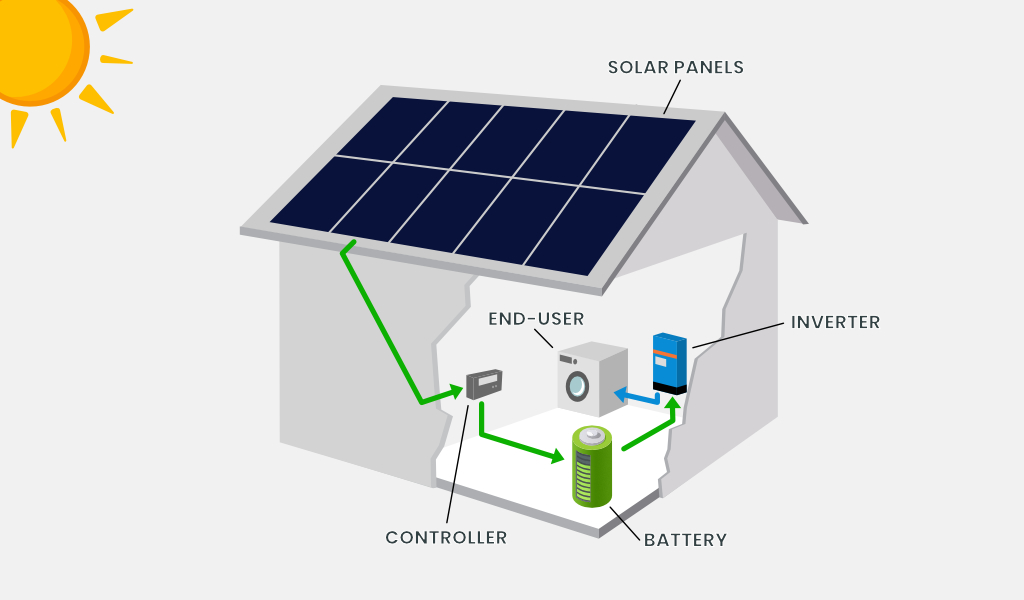
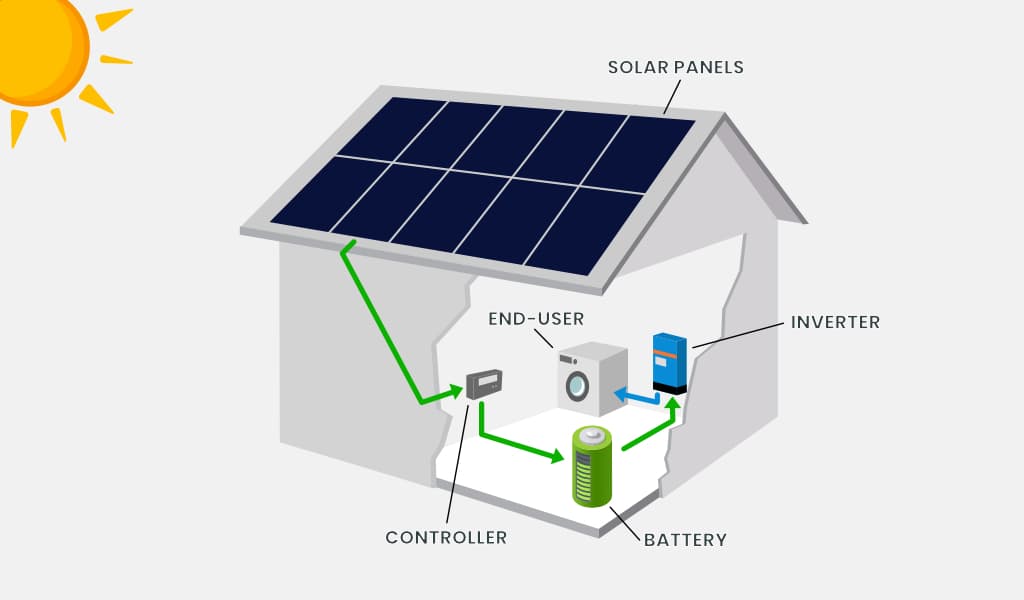
A solar panel by itself isn't very useful. The electricity it makes can't directly run your TV. There's one more step.
So what happens between your roof and your fridge?
Your panel makes electricity, but it's the wrong kind for your house. There are two flavors of electricity: AC and DC. AC, short for "alternating current", is what comes out of your wall sockets. DC, short for "direct current", is what comes out of a battery. Your fridge and your TV only want AC. Solar panels only make DC.
That's where the inverter comes in. An inverter is like a translator box. It takes the panel's DC and changes it into the AC your appliances understand. Without an inverter, your panel and your fridge can't talk to each other.
If you're storing solar power in batteries, there's one more piece you need: a charge controller. That's a small box between the panel and the battery, and it makes sure the battery gets exactly the right amount of power. Without it, a strong sunny day could fry the battery in a few minutes.
From the inverter, the power flows into your normal electrical panel. The same one your lights are already connected to. Your fridge doesn't care that the electricity came from the sun. It just runs.
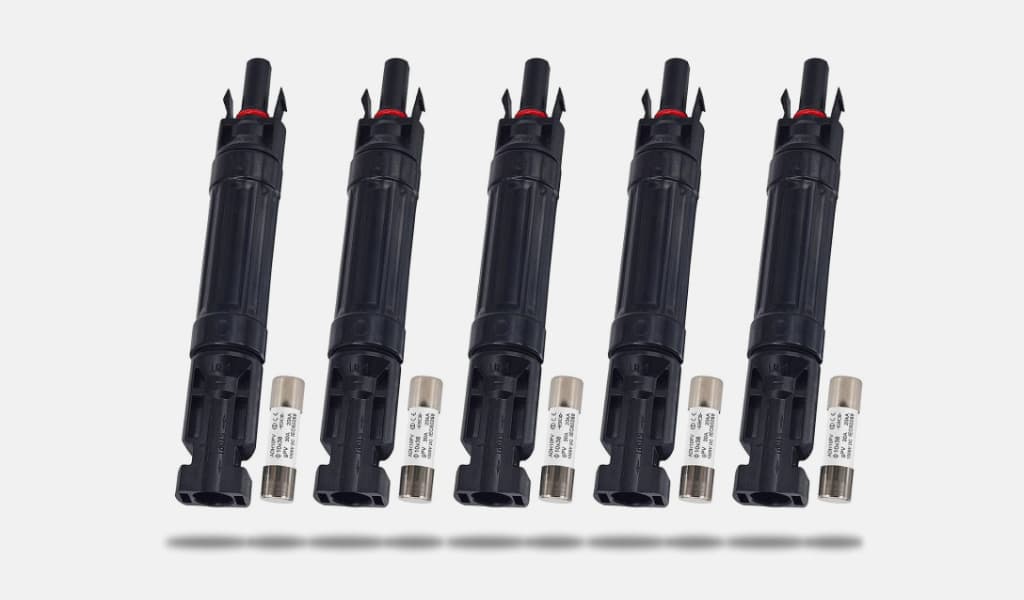
→ All the electronic parts in a solar setup
Holding It All Up
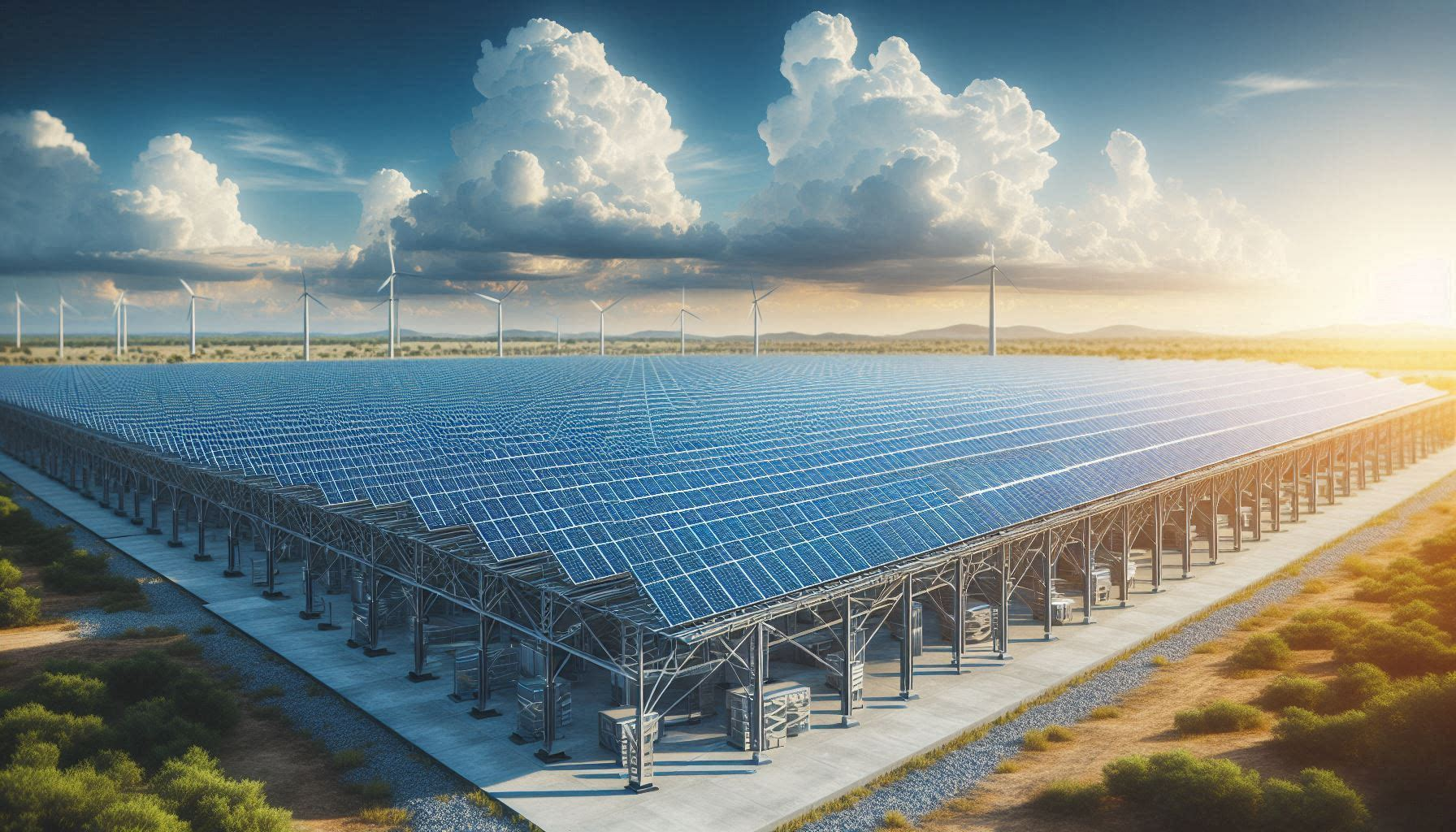
Solar panels are pretty light. But they sit on top of your house all year, through wind, hail, snow, and everything else. A bad windstorm can pick up a poorly-mounted panel and toss it across the yard. Or worse, into a neighbour's car.
That's why panels are bolted to a strong frame called a mounting structure.
The frame does three things. It points the panels at the sun. It holds them at the right tilt. And it keeps them from blowing off in a storm.
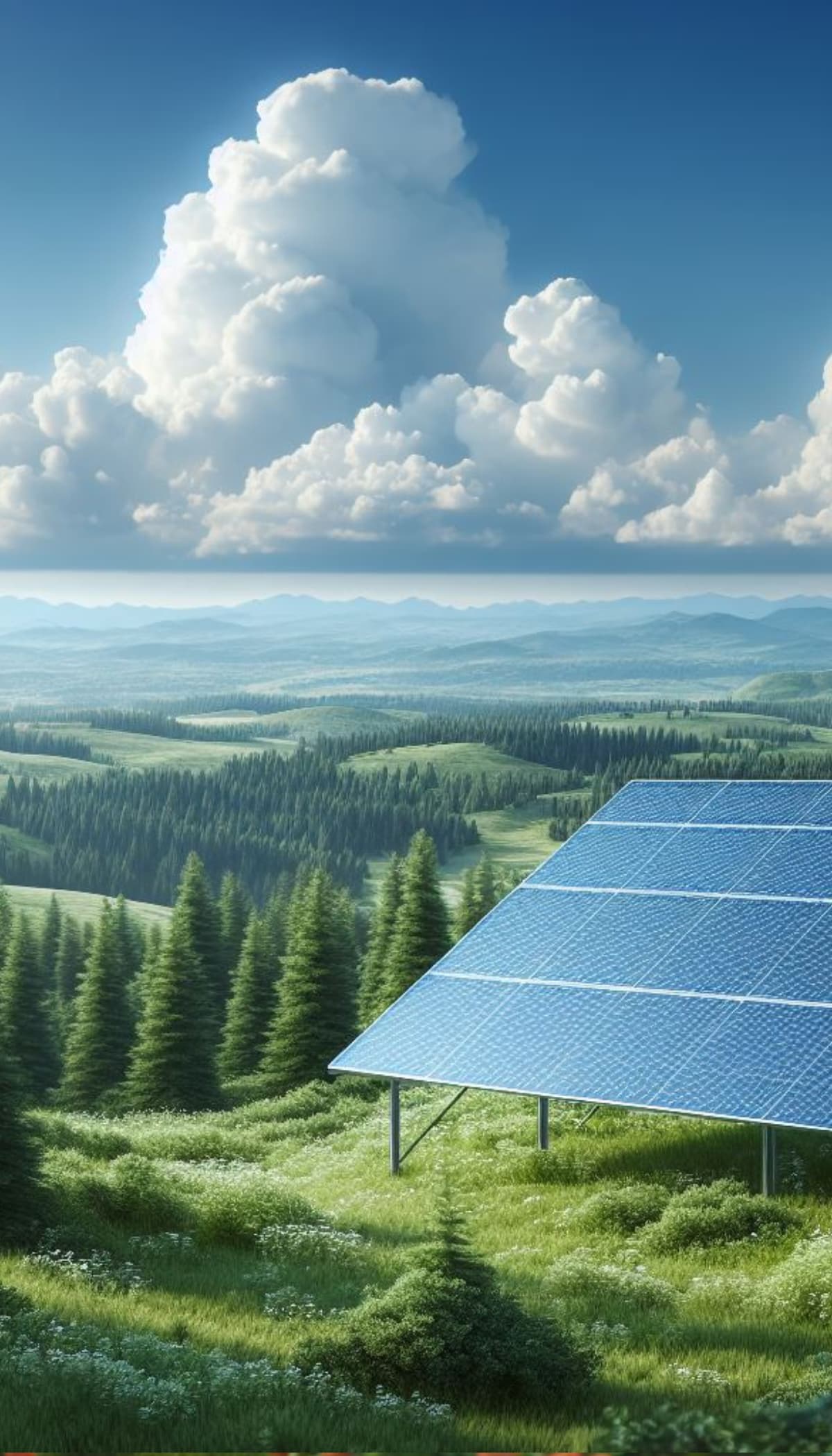
There are two main types. Roof mounts attach to your existing roof, while ground mounts use their own steel frame in your yard.
Roof mounts are cheaper, but ground mounts let you aim the panels perfectly.
Either way the frame needs to be solid. A cheap frame that fails in a storm can wreck your roof and your panels at the same time.
Where Solar Is Heading
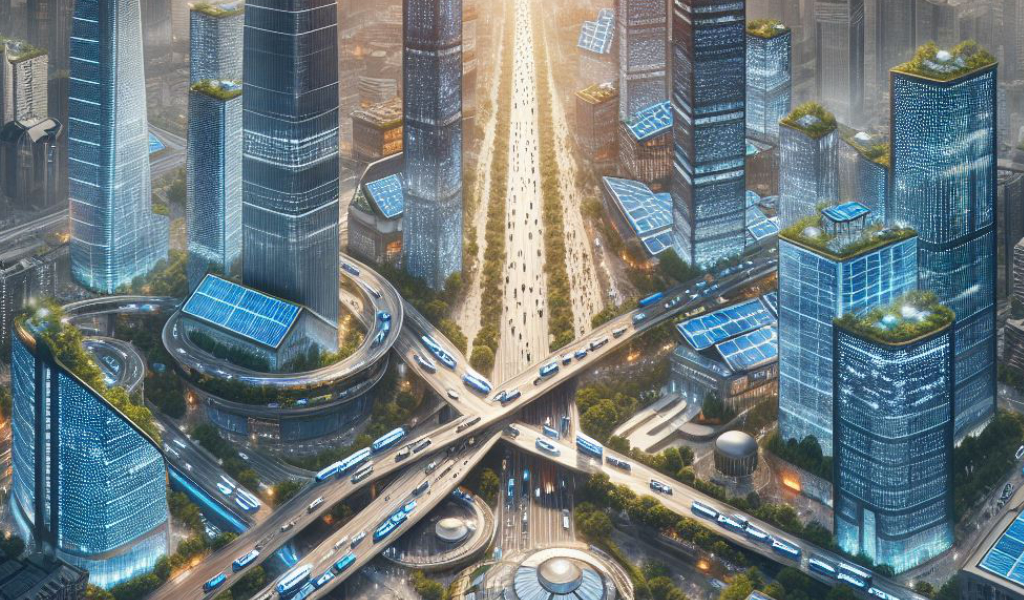
Here's what's wild. Solar is still improving fast, even after about 70 years of progress.
In labs right now, scientists are testing a new material called perovskite. Early versions are already beating the best silicon panels on efficiency. If perovskite holds up outside for 25 years (the hard part), your roof tomorrow could make twice as much power as your roof today.
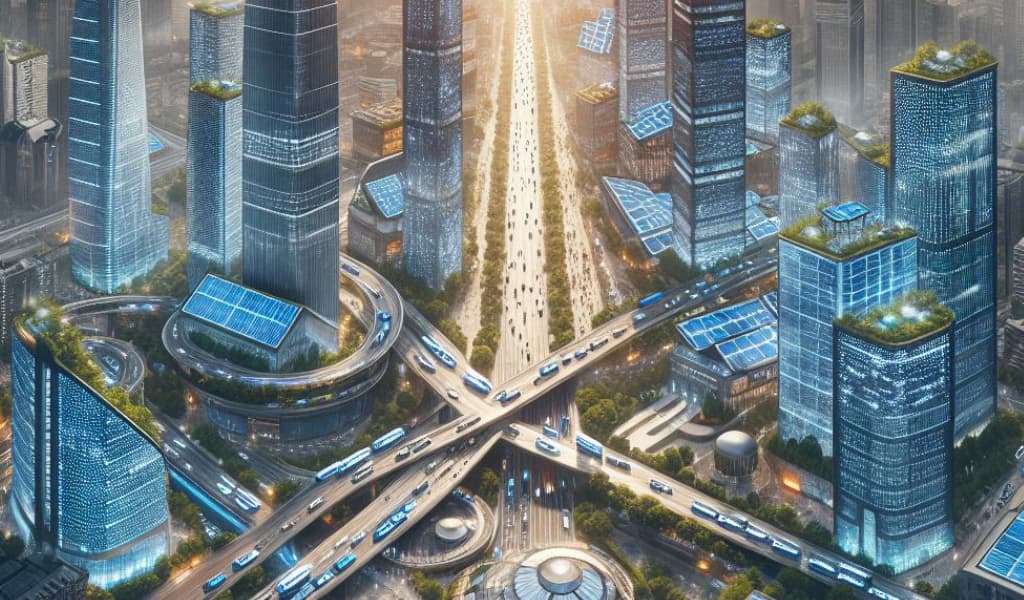
Then it gets weirder. Researchers are putting solar inside windows that look like normal glass. Inside paint you can roll onto a wall. Inside fabric you can wear. A jacket that charges your phone while you walk to school. A car that charges itself in the parking lot. A window that lets daylight through AND powers your lights.
This sounds like science fiction. It's already being tested in real labs.
What sounds futuristic today might be on store shelves in five years.
→ Future trends in solar panels
Going Off-Grid With Solar
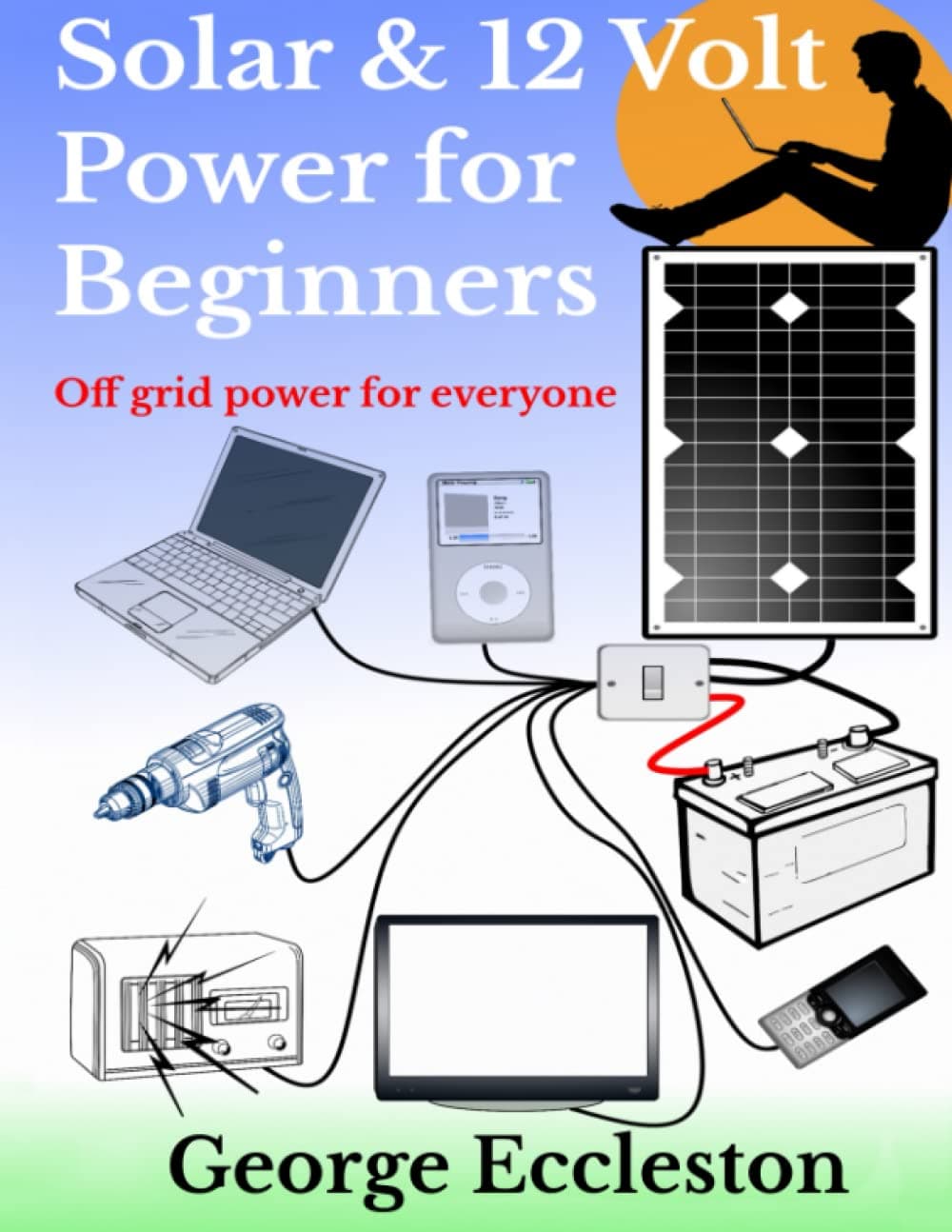
Solar is the most popular way to live off-grid. But getting it right takes some thinking ahead.
Where you live changes everything. Sunny places like Spain get a lot more power per panel than cloudy places like Scotland. A solar setup that runs a whole house in Arizona might only cover a fridge in northern Germany.
You also need to know your own daily energy use. Otherwise you'll buy too few panels and run out of power, or too many and waste money.
And there are rules. Some places want permits before you can install anything. Some don't. Get this wrong and you can be fined or forced to take everything down.
One big decision waits for you. Do you want to be fully off-grid, or stay connected to the public grid as a safety net? Each option has serious pros and cons.
→ What to think about before going off-grid with solar
→ How many sun hours does your area get?
→ Off-grid vs grid-tied: which is right for you?
Why People Pick Solar
Solar isn't magic. It can't run a whole house alone if the sky is cloudy for a week. You'll usually want batteries or a backup source.
But here's what changes everything.
A panel on your roof works quietly for 25 to 30 years. The day it pays itself off (usually around year 7 or 8), every kilowatt-hour after that is essentially free. For two more decades.
People who installed panels in the early 2000s are still using them today, with electricity bills close to zero. Their kids grew up watching cartoons powered by their own roof.
A typical home solar system also avoids a lot of pollution. About the same as planting 300 to 500 trees per year, every year, for 25 years straight.
For most people with a sunny roof, that's hard to beat.