

Why June Starts With The Longest Day
Around 21 June comes the longest day of the year. In Amsterdam the sun is up for almost 16 hours and 50 minutes. In London it's about 16 hours and 40 minutes, and in Columbus, Ohio, about 15 hours.
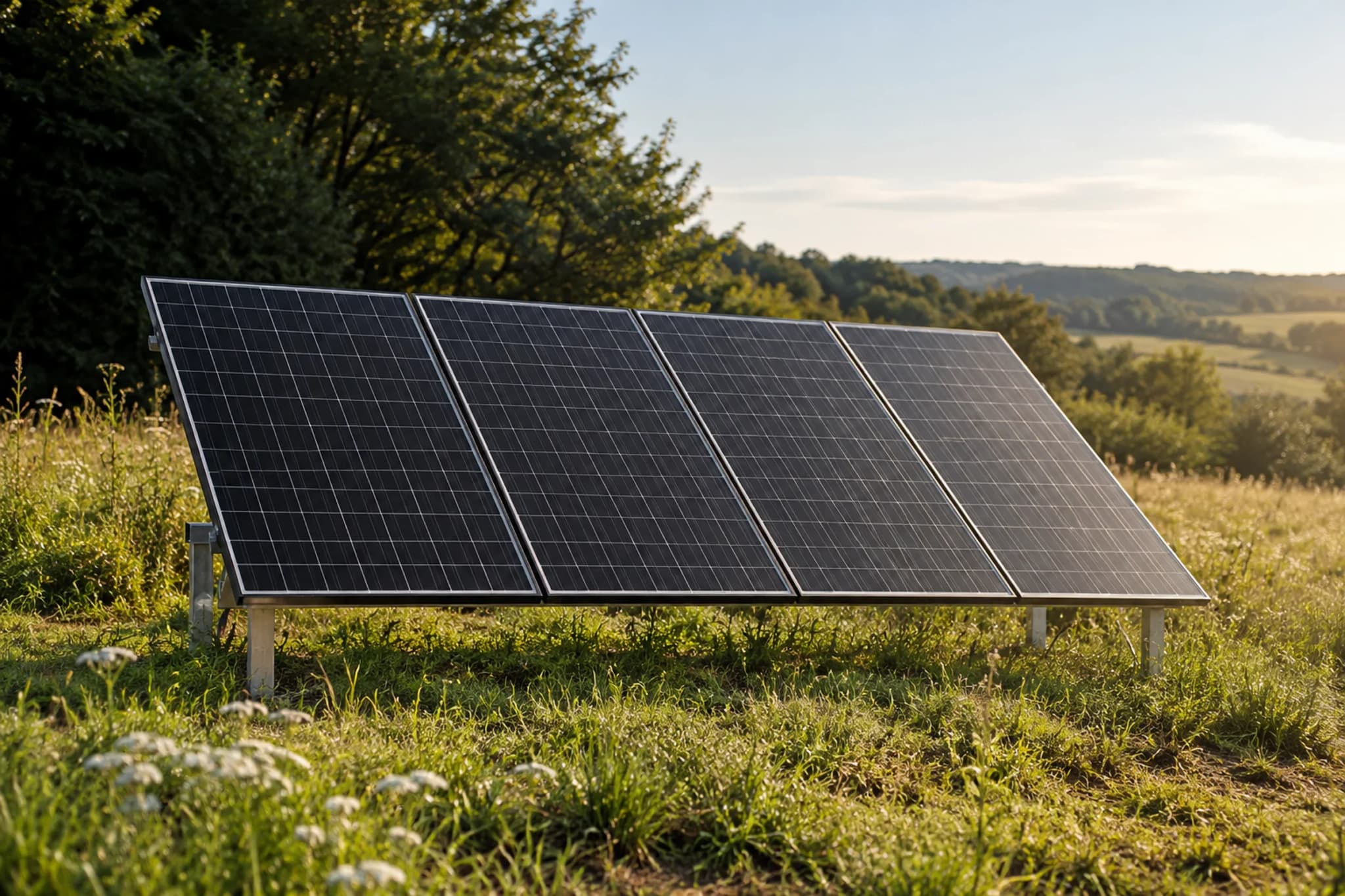
That's a lot of sunshine, and a solar panel in Amsterdam turns it into about 4.2 kilowatt-hours a day for every kilowatt of panels. The battery is full almost every day.
But June has a new problem: water. The garden gets thirsty fast, and the rain often takes a break just when the plants grow fastest.
So this June homestead checklist starts with energy, then works through water, food, the house and waste. Southern readers: your version of this month is December.
This month in three jobs: harvest the sun, water deep, mulch the soil.
Make The Most Of The Longest Summer Days
Step 1: Harvest The Sun
With the battery full by midday, any extra sunlight is simply lost. So June is the time for the power-hungry jobs while the sun is up.
Wash clothes in the morning and pump water up to a tank at noon. Charge every tool, bike light and power bank you own in the afternoon. Save the evenings for lights and little things, so the battery wakes up the next day with plenty left.
Step 2: Check For Summer Shade On The Panels
Trees are in full leaf now. A branch that was bare in March can throw a shadow across the panels in June.
Even a small shadow can cut a panel's output much more than you'd expect. Have a look at the panels at several times of day. Our guide to shading and solar panels explains why one shady corner matters so much.
Water The Garden Plants Without Wasting A Drop
Step 3: Water Deeply, Less Often
Iowa State University says a vegetable garden needs about 2.5 cm of water a week, rain included. On one square metre of garden that's about 25 litres, two and a half big buckets. So check the weather and the rain gauge before you fill the can.
How you give it matters. A quick sprinkle every evening only wets the top. Roots stay shallow and lazy, near the surface, where the soil dries out first.
Soak the beds once or twice a week instead, so the moisture reaches 15 to 30 cm down. Then roots grow deep and strong to find it, like a straw reaching the bottom of a tall glass.
Do it in the morning. Less is lost to the hot afternoon sun, and leaves dry off before night, which helps keep plant diseases away.
Step 4: Use Drip Lines And Rainwater
A drip line is a hose with tiny holes that lets water ooze out right at the roots. Iowa State says drip uses 30 to 50% less water than other ways of watering.
Off-grid, every litre has to be caught or pumped. A drip line can run from a rain tank too, and our guide to rainwater harvesting explains how much a roof collects and how clean it is.
Plants in containers dry out quickest, so check pots and tubs daily in hot weather.
Mulch, Harvest Early Potatoes And Thin Fruit
Step 5: Mulch The Soil
Bare soil in June is like a puddle in the sun. Moisture escapes into the air, and weeds move in.
Mulch is a blanket on top of the soil, made of straw, wood chips, leaves or old compost. It shades the ground, keeps it damp and blocks weed seeds from the light.
The RHS, Britain's big gardening charity, says to spread it at least 5 cm thick, ideally 7.5 cm. Keep it away from the stems, so they don't stay wet and rot.
Give the soil a good soak first, then mulch. The blanket keeps the moisture in.
Step 6: Pick Often
Peas, early lettuce and the sweet early strawberries are coming in. Food left too long on the plant gets tough, or goes to the birds before you can enjoy it. So check the beds regularly, every day or two.
Early potatoes are the big treat. The RHS says first early varieties are ready to lift in June and July, and the sign is in the plants themselves: dig when the flowers open or the buds drop. Lift them with a fork, like opening a buried treasure chest.
The later potatoes are still growing. Once their shoots are about 23 cm tall, the RHS says to pull soil up around them into a ridge, and to repeat that several times a few weeks apart. Gardeners call it "earthing up": tucking the stems in so the tubers stay in the dark.
Tall tomatoes need a little help now. The RHS says to remove the side shoots that grow between the main stem and the leaves, so the plant grows up one stem. Check for them every time you water and pinch them out while they are young.
Strawberries send out runners, long stems with baby plants on the end. The RHS says to remove the ones you don't need, so the bed stays roomy.
Fruit bushes need you too. The RHS says to pick every other gooseberry in June while it's still under-ripe, for jam or pies, and the ones left on the bush grow bigger.
Apple trees drop some tiny fruits by themselves in early summer, the "June drop". After it, the RHS says to thin what's left to one fruit per cluster and to finish by mid-July. Fewer apples sounds like a loss, but the ones that stay grow bigger, and heavy branches are less likely to snap.
So what to plant in June? Every gap left by a finished crop can grow something new. The University of Maryland's calendar, built for a last frost around mid-April, keeps snap beans, beets, cucumbers, sweet corn and Swiss chard going into the ground this month, with a second carrot sowing from mid-June. It also starts cabbage and cauliflower seeds indoors now, for autumn.
Our off-grid garden guide covers how much to grow.
Keep The House Cool On Little Power
Step 7: Let A Fan Do The Work
July is when you close the house up by day and open it at night. In June, a fan often does enough. A ceiling fan doesn't make the room colder, but the breeze on your skin makes you feel cooler. The Department of Energy says that lets you set an air conditioner about 2 °C warmer and feel the same.
One warning from the CDC: use a fan only while the room is below about 32 °C. Hotter than that, a fan can actually make your body warmer. Our guide to off-grid cooling covers the rest.
Make Good Compost And Hoe Weeds On Dry Days
Step 8: Keep The Compost Damp
A compost heap in June can dry out like a forgotten sponge. The EPA says it should feel like a wrung-out sponge: damp all through, but not dripping.
If it gets too dry, the tiny creatures inside slow down or stop. Give it a drink with the hose or a watering can and turn it so the moisture spreads.
Step 9: Keep Seedy Weeds Out Of The Heap
June weeds come up quickly, and many are already flowering and setting seed. The EPA says to keep weeds with seeds out of a home compost heap.
A backyard heap often doesn't get hot enough everywhere to kill them. Spread that compost later, and you plant next year's weeds yourself. Our guide to home composting lists what else to leave out.
So get them young. Garden Organic, a British organic growing charity, says to hoe regularly and to hoe when the soil surface is dry. Then the chopped weeds can't root again, and they shrivel in the sun.
By July the beds are mulched, the drip lines are running and the battery hums along. The garden is ready for the hot weeks, and so are you.
Sources
- PVGIS, EU Joint Research Centre, monthly solar output for Amsterdam
- PVGIS, EU Joint Research Centre, monthly solar output for Ohio
- Sunrise-Sunset.org, day length in Amsterdam on 21 June 2026
- Iowa State University Extension, Watering the home vegetable garden
- NC State Extension, Watering wisely: how much your summer vegetable garden really needs
- RHS, Mulches
- RHS, Potatoes: grow your own
- RHS, Tomatoes: grow your own
- RHS, Strawberries: grow your own
- RHS, Gooseberries: grow your own
- RHS, Fruit thinning
- University of Maryland Extension, Vegetable planting calendar
- US Department of Energy, Top 11 things you didn't know about saving energy at home, summer edition
- CDC, About heat and your health
- US EPA, Composting at home
- Garden Organic, Hoeing the veg patch
Hard Words
| Term | What it means |
|---|---|
| Kilowatt-hour | An amount of electricity: about what a small heater uses in one hour. |
| Solstice | The longest day of the year (in June) or the shortest (in December). |
| Shading | A shadow on part of a solar panel. Even a small one can cut its power a lot. |
| Drip line | A hose with tiny holes that lets water ooze out slowly at the roots. |
| Mulch | A layer of straw, chips, leaves or compost spread on soil to keep it damp and weed-free. |
| Earthing up | Pulling soil up around potato stems so the tubers stay buried and dark. |
| Side shoot | A small extra stem that grows between a tomato's main stem and a leaf. |
| June drop | When fruit trees shed some of their tiny fruits by themselves in early summer. |
| Humidity | How much water is floating in the air as invisible vapour. |
| Compost | Plant scraps that have rotted down into dark, crumbly soil food. |
Common Questions
What garden jobs are there in June?
Pick crops often, lift first early potatoes, pinch out tomato side shoots and thin apples after the June drop. Water deeply once or twice a week, mulch the beds and hoe weeds before they seed.
Off-grid, use the long sunny days for power-hungry jobs and keep the compost damp. Southern hemisphere homesteads do this list in December.
What should I plant in June?
Fill the gaps left by finished crops. Dates depend on where you live: with a last frost around mid-April, the University of Maryland calendar sows snap beans, beets, cucumbers, sweet corn and Swiss chard in June, plus a second round of carrots from mid-June. Cabbage and cauliflower seeds start indoors now for an autumn crop.
When are early potatoes ready to dig?
The RHS says first early potatoes are ready to lift in June and July. Dig them when the flowers open or the buds drop.
How much water does a vegetable garden need?
About 2.5 cm a week, including rain, according to Iowa State University. That's roughly 25 litres on every square metre of garden. Give it in one or two deep morning soaks.
How can I keep my house cool without air conditioning?
Close curtains on sunny windows by day, open windows when the outside air is cooler than inside, and use fans to feel cooler.
The CDC says to use fans only while the room is below about 32 °C, because hotter than that a fan can raise your body temperature. Night air works less well in humid places.
What weeds should not go in the compost?
Weeds that are flowering or already carry seeds, says the EPA. A backyard heap often isn't hot enough to kill the seeds. Hoe weeds while they're small, or put seedy ones in the green waste bin.