
A lot of people worry that solar panels will be a chore. They picture climbing on the roof every weekend with a bucket and a squeegee.
The truth is the opposite. Solar panels are one of the lowest-maintenance things you can own. There are no moving parts. No engines. No filters to change. They just sit there for 25 to 30 years and quietly make electricity.
You will clean your gutters far more often than you ever clean your panels.
Why They Stay Clean On Their Own
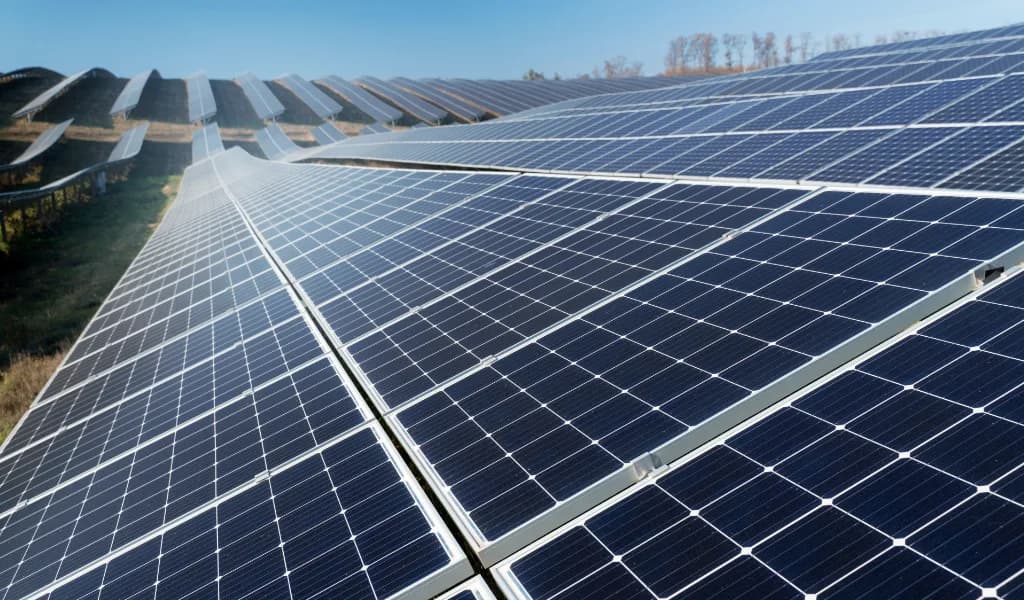
Solar panels are made of smooth tempered glass with a slight tilt. Rain is excellent at washing them off.
A panel sitting at 30 or 40 degrees gets a free shower every time it rains. Water sheets down the glass and carries pollen, dust, and light grime with it. In most places with regular rainfall, panels stay surprisingly clean all year.
The only time you really need to step in is when something stubborn shows up.
When Cleaning Actually Matters
Two things can stick to a panel that rain alone will not handle.
The first is bird droppings. Birds love to perch on the edge of panels, and what they leave behind is sticky and opaque. A single big dropping in the wrong spot can cut a panel's output by 5 to 10%. That's enough to be worth dealing with, especially in spring when birds are most active.
The second is dust buildup. If you live somewhere dry and dusty (think Spain, Arizona, parts of Australia), fine dust slowly cakes on the glass during long stretches without rain. After a few months, a panel can look chalky and gray instead of black. That dust acts like sunscreen on the cells underneath.
In both cases, a quick clean restores the lost power instantly.
How To Clean Them (And What To Avoid)
The good news is, cleaning is mostly common sense.
Use plain water from a garden hose. Spray the panel from the ground or a safe ladder, and the worst stuff usually rinses right off.
For stuck-on grime, a soft brush on a long pole works well. Same kind of brush you would use to wash a car. Soft bristles, no scratching. Add a tiny bit of mild dish soap to the water if you need extra grip.
Never use anything abrasive. No scouring pads. No metal scrapers. No harsh chemicals. The glass on a solar panel has a thin anti-reflective coating, and scratching it permanently reduces how much light gets through.
The best time to clean is a cool morning. The glass is cold then, and there is no risk of thermal shock when cold water hits hot glass. Cleaning a hot panel in the middle of a sunny afternoon can crack it. Not common, but not worth the risk.
And one more thing. Do not walk on the panels. They look sturdy, but the glass and frame are not designed to hold your weight. Even a small crack can let water in and ruin the panel over time.
→ The flexible panels you can roll up
The Yearly Visual Check
Once a year, take a few minutes to look the whole system over. You don't need to climb up. A pair of binoculars from the ground works fine.
Check for cracks in the glass. Look for foggy or discolored spots between the layers, which means moisture has gotten in. Make sure no mounting brackets look loose or rusted. And glance at the wires running from the panels to the house. If you see chew marks or exposed copper, you have visitors.
Rodents love the warm, dry space under a solar array. Mice, rats, and squirrels chew through insulation on cables, which can short the system or even start a fire. If you spot damage or nesting, call an installer. There are mesh kits that close off the gap under the panels and keep critters out.
→ Things to think about before installing solar
The Parts That Need More Attention
The panels themselves are the easy part. The rest of a solar system needs a bit more love.
The inverter does the hard work of converting power from one form to another, and it runs hot. Most inverters last 10 to 15 years, which is shorter than the panels above them. Plan on replacing it at least once during the life of your system.
If you have batteries, those need attention too. Check connections for corrosion, keep the temperature in the right range, and watch the monitoring app for weird behavior.
→ Why a monitoring system pays for itself
The Quiet Math
Here is the part that makes solar so different from other things you own. A car needs oil changes, tires, brakes, and a hundred other small repairs. A heating system needs servicing every year.
A solar panel just sits there. For three decades.
Total yearly maintenance for a typical home solar array is maybe an hour of work and a few dollars in water. The work is mostly in the buying. The owning is easy.