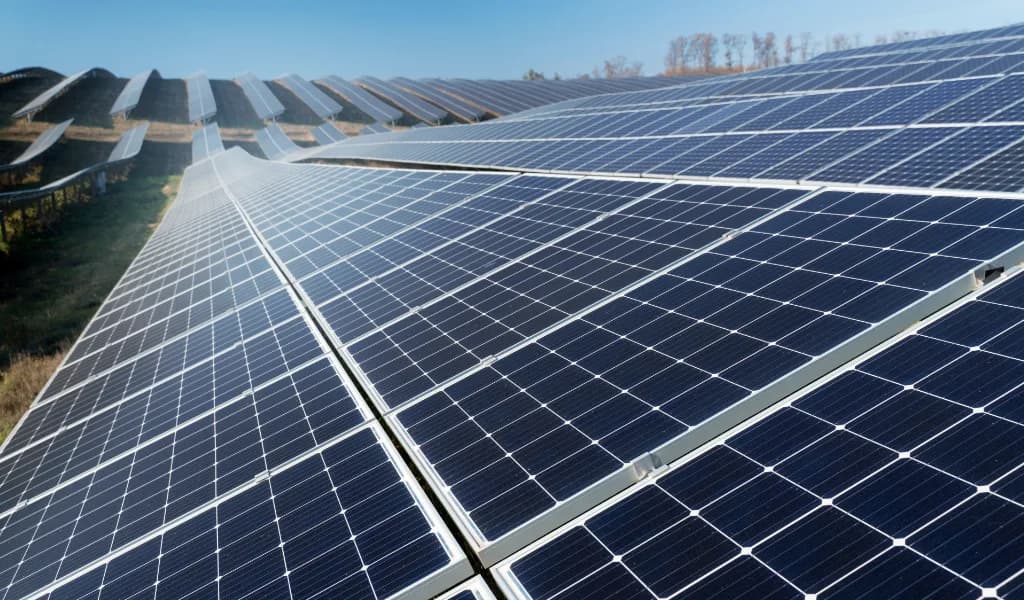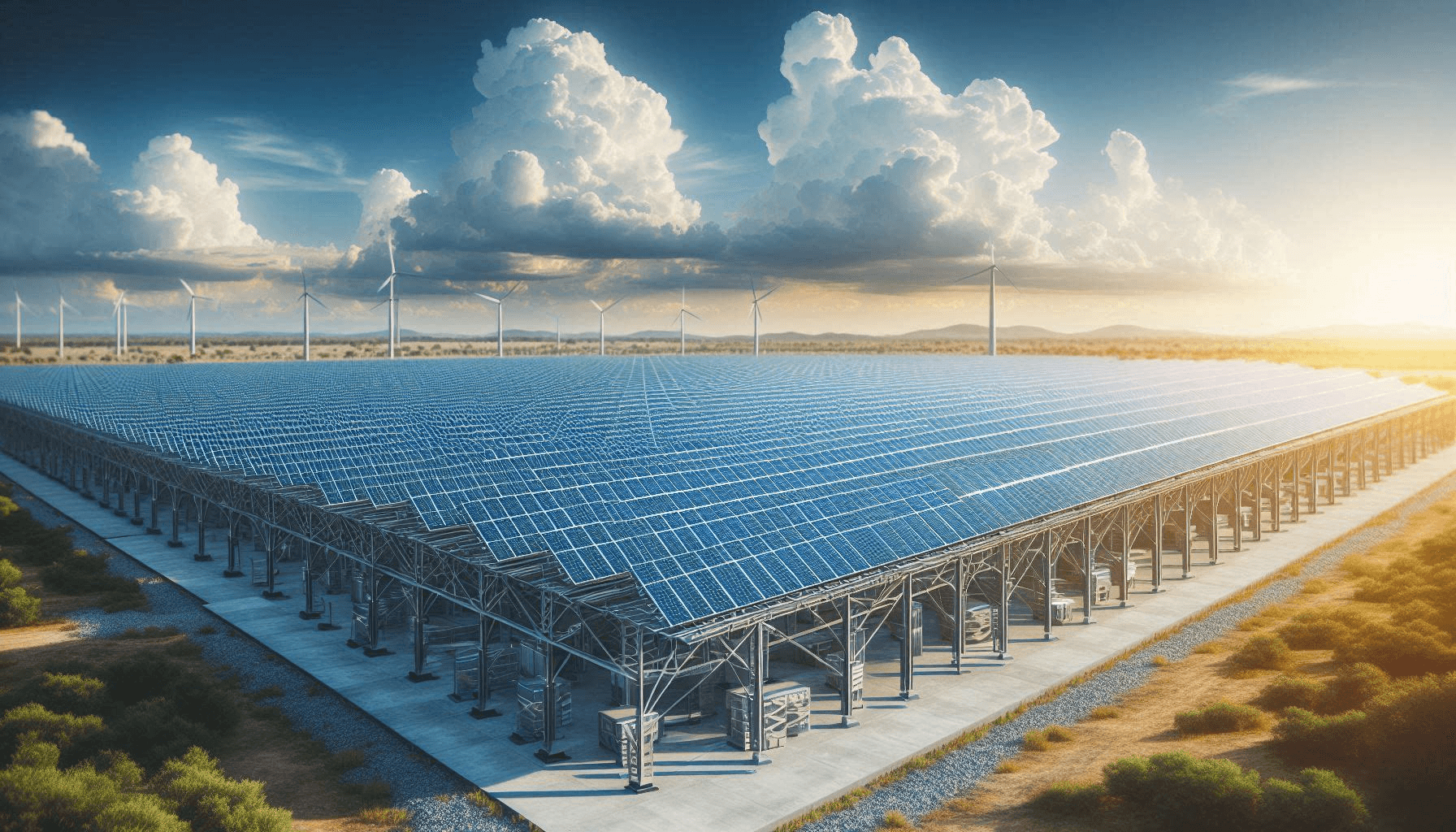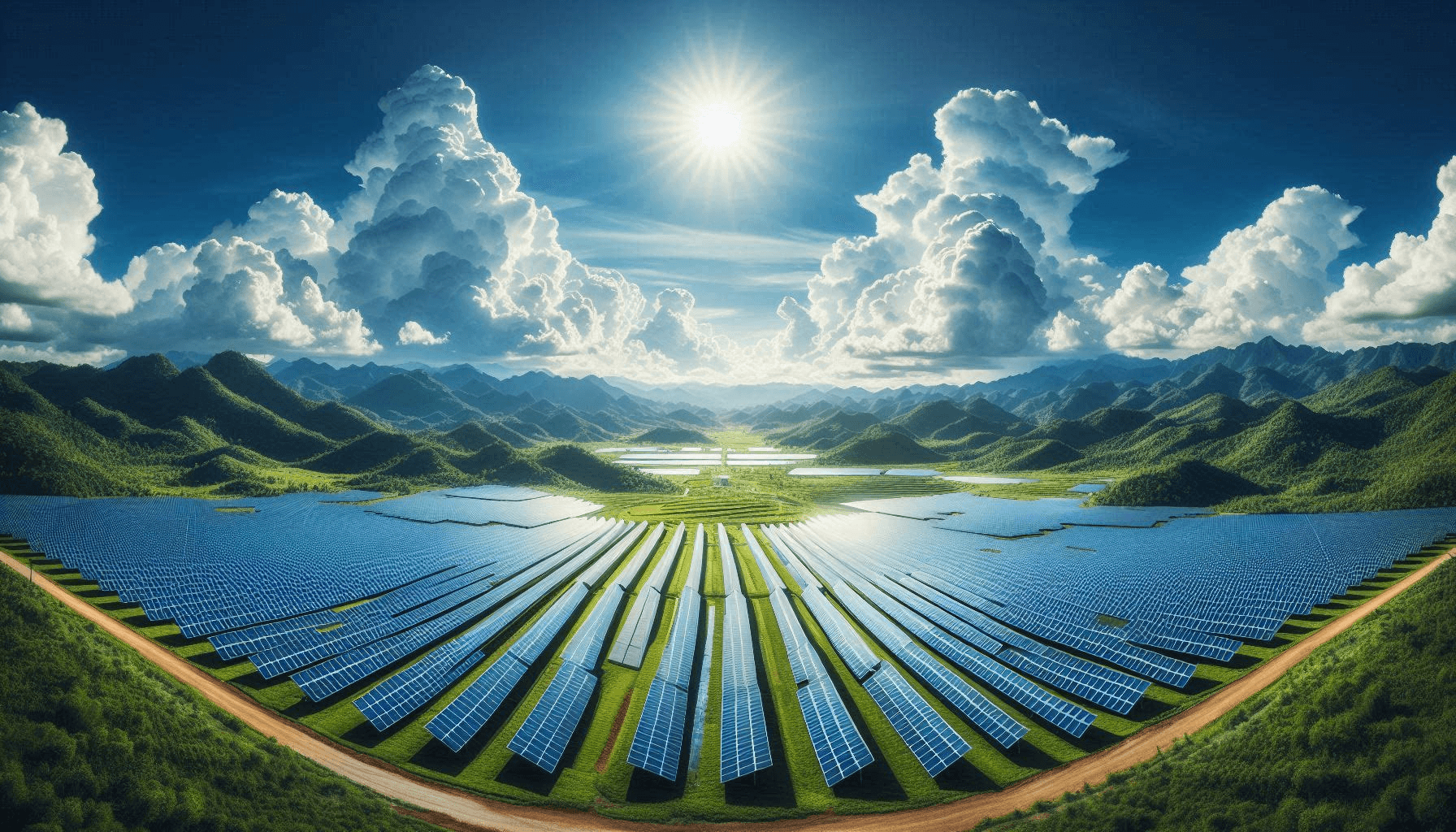

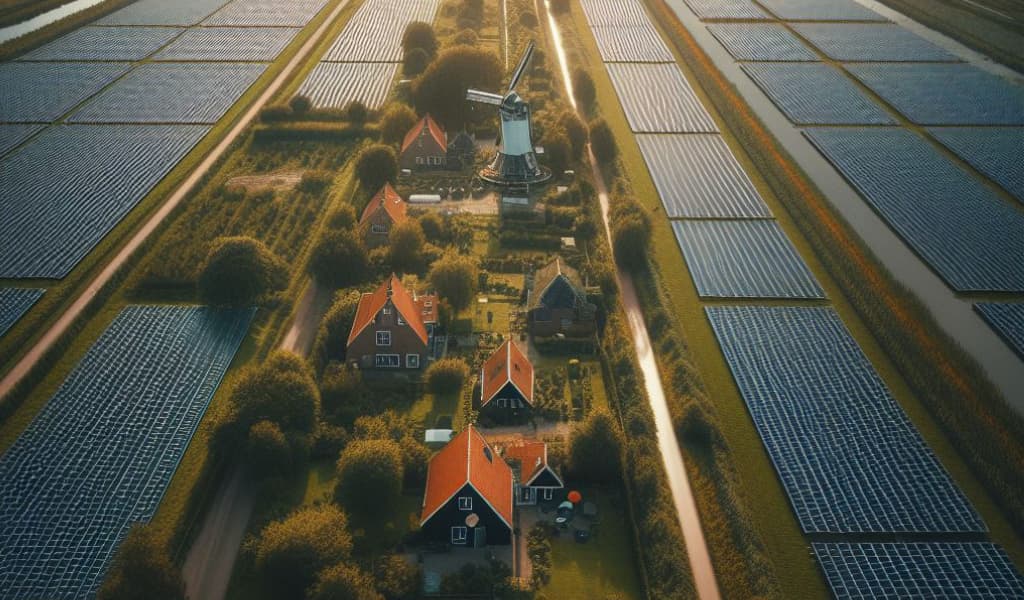
A solar panel looks simple from the outside. A flat black or blue rectangle bolted to a roof. Quiet. Doesn't move.
Inside, every second the sun is up, something is going on. Tiny particles called electrons are getting knocked loose from a slice of polished sand. That loose flow is the electricity that runs your fridge.
That's the trick that powers cabins in Norway, satellites in space, and houses in Texas that haven't paid an electric bill in 15 years.
→ How sunlight becomes electricity, the full story
The Three Kinds Of Panels
Not all panels are equal. There are three main types, and each one is good at a different job. Picking the wrong one for your situation can cost you thousands.
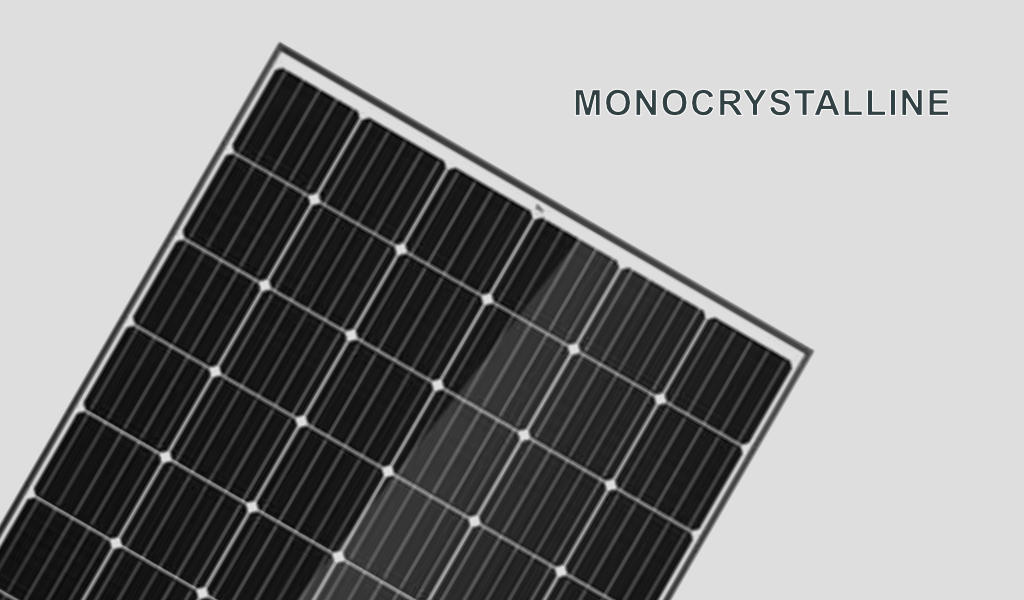
Monocrystalline panels are the sleek black ones you see on house roofs. About 20% of the sunlight that hits them turns into electricity. That's the highest of any common panel.
Think of them like a sports car. Fast and efficient, but more expensive.
Polycrystalline panels look blue and a bit speckled. They catch about 15% of the light, a little less than mono, but they're much cheaper to make.
Think of them like a regular family car. Less flashy, gets the job done.
Thin-film panels are flexible. Some are so thin you can roll them up. They catch anywhere from 10 to 19% of the sunlight depending on the type, but you can stick them on backpacks, curved boat hulls, or anything a rigid panel wouldn't fit.
Think of them like a sticker. Less powerful, but it goes places other panels can't.
→ Use the solar panel calculator
What's Inside Every Panel
Open up any panel and you'll find the same basic ingredients.
The cells are thin squares of silicon. Scientists call silicon a "semiconductor". That's just a fancy word for a material that can move electricity around when something gives it a push. Sunlight is the push.
A clear sheet of glass sits on top, like the screen on your phone. It lets the light in and keeps the rain out.
A protective layer called the encapsulant hugs the cells from both sides. Think of it like the bun around a sandwich. It keeps the good stuff sealed in.
A back sheet seals the whole thing. An aluminum frame holds it together. A small junction box on the back is where the wires come out.
That's it. No moving parts. Nothing to break.
→ Look inside an actual solar panel
→ Go deeper into how solar panels work
Why People Buy Solar
A panel pays itself off in 7 or 8 years. After that, every bit of electricity it makes is essentially free. For 20 more years.
Solar panels work quietly for 25 to 30 years. The kids of people who installed panels in 2005 grew up watching cartoons powered by their own roof.
You also dodge a lot of pollution. A typical home setup avoids about as much greenhouse gas as planting 300 to 500 trees a year, every year, for 25 years.
→ How to calculate your solar energy needs
What To Think About Before You Buy
Before you order panels, work through a quick checklist.
How much electricity do you actually use? Pull out your last few power bills and check the monthly kWh number. That tells you how big a system you need.
Which way does your roof face? In the northern hemisphere, south is best. East and west still work. North-facing roofs are usually a no.
Is the roof shaded? Even a small shadow on one panel can drag down the whole string. Trees, chimneys, and that neighbour's tall house all matter.
Do you need a permit? Some places want one. Some don't. Get this wrong and you can be fined or forced to take it down.
→ How many panels do you actually need?
→ What to think about before going off-grid
→ Off-grid vs grid-tied: which is right for you?
The Bits Around The Panels
The panel itself is only half the story. To make the electricity useful, you need a few more boxes.
An inverter changes the panel's electricity into the kind your wall sockets understand.
A charge controller sits between the panels and the batteries. It stops a sunny day from frying your battery.
Batteries store the power for when the sun goes down. Wires, fuses, and a safety switch tie it all together.
→ All the electronic parts in a solar setup
Where This Is All Heading
Solar keeps getting better every year, even after about 70 years of progress.
In labs right now, scientists are testing a new material called perovskite that's already beating the best silicon panels. Researchers are putting solar inside windows that look like normal glass. Inside paint you can roll on a wall. Inside fabric you can sew into a jacket.
What sounds like science fiction today might be on store shelves in five years.