
The Meter That Spins Backwards
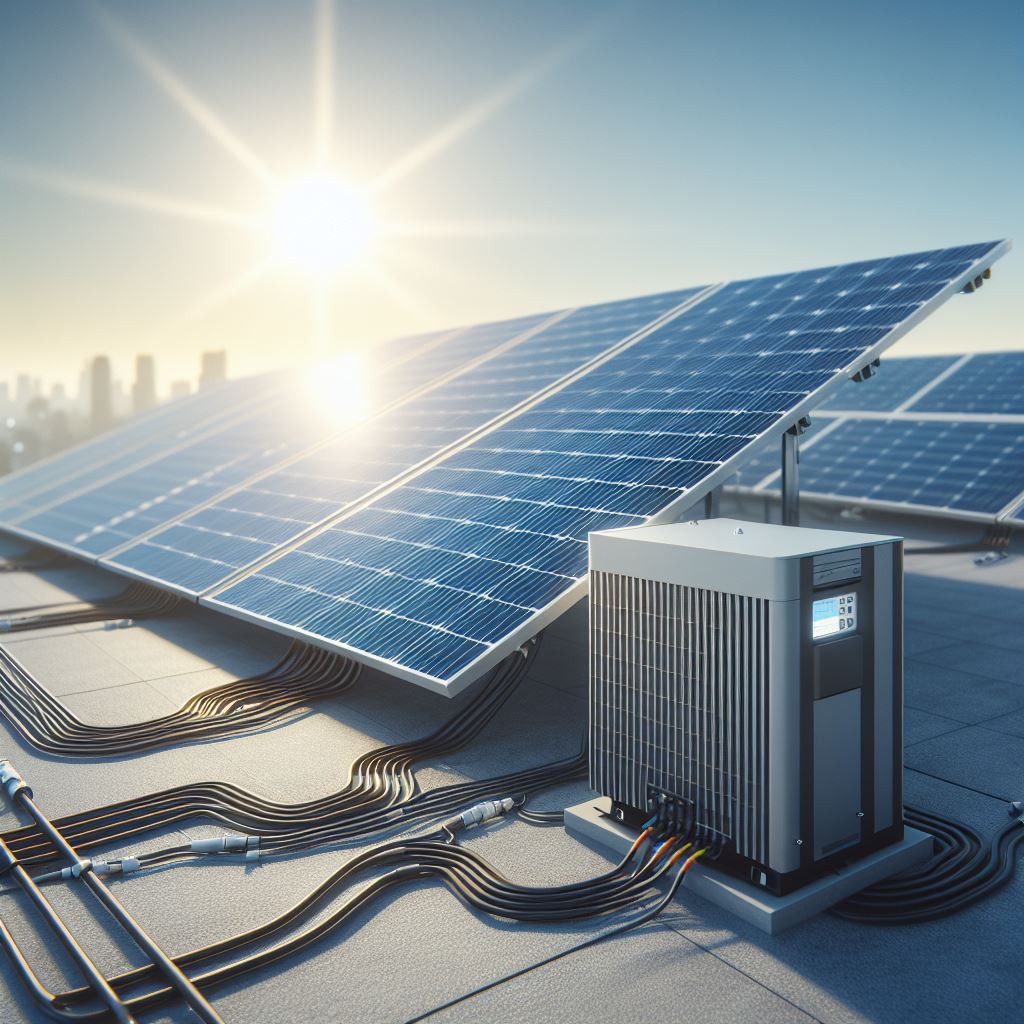
In the middle of a sunny day, your solar panels are working hard. The fridge is humming, the laptop is charging, but you're at work and the house is using almost nothing. Your panels are making 5,000 watts and your house is sipping maybe 300.
So where does the extra 4,700 watts go?
If you're fully off-grid, it goes into your battery, or just gets wasted because the battery is full.
But if you're connected to the grid, something cooler happens. The extra power flows out of your house and onto the public grid. Your electric meter literally spins backwards. And the utility company owes you for it.
That's net metering. Your meter "nets out" the power you used against the power you sent back. At the end of the month, you only pay for the difference. Or, if you sent more than you used, sometimes they pay you.
It's the closest thing to selling sunshine that exists.
How It Actually Works
Net metering needs three things to function.
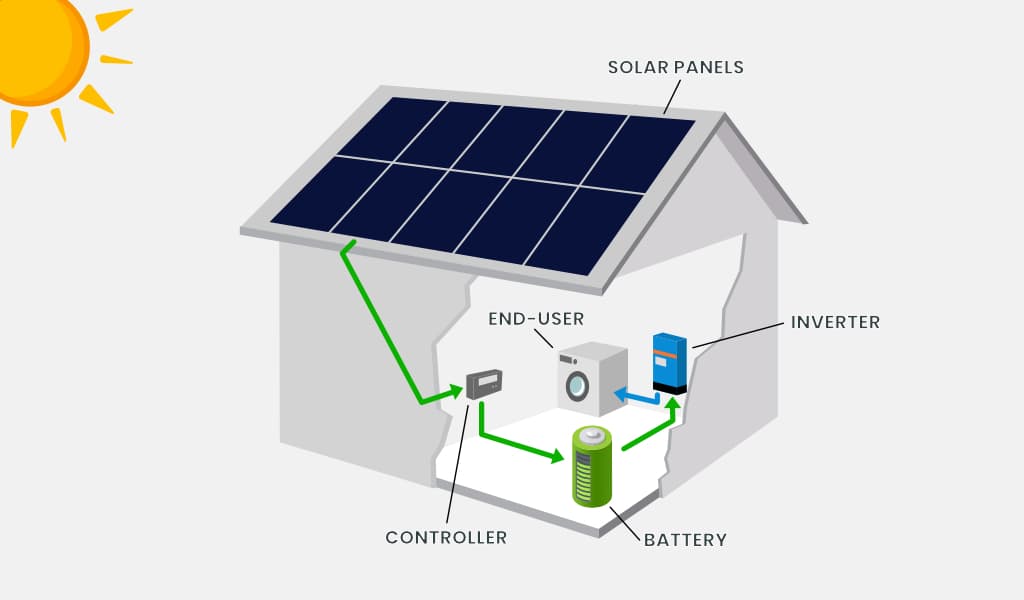
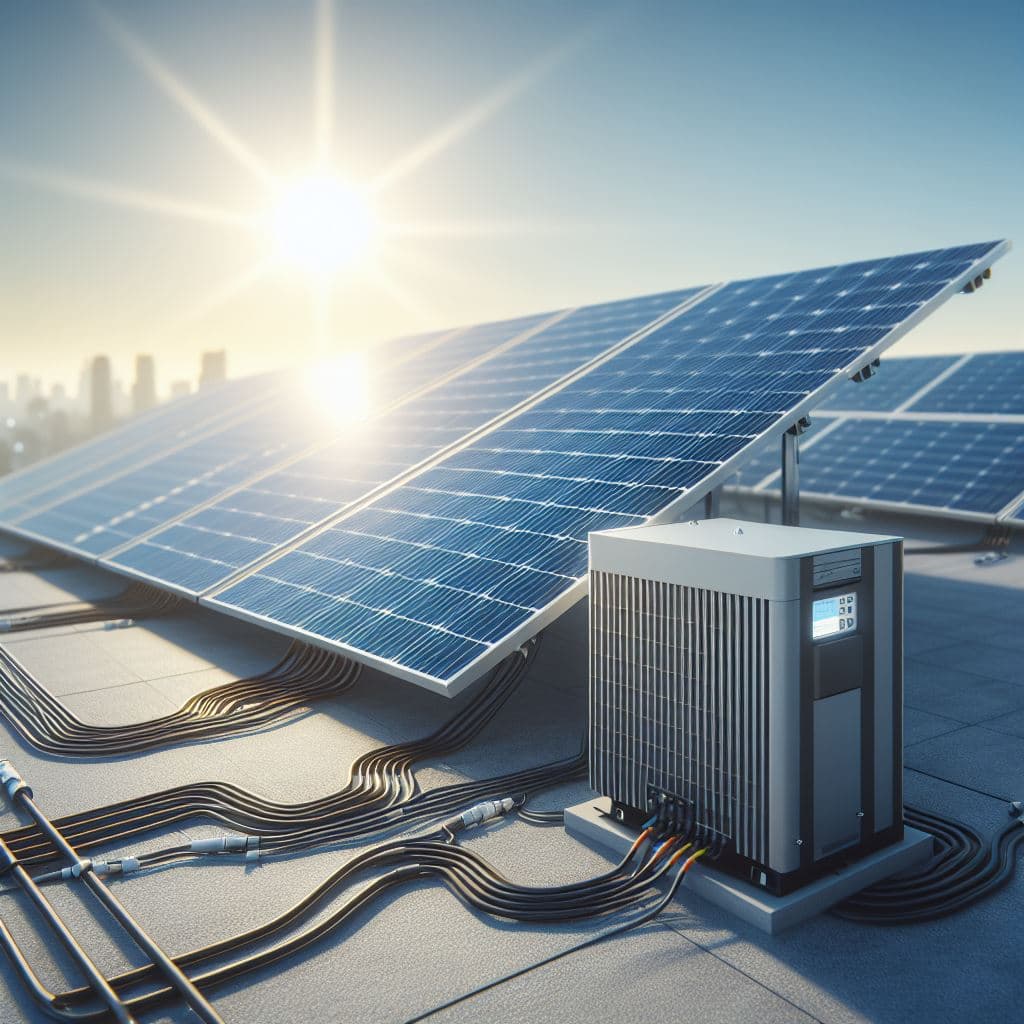
First, you need a grid-tied inverter. A normal off-grid inverter makes AC power for your house. A grid-tied inverter is smarter. It makes power that syncs perfectly with the grid, in step like two dancers moving together. When the two match exactly, the extra power flows out of your house and into the lines.
Second, you need permission from the utility. They have to approve your install. They want to know the inverter has something called "anti-island protection". This is a safety feature. If the grid goes down (say, during a storm), the inverter shuts itself off instantly. That way a power line worker fixing a downed line doesn't get hit with current from your panels.
Third, you need a special meter or an arrangement with the utility to track power going both ways. Most modern smart meters do this automatically.
Once it's all hooked up, it's invisible. Your house just runs. Some days you draw power from the grid. Some days you push power back. The numbers add up at the end of the billing period.
The Two Different Deals
Here's where it gets interesting. Not all net metering is equal.
Full retail net metering is the best deal. The utility pays you the same price they charge you. So if your power costs 25 cents per kilowatt-hour, every kilowatt-hour you send back is worth 25 cents off your bill. With a big enough solar system, you can wipe your bill to zero.
Avoided-cost or wholesale net metering is the weaker version. The utility only pays you what it would have cost them to make that power themselves, which might be 4 or 5 cents per kilowatt-hour. They still charge you 25 cents when you buy. So you're selling cheap and buying expensive. The math still works for solar, but it's much slower to pay back.
Which deal you get depends on where you live and when you installed.
In many US states, full retail net metering used to be the standard. New solar customers in California after 2023 are now on a much worse deal that pays only the wholesale rate. Several other states are phasing out full retail too. Utilities argued it cost them too much.
In most of Europe, the rules vary by country. Germany has a feed-in tariff (fixed price for solar exports) that's been in place for years. The Netherlands had a "salderingsregeling" that worked like full retail net metering, and it's being phased out gradually. The UK has a Smart Export Guarantee that pays you a small amount per exported kilowatt-hour.
So the same solar system can have a payback time of 6 years in one place and 15 years in another, just because of net metering rules.
What This Means For Your Wallet
Here's a real example. A 6,000 watt rooftop solar system in a sunny part of the United States might produce around 9,000 kilowatt-hours per year. The average US home uses around 10,500 kilowatt-hours per year.
With full retail net metering, you barely pay anything. The summer surplus credits cover the winter deficit. Total bill might be 100 to 200 dollars for the whole year, mostly fixed grid-connection fees.
Without net metering (just selling at wholesale), you'd still save a lot, but maybe only 60% as much. Payback on the system stretches from 7 years to 12 years.
The math changes again with batteries. If you have a battery, you can store your daytime surplus and use it yourself at night, instead of selling it cheap and buying it back expensive. Batteries are getting cheaper every year. As net metering rates worsen, more people are adding batteries to keep their own power instead of selling it.
The Pros And Cons (Honestly)
Net metering has real upsides. Shorter payback time. No need for a big expensive battery bank. The grid acts as your "battery" with infinite capacity, free of charge. And if your panels stop working, you still have grid power as backup.
But there are catches.
The biggest one? When the grid goes down, you go down too. A standard grid-tied solar system shuts off the second the grid fails. The anti-island protection that keeps utility workers safe also kills your power. So during a blackout, your panels are sitting in full sun, doing absolutely nothing.
This catches people out. They think solar means "the lights stay on in a storm". For a basic grid-tied setup, it doesn't.
The fix is a hybrid system. A hybrid inverter can do both grid-tied and off-grid. When the grid is up, it does net metering normally. When the grid fails, it disconnects from the grid, kicks over to battery, and keeps your house running on solar. These cost more, and you need a battery, but you get the best of both worlds.
The other catch is that net metering rules can change. California changed theirs. Hawaii changed theirs. Several US states are debating new rules right now. A solar system installed today on a great net metering deal could find itself on a worse deal in 5 years, retroactively, depending on the state. Read the fine print.
The Pure Off-Grid Alternative
Net metering is for grid-tied homes. If you're fully off-grid, none of this applies.
Off-grid systems make power, store it in batteries, and use it. There's no grid to sell to. No paychecks from the utility. But also no permits, no anti-island worries, no rule changes wiping out your payback.
For some people, that simplicity is the point. They want zero dependence on a utility. They'd rather oversize their solar and their batteries than play the net-metering game.
For others, especially in places with great net metering, staying grid-tied is the obvious choice. The grid is the cheapest "battery" on Earth, as long as the rules stay favorable.
The middle ground (a hybrid setup with grid connection AND batteries AND solar) is the most popular choice for new installs today. You sell the surplus when it pays well, store some for night and outages, and stay connected as a safety net.
→ Off-grid vs grid-tied solar, which is right for you?
What To Check Before You Sign Up
If you're thinking about a grid-tied solar setup with net metering, ask these questions before you spend any money.
What's the current net metering rate in your area, exactly? Don't just ask "is there net metering". Ask the rate per kilowatt-hour both ways.
Is the rate locked in for a certain number of years, or can it change? Some places lock in the rate for 10 or 20 years for new installs. Others can change anytime.
What's the maximum system size the utility will allow? Some cap you at your own annual usage.
Is there a fee or interconnection cost? Some utilities charge a one-time fee (a few hundred to a few thousand dollars) just to hook you up.
When does the credit reset? Some utilities zero out unused credits at the end of each month. Others let you carry them over for a year. Big difference if you have a snowy winter and a sunny summer.
A good solar installer should know all of this for your specific area. If they don't, find a different installer.
The Quiet Revolution
Net metering started small in the 1980s as a curiosity. A handful of solar pioneers got their meters to run backwards. Utilities mostly didn't notice.
Today, millions of homes in the US, Europe, and Australia run net metering every day. Utilities have had to rebuild their entire business model around the fact that customers can now make power, not just buy it.
Net metering isn't going away, but it's evolving. The early generous deals are getting tighter. Batteries are taking over the role that the grid used to play. And the line between grid-tied and off-grid is getting blurrier every year.
For now, if you have a sunny roof and decent net metering, your meter spinning backwards is one of the easiest ways to cut a utility bill to nothing.