
So you want solar. Smart choice. Now there's one big fork in the road.
Stay connected to the city power company? Or cut the cord and run your own private power station?
Both use the same panels. Both make the same electricity. But the rest of the system, the cost, and the lifestyle are very different.
Here's the honest comparison.
Grid-Tied: The Best Of Both Worlds
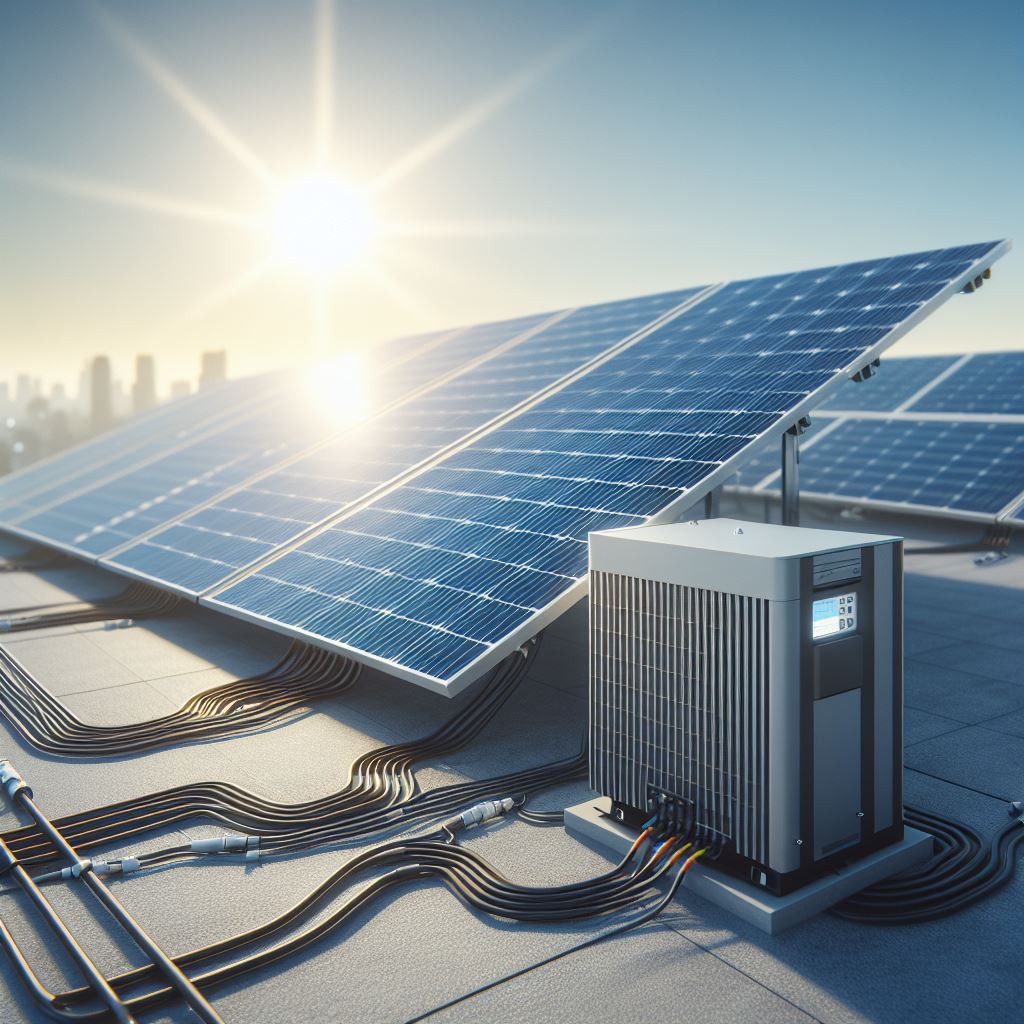
A grid-tied system still plugs into the city power lines.
During a sunny day, the panels make more power than the house uses. That extra power flows out into the city grid. Your meter actually runs backwards. The power company owes you electricity.
At night, when the panels make nothing, you pull power from the grid like always. You pay for that. But the credits from your sunny days cancel most of the cost.
Most months, your bill drops to near zero. Some months, the power company sends you a small payment for the extra you sold them.
This system is simpler. You don't need batteries. The grid IS your battery.
→ Off-grid vs grid-tied: which is right for you?
What You Need For Grid-Tied
- Solar panels
- A grid-tie inverter (special type that syncs with the grid)
- Meter that can run both directions (your power company usually supplies this)
- A safety switch and proper wiring
That's it. No batteries, no charge controller. The system is cheaper and easier to install.
→ All the electronic parts in a solar setup
The Catch With Grid-Tied
Here's the part nobody tells you. When the power grid goes down, your grid-tied solar system shuts off too.
That sounds backwards. The panels are still making power. Why turn off?
Safety. If the grid is down, repair workers are out there fixing wires. A solar system pushing power into "dead" lines would shock them. So by law, grid-tied inverters detect the outage and disconnect instantly.
The result? A grid-tied solar house has no power during a blackout. Even at noon. Even on a sunny day. The panels sit idle.
Off-Grid: Total Independence
 This image is property of Amazon.com.
An off-grid system has zero connection to the city power lines.
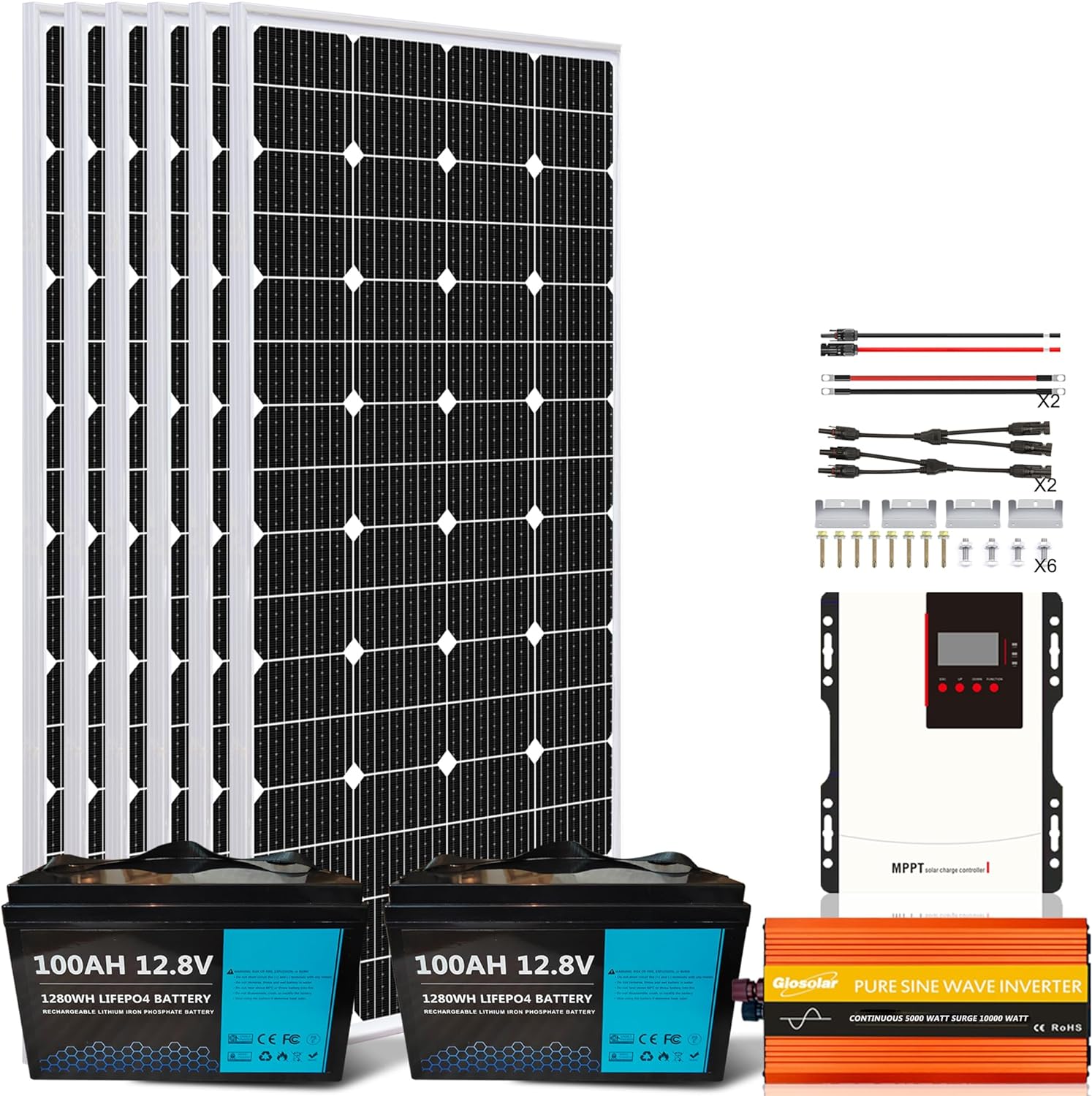
The panels make power. A bank of batteries stores it. When the sun goes down, you pull from the batteries until morning.
No electric bill, ever. No power company. If the city has a blackout, you don't notice. You're your own grid.
But here's the trade. You're also fully responsible for your own power. If your batteries run dry on a cloudy week, the lights go out until the sun comes back.
→ What to think about before going off-grid with solar
What You Need For Off-Grid
- Solar panels (usually more of them than a grid-tied house)
- An off-grid inverter
- A charge controller
- A big bank of batteries
- A battery management system
- Often a backup generator for dark weeks
- Safety switches, fuses, wiring
This is a much bigger system. Often double the cost of a grid-tied setup.
What Each One Really Costs
These numbers are rough. They depend on your house, your region, and the brand of equipment.
Grid-tied for a typical house. 8,000 to 15,000 euros, installed. Pays itself off in 7 to 10 years. After that, free power for 20+ years.
Off-grid for the same house. 20,000 to 40,000 euros, installed. The batteries alone are 8,000 to 15,000 of that. Pays itself off in 12 to 18 years.
So grid-tied gives you most of the benefit at half the cost. Off-grid gives you full independence but costs much more.
→ How many panels do you actually need?
→ Use the solar panel calculator
Hybrid: The Middle Road
There's a third option, getting more popular every year.
Hybrid systems are grid-tied AND have a battery. The panels charge the battery first, then any extra goes to the grid. If the grid fails, the inverter switches to battery-only and keeps the house running.
This costs more than pure grid-tied, less than full off-grid. You get most of the freedom of off-grid (no blackouts) without the giant battery bank.
A growing number of solar installs are hybrid for exactly this reason.
How To Pick
Pick grid-tied when:
- You have a stable city grid
- You want to spend the least money
- You mainly want to lower your power bill
- You're okay losing power during outages
Pick off-grid when:
- You live somewhere with no grid connection (remote land, a cabin in the woods)
- You want full independence regardless of cost
- You're already buying batteries for another reason
- You're willing to manage your own power
Pick hybrid when:
- You have a grid connection but want backup during outages
- You can afford a bit more upfront
- You like the idea of using solar power even when the grid is down
→ How sunlight becomes electricity, the full story
A Quick Permitting Note
Both systems usually need permits. The rules vary by region.
Grid-tied installs need approval from the power company. They need to know you're feeding power back to the grid. Most utility companies have a standard form.
Off-grid installs usually need a building permit but not a utility one (since you're not connected to the utility).
Either way, check before you start. Skipping permits can cost you a fine, your insurance, or both.