
The Question Nobody Plans For
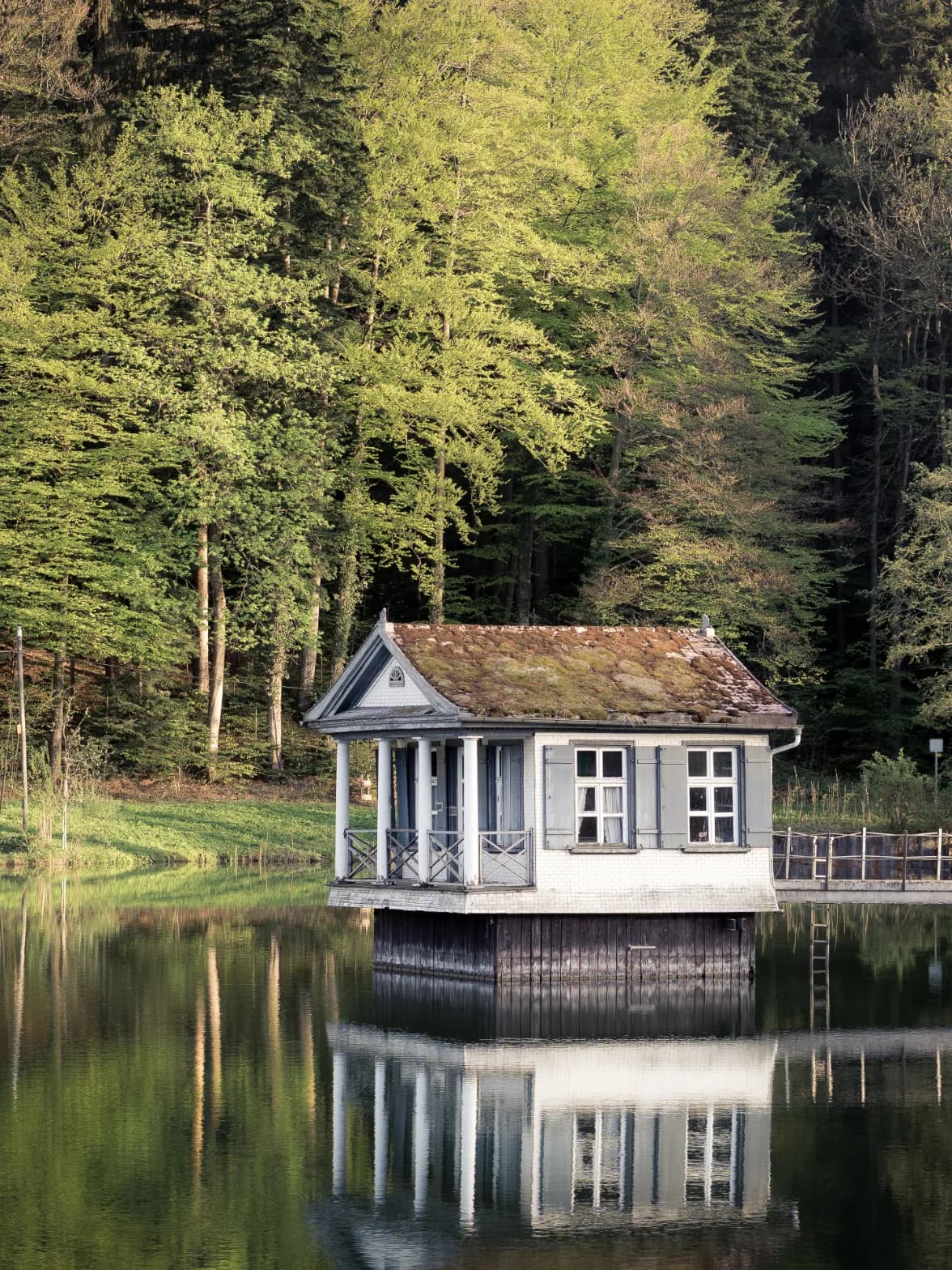
You spent two years saving for the land. Six months building the cabin. Three weekends bolting solar panels onto the roof. You finally move in.
Then a friend asks: "Wait, did you insure it?"
You call an insurance company. They ask some questions. There's a long pause. The agent says they'll have to "check with underwriting" and call back.
This is where a lot of off-gridders learn something nobody told them. The insurance world was built for normal grid-connected houses. An off-grid home raises questions the average insurer has no idea how to answer.
You can absolutely get a great policy. But you need to know what's coming.
What Insurers Actually Worry About
Insurance companies don't really care that your house is off-grid. What they care about is risk. Will this house burn down? Will someone get hurt? Will lightning fry something expensive?
An off-grid home pushes a few specific risk buttons.
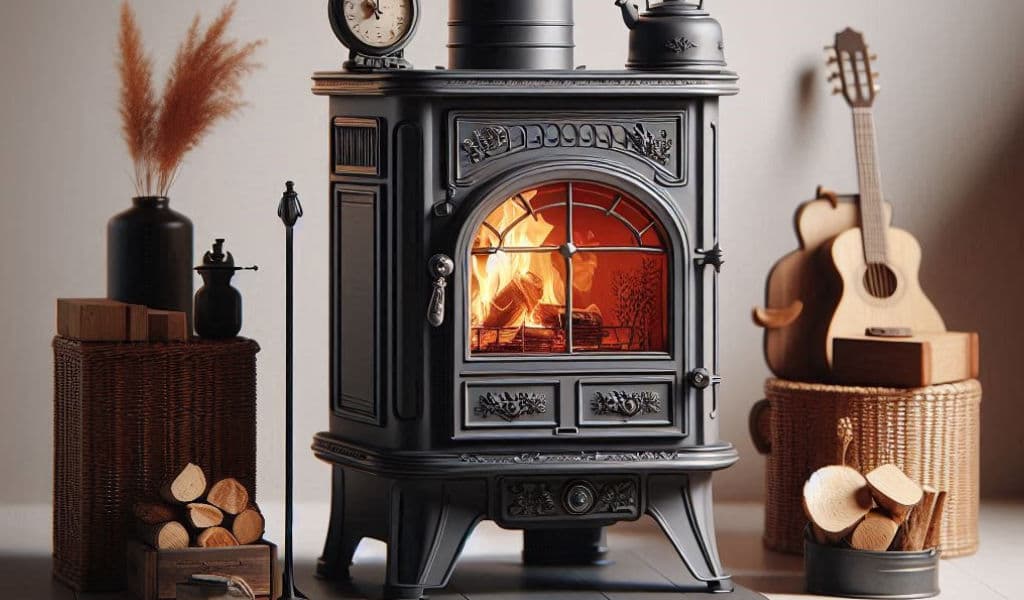
A wood stove worries them. Wood stoves are the single biggest cause of house fires in rural homes. A poorly installed stove, a cracked chimney, a stack of firewood too close to the burner. Real risk. Insurers know this.
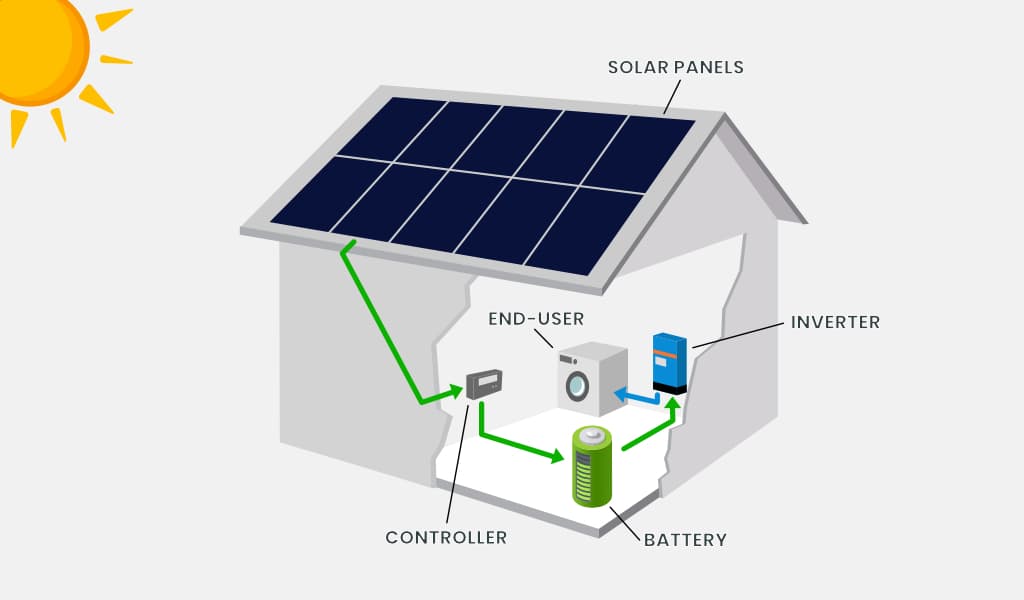
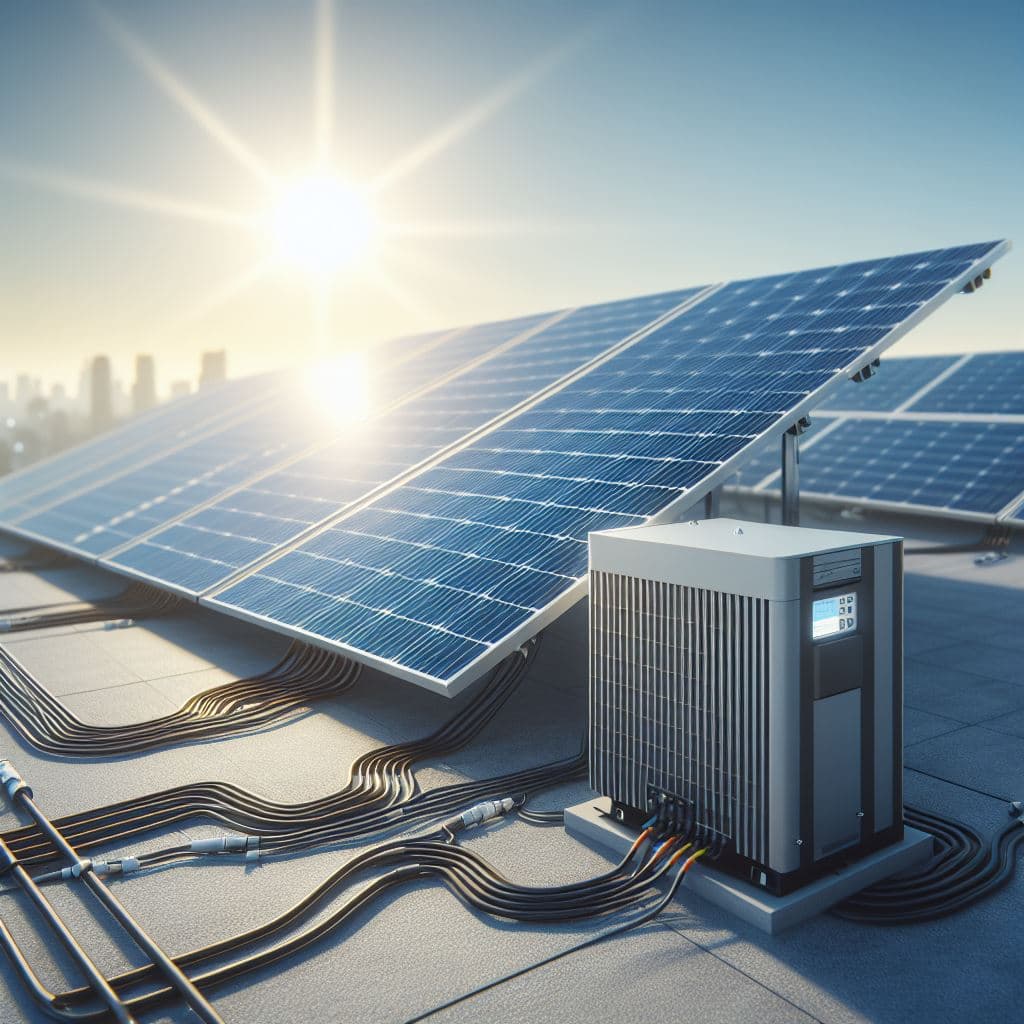
A solar array bolted to the roof worries them less, but they want to know who installed it. A certified installer means the wiring is up to code. A DIY install with no inspection means the inspector has no idea what's behind your wall.
A big battery bank can worry them. Especially older lead-acid types that produce hydrogen gas, or lithium batteries without proper safety switches. A battery fire in a small shed can take the whole house with it.
Custom wiring of any kind makes underwriters nervous. They can't see it. They don't know if it's done right. They picture an electrical fire at 3am.
None of this means you can't get insurance. It just means the insurer wants proof these things are done safely.
What Actually Helps
The single biggest thing you can do is get paperwork.
If a licensed electrician signed off on the wiring, get a copy of the signed certificate. If the solar installer is certified (look for "NABCEP" in North America, or "MCS" in the UK), get the installation certificate. If the wood stove was installed by a chimney professional, get the installer's stamp.
Photos help too. Pictures of the safety switch, the breaker panel, the battery enclosure, the chimney clearances. Insurance companies don't always ask for these, but having them ready turns a slow nervous underwriter into a fast confident one.
The other big move is finding the right insurer. Mainstream home insurance companies often don't even quote off-grid homes. Or they quote with a huge markup just because they don't understand the risk.
In the US, USAA and some State Farm agents will write off-grid policies, especially with a "dwelling fire" or "rural property" rider. Foremost Insurance specializes in unusual properties. Several smaller regional insurers in mountain states or rural areas are completely comfortable with off-grid setups.
In the UK and most of Europe, the rules are usually about whether the build meets local electrical and building codes. If it does, regular insurers will often write the policy. If it doesn't, you're in specialty territory and rates jump.
A broker who has placed off-grid policies before is worth their commission. They know which companies say yes, and which won't even open the file.
The Wood Stove Question
If you have a wood stove or a pellet stove, expect the insurer to ask several specific questions.
How far is the stove from the nearest combustible material? (Most codes want at least 90cm, but it depends on the model.)
Is the chimney lined with stainless steel?
When was the last chimney sweep?
Is there a smoke detector in the same room?
Get any of these wrong and the insurer either declines or charges way more. Get them all right and a wood stove barely raises the rate.
A common surprise: some insurers won't write a policy at all on a home where the only heat source is wood. They want a backup, like electric baseboards or a propane heater, even if it's never used. They want to know the house won't freeze if you go away for a week.
→ Proper installation and maintenance for biomass heaters
How Much More Will It Cost?
Honest answer: usually 20 to 50 percent more than a comparable grid-connected home in the same area.
A normal rural home insurance policy might run 1,000 dollars a year. The same home off-grid often runs 1,300 to 1,500 dollars. Some specialty policies push higher, especially if you have no professional install paperwork.
The big factors that push the price up:
- DIY electrical or solar work with no inspection
- Wood as the only heat source
- Remote location with slow fire department response
- A really large battery bank without proper safety switches
The big factors that bring the price back down:
- Certified installers for everything
- Multiple heat sources
- A safety switch or proper disconnect on the battery system
- Photos and signed paperwork showing it was all done right
- A monitored alarm system or even just a few smoke detectors
For a lot of off-gridders, the extra cost is annoying but not unreasonable. You're insuring everything from the cabin to the panels to the batteries.
→ The real costs of going off-grid
The Liability Side Nobody Mentions
Most off-grid people focus on insuring the house and gear. They forget about liability.
If a friend visits, slips on your steps, and breaks an ankle, they can sue you. If the wood stove starts a fire that spreads to the neighbour's land, you can be on the hook for the damage. If your dog bites a delivery driver, the bills add up fast.
Liability coverage is part of normal homeowner's insurance. It's often the most important part. Make sure your off-grid policy includes it (most do, but check). A typical policy includes 100,000 to 300,000 dollars of liability cover, which is the minimum most people should carry.
If you Airbnb your cabin or run any kind of business from it, liability gets way more complicated. Tell the insurer up front. Hiding it can void the whole policy when you actually need it.
The Common Mistake
The biggest mistake off-grid homeowners make is buying a regular homeowner's policy and not mentioning the off-grid setup.
It seems easier. Cheaper rate, no awkward questions. But here's the catch.
If a fire happens (especially one caused by your wood stove or your wiring), and the insurance company learns the home was off-grid with unpermitted modifications, they can deny the entire claim. Not just the off-grid part. The whole house.
Insurance fraud isn't usually intentional. It's usually somebody who didn't mention something they should have. The insurer can absolutely walk away. Some people only learn this after a fire, when they need the money most.
So tell them. Up front. Be a little bit boring and a lot honest.
The Path That Works
If you're insuring an off-grid home, the path that almost always works is:
Use certified installers (or get a licensed inspector to sign off on DIY work).
Keep every certificate, receipt, and photo.
Find a broker who has placed off-grid policies before.
Tell the insurer everything. The wood stove, the panels, the batteries, the whole setup.
Expect to pay a bit more than a normal house, but not crazy more.
Read the policy carefully. Make sure the value of your panels, batteries, and inverter is included, not just the house.
Off-grid homes are insurable. Plenty of people have done it. It just takes a few extra steps that nobody mentions when you're researching solar panels and water pumps.
Worth doing before the storm, not after.