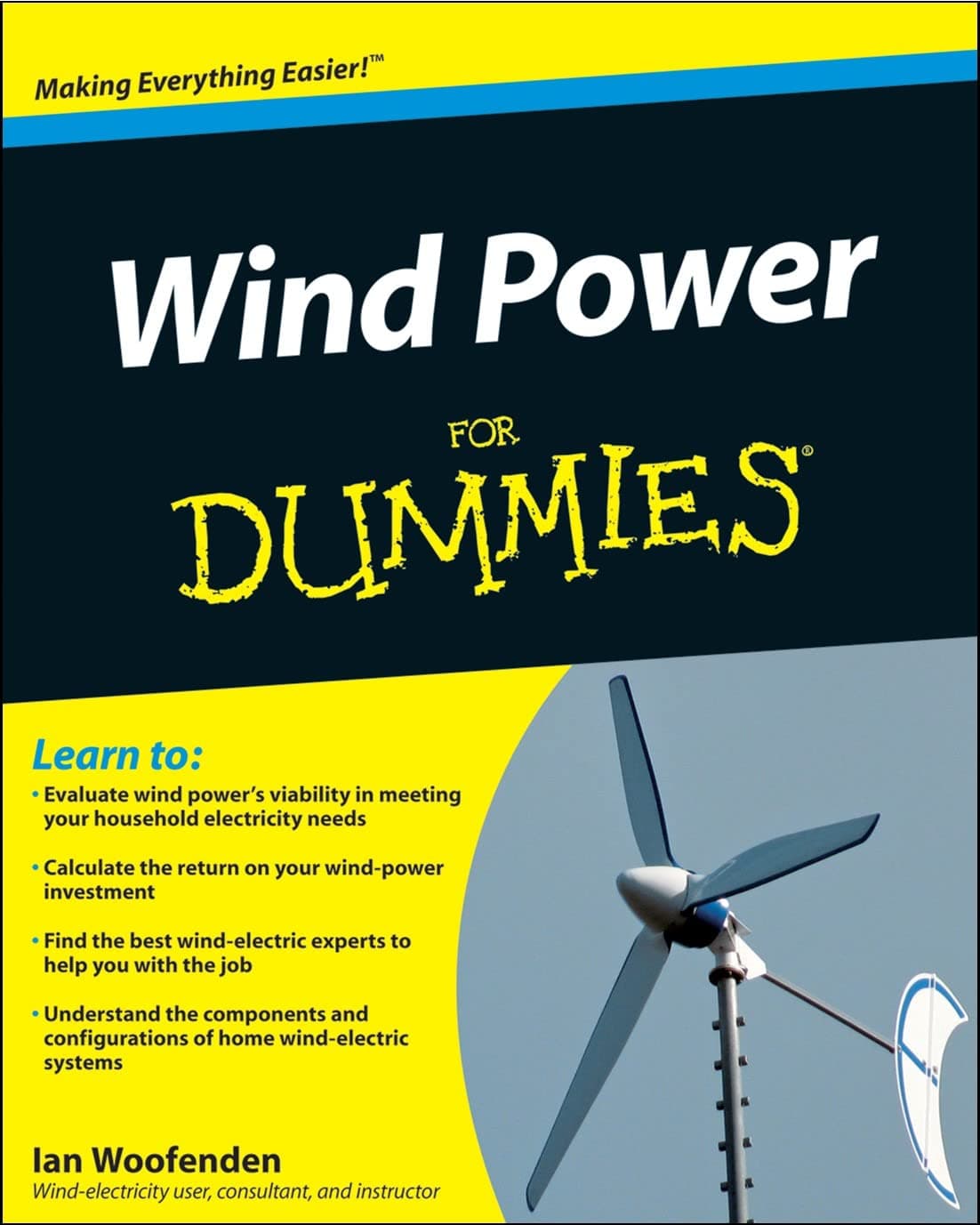

A vertical axis turbine isn't the most efficient wind catcher. For sheer "power per square metre of wind", a horizontal axis turbine wins.
But efficiency isn't everything. Here are six places the egg-beater shape beats the propeller.
Wind From Any Direction
A regular propeller turbine has to face the wind. Wind shifts, the whole turbine has to swing around. In choppy wind, it spends more time swinging than generating.
A VAWT doesn't care. The blades catch wind from north, south, east, west, or anywhere in between. No yaw motor needed. No swinging. Just spinning.
This is the single biggest advantage in places like cities and forested valleys, where wind direction changes every few seconds.
Works In Light Wind
A typical HAWT needs around 3 metres per second of wind to start spinning. That's roughly walking pace.
A VAWT (especially the Savonius shape) can start in winds as low as 2 m/s. A breeze you can barely feel on your face is enough to start it turning.
If you live somewhere with mostly gentle winds, a VAWT generates power on more days per year than a HAWT would.
Fewer Moving Parts
A HAWT has a yaw system, a gearbox (usually), pitch motors that twist each blade, and a brake. All up in a sealed box 30 metres above the ground.
A VAWT skips the yaw system entirely. It doesn't need to track the wind. Fewer parts means fewer things that break.
The Generator Is At Ground Level
On a HAWT, the heavy generator sits in the nacelle at the top of the tower. To fix it, a technician has to climb up there with tools.
On a VAWT, the generator usually sits at the base of the vertical shaft. Right at ground level. Maintenance is a normal day's work, not a climbing expedition.
Quieter
VAWTs spin slower than HAWTs. Slower blade tips mean less air-whoosh. Less whoosh means less noise.
For a turbine on a rooftop or in a yard 20 metres from a neighbour's house, this matters a lot. A noisy turbine can get you in trouble with local rules and your neighbours at the same time.
Looks Better In A City
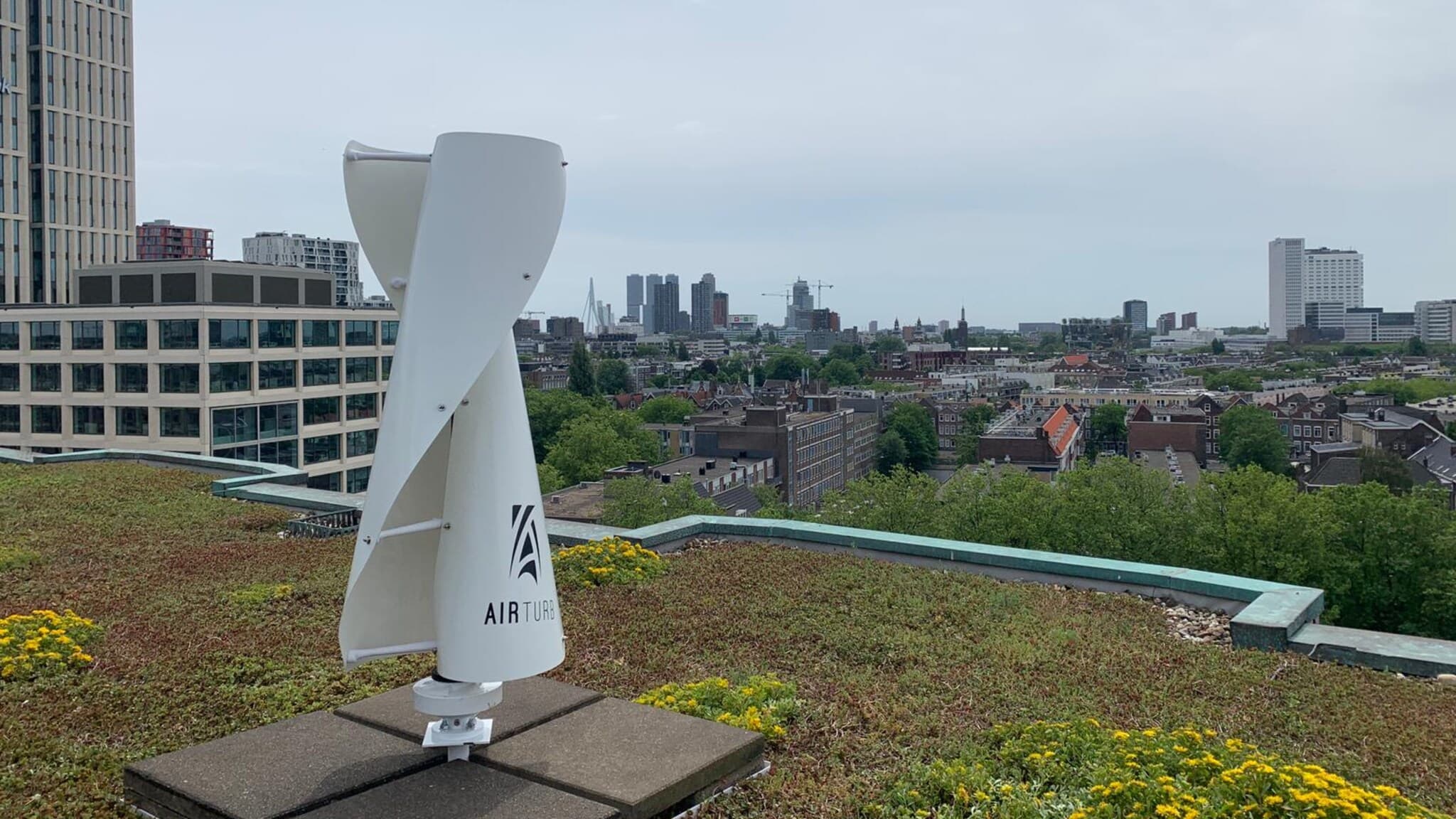
This sounds silly, but it matters. A propeller turbine on a city rooftop looks like an industrial intrusion. A vertical turbine, especially a sculptural Darrieus design, can look almost like architecture.
Cities that want to add wind power without ugly skyline tend to choose VAWTs.
→ Factors to think about before installing a VAWT
VAWTs aren't going to take over wind power. The big offshore farms will keep using horizontal designs because they squeeze more energy out of strong, steady wind. But for the right spot, especially anywhere wind is messy or noise rules are strict, the vertical shape is the better answer.