
A vertical axis wind turbine is the underdog of wind power. Less efficient than the propeller design. Less common. But in the right spot, nothing beats it.
Here's where VAWTs actually shine.
On A House Roof
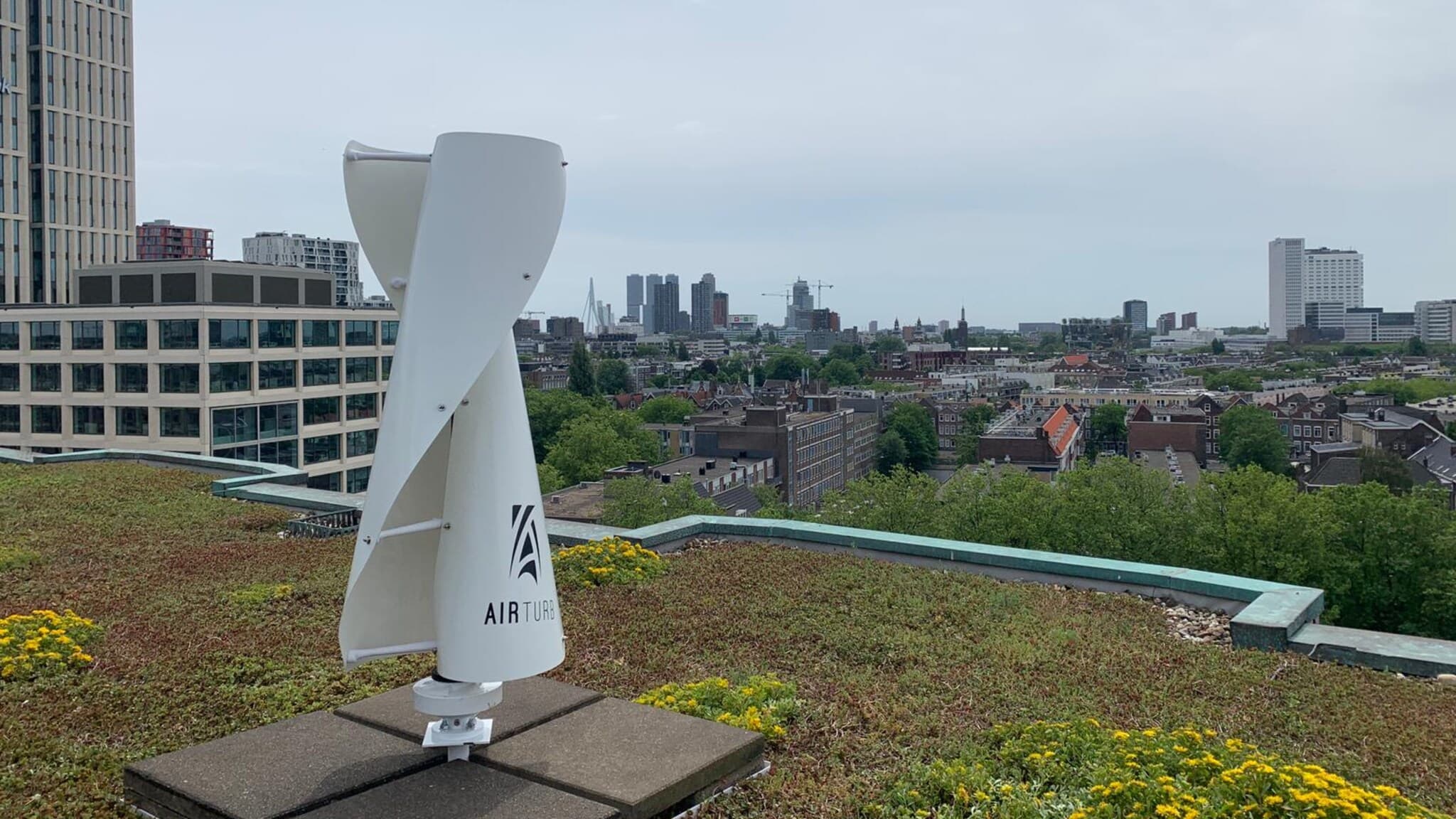
The classic VAWT job. Cities and suburbs are full of messy wind. It bounces off buildings, swirls around corners, changes direction every few seconds. A regular propeller turbine spends all its time chasing the wind with its yaw system. A VAWT just keeps spinning.
VAWTs are also quieter, which matters a lot when your neighbour's bedroom is 15 metres from your turbine.
You can mount them on rooftops, on standalone poles in the yard, or even build them into the side of a building.
On A Small Business Or Farm
A farm shed, a workshop, a remote facility. Anywhere you have some land and a modest power need, a VAWT can pull weight.
Pair it with solar panels and a battery bank. The wind covers the cloudy days and nights. The sun covers the calm days. Together they keep the lights on without burning anything.
Off-Grid Cabins
This is where VAWTs really come alive.
A wooded valley. A coastal hillside. A remote mountain ridge. Places where the wind direction changes constantly because the terrain bounces the air around. A regular propeller turbine in this kind of spot is a frustrated machine: it spends more time swinging around than generating power.
A VAWT doesn't care. Wind from any direction works the same. As long as something is blowing, it's making power.
Combined with solar panels, a charge controller, batteries, and an inverter, a small VAWT can keep a cabin running through winter.
→ Use the yearly kWh calculator to plan your needs.
City Infrastructure
Some cities install small VAWTs along highways, in parks, on top of public buildings. They catch the breeze that's always blowing past the buildings and feed power into the local grid.
A few cities have even built VAWTs into bridges. The wind always blows along a river, and a row of small vertical turbines along the bridge railings adds up to real power.
Hybrid Setups
The most common VAWT setup isn't a VAWT alone. It's a VAWT plus solar plus battery, all working together.
Solar makes power during the day. Wind blows hardest at night and in winter, when solar is weakest. The two cover for each other, and the battery covers the gaps when both are quiet.
For most off-grid homes, this combo beats any single source.