
The Oldest Trick In The Book
Wind has been pushing things around for as long as there's been weather. The trick is catching some of that push and putting it to work.
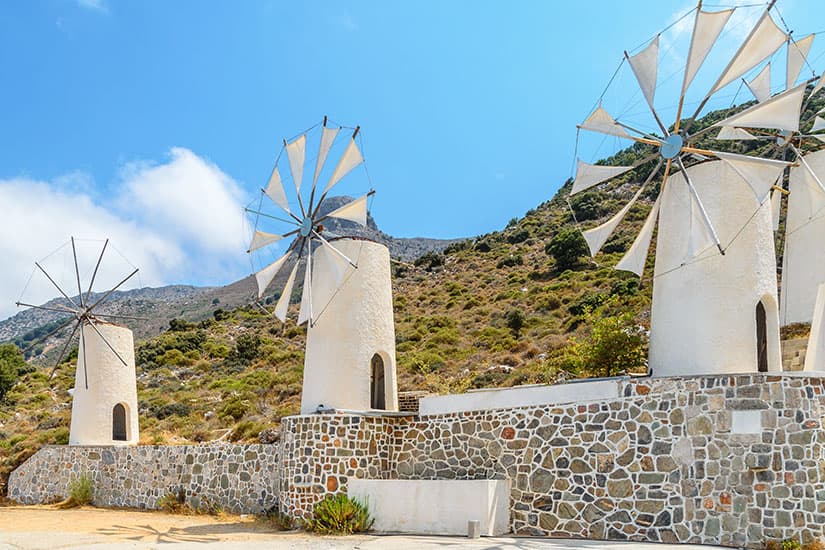
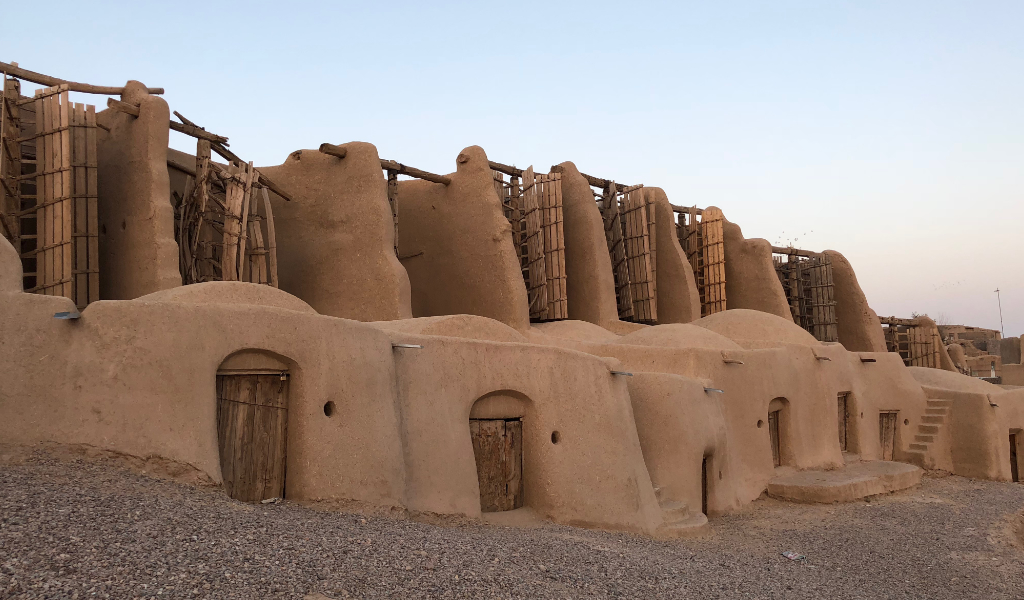
People figured this out a long time ago. In the 9th century, engineers in Persia built tall walls of woven reeds that spun on a pole when the wind blew. They used the spinning to grind grain into flour. No engine, no fuel, just air doing the heavy lifting.
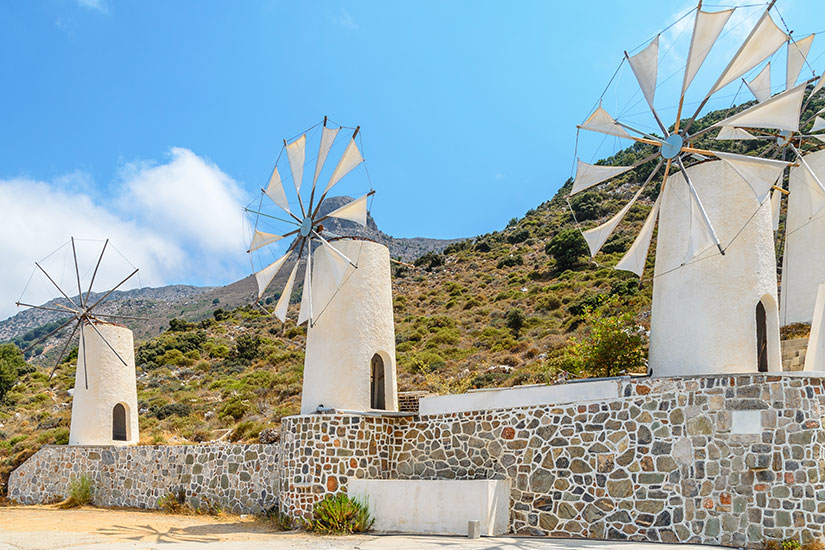 image by Kreta-info
Fast forward a few hundred years. The Netherlands ended up with over 1,000 windmills still standing today. Nineteen of them sit in one row at a place called Kinderdijk, a UNESCO heritage site. For centuries they pumped water off low land so people could live there. Without them, half of Holland would be a swamp.
The shape changed. The job changed. But the idea stayed the same. Catch the wind. Use it.
What's Spinning On Your Horizon
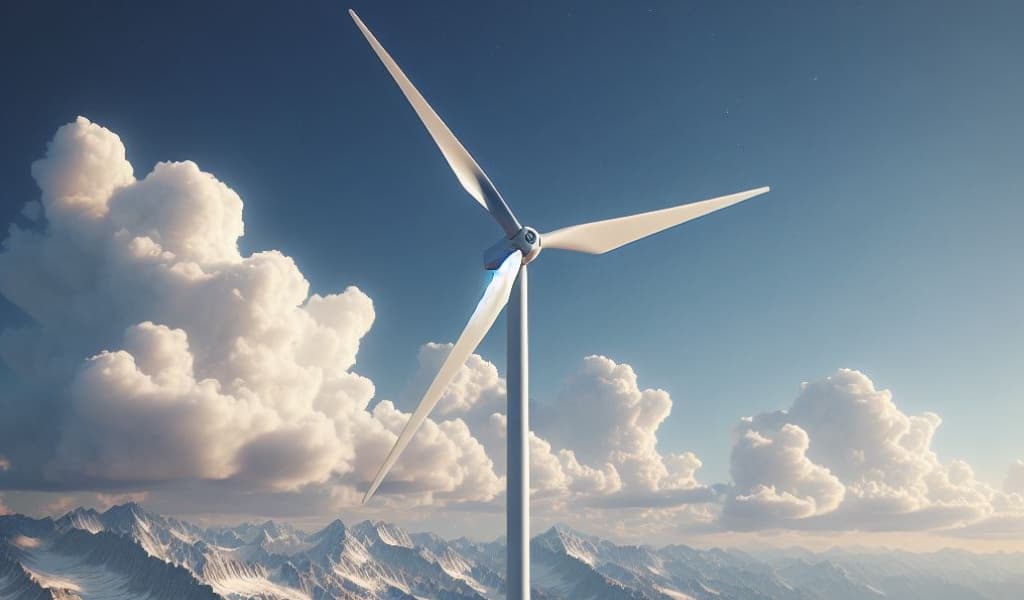
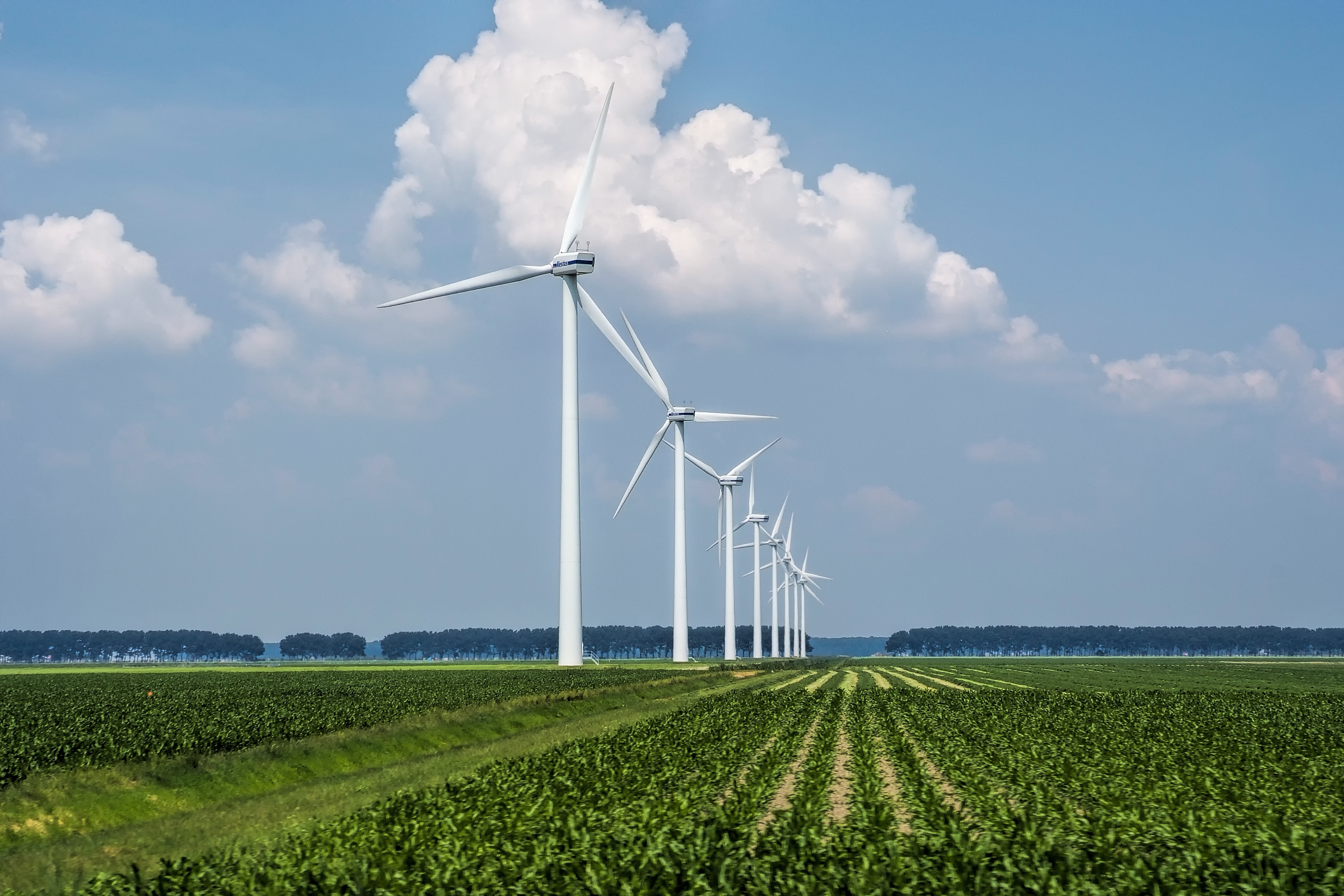 Image by wirestock on Freepik
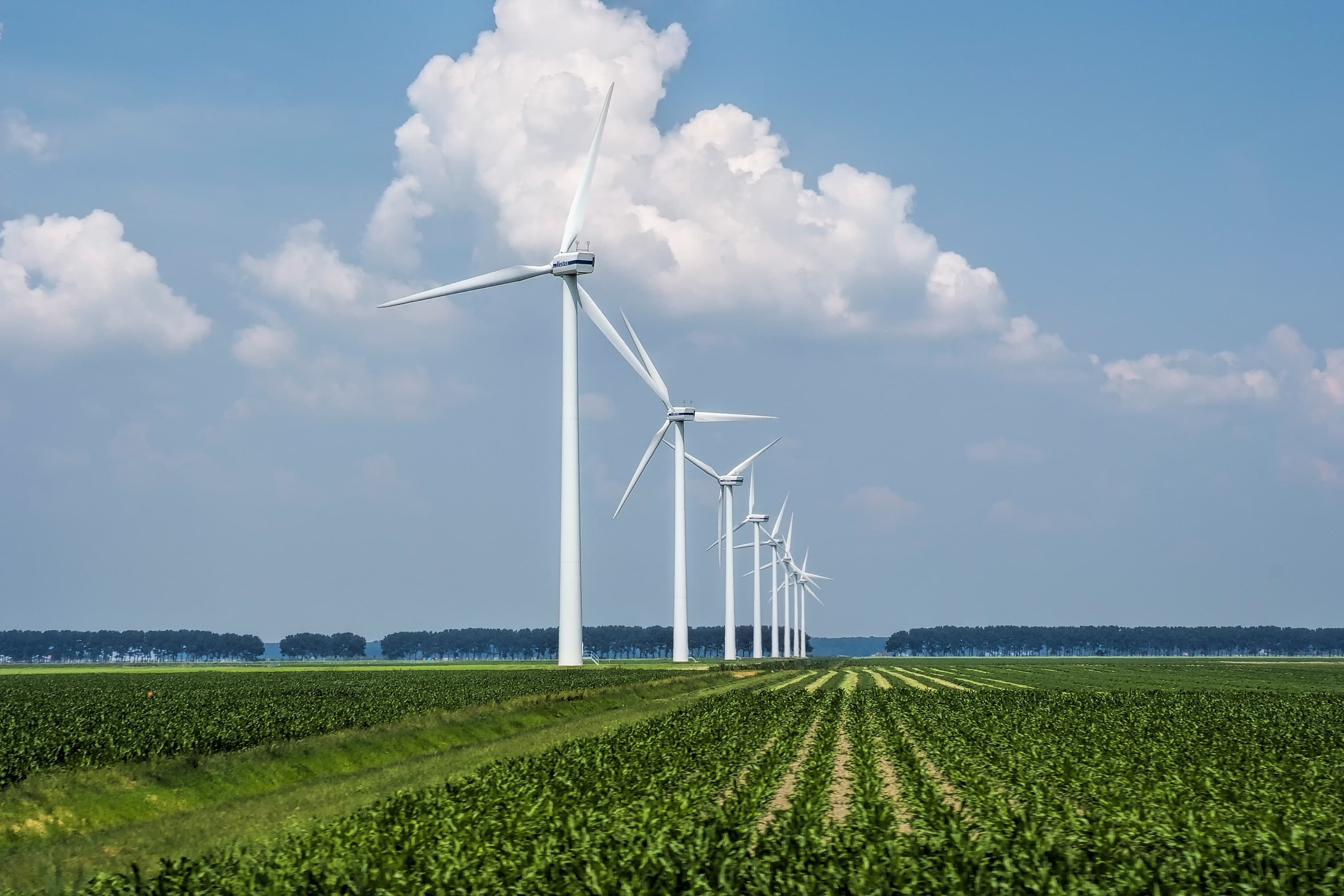
Today the giant white propellers you see on hills and out at sea are doing the same thing the Persians did, just with electricity instead of flour.
Here's the wild part. The blades on the biggest modern wind turbines are longer than a soccer field. One blade. Bigger than the goal-to-goal length of where the World Cup happens. They spin slowly, maybe 15 turns a minute, which sounds lazy until you remember how big they are.
The slow tip of one of those blades is moving faster than a sports car.
A small home turbine spins faster, around 100 to 200 turns a minute, because its blades are tiny by comparison.
How A Turbine Actually Works
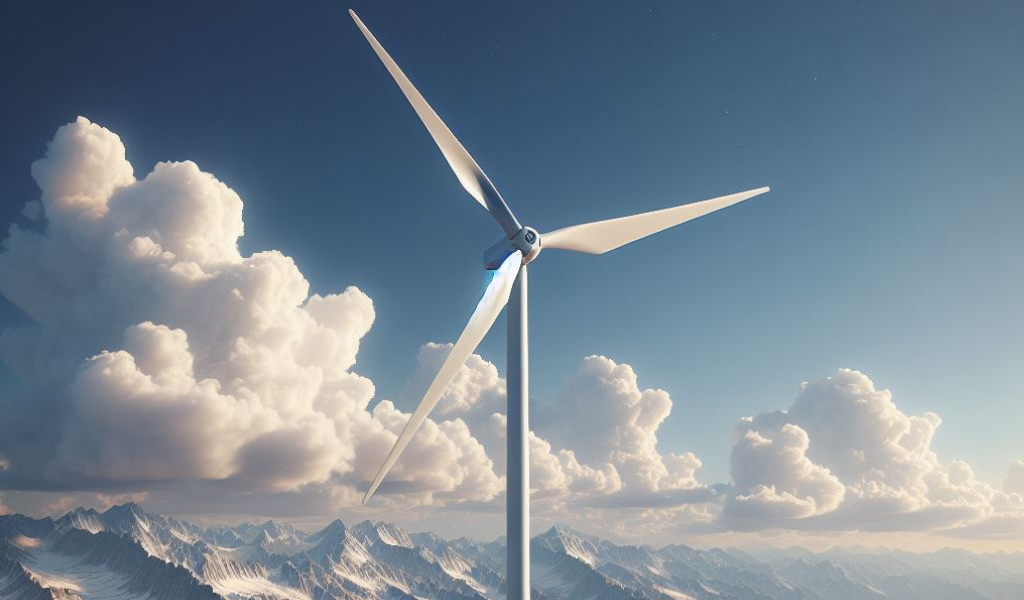
So how does spinning air become power for your fridge?
Three steps. That's it.
First, the wind hits the blades. The blades are shaped like airplane wings. Air flowing over them creates a pull that yanks them around. Even a slow walking-pace wind, around 3 meters per second, is enough to start most turbines spinning.
Second, the spinning blades turn a shaft that runs down into a box at the top of the tower. Inside that box is a generator. A generator is a clever invention. Spin a magnet inside a coil of wire and electricity comes out the wire. That's it. That's the trick we've been using since the 1800s.
Third, the electricity flows down the tower through cables. It comes out as DC, the kind of electricity batteries use. Your house wants AC, the kind that comes out of wall plugs.
That's where the inverter comes in. An inverter is a translator box. It changes DC into AC so your TV and your fridge understand what's coming in.
→ All the electronic parts in a wind setup
Two Shapes Of Turbine
Not all wind turbines look the same. There are two main families, and they solve different problems.
Horizontal axis wind turbines, or HAWTs, are the ones that look like airplane propellers stuck on a pole. These are what you see on big wind farms. They have to face the wind, so they sit on a swivel that rotates the whole top to keep the blades aimed correctly. When the wind is strong and steady, these are the most efficient kind.
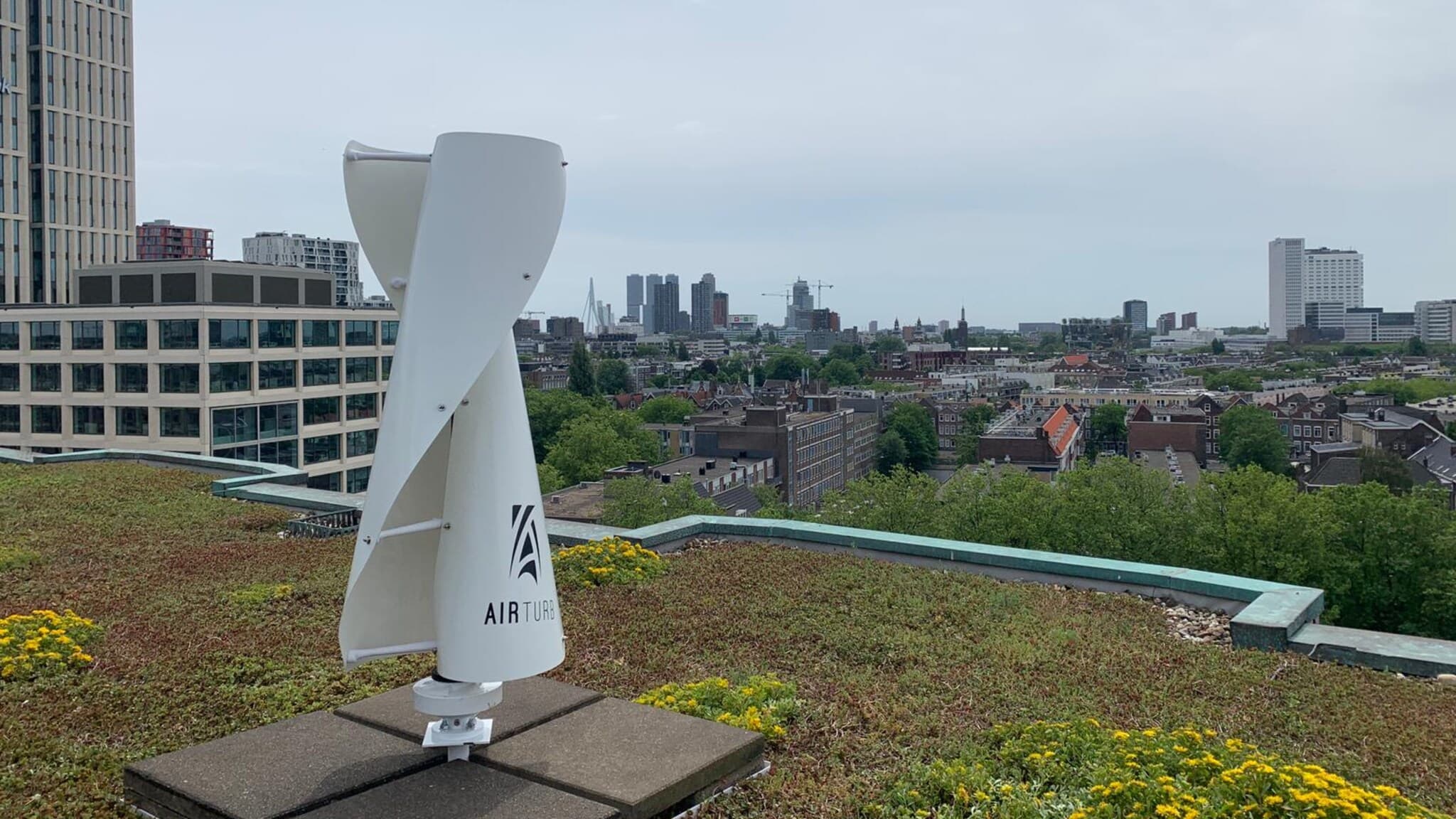
Vertical axis wind turbines, or VAWTs, look more like an egg beater standing up. They spin around a vertical pole. They don't care which direction the wind is blowing, so they work well in cities where wind bounces off buildings and changes direction constantly. They're quieter too.
If your roof is in a windy field, go horizontal. If your roof is in a town with messy wind, vertical might suit better.
A Wind Turbine For Your House
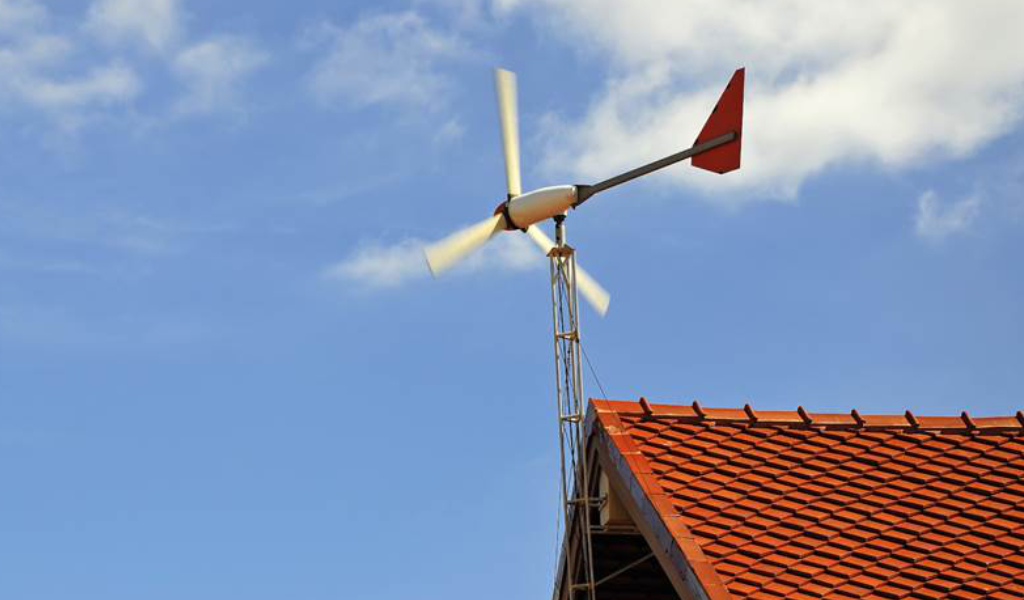 milieucentraal.nl
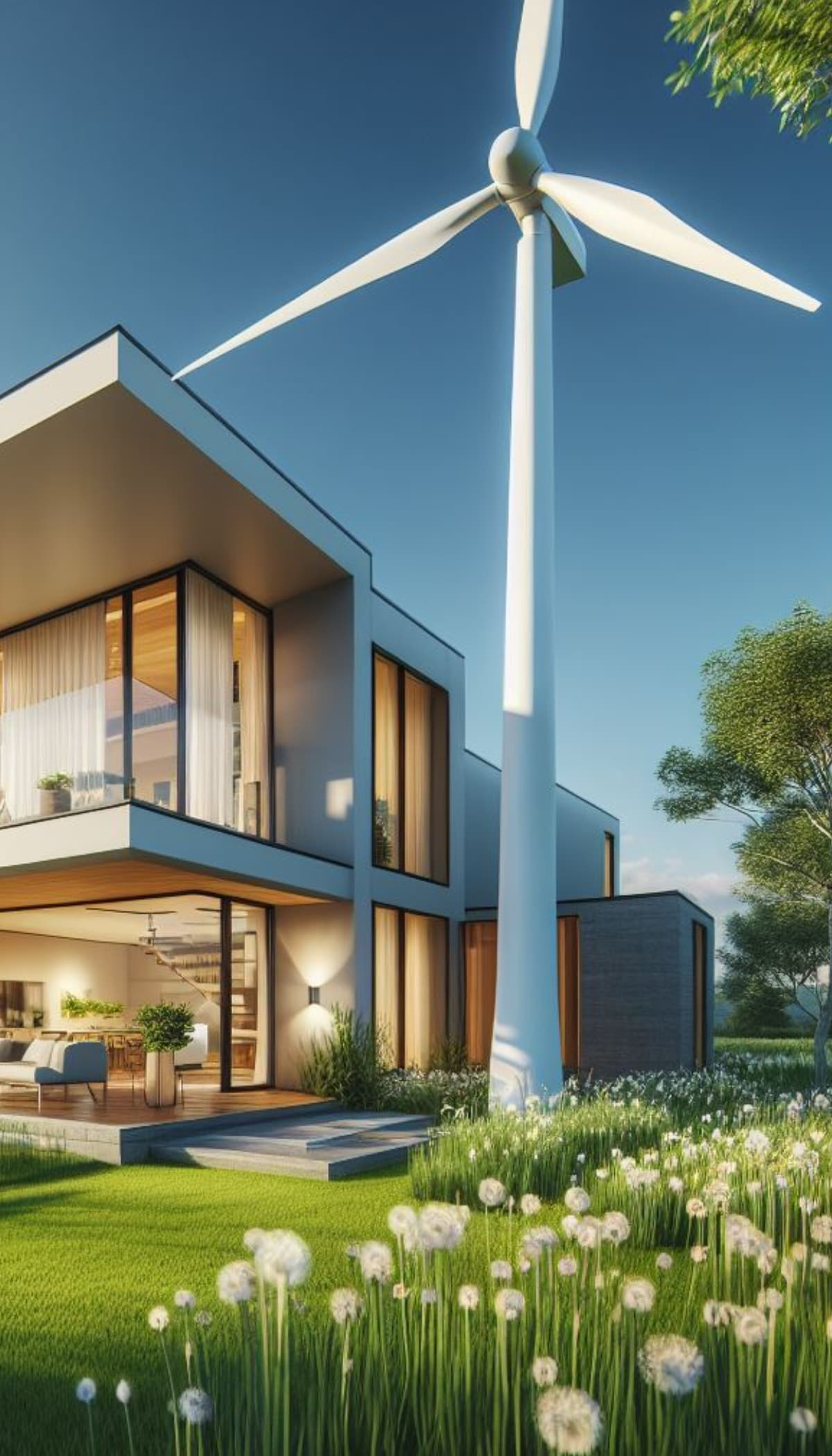
A home wind turbine is a shrunken version of the giants. Same idea, smaller scale. They sit on rooftops or on their own tower in the yard.
A typical home turbine puts out somewhere between a few hundred watts and a few kilowatts. That won't run a whole house alone in most places. But paired with solar panels, it can carry serious weight. Solar makes power when the sun is up. Wind often blows hardest at night and in winter, when solar is weakest. They cover for each other.
→ How much wind do you actually have?
→ What size turbine do you need?
→ Are home wind turbines worth it?
Holding It Up
The tower matters as much as the turbine.
Wind near the ground is messy. It bounces off houses, trees, fences. Up high, it gets smoother and stronger. Every extra meter of tower height pulls in more useable wind.
That's why home turbines sit on towers that can be 10, 20, even 30 meters tall. The tower has to hold up the turbine in storms without bending or tipping. Cheap tower, big problem.
A bad windstorm with a weak mount can rip a turbine off its base and throw it across the yard. Plan the tower like you mean it.
Where Wind Power Is Heading
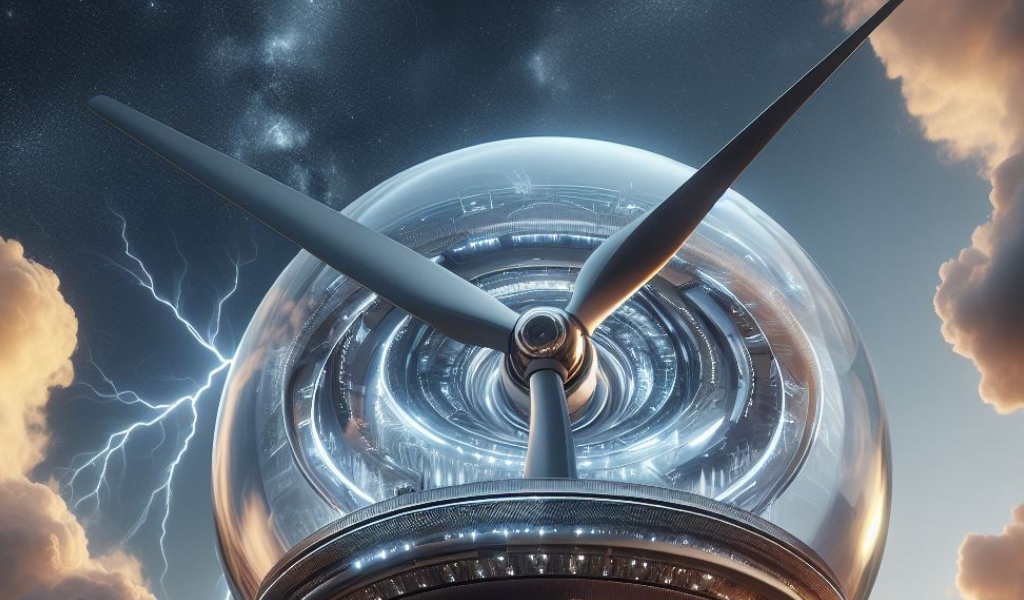
Wind keeps getting bigger. Literally.
The newest offshore turbines, the ones far out at sea, have rotors more than 250 meters across. That's longer than two soccer fields end to end. One of these turbines, in a strong wind, can power around 20,000 homes by itself.
Then there's the weirder stuff in the labs. Floating turbines that don't need to be anchored to the seabed, so they can drift into deep water where wind is steadier. Tiny rooftop turbines that look like flowers. Bladeless turbines that wobble instead of spin, so they're safe for birds.
What sounds like science fiction today might be on your roof in ten years.
Going Off-Grid With Wind
Wind is rarely a solo act. By itself, it works great on a windy ridge or a coast. In a sheltered valley with weak wind, it might barely turn.
That's why most off-grid setups combine wind with solar panels and a battery bank. The wind handles the cloudy days. The sun handles the calm days. The battery covers everything in between.
You also need a charge controller between the turbine and the battery. A strong gust can pump too much power into a battery and cook it. The charge controller throttles the flow so the battery stays safe.
→ Why pick wind in the first place?
→ What does an off-grid wind system cost?
→ Use the yearly kWh calculator
Why People Pick Wind
Wind isn't quiet. It isn't invisible. A turbine on your land will hum, especially in a stiff breeze.
But here's the thing. If you live somewhere with real wind, a turbine works while the sun is down, while it's cloudy, while it's snowing. Solar can't do that. A good wind site pays for itself in years that solar would still be loafing through winter.
For the right spot, with the right tower, wind is one of the most reliable ways to live off the grid.