

The Problem With Wiring Solar Straight To A Battery
You can't just bolt a solar panel to a battery and walk away.
If you did, here's what would happen. On a cloudy morning, hardly any power flows in. The battery is fine. Then the sun comes out hard at noon. The panel suddenly shoves way more voltage at the battery than it can handle.
That extra voltage cooks the battery from the inside. A few hours of full sun could finish off a battery in one afternoon.
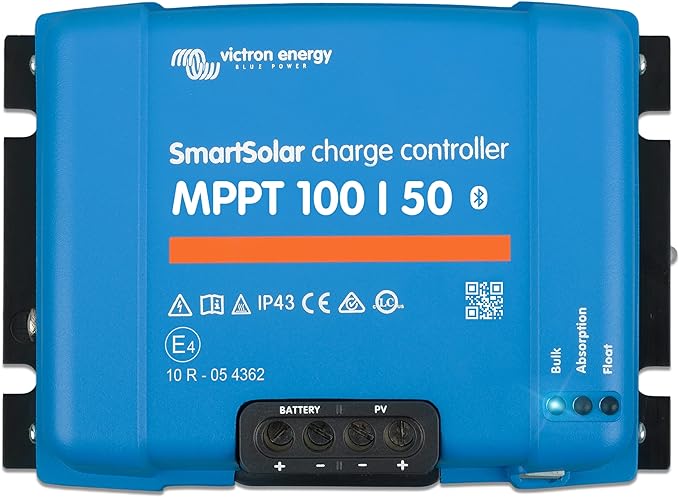
You need a box in the middle that smooths it all out. That box is the charge controller.
What It Actually Does
Think of it like a traffic cop standing between the panels and the battery.
When too much power tries to rush in, the controller slows it down. When the battery is nearly full, it eases off. When the battery is empty, it lets a steady flow through.
It also stops the battery from being charged when it doesn't need it. A full battery getting more juice pumped in is also a way to wreck it.
Two Kinds: PWM And MPPT
You'll see two flavors when you shop for one. PWM and MPPT.
PWM: The Cheap And Cheerful Kind
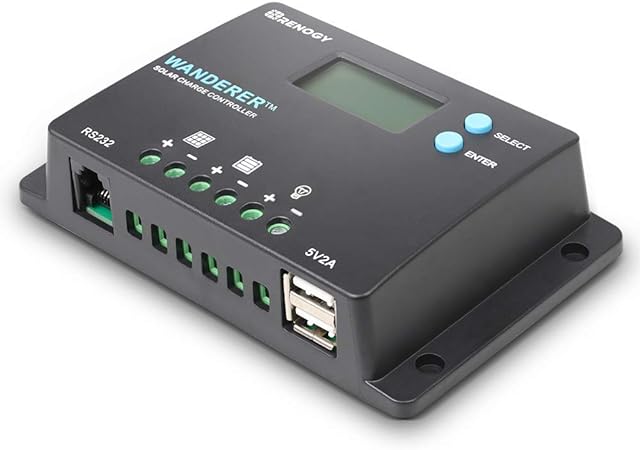
PWM is the basic version. It works by flicking the power on and off really fast, kind of like tapping the brakes. Cheap, simple, gets the job done.
Good for: tiny systems. A solar light on a shed. A small RV setup. Anything where you're not trying to squeeze every drop of power out of the panels.
MPPT: The Smarter Kind
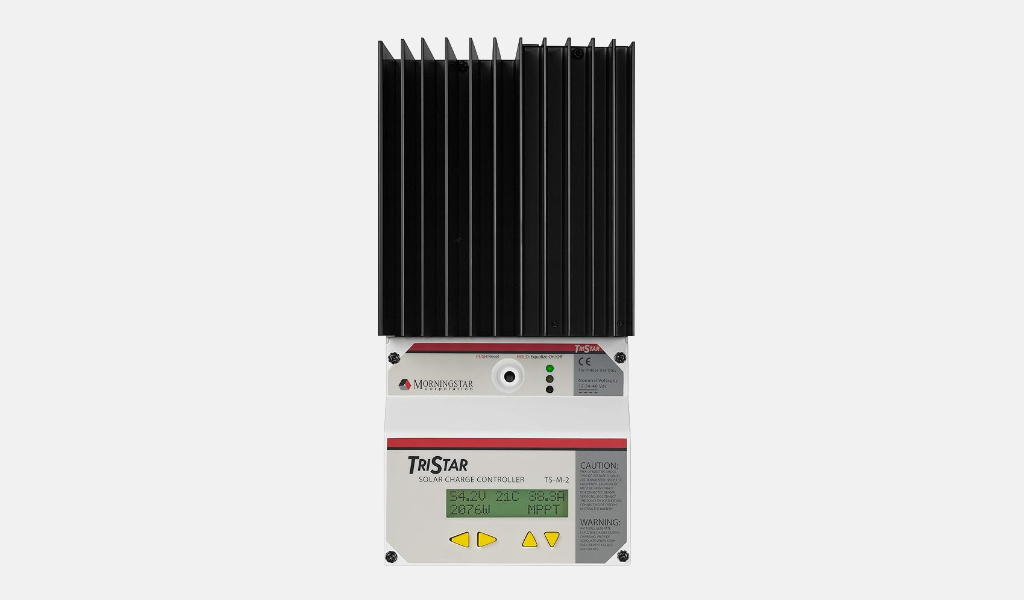
MPPT is more clever. It actually changes the voltage from the panels to whatever the battery wants right now. Less wasted power. More energy into the battery.
How much more? On a cloudy day, MPPT can get you 30% more energy than PWM from the same panels. That's huge.
For a real home battery setup, MPPT is the answer. The extra cost (maybe 100-200 euros more) pays itself back in saved panels and extra power within a year.
Sizing The Controller
The controller has to handle the current from your panels. So you size it to match.
Take your total solar wattage. Divide by your battery voltage. That gives you the amps.
500W of panels on a 12V battery: 500 ÷ 12 = about 42 amps. Buy a controller rated for 50 amps or more. Always leave a little headroom.
So PWM Or MPPT?
For anything bigger than a small camping setup, get MPPT. The extra money is the best investment in your system.
For a tiny project where the panel and battery are both small, PWM is fine.