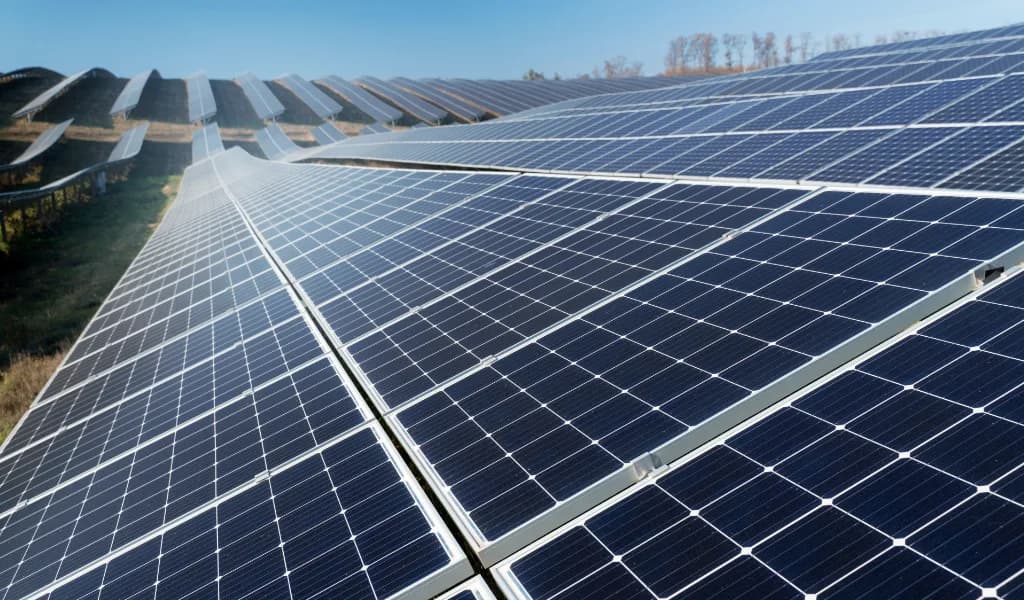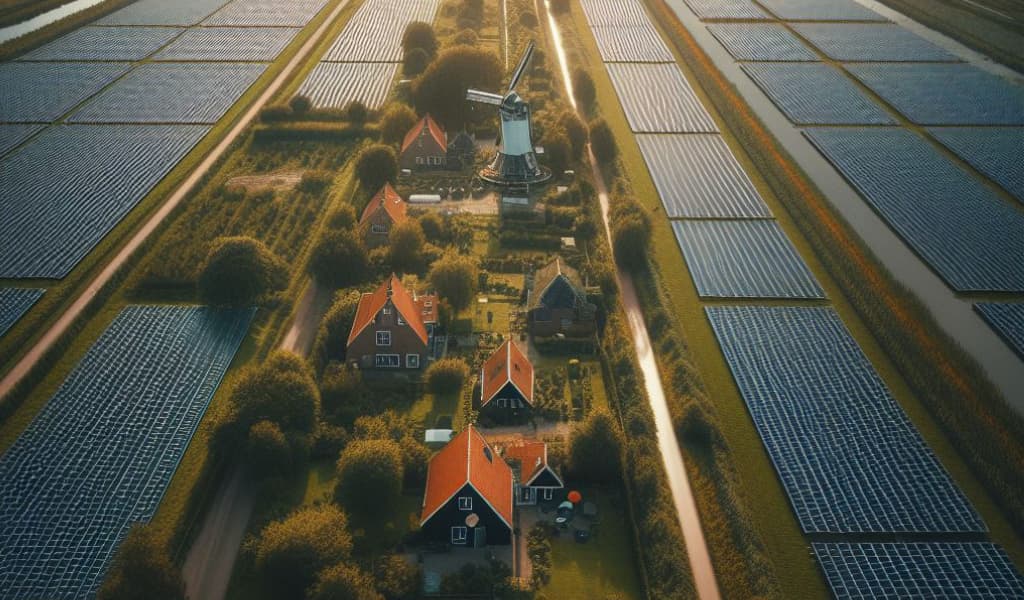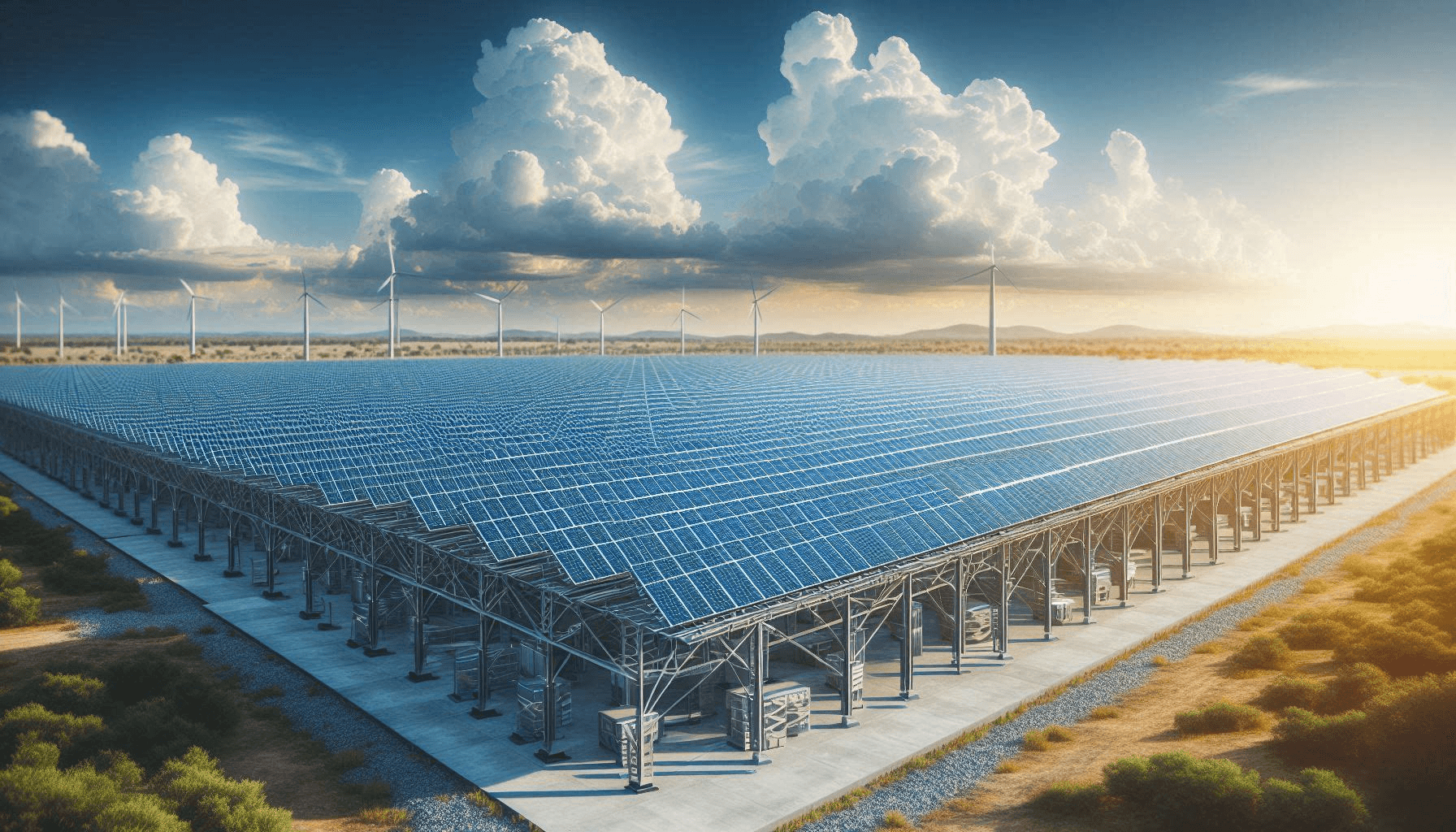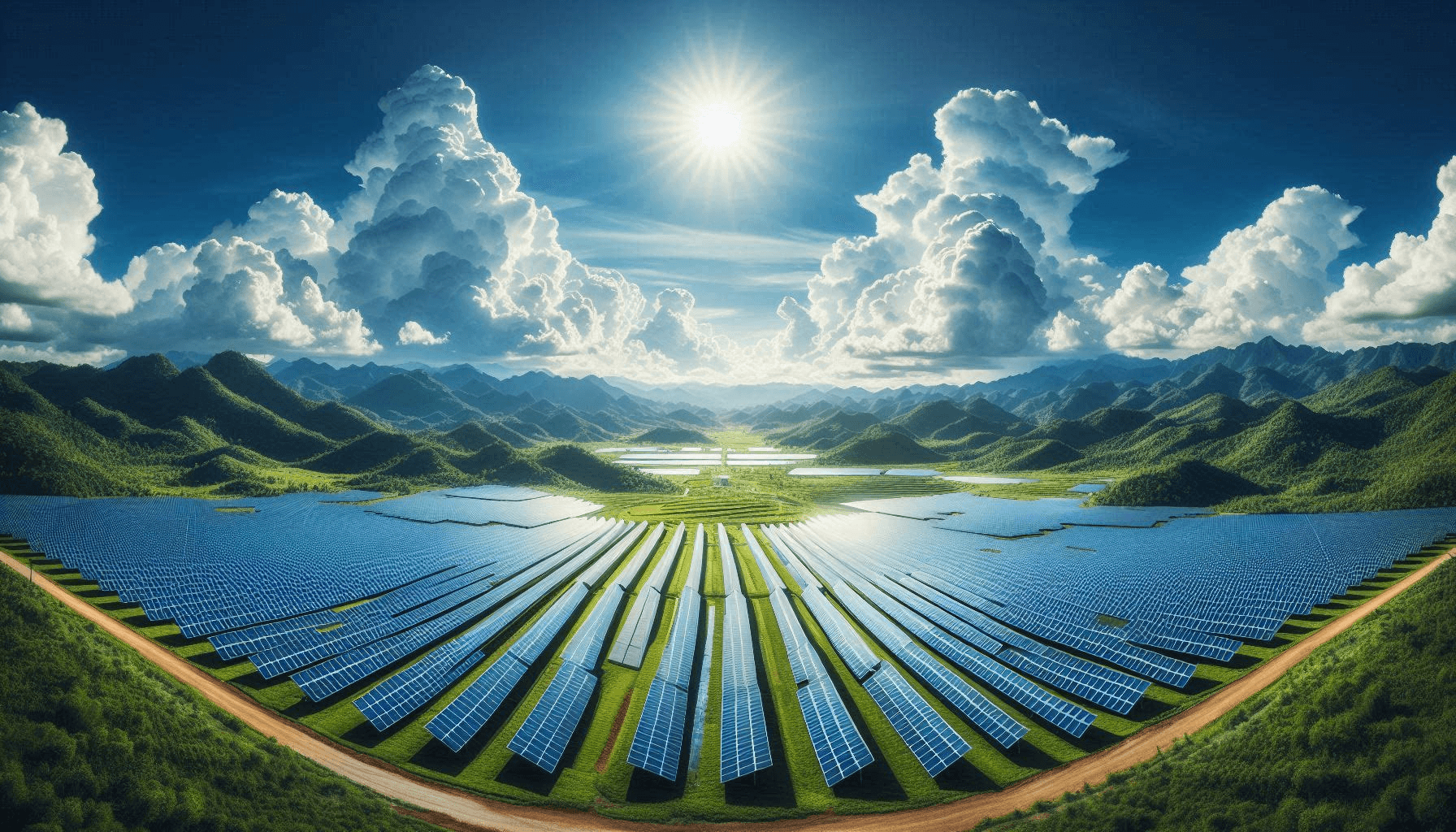

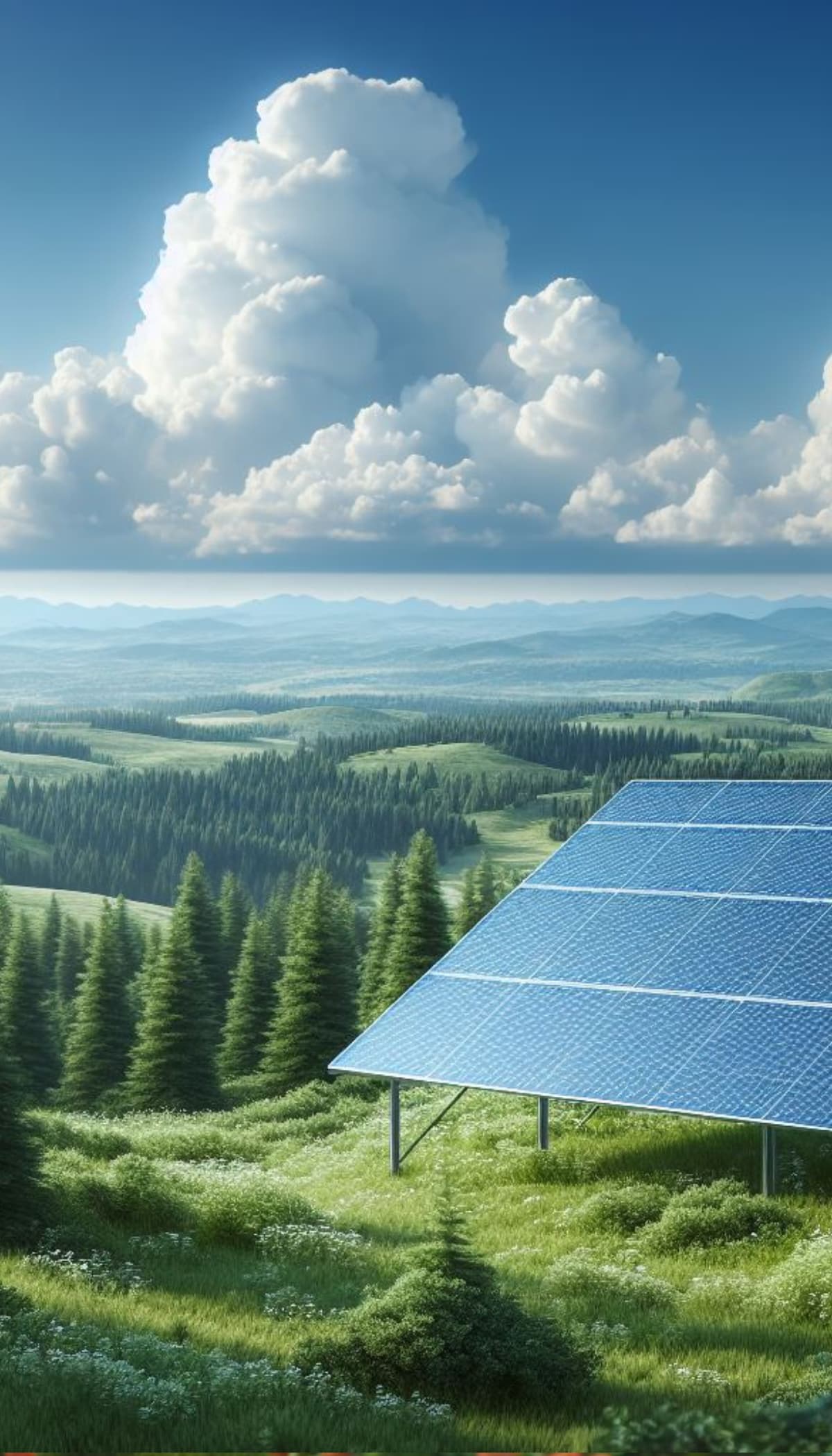
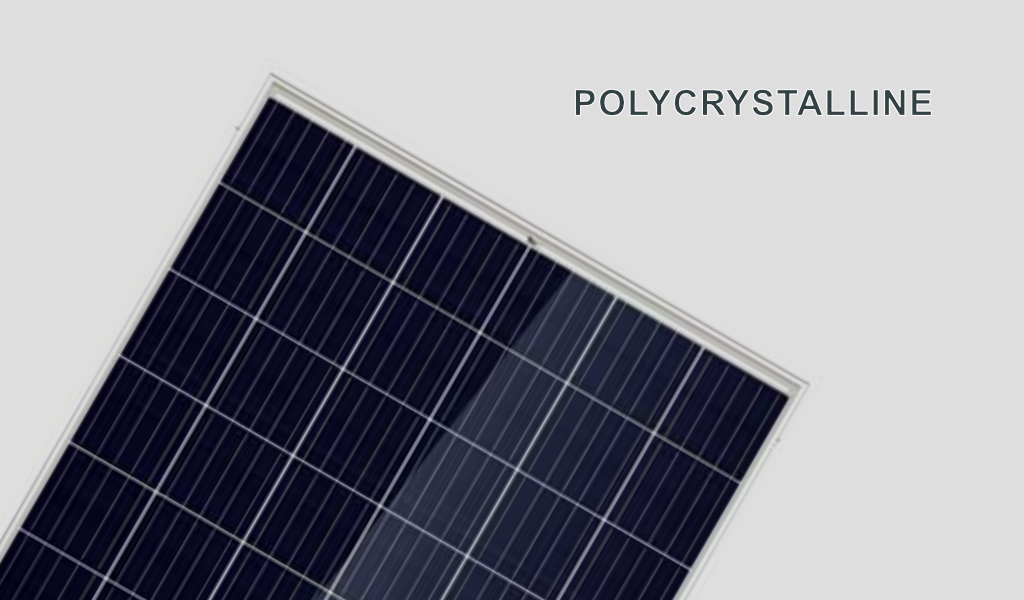
Drive past a huge solar farm and look closely. Those panels probably aren't the sleek black ones you see on houses. They're blue. A bit speckled. A bit shiny in patches like a cracked-ice pattern.
Those are polycrystalline panels. And there's a reason the big farms pick them over the fancier black ones.
When you have room to spread out, cheap and "good enough" beats expensive and "best".
What "Polycrystalline" Actually Means
All solar panels are made from silicon. The difference is the shape of the silicon inside.
Monocrystalline panels are grown as one big pure crystal. Smooth and uniform.
Polycrystalline panels are made differently. Workers melt silicon and pour it into a square mould, like making a giant blue ice cube. As it cools, many small crystals form and lock together. Slicing this block gives you wafers full of crystal edges.
That speckled, patchy look is each individual crystal showing through the glass. Scientists call it "multicrystalline" or "poly" for short.
The melt-and-pour method is faster and cheaper than growing one big crystal. That's the whole point.
→ How sunlight becomes electricity
How Efficient Are They
A poly panel catches about 15% of the sunlight that hits it. The best ones are pushing 17%.
A monocrystalline panel catches about 20%. So poly is around 5 points behind.
Doesn't sound like much. But over a year on a 5kW system, that's a few hundred kilowatt-hours of difference. Enough to run a fridge for a couple of months.
So why do people still buy poly? Because they're roughly 20% cheaper per panel. If you have the space, the cheaper-but-bigger system makes more power per dollar than the smaller-but-fancier one.
→ Use the solar panel calculator
How They Handle Heat
Solar panels all lose efficiency when they get hot. It's how silicon works.
Poly panels used to hold up a little better in heat than older mono panels. That edge is mostly gone now. Modern mono designs (PERC, TOPCon, and especially HJT) handle heat as well or better. So if you're buying for a hot climate today, the cell design matters more than the mono-vs-poly label.
→ How many sun hours does your area get?
What They're Not Good At
Two things to know.
First, the blue speckled look. Some people love it. Some hate it. On a house roof, those panels stand out more than the sleek black mono ones. If your neighbours care about looks, that matters.
Second, they need more space. To make the same amount of power as mono panels, you need a bigger array. Not a problem if you have a big roof or a field. A real problem on a small city rooftop.
→ How thin-film panels go where rigid ones can't
When Poly Is The Right Pick
Pick polycrystalline when:
- You have lots of roof or ground space
- You want the most power per dollar (not per square meter)
- You live somewhere with consistently hot summers
- You don't mind the blue colour
Pick something else when:
- Your roof is small and you need every watt
- You want the cleanest, most modern look
- You need panels that bend (only thin-film does that)
→ How many panels do you actually need?
They Last A Long Time
A polycrystalline panel works for 25 to 30 years. Same as mono.
The output drops a little each year, but slowly. After 25 years, most are still pushing out about 80% of what they made when new. Panels installed in the 1990s are still feeding power into homes today.
You'll get more years out of these than you'll get out of most cars or appliances.
How Poly Fits Into A Full System
The panel makes raw electricity. It can't go straight into your wall sockets.
You need an inverter to change it into the form your appliances use. You need a charge controller if you're storing power in batteries.
→ All the electronic parts in a solar setup
→ The difference between AC and DC power
Care And Cleaning
Polycrystalline panels are tough. They don't need much from you.
Rain does most of the work. Once or twice a year, give them a quick rinse with a hose to clear off bird droppings and pollen. No high pressure. No harsh chemicals. Just water and a soft brush if needed.
A glance every few months catches problems before they grow. Cracks, cloudy patches, or scorch marks mean call the installer.
Where Poly Is Heading
Poly used to dominate the whole solar market. Then mono got cheaper, and the tide turned. Today, mono is the default on houses and on the biggest new solar farms too. Poly's share of new installs has shrunk a lot.
You still see plenty of poly on older roofs and farms, and on tight-budget builds where every euro per watt counts. New cell designs, better coatings, and cleaner silicon mean the poly panels that do get made keep getting better.
→ Where polycrystalline panels are heading next