
What A Fuse Actually Is
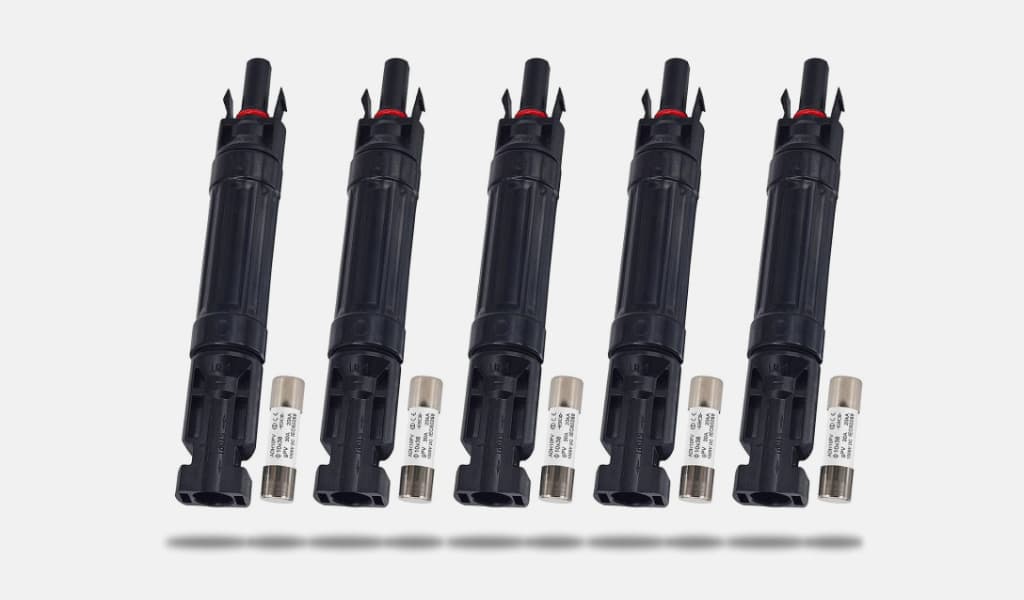
A fuse is a piece of thin metal wire inside a small tube.
When too much current tries to flow, the wire heats up and melts. The circuit breaks. The current stops.
It's the simplest safety device ever invented. And one of the most important.
A fuse that blows in 1 millisecond (a thousandth of a second) can save your whole battery system from a fire.
Why Off-Grid Setups Need Them More Than Regular Houses
Your wall outlet at home? If something shorts out, a breaker in the fuse box flips. Annoying, but safe.
Your off-grid battery is a different beast. A house-sized battery can dump hundreds of amps of current in a fraction of a second if something goes wrong. That's enough heat to melt copper wire and start a fire before you've even heard the bang.
So every part of an off-grid system needs its own fuse.
The Three Fuses You'll Need
Battery To Inverter
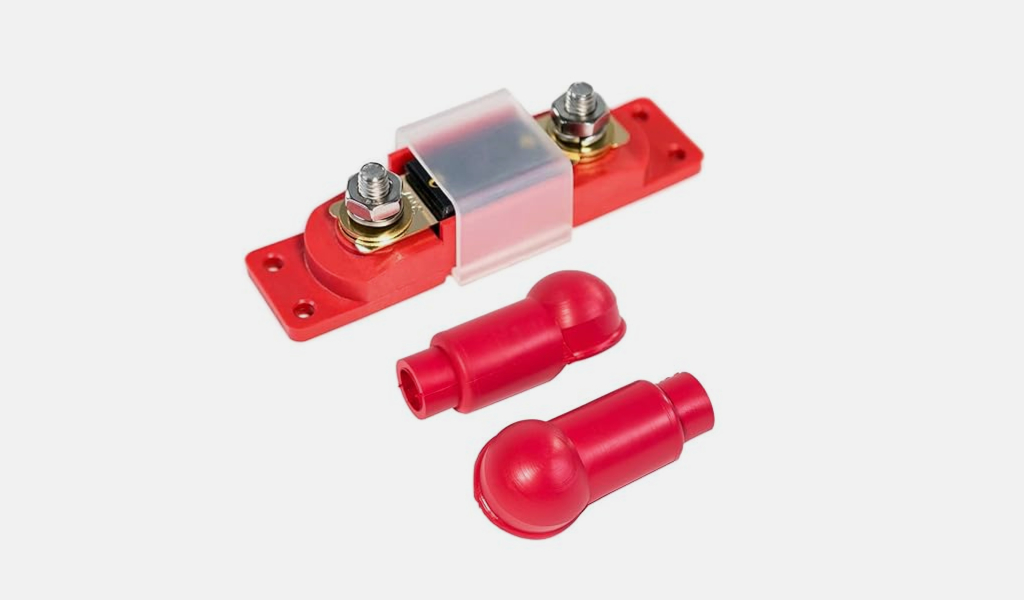
This is the big one. The cable between your battery and your inverter can carry a lot of current.
Here's how to size it. Take the inverter's wattage. Divide by the battery voltage. That tells you the amps.
A 1000W inverter on a 12V battery: 1000 ÷ 12 = 83 amps. Then add 25% for safety: about 100 amps.
So you want a 100A fuse.
Solar Panel To Charge Controller
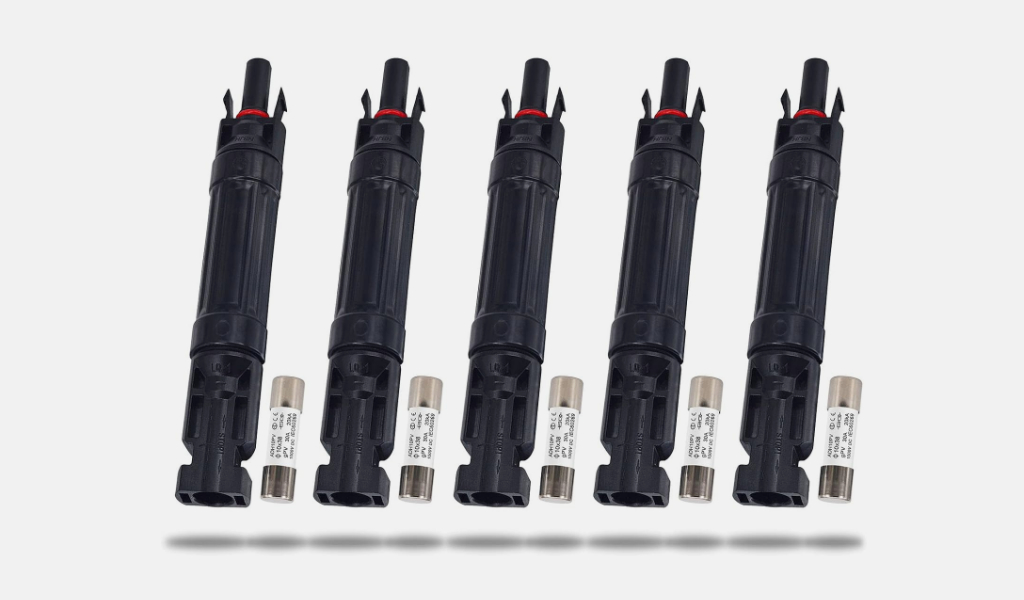
The wire from your panels to the charge controller also needs protection. Otherwise a short circuit out on the roof could send a fault current back into your house.
Look up what your charge controller is rated for. Add 25%. That's your fuse size.
Branch Circuits
If you have separate circuits for different things (lights, fridge, water pump), each one gets its own fuse. That way if your fridge has a problem, only the fridge circuit shuts down. The lights stay on.
A Simple Sizing Formula
For any DC fuse in your setup:
Watts ÷ Voltage × 1.25 = Fuse Size in Amps
So a 1000W load on a 12V system: 1000 ÷ 12 × 1.25 = 104. Round up to the next standard fuse, which is 125A.
Where To Put The Fuse
As close to the battery as possible. Within 18 inches if you can.
The reason: the fuse only protects the wire that comes after it. If you put the fuse 3 meters away from the battery, the first 3 meters of cable has no protection. A short in that section is a fire waiting to happen.
So: battery, then fuse, then everything else.
Don't Cheap Out On The Holder
The fuse itself is a few euros. The holder it sits in might cost the same. People skip the good holder to save money.
Bad move. A cheap holder corrodes, heats up, and can fail without anyone noticing. Spend a bit more.
One Last Thing
If a fuse blows, don't just put a bigger one in. The fuse blew for a reason. Find the reason first.
A fuse is doing its job when it blows. Replacing it with a bigger one is like turning off your smoke alarm because it's beeping.