

A Smaller Cousin Of The Giants
The big white turbines you see on hills and out at sea? A home wind turbine is the same idea, shrunken down for your roof or yard.
Same shape, same job. Wind hits the blades. The blades spin. The spinning runs a generator. The generator makes electricity.
But there are choices to make. The shape of the blades. The height of the tower. The kind of generator. Get those right and you have a quiet machine that makes power for decades. Get them wrong and you have an expensive lawn ornament.
Horizontal Or Vertical?

There are two main shapes of home turbine, and they each have their job.
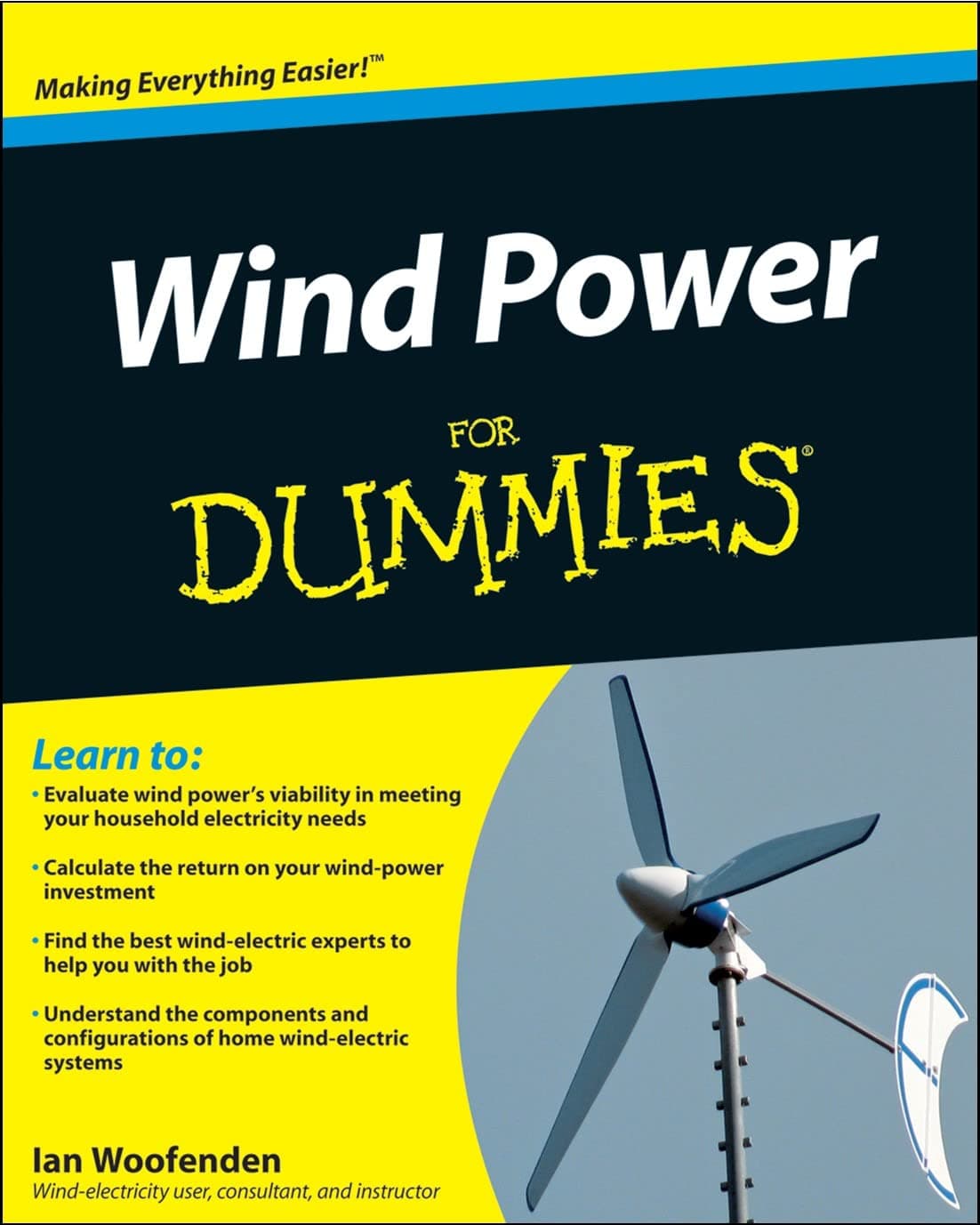
A horizontal axis turbine (HAWT) looks like an airplane propeller on a pole. It has to face the wind, so a little tail at the back swings it around like a weathervane. These work best where the wind is strong and blows from a predictable direction. Most home turbines you'll see in catalogs are this shape.
A typical home HAWT puts out a few hundred watts to a few kilowatts. Not enough to run a whole house alone, but plenty to take a chunk off your electricity bill.
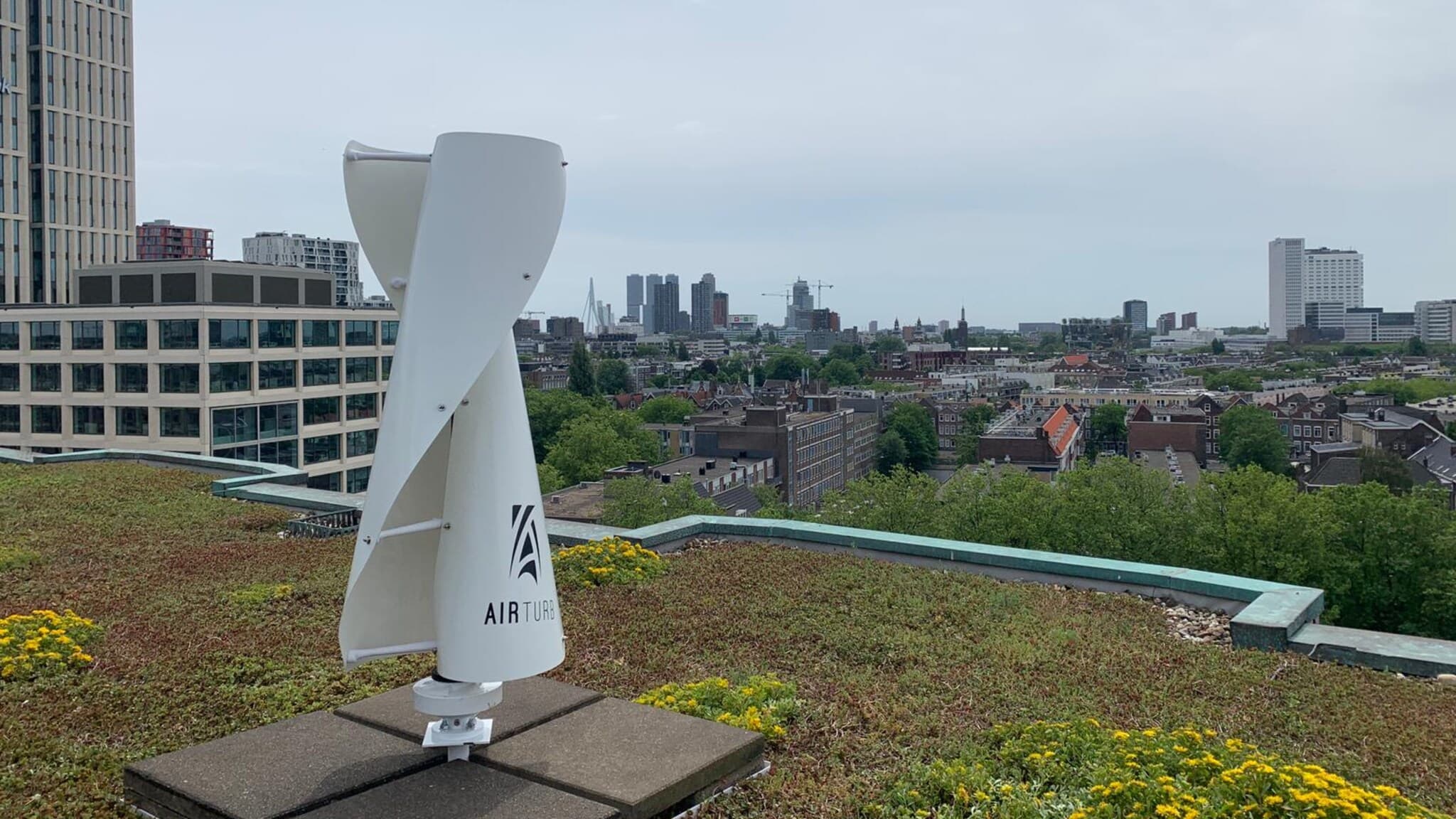
A vertical axis turbine (VAWT) looks more like an egg beater standing up. It spins around a vertical pole and doesn't care which way the wind is blowing. That makes it perfect for towns and cities, where wind bounces off buildings and changes direction every few seconds. They're also quieter, which keeps the neighbours happy.
Inside The Box
So how does the spinning actually turn into power?
The blades sit on a shaft. The shaft runs into a sealed box at the top of the tower called the nacelle. Inside that box is a generator. A generator is one of the oldest tricks in electricity: spin a magnet inside a coil of wire and electricity flows out the wire.
Some turbines also have a gearbox inside the nacelle. A gearbox is like a bike's gears. It takes the slow spinning of the big blades and ramps it up to the high speed the generator wants. Newer turbines often skip the gearbox entirely and use a "direct drive" design, which is quieter and breaks less often.
What Else You Need
A turbine on its own doesn't power your house. There's a small family of boxes that go with it.
A charge controller sits between the turbine and the battery. It manages the flow so a strong gust doesn't cook the battery.
A battery bank stores power for when the wind drops.
An inverter translates the battery's DC power into the AC power your wall plugs need.
A BMS keeps the battery healthy.
Wires, fuses, safety switches. All of it has to be sized right for the load.
→ All the electronic parts in a wind setup
The Tower
The tower is half the system. Maybe more.
Wind near the ground is messy and slow. It bounces off trees, fences, houses. Go up just 10 metres and the wind gets faster and smoother. Go up 30 metres and you can double your turbine's output without buying a bigger turbine.
That's why tower height matters as much as turbine size. A small turbine on a tall tower beats a big turbine on a short one almost every time.
The tower has to be solid. A storm with a weak mount can rip the whole thing off its base. Don't cheap out here.
Where Wind Beats Solar
Wind alone is risky. Wind plus solar is a strong team.
Solar makes power during the day. Wind often blows hardest at night and in winter, exactly when solar is weakest. Combine them and you smooth out the gaps.
For most people with a good site, that combo plus a battery is the off-grid setup that actually works year-round.
Before You Buy
A few real questions to answer first.
How much wind do you actually have? A turbine in a calm spot is a thousand-dollar paperweight. → Is there enough wind on your site?
How much power do you need? Sizing is everything. → What size turbine do you need?
→ Use the yearly kWh calculator
Will it pay back? → Are home wind turbines worth it?
→ What does a wind system cost?
Will the neighbours mind? Turbines make some noise. Cities have rules about height and setbacks. Check before you buy.
A home wind turbine is one of the few ways to make your own power without burning anything. With the right site and the right setup, it'll keep going for 20 years or more.